
Shoulder Pain Physiotherapy Treatment


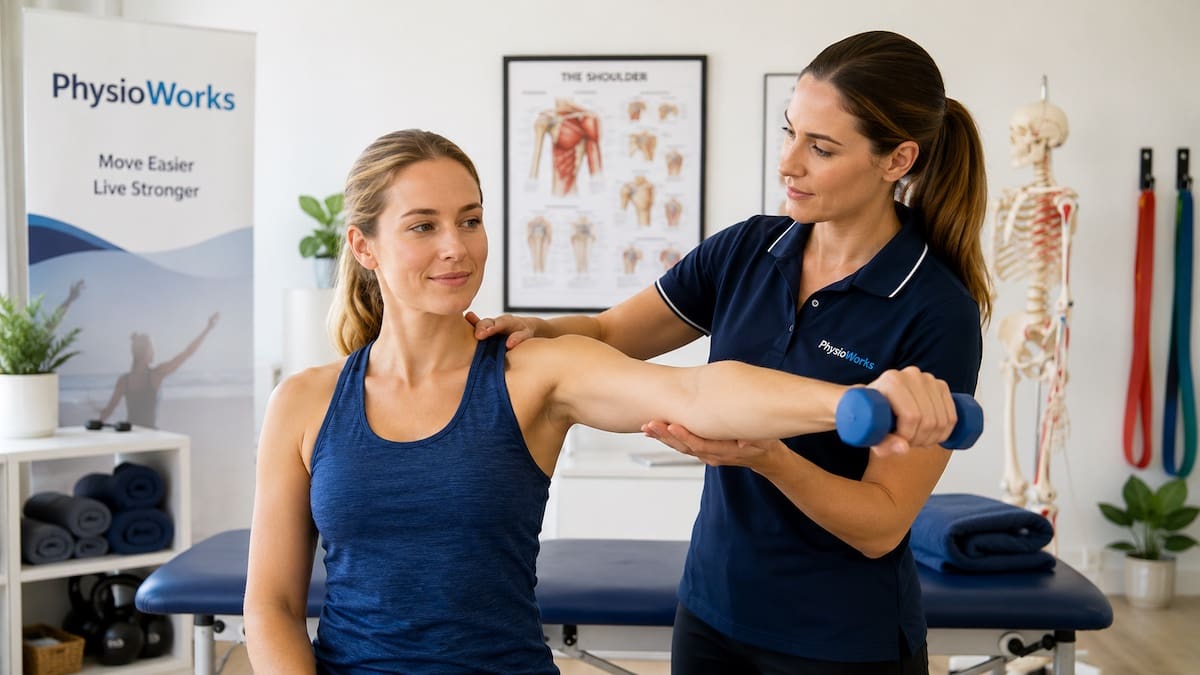
Guided shoulder strengthening during physiotherapy rehabilitation.
Shoulder pain physiotherapy treatment may help when pain affects sleep, work, exercise, dressing or reaching overhead. Treatment should address the factors contributing to your symptoms rather than relying only on rest or short-term pain relief.
Shoulder pain can relate to reduced movement, tendon irritation, joint stiffness, weakness or a sudden change in physical load. Your management plan may combine practical advice, targeted exercise and a gradual return to normal activities.
Start with our main shoulder pain guide. Common related conditions include rotator cuff injury, shoulder impingement and frozen shoulder.
Seek urgent medical care when:
Pain follows major trauma, the shoulder looks deformed, you cannot move your arm, or shoulder pain occurs with chest pain, severe shortness of breath, sweating or sudden illness.
How Does Physiotherapy Help Shoulder Pain?
Physiotherapy aims to identify the movements, tissues and physical demands contributing to your shoulder pain. Treatment may include education, activity modification, hands-on care and a progressive exercise program. The goal is to restore useful movement, rebuild shoulder capacity and help you return to work, exercise or sport safely.
What Can Cause Shoulder Pain?
The shoulder depends on coordinated movement between the upper arm, shoulder blade, collarbone, upper back and neck. Pain may develop after an injury, repeated overhead loading, an increase in gym or work demands, prolonged inactivity or gradual loss of strength and mobility.
Common shoulder presentations include:
Common Shoulder Conditions
A condition name alone does not determine the best treatment. Your symptoms, movement, strength, daily demands and goals also influence the rehabilitation plan.
What Can You Do for Early Shoulder Pain Relief?
First, reduce or modify the activity that consistently aggravates your pain. Common triggers include repeated overhead work, heavy pressing exercises, throwing, lifting away from the body and sleeping directly on the painful shoulder.
Next, keep the shoulder moving within a comfortable range. Complete rest can increase stiffness and reduce confidence in movement. Short periods of heat or cold may help settle symptoms when used safely, although neither replaces progressive rehabilitation.
Try these early steps:
- Temporarily reduce the movement that reliably increases pain.
- Continue gentle shoulder movement within a tolerable range.
- Support the arm with a pillow when sleeping.
- Avoid repeatedly testing painful movements throughout the day.
- Seek assessment when strength, movement or daily function is declining.
How Is Shoulder Pain Assessed?
A physiotherapist will ask how the symptoms began, what movements aggravate them and how pain affects sleep, work, exercise or sport. The assessment may examine shoulder movement, rotator cuff strength, shoulder blade control and the contribution of your neck and upper back.
Functional tasks may also be assessed. These can include reaching, lifting, pushing, pulling, throwing or completing a gym movement related to your goals.
Scans are not always required. Your physiotherapist may recommend medical review or further investigation when symptoms suggest a fracture, major traumatic tear, dislocation, significant weakness or another condition requiring additional assessment.
What Does Shoulder Physiotherapy Include?
Treatment varies according to the condition, irritability of the shoulder and your current capacity. A physiotherapy plan may include:
- explanation of the likely contributing factors
- temporary changes to work, sport or gym loading
- shoulder mobility and control exercises
- rotator cuff and shoulder blade strengthening
- hands-on treatment where it supports movement or exercise
- taping or short-term symptom-management strategies
- a graded return to lifting, work, training or sport
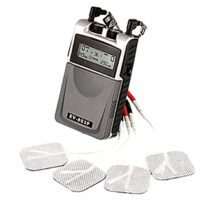
Some people use dry needling or a TENS machine as part of symptom management. These options should support, rather than replace, a structured rehabilitation program.
Which Shoulder Exercises May Help?
Exercise selection depends on the cause of your symptoms and the movements you can currently tolerate. A program commonly progresses from comfortable movement and low-load control to strengthening and task-specific loading.
- Shoulder exercises for mobility and general shoulder control
- Rotator cuff exercises for strength and load tolerance
- Scapular stabilisation exercises for shoulder blade control
Exercise does not need to be completely pain-free in every case. However, symptoms should remain manageable and should not continue to worsen after each session. Reduce the load, range or number of repetitions when an exercise causes a clear and lasting flare.
How Is Acute Shoulder Pain Managed?
Acute shoulder pain may begin after a fall, lifting incident, sudden increase in training or an awkward movement. Early management focuses on identifying serious injury, reducing excessive irritation and maintaining safe movement.
A physiotherapist may initially use lower-load exercises and temporary activity changes. The program should then progress as movement, confidence and strength improve. Prolonged protection without progression can contribute to stiffness and reduced capacity.
How Is Persistent Shoulder Pain Managed?
Longer-lasting pain may involve tendon sensitivity, joint stiffness, reduced strength or repeated exposure to loads that exceed the shoulder’s current capacity. Rehabilitation usually requires gradual progression rather than a quick exercise change.
Your program may build tolerance for reaching, lifting, sleeping, work duties, gym training or sport. When pain severely limits rehabilitation, your physiotherapist may discuss medical review or other treatment options as part of a broader management plan.
How Can You Reduce Future Shoulder Flare-Ups?
Prevention focuses on maintaining enough shoulder capacity for the activities you perform. Build training volume gradually, include pulling and shoulder-strength exercises, and avoid sudden spikes in overhead work or heavy pressing.
Desk posture does not need to remain perfect throughout the day. Instead, vary your position and take regular movement breaks. When sleep aggravates symptoms, support the painful arm and avoid allowing the shoulder to roll forward for long periods.
How Long Does Shoulder Pain Take to Improve?
Recovery time varies. A mild overload may settle over several weeks, while significant weakness, stiffness, tendon pain or traumatic injury may take longer. Improvement is often gradual and may include temporary symptom fluctuations as activity increases.
Progress should be measured through function as well as pain. Useful signs include improved sleep, easier dressing, increased reaching range, better strength and a steady return to work, gym or sport.
Shoulder Pain FAQs
How long does shoulder pain take to settle?
Mild overload may settle over several weeks with suitable activity changes and gradual exercise. Longer-lasting shoulder pain often needs a structured rehabilitation program to rebuild movement, strength and tolerance.
Is it safe to exercise with shoulder pain?
Exercise is often appropriate when you use a tolerable range and suitable load. Reduce or stop an exercise when it causes sharp pain, marked weakness or a lasting increase in symptoms. A physiotherapist can help identify a safe starting point.
What sleeping position may help shoulder pain?
Many people feel more comfortable on their back or non-painful side. Place a pillow under or in front of the painful arm to support the shoulder and reduce the tendency for it to roll forward.
Do I need a scan for shoulder pain?
Not always. Many shoulder conditions can be assessed clinically. Medical imaging may be considered after significant trauma, when substantial weakness or deformity is present, or when symptoms do not progress as expected.
When should I book a physiotherapy appointment?
Consider booking when pain repeatedly affects sleep or daily activity, movement or strength is declining, symptoms continue beyond one to two weeks, or you cannot return to work, gym or sport using basic self-management.
What to Do Next
Start by reducing the activity that repeatedly aggravates your shoulder while continuing comfortable movement. Add a simple exercise program that matches your current ability rather than choosing random high-load exercises.
Book an assessment when pain keeps returning, affects sleep or normal activity, or when you are unsure how to progress safely.
Choose your clinic and appointment pathway
Select a PhysioWorks clinic to continue to live booking, an appointment request or reception assistance.
Shoulder Support and Rehabilitation Products
Selected rehabilitation products may support exercise or short-term symptom management. Choose products that match your presentation and seek advice when you are unsure about fit or suitability.
Shoulder Products
These shoulder products are commonly used by our physiotherapists to improve strength, posture, movement, plus assist home exercise programs.
-
-

-
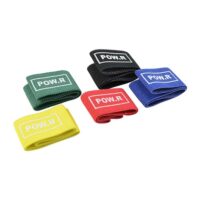 Exercise Equipment, Knee, Resistance Band
POW.R Fabric Mini Loop Bands
$12.00 – $55.00Select optionsQuick View -

-
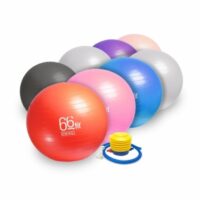
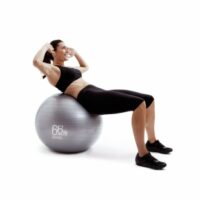 Exercise Balls, Back, Exercise Equipment, Knee, Shoulder
66fit Exercise Balls | Core & Rehab Stability Ball
$32.00 – $57.00Select optionsQuick View -
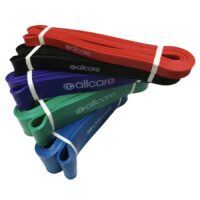
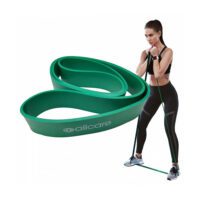 Exercise Equipment, Resistance Band
AllCare Powerloop Bands
$22.00 – $65.00Select optionsQuick View -

-
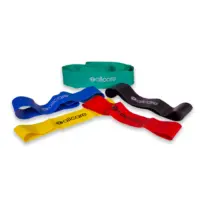
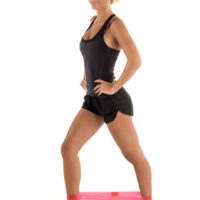
- EMS Machines, Pain Management, TENS Machine, TENS Machine & EMS
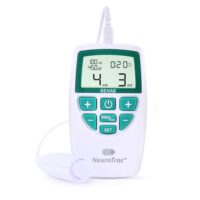
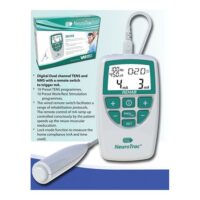
NeuroTrac Rehab (TENS Machine + EMS)
$285.00Add to cartQuick View -
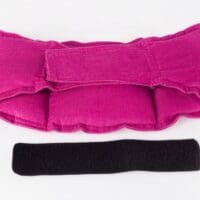
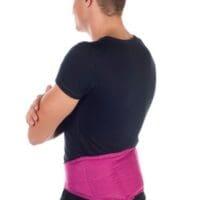 Ice & Heat, Pain Management, Uncategorized
PhysiPak Universal Heat pack
$79.00Select optionsQuick View -

- Liniments & Gels, Massage Liniments, Pain Management
Fisiocrem
$16.95 – $39.95Select optionsQuick View -

-
-


Follow PhysioWorks
Follow PhysioWorks for practical shoulder health information, rehabilitation advice and exercise ideas.


References
- LaFrance S, et al. Rotator Cuff Tendinopathy Diagnosis, Nonsurgical Medical and Rehabilitation Management: Clinical Practice Guideline. J Orthop Sports Phys Ther. 2022.
- Powell JK, et al. The Efficacy of Exercise Therapy for Rotator Cuff–Related Shoulder Pain. J Orthop Sports Phys Ther. 2024.
- Zhang W, et al. Effects of Seven Types of Exercise in Rotator Cuff-Related Shoulder Pain: Systematic Review and Bayesian Network Meta-Analysis. J Orthop Surg Res. 2025.
- Li D, et al. Adhesive Capsulitis. StatPearls. Updated 2025.