
T4 Syndrome
T4 Syndrome


Assessing upper thoracic movement and symptoms.
T4 syndrome is a rare pattern of upper back, shoulder blade, arm, or hand symptoms. It may link with irritation around the upper thoracic spine. This area sits between the neck and mid-back. It is not a simple label. Your clinician should first check more common causes.
The T4 region sits within the thoracic spine, near the shoulder blade level. Symptoms can overlap with thoracic outlet syndrome, neck arm pain, shoulder problems, or nerve irritation. A physiotherapist can assess the pattern and guide the next step.
T4 Syndrome Quick Summary
- T4 syndrome is rare and should not be the first guess.
- It may cause upper back ache, arm tingling, hand symptoms, or shoulder blade pain.
- Assessment should check the neck, shoulder, nerves, ribs, and thoracic spine.
- Treatment may include manual therapy, mobility work, exercise, and load changes.
- Urgent review is needed if symptoms suggest a medical cause.
What Is T4 Syndrome?
T4 syndrome is a clinical term. It describes symptoms that may involve the upper thoracic spine, often near the T4 vertebra. People may feel a deep ache between the shoulder blades. Some also notice arm or hand tingling, coldness, heaviness, or altered feeling.
The evidence for T4 syndrome is limited. Research describes it as rare and best used as a diagnosis of exclusion. This means your clinician should look for more common causes first. These may include neck pain, cervical radiculopathy, shoulder problems, thoracic outlet syndrome, and local thoracic joint pain.
What Are Common T4 Syndrome Symptoms?
T4 syndrome symptoms can feel odd. They may appear in the upper back and arm without a clear injury. The pattern can also change with sitting, driving, lifting, or long computer work.
- Deep ache between the shoulder blades
- Upper thoracic stiffness or tenderness
- Tingling, pins and needles, or altered feeling in the arm or hand
- A cold, heavy, tight, or swollen feeling in the hands
- Reduced grip confidence or hand clumsiness
- Symptoms linked with desk work or sustained posture
- Headache or neck symptoms in some cases
Could It Be Something Else?
Yes. Similar symptoms can come from the neck, shoulder, nerves, ribs, or blood flow. This is why T4 syndrome needs careful screening. It should not be diagnosed from one symptom alone.
Why Is T4 Syndrome a Diagnosis of Exclusion?
T4 syndrome is a diagnosis of exclusion because no single test confirms it. Your clinician needs to rule out other causes before using this label. This is important when symptoms include arm tingling, weakness, coldness, or hand changes.
A good assessment should include your story, neck movement, thoracic movement, shoulder function, rib movement, nerve signs, muscle strength, and red flags. If the pattern is not clear, your physiotherapist may suggest GP review or further tests.

Screening arm symptoms with thoracic assessment.
What Causes T4 Syndrome?
The exact cause is not settled. Some theories suggest that irritation around upper thoracic joints may affect symptoms into the arm. Other causes may include thoracic stiffness, rib joint irritation, neck input, nerve sensitivity, or muscle guarding.
Many people with upper thoracic symptoms report flares after long sitting, laptop work, driving, lifting, poor sleep, stress, or sudden load spikes. These factors do not prove T4 syndrome. However, they can make the upper back more sensitive.
How Is T4 Syndrome Assessed?
A physiotherapy assessment should be broad and calm. The aim is to find the most likely source of your symptoms. It should also check if you need medical review.
| Area checked | Why it matters |
| Neck movement | Neck problems can refer pain, tingling, or weakness into the arm. |
| Thoracic movement | Upper back stiffness may drive shoulder blade pain or guarding. |
| Shoulder function | Shoulder pain can mimic upper back and arm symptoms. |
| Nerve tests | Nerve sensitivity may need a different plan. |
| Blood flow signs | Coldness, colour change, or swelling needs care. |
What Treatment May Help T4 Syndrome?
Treatment should match your assessment. If the symptoms fit a mechanical upper thoracic pattern, physiotherapy may use thoracic mobilisation, rib mobility work, soft tissue care, nerve mobility, shoulder blade strengthening, and postural endurance exercise.
Your physiotherapist may also review desk habits, sleep position, lifting tasks, and training load. If desk work is part of the problem, posture correction, posture exercises, and short movement breaks may help reduce repeated strain.
Important: T4 syndrome treatment should target the main problem found in your assessment. The plan should change if your symptoms come from the neck, shoulder, nerves, ribs, or a medical cause.
Can You Exercise With T4 Syndrome?
Many people can keep moving, but the dose matters. Gentle walking, easy thoracic mobility, light shoulder blade work, and regular posture changes may help when symptoms are mild.
Reduce or stop movements that clearly increase arm tingling, hand symptoms, severe pain, or weakness. Your physiotherapist can help you choose safe starting exercises and progress them at the right pace.

Building upper thoracic control safely.
When Should You Seek Urgent Medical Review?
Seek urgent medical review if you have chest pain, shortness of breath, sudden arm weakness, facial droop, speech change, fainting, severe unexplained pain, fever, recent major trauma, or major colour or temperature change in the arm or hand.
For general public guidance, Healthdirect has a useful overview of upper back and thoracic pain.
Related Conditions
T4 syndrome can overlap with several problems. These pages may help you compare symptom patterns:
- Thoracic Facet Joint Pain
- Thoracic Outlet Syndrome
- Upper Back Pain Physiotherapy
- Neck Arm Pain
- Cervical Radiculopathy
- Spinal Physiotherapy
What to Do Next
If upper back, shoulder blade, arm, or hand symptoms keep returning, book a physiotherapy assessment. This is more important if you notice tingling, weakness, coldness, or altered hand feeling.
PhysioWorks can assess your thoracic spine, neck, shoulder, and nerve signs. Your physiotherapist can then guide treatment, exercise, and work or training changes that suit your symptoms and goals.
Choose your clinic and appointment pathway
Select a PhysioWorks clinic to continue to live booking, an appointment request or reception assistance.
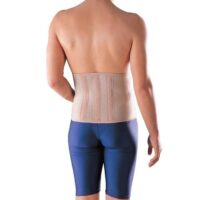
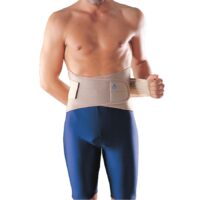
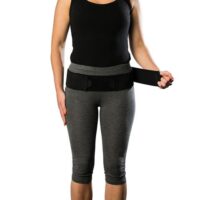
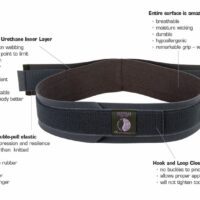
Back Support Products
These back support products are commonly used by our physiotherapists to help reduce back pain, improve comfort, and support your recovery at home.
-
-
- Braces & Supports, Back, Maternity, SIJ
AOM38 AllCare Ortho Core Stability Belt
$49.95Select optionsQuick View -

 Back, Braces & Supports, Maternity, Posture
Pregnancy Belly Band & C-Section 3-in-1
$94.99Select optionsQuick View -
 Back, Braces & Supports, Maternity, Posture
Maternity Back Support – OPPO 2062
$60.00 – $64.00Select optionsQuick View -
 Back, Braces & Supports, Maternity, SIJ
Core Stability Support – OPPO 3462
$54.00Select optionsQuick View -
-
 Braces & Supports, Back, Maternity, SIJ
Maternity Support Belt – OPPO 4062
$37.00Select optionsQuick View



T4 Syndrome FAQs
Is T4 syndrome real?
T4 syndrome is a recognised clinical idea, but the evidence is limited. Research describes it as rare and best used as a diagnosis of exclusion. Your clinician should first assess other causes of upper back, arm, shoulder, nerve, or hand symptoms.
What does T4 syndrome feel like?
T4 syndrome may feel like a deep ache between the shoulder blades with arm or hand symptoms. Some people report tingling, altered feeling, heaviness, coldness, tightness, or hand clumsiness. These symptoms can also come from other conditions.
Can T4 syndrome cause arm tingling?
Arm tingling is often listed in T4 syndrome reports. However, tingling can also come from cervical radiculopathy, thoracic outlet syndrome, carpal tunnel syndrome, shoulder problems, or medical causes. A proper assessment helps sort the likely source.
How is T4 syndrome treated?
Treatment may include thoracic mobilisation, rib mobility, soft tissue care, nerve mobility, posture advice, and shoulder blade strengthening. The best plan depends on your assessment findings. It should not rely on the T4 syndrome label alone.
When should I worry about T4 syndrome symptoms?
Seek urgent medical review if symptoms include chest pain, shortness of breath, sudden weakness, facial droop, speech change, fainting, severe unexplained pain, fever, major trauma, or major colour or temperature change in the arm or hand.
References
- Karas S, Pannone A. T4 Syndrome: A Scoping Review of the Literature. J Manipulative Physiol Ther. 2017;40(2):118-125. doi:10.1016/j.jmpt.2016.11.002
- Conroy JL, Schneiders AG. The T4 syndrome. Man Ther. 2005;10(4):292-296. doi:10.1016/j.math.2005.01.007
- Mellick GA. Clinical presentation, quantitative sensory testing, and therapy of 2 patients with fourth thoracic syndrome. J Manipulative Physiol Ther. 2006;29(5):403-408. doi:10.1016/j.jmpt.2006.04.002
