
Dance Injuries


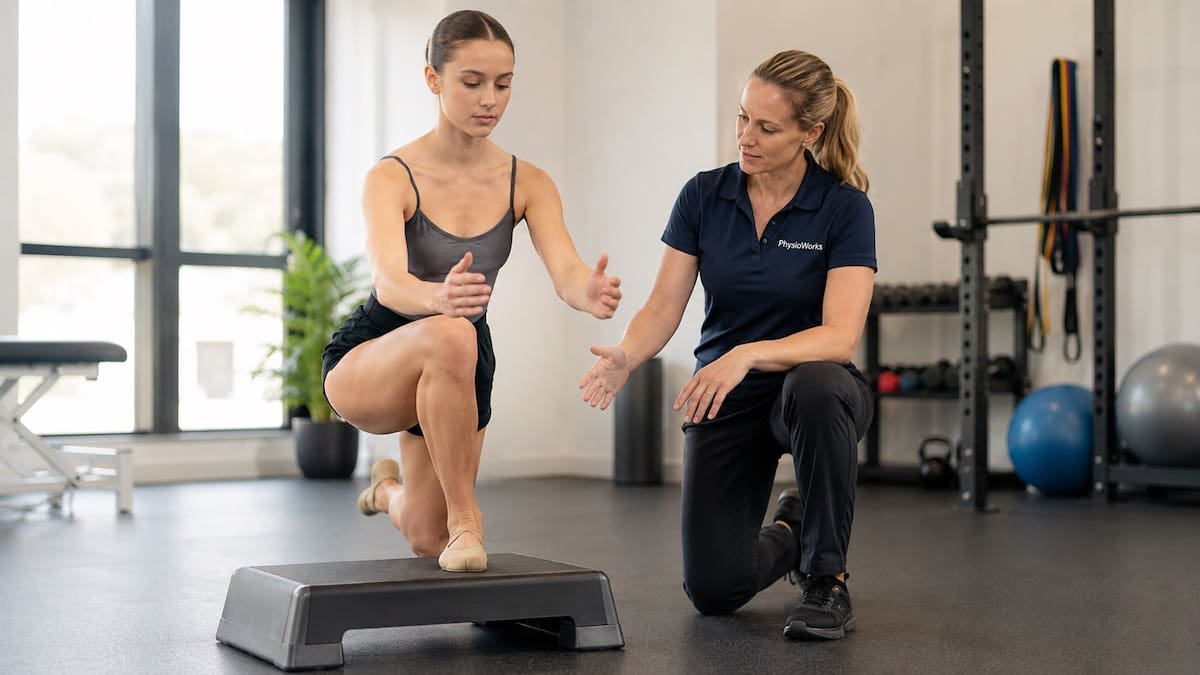
Landing control can affect dance injury risk.
Dance injuries commonly affect the foot, ankle, knee, hip, shin, calf and lower back. They can start suddenly after a landing or build slowly when rehearsal load, technique, footwear, surfaces or recovery do not match the dancer’s current capacity.
A physiotherapy assessment can help identify whether pain is linked to tissue overload, movement control, strength, joint mobility or training load. This is useful when pain keeps returning, affects jumps or turns, or reduces confidence on one side.
Quick Guide to Dance Injury Risk
- Common areas: foot, ankle, knee, hip, groin, shin, calf and lower back.
- Common triggers: jumps, landings, turns, pointe work, floorwork, lifts and rehearsal spikes.
- Warning signs: swelling, limping, pain that returns each class, giving way or loss of confidence.
- Early goal: reduce the most painful load while keeping safe movement and fitness where possible.
If you mainly dance ballet, see our ballet injuries guide. If you are preparing for pointe work, a pre-pointe or dance screening assessment can help identify capacity and technique factors early.
What Are the Most Common Dance Injuries?
Dance injuries often involve the foot, ankle, knee, hip, groin, shin, calf or lower back. Some problems start suddenly, such as a sprained ankle after a landing. Others develop over weeks, such as tendon pain from repeated jumps, pointe work or long rehearsals.
In five-season surveillance of a professional ballet company, medical-attention injuries occurred at about 3–4 per 1000 dance-hours, while time-loss injuries occurred at about 1.1–1.2 per 1000 hours.1
Where Do Dance Injuries Usually Occur?
Dance injuries most often affect areas that absorb repeated load, control turnout, or work at end range. The exact pattern depends on dance style, training volume, footwear, stage surface, age, strength and recovery.
- Foot and ankle: repeated plantarflexion, pointe or demi-pointe, turns and landings can irritate tendons and pinch the back of the ankle.2
- Knee: high-repetition pliés, jumps and fatigue-related knee control changes can overload the kneecap joint and patellar tendon.
- Hip and groin: turnout demands and repeated hip flexion or extension can irritate hip tendons, the front of the hip or the adductor region.
- Lower back: repeated extension, arabesque lines and lifting can increase spinal load and flare sensitive joints.
- Shin and calf: repeated impact, calf dominance and load spikes can drive shin soreness and Achilles overload.
Why Does Dance Cause Injuries?
Dance asks for strength, control and range at end positions, often while fatigued. Rehearsals can involve long blocks of repeated choreography. Performances then add intensity, adrenaline and less recovery time.
Footwear and surfaces also matter. Pointe shoes can increase forefoot load. Hard stages can increase impact forces. Dancers may also keep training through early pain because the next rehearsal, audition or performance feels important. That approach can turn a manageable overload problem into a longer interruption.
Who Is More Likely to Get Dance Injuries?
Competitive and pre-professional dancers often carry higher weekly exposure and sharper spikes around auditions, rehearsals and show weeks. Recreational dancers can still develop dance injuries, especially after a break, during growth spurts, or when returning too quickly after an ankle sprain.
Previous injury also matters. Ankle problems can recur if stiffness, calf capacity or landing control does not fully return. Even small deficits can reduce confidence, change technique and increase stress elsewhere.
Which Specific Dance Injuries Are Common?
The injuries below are common in dancers because they link closely with pointe load, landing control, turnout, extension, rehearsal volume or repeated impact.
- Posterior ankle impingement
Pain at the back of the ankle, often worse in pointe, demi-pointe or deep plantarflexion. - FHL tendinopathy
Big-toe tendon irritation linked to repeated push-off, pointe work and strong foot pointing. - Patellofemoral or kneecap pain
Front-of-knee pain that often flares with pliés, stairs, jumps and sitting between rehearsals. - Spondylolysis or pars stress injury
Lower back pain that can build with repeated extension, rotation and high training loads. - Foot stress fracture
A bone overload injury that often follows a rapid rise in jumping, rehearsal volume or hard-surface exposure. - Ankle sprain
A common acute injury after a misstep or landing, which can leave lingering instability if not rehabilitated well. - Achilles tendon pain
Calf and tendon overload that can build with repeated jumping, relevé work and training spikes.
Should You Keep Dancing With Pain?
If pain settles quickly and does not change technique, you may only need a short load adjustment. If pain keeps returning, causes swelling, changes landing control, or affects confidence, it is worth booking an assessment.
- Modify load: reduce jumps, pointe work, deep pliés or repeated choreography first.
- Check response: use next-day pain, stiffness and confidence to guide progress.
- Book sooner: seek advice for swelling, limping, sharp pain, giving way or repeated ankle sprains.
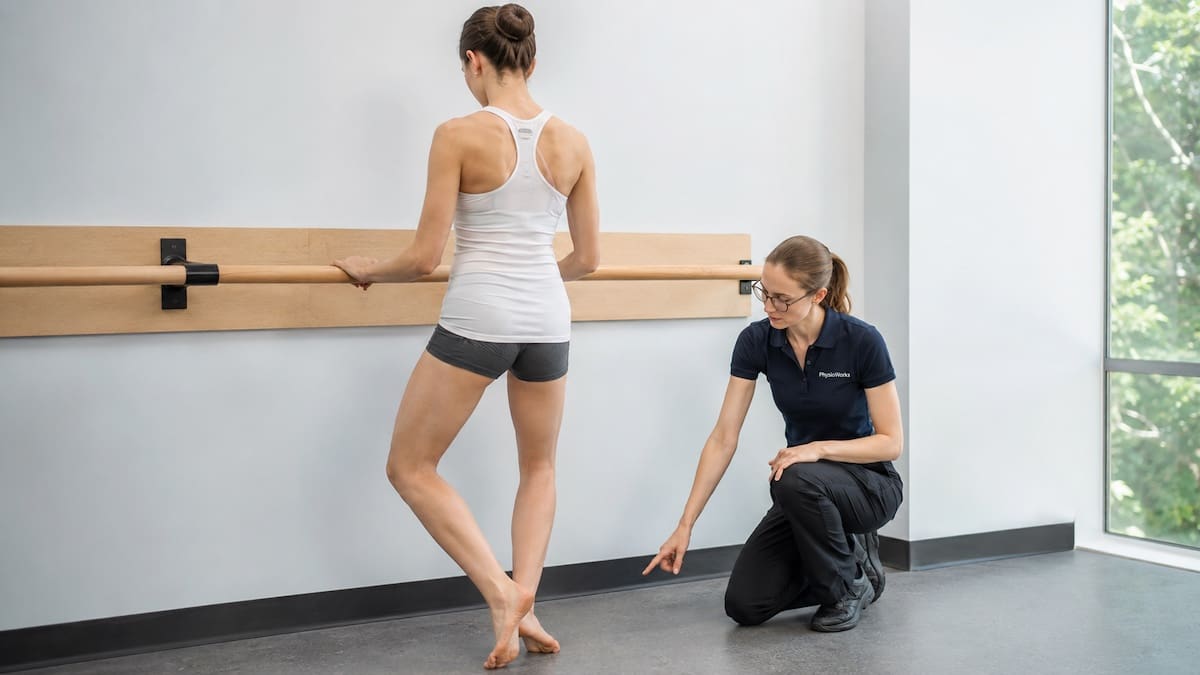
Screening can identify movement and control factors.
How Can Physiotherapy Help Dance Injuries?
A dance-aware plan starts with the demands of your style, level and timetable. Your physiotherapist may assess landing mechanics, turnout strategy, foot control, calf capacity, hip strength and trunk control. Treatment then focuses on building tolerance for the positions and volumes you need.
Physiotherapy for dance injuries may help by:
- Testing strength and capacity, including calf, quadriceps, hip and trunk control.
- Planning load so you keep training what you can while protecting irritated tissue.
- Improving movement quality for jumps, landings and turning control.
- Progressing return to dance in stages, from class to rehearsal, full choreography and performance.
Exercise physiology can add structured conditioning when you need a longer strength phase. Massage can support comfort and recovery, especially when it sits alongside progressive strengthening and load planning. For broader sports care, see sports physiotherapy.
When Should a Dancer See a Physiotherapist?
Consider booking if pain lasts more than 7–10 days, keeps returning each class, or changes the way you land, jump, rise or turn. Early assessment often helps dancers modify load before symptoms become harder to settle.
- Persistent pain that lasts more than 7–10 days or keeps returning each class.
- Swelling, bruising or a feeling of heat in a joint or tendon.
- Load intolerance, such as trouble jumping, rising or landing normally.
- Loss of control, giving way or reduced confidence on one side.
- Recurring ankle sprains or ongoing weak landings.
How Can Dancers Reduce Injury Risk?
Dance injury prevention works best when it matches the dancer’s style, age, training load and injury history. The aim is not to avoid hard work. The aim is to build enough capacity for the dance load you need.
- Build calf capacity: progressive calf raises with bent and straight knee positions can support the ankle, Achilles and foot tendons.
- Respect load spikes: increase rehearsal hours, jumps or pointe time gradually, especially after holidays, illness or injury.
- Train landing quality: quiet, controlled landings usually reduce ankle and knee load drift.
- Strengthen hip control: better hip control can reduce knee collapse and improve turnout strategy under fatigue.
- Keep recovery real: sleep, nutrition and planned lighter days matter during show weeks.
- Sort footwear and fit: poorly fitted shoes can drive toe pain, blistering and altered technique.
How Do You Return Safely After a Dance Injury?
A safe return usually needs graded exposure. Start with what you can do well, such as barre, basic technique or low-impact work. Then add volume, speed, jumps and harder choreography as symptoms and control allow.
Next-day symptom checks help guide progress. If pain spikes or control drops, adjust the load rather than pushing through. A staged return-to-dance plan can help you progress from class to rehearsal and performance with clearer strength, control and confidence markers.
FAQs About Dance Injuries
What are the most common dance injuries?
Most dance injuries involve the foot, ankle, knee, hip or lower back. Overuse problems such as tendon pain, joint irritation and stress injuries are common, although acute injuries like ankle sprains also occur. The pattern often depends on dance style, footwear, rehearsal load and recent training changes.
How do I know if my ankle pain is posterior impingement?
Posterior ankle impingement often feels like a pinch at the back of the ankle. It is usually worse in pointe, demi-pointe or when pointing the foot strongly. A physiotherapist can assess whether the pain fits this pattern and guide load changes, mobility work and strength progressions.
Should I stop dancing if I have tendon pain?
You do not always need to stop all dancing with tendon pain. Many tendon-related dance injuries improve with load changes and progressive strengthening. The goal is usually to reduce the most irritating dance loads, keep safe activity where possible, and rebuild capacity in a planned way.
Do I need a pre-pointe assessment?
A pre-pointe assessment can help check strength, control, foot mobility, calf capacity and readiness for pointe load. It is especially useful before starting pointe work, after injury, or when a dancer has pain, poor landing control or difficulty maintaining safe technique under fatigue.
How long does it take to return after a dance injury?
Return time depends on the tissue involved, symptom severity, training demands and how early the issue is addressed. Minor overload problems may settle faster than stress injuries or recurrent ankle sprains. A staged plan with strength, control and dance-specific goals usually gives the clearest pathway back.
What should dancers do first when pain starts?
Dancers should first reduce the most painful loads, such as jumps, pointe work, deep pliés or repeated turns. If symptoms settle quickly, build back gradually. If pain returns each class, causes swelling, or changes technique, book an assessment to check strength, control, mobility and training load.
What To Do Next
If dance injuries are limiting training, affecting confidence or changing technique, a physiotherapy assessment can help clarify the likely drivers. Your plan may include load changes, strength work, movement retraining and a staged return to class, rehearsal and performance.
Choose your clinic and appointment pathway
Select a PhysioWorks clinic to continue to live booking, an appointment request or reception assistance.
Muscle & Soft Tissue Products
These muscle and soft tissue products are commonly used by our physiotherapists to relax or loosen muscles, improve strength, comfort, flexibility, and home exercise programs.
- Exercise Equipment, Resistance Band
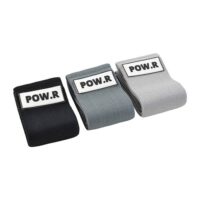
POW.R Wide Fabric Loop Resistance Band
$14.95 – $49.95Select optionsQuick View -
-
-

-
-
- Liniments & Gels, Massage Liniments, Pain Management
Fisiocrem
$16.95 – $39.95Select optionsQuick View -
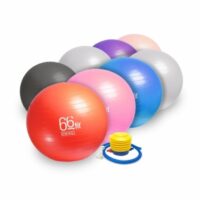
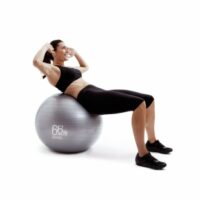 Exercise Balls, Back, Exercise Equipment, Knee, Shoulder
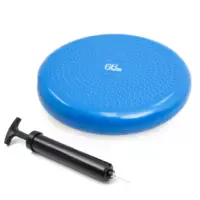
66fit Exercise Balls | Core & Rehab Stability Ball
$32.00 – $57.00Select optionsQuick View -
-
-
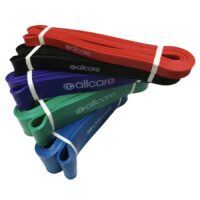
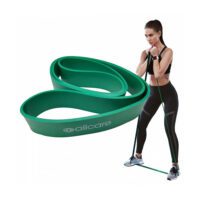 Exercise Equipment, Resistance Band
AllCare Powerloop Bands
$22.00 – $65.00Select optionsQuick View -
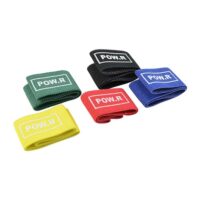 Exercise Equipment, Knee, Resistance Band
POW.R Fabric Mini Loop Bands
$12.00 – $55.00Select optionsQuick View -
-
- EMS Machines, Pain Management, TENS Machine, TENS Machine & EMS
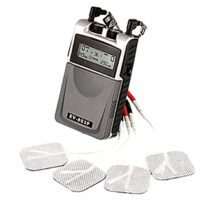
NeuroTrac Rehab (TENS Machine + EMS)
$285.00Add to cartQuick View












References
- Mattiussi AM, Shaw JW, Williams S, et al. Injury epidemiology in professional ballet: a five-season prospective study of 1596 medical attention injuries and 543 time-loss injuries. Br J Sports Med. 2021;55(15):843-850. doi:10.1136/bjsports-2020-103817.
- Mailuhu AKE, van Rijn RM, Stubbe JH, Bierma-Zeinstra SMA, van Middelkoop M. Incidence and prediction of ankle injury risk: a prospective cohort study on 91 contemporary preprofessional dancers. BMJ Open Sport Exerc Med. 2021;7(2):e001060. doi:10.1136/bmjsem-2021-001060.
- Critchley ML, Ferber R, Pasanen K, Kenny SJ. Injury epidemiology in pre-professional ballet dancers: a 5-year prospective cohort study. Phys Ther Sport. 2022;58:93-99. doi:10.1016/j.ptsp.2022.10.001.
- Kolokythas N, Metsios GS, Galloway SM, Allen N, Wyon MA. Neuromuscular training in pre-professional ballet dancers: a feasibility randomised controlled trial. J Dance Med Sci. 2022;26(3):181-190. doi:10.12678/1089-313X.091522e.
