
Return to Sport Testing
A practical RTS assessment guide for athletes returning after injury.


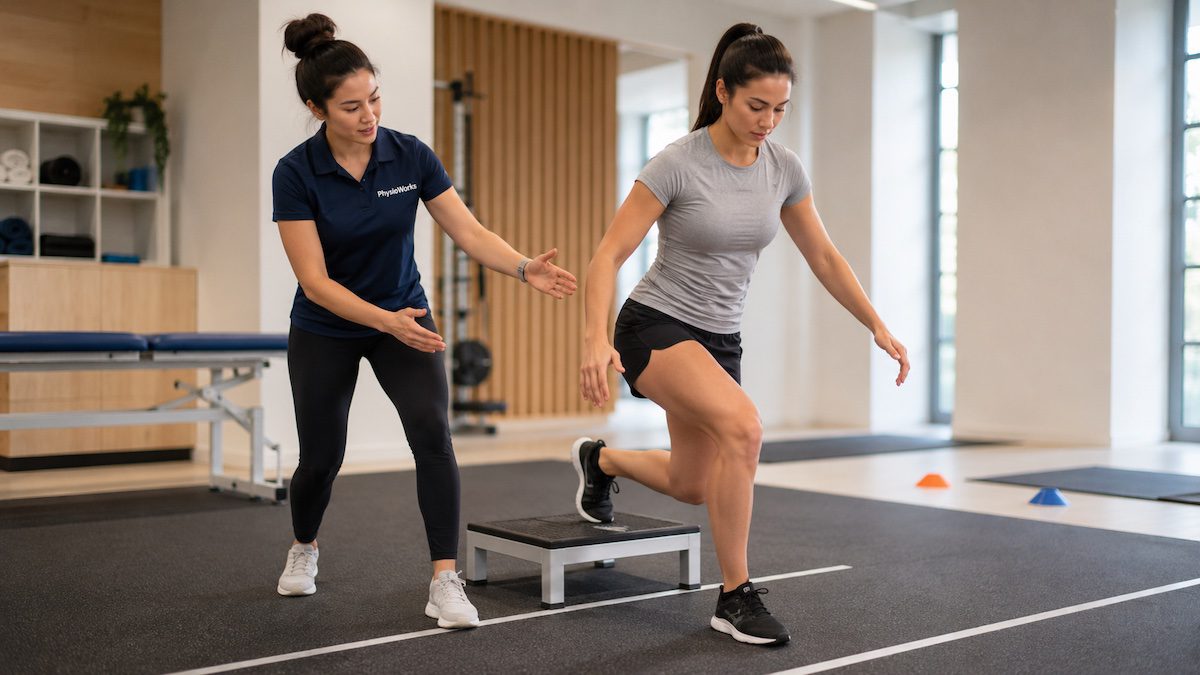
Assessing knee control during return to sport testing.
Return to sport testing helps athletes decide whether their body is ready for training and competition after injury. It checks strength, balance, power, movement control, fitness and confidence rather than relying on pain levels or timeframes alone.
At PhysioWorks, a physiotherapist may use a structured return-to-sport assessment after injuries such as ACL injuries, hamstring strains, ankle sprains or other sports injuries.
This process helps guide safer training progressions. It also identifies ongoing gaps before high-speed running, jumping, cutting, contact, fatigue or match play.
Quick Summary
- RTS testing checks more than pain relief.
- Common tests assess strength, hop performance, landing control, agility and fitness.
- Results help guide late-stage rehabilitation and sport-specific training.
- Time alone is not enough for many sports injuries.
- Confidence and fear of reinjury should also be assessed.
What Is Return to Sport Testing?
Return to sport testing is a structured assessment process used by physiotherapists to help decide whether an athlete is ready to return after injury. It compares physical performance, movement quality and confidence against the demands of the athlete’s sport.
The aim is not simply to pass one test. Good RTS testing helps identify what still needs work, then guides the next stage of rehabilitation. This may include strength training, running progressions, landing drills, agility work, contact preparation or sport-specific conditioning.
Why Does Return to Sport Testing Matter?
Returning too early can increase reinjury risk. This is especially relevant after injuries involving sprinting, jumping, cutting, landing or contact, such as knee injuries, hamstring strains and ankle sprains.
Structured testing helps your physiotherapist check whether the injured side performs close to the uninjured side. It also helps confirm whether you can tolerate sport-specific tasks under fatigue, not just controlled exercises in the clinic.
RTS Decision Guide
- Ready to progress: move into controlled sport-specific training.
- Borderline: modify training and retest key deficits.
- Not ready: continue targeted rehabilitation before competition.
- Unsure: review pain, swelling, confidence, strength and workload.
Common Tests Used in RTS Assessment
A physiotherapist may use several performance measures to assess readiness. The exact test battery depends on the injury, sport, position, training age and competition demands.
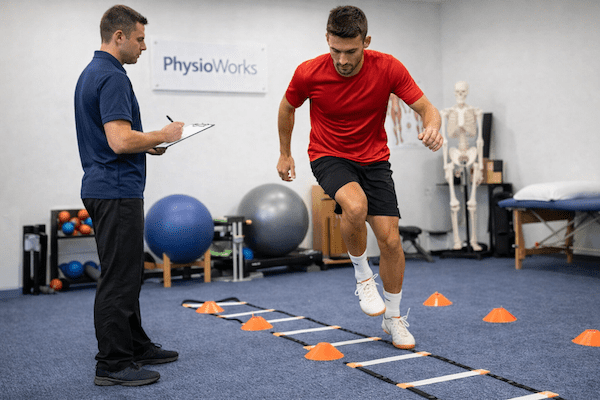
Single-leg hop testing helps assess landing control.
Strength Testing
Strength testing may assess quadriceps, hamstrings, calf, hip or trunk capacity. After ACL injury, muscle strain or tendon injury, strength deficits may remain even when pain has settled.
Hop and Power Tests
Single-leg hop tests can assess lower limb power, landing control and side-to-side symmetry. These tests are commonly used after ACL injury, knee injury and lower limb rehabilitation.
Movement Quality Assessment
Movement analysis reviews landing, squatting, running, cutting and deceleration mechanics. Poor hip, knee or ankle control may show that the athlete needs more rehabilitation before full sport.
Agility, Fitness and Fatigue Tests
Sport requires more than strength. Shuttle runs, repeated sprint tests, change-of-direction drills or sport-specific conditioning can help assess whether the athlete can maintain control under fatigue.
Psychological Readiness
Confidence matters. Fear of reinjury can affect movement speed, decision-making and commitment in sport. RTS assessment should consider both physical and psychological readiness.
Criteria-Based Return Beats Time Alone
A time-based approach can miss important deficits. Criteria-based return to sport testing combines time since injury or surgery with strength, movement, fitness, sport demands and confidence.
Research supports structured decision-making after ACL reconstruction. However, testing should not rely on one score alone. A physiotherapist should interpret results alongside clinical findings, training exposure and the athlete’s planned return pathway.
What Should RTS Testing Consider?
| Strength | Can the injured side produce enough force? |
| Power | Can the athlete jump, land and absorb load well? |
| Control | Can the athlete maintain good alignment during movement? |
| Fitness | Can performance continue under fatigue? |
| Confidence | Does the athlete feel ready for sport-specific demands? |
How Physiotherapists Use RTS Results
Return to sport decisions are rarely based on a single test. Physiotherapists combine test results with clinical examination, injury history, training workload and sport requirements.
Results may guide advanced strength training, plyometrics, landing drills, running progressions, agility work and physiotherapy rehabilitation. Athletes returning to running-based sports may also benefit from a graded running injury pathway.
When Can You Return to Sport After Injury?
Return timelines vary depending on the injury, sport demands and rehabilitation progress. Some injuries may allow return within weeks, while ligament reconstruction may require many months. RTS testing helps assess readiness rather than relying on time alone.
Before full competition, your physiotherapist may check pain response, swelling, strength, movement control, training tolerance, sleep, fatigue and confidence. This creates a more complete picture than a simple calendar-based decision.
Tailoring RTS Testing to Your Sport
Each sport places different demands on the body. Football and basketball require cutting, landing and contact tolerance. Running sports require load tolerance, endurance and pacing. Field sports require repeated sprinting and decision-making under fatigue.
Your physiotherapist may tailor testing to match your training and competition demands. This helps bridge the gap between clinic-based rehabilitation and real sport performance.
When Should You Seek Help?
Seek physiotherapy advice if pain, swelling, weakness, instability, poor confidence or repeated flare-ups affect your return to training. You should also seek guidance if you are returning after surgery, a significant ligament injury, recurrent muscle strain or a long break from sport.
Signs You May Need RTS Testing
- You feel unsure when sprinting, jumping, landing or changing direction.
- Your injured side still feels weaker than the other side.
- You notice swelling, pain or tightness after harder sessions.
- You keep modifying training because you do not trust the injured area.
- You are returning after ACL injury, ankle sprain, muscle strain or surgery.
Return to Sport Testing FAQs
What is return to sport testing?
Return to sport testing is a structured physiotherapy assessment that checks whether an athlete is ready to resume sport after injury. It usually measures strength, power, movement quality, fitness and confidence.
Why is return to sport testing important?
Return to sport testing helps identify ongoing weakness, poor control or low confidence after injury. These findings help guide rehabilitation and may reduce avoidable reinjury risk.
What tests are used in return to sport assessments?
Common tests include strength testing, single-leg hop tests, landing assessment, agility drills, running progressions and sport-specific fitness tests. The right test battery depends on the injury and sport.
Can you return to sport if you still have pain?
It depends on the injury, pain level, swelling, strength and sport demands. Persistent pain, swelling or instability usually means the athlete needs further assessment before full competition.
Is return to sport testing only for ACL injuries?
No. RTS testing is often used after ACL injuries, but it can also help after ankle sprains, hamstring strains, calf injuries, shoulder injuries, tendon problems and other sports injuries.
Who should do return to sport testing?
A physiotherapist with experience in sports injury rehabilitation can select tests that match your injury, sport, competition level and training goals. The testing should guide your next step, not just produce a score.
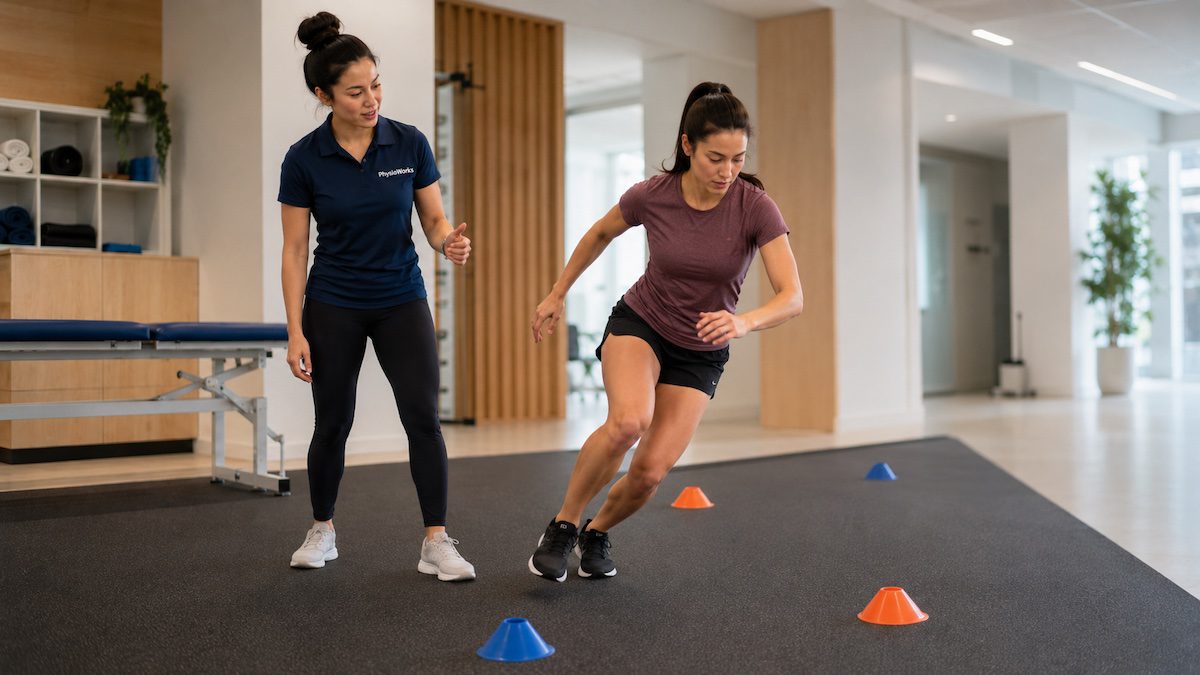
Controlled sport drills help guide return-to-play decisions.
What to Do Next
If you are recovering from a sports injury and want to return safely to training or competition, a physiotherapist can assess your readiness and guide your next steps.
Return to Sport Testing provides useful information about strength, movement control, fitness and confidence. It can help you return with a clearer plan and fewer avoidable setbacks.
Choose your clinic and appointment pathway
Select a PhysioWorks clinic to continue to live booking, an appointment request or reception assistance.
Muscle & Soft Tissue Products
These muscle and soft tissue products are commonly used by our physiotherapists to relax or loosen muscles, improve strength, comfort, flexibility, and home exercise programs.
-
-

-
-
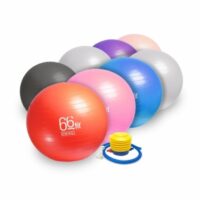
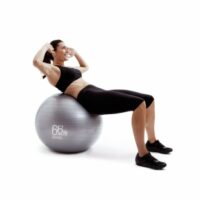 Exercise Balls, Back, Exercise Equipment, Knee, Shoulder
66fit Exercise Balls | Core & Rehab Stability Ball
$32.00 – $57.00Select optionsQuick View -

-
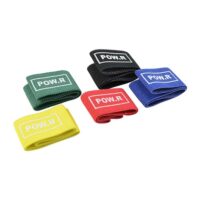 Exercise Equipment, Knee, Resistance Band
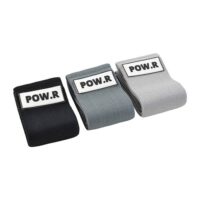
POW.R Fabric Mini Loop Bands
$12.00 – $55.00Select optionsQuick View -
-
-
-
-
 Exercise Equipment, Resistance Band
AllCare Powerloop Bands
$22.00 – $65.00Select optionsQuick View - Exercise Equipment, Resistance Band
POW.R Wide Fabric Loop Resistance Band
$14.95 – $49.95Select optionsQuick View -
- EMS Machines, Pain Management, TENS Machine, TENS Machine & EMS
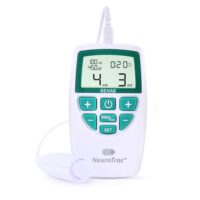
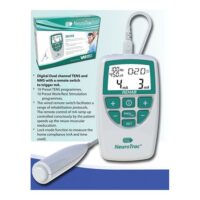
NeuroTrac Rehab (TENS Machine + EMS)
$285.00Add to cartQuick View - Liniments & Gels, Massage Liniments, Pain Management
Fisiocrem
$16.95 – $39.95Select optionsQuick View









References
- Grindem H, Snyder-Mackler L, Moksnes H, Engebretsen L, Risberg MA. Simple decision rules can reduce reinjury risk by 84% after ACL reconstruction: the Delaware-Oslo ACL cohort study. Br J Sports Med. 2016;50(13):804-808. doi:10.1136/bjsports-2016-096031
- Ardern CL, Glasgow P, Schneiders A, et al. 2016 consensus statement on return to sport from the First World Congress in Sports Physical Therapy, Bern. Br J Sports Med. 2016;50(14):853-864. doi:10.1136/bjsports-2016-096278
- Burgi CR, Peters S, Ardern CL, et al. Which criteria are used to clear patients to return to sport after primary ACL reconstruction? A scoping review. Br J Sports Med. 2019;53(18):1154-1161. doi:10.1136/bjsports-2018-099982
- Buckthorpe M. Optimising the late-stage rehabilitation and return-to-sport training and testing process after ACL reconstruction. Sports Med. 2019;49(7):1043-1058. doi:10.1007/s40279-019-01102-z
- Webster KE, Hewett TE. What is the evidence for and validity of return-to-sport testing after anterior cruciate ligament reconstruction surgery? A systematic review and meta-analysis. Sports Med. 2019;49(6):917-929. doi:10.1007/s40279-019-01093-x
- Herring SA, Putukian M, Kibler WB, et al. Team Physician Consensus Statement: Return to Sport/Return to Play and the Team Physician: A Team Physician Consensus Statement-2023 Update. Curr Sports Med Rep. 2024;23(5):183-191. doi:10.1249/JSR.0000000000001169