
Springboard and Platform Diving Injuries


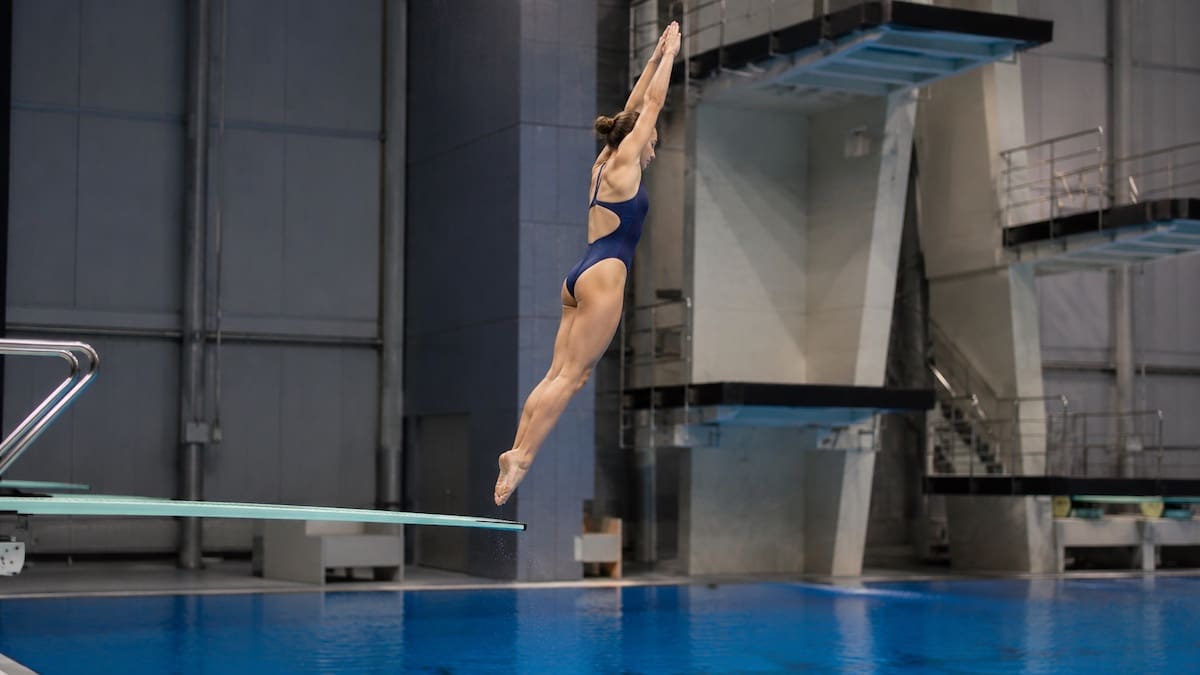
Springboard and platform diving injuries may develop during take-off, aerial rotation, water entry or repetitive training. Divers need strength, flexibility, timing and precise body control. Small errors can expose the wrists, shoulders, spine and lower limbs to considerable load.
The most frequently reported injury areas in competitive divers include the lower back, wrist and hand, and shoulder. Injuries may occur suddenly after an awkward dive or develop gradually through repeated training load.
Quick Answer
Competitive divers commonly experience wrist, shoulder and lower-back problems. Early assessment is important when pain changes technique, reduces confidence, limits training or persists between sessions.
What Is Springboard and Platform Diving?
Competitive diving involves performing controlled take-offs, somersaults, twists and water entries from a springboard or fixed platform.
Springboard Diving
Springboard diving commonly takes place from one-metre or three-metre boards. The diver uses the board’s movement to generate height and rotation. Take-off timing, leg power, balance and board control are important.
Platform Diving
Platform diving uses a rigid surface, commonly from five, seven-and-a-half or ten metres. The diver does not receive spring from the platform, so take-off strength and aerial control become especially important.
Platform divers enter the water from greater height and speed. The physical demands vary between springboard and platform events, while injury patterns also depend on training volume, dive type, technical difficulty and the athlete’s stage of development.
Which Parts of the Dive Can Cause Injury?
An injury may occur during any stage of a dive. However, each phase places different loads on the body.
Approach and Take-Off
The approach and take-off require balance, timing, ankle stiffness, calf power, knee control and strong hip extension. Poor timing or repeated loading may contribute to:
- ankle and foot pain
- calf or Achilles tendon overload
- patellar tendon pain
- knee irritation
- hip flexor or hamstring strain
Aerial Phase
Somersaults and twists require rapid changes between straight, pike and tuck positions. Repeated spinal flexion, extension and rotation may load the lower back. Divers also need strong abdominal, hip and shoulder control to maintain body position.
Water Entry
During a head-first entry, the diver holds the arms overhead while the hands and wrists break the surface. Water-entry forces may travel through the wrists, elbows and shoulders. A poor entry angle may increase the load substantially.
Current injury surveillance identifies water entry and take-off as two of the most commonly reported injury mechanisms in competitive diving.
What Are the Most Common Competitive Diving Injuries?
Lower Back Pain
Lower-back pain is one of the most frequently reported problems among competitive divers. Repeated arching, twisting, pike positions, dry-land training and entry forces may contribute to symptoms.
Possible causes include:
- lumbar muscle or joint irritation
- load-related disc pain
- bone stress injury
- spondylolysis
- reduced trunk endurance
- poor control during repeated extension or rotation
Young divers with persistent one-sided back pain, pain during repeated extension or pain that does not settle between sessions should receive an appropriate clinical assessment.
Wrist and Hand Injuries
The wrists and hands are exposed to repeated load when they contact the water first during a head-first entry. Platform diving may produce greater entry forces than lower springboard events.
Common wrist problems may include:
- wrist sprains
- joint irritation
- tendon overload
- bone stress reactions
- growth-plate injury in adolescent divers
- pain caused by repeated wrist extension
Research involving adolescent platform and springboard divers has identified several overuse wrist abnormalities. These include distal radial growth-plate injuries that may be overlooked when symptoms appear mild or non-specific.
Shoulder Injuries
The shoulders must remain strong and stable while the arms are held overhead during entry. Water impact may force the arms backwards or apart, particularly when the entry position is not aligned.
Possible shoulder injuries include:
- rotator cuff pain
- shoulder instability
- labral injury
- muscle or tendon strain
- joint irritation
- overhead load intolerance
Shoulder pain may also develop from repeated dry-land drills, handstands, strength work and high training volume.
Neck Injuries
The neck helps control head position during rotation and entry. Poor alignment, a flat entry or contact with the board, platform or water may cause neck pain.
Symptoms such as severe neck pain, arm weakness, numbness, altered coordination or loss of consciousness require urgent medical assessment.
Elbow Injuries
The elbow transfers force between the wrist and shoulder during entry. Hyperextension, a poorly aligned hand position or repeated impact may cause joint, ligament or tendon irritation.
Knee and Patellar Tendon Pain
Repeated jumping, board loading and dry-land training may irritate the knee or patellar tendon. Pain may be more noticeable during take-off drills, squats, stairs or repeated bounding.
Ankle and Foot Injuries
Ankle sprains may occur during an awkward approach or take-off. Repeated plantarflexion, jumping and board contact may also contribute to ankle stiffness, calf pain or Achilles tendon overload.
Head and Concussion Injuries
A diver may strike the springboard or platform during a failed dive. Flat or uncontrolled water entry can also cause head and neck symptoms.
Any suspected concussion requires removal from training and appropriate medical assessment. Return should follow a structured concussion return-to-sport process.
Why Do Diving Injuries Develop?
Competitive diving injuries often involve several contributing factors rather than one isolated cause.
- high dive repetition
- rapid increases in training volume
- repeated loading during water entry
- poor hand or arm position at entry
- limited shoulder stability
- reduced trunk strength or control
- repeated spinal extension and rotation
- limited hip, hamstring or ankle mobility
- fatigue affecting timing or technique
- poorly controlled dry-land training
- progressing difficult dives too quickly
- insufficient recovery between sessions
Current reviews indicate that overuse is an important injury mechanism and that many competitive diving injuries affect the upper body or trunk. Most injuries recorded in a recent four-year observational study occurred during training rather than competition.
How Are Competitive Diving Injuries Assessed?
A physiotherapy assessment considers where the diver feels pain, which phase of the dive causes symptoms and whether training load or technique has changed.
The assessment may include:
- shoulder movement, strength and stability
- wrist movement and load tolerance
- lumbar spine movement and load response
- trunk strength and endurance
- hip and hamstring flexibility
- knee, ankle and calf capacity
- balance during approach and take-off
- handstand and overhead control
- dry-land dive positions
- training-volume review
Imaging or medical referral may be appropriate when symptoms suggest a fracture, bone stress injury, growth-plate injury, significant instability, concussion or neurological involvement.
How Does Physiotherapy Help Diving Injuries?
Physiotherapy aims to reduce pain, restore physical capacity and help the diver return safely to the technical demands of training.
Load Modification
The diver may need to reduce selected dives, entry repetitions, dry-land drills or strength exercises temporarily. Complete rest is not always necessary. Instead, the program may preserve suitable training while reducing the load that aggravates the injury.
Mobility
Mobility exercises may address restrictions involving the shoulder, thoracic spine, hips, hamstrings or ankles. Mobility should support diving positions without forcing painful end ranges.
Strength and Control
Rehabilitation may target:
- wrist and forearm capacity
- rotator cuff and shoulder stability
- overhead arm control
- trunk strength and spinal control
- hip and lower-limb power
- calf and ankle stiffness
- landing and take-off control
Technique-Specific Progression
Later rehabilitation should reproduce diving demands gradually. This may include:
- handstand preparation
- overhead entry-position holds
- progressive water-entry drills
- dry-board approaches
- jump and take-off progressions
- tuck and pike control
- trampoline or harness drills where supervised
- graded return to difficult dives
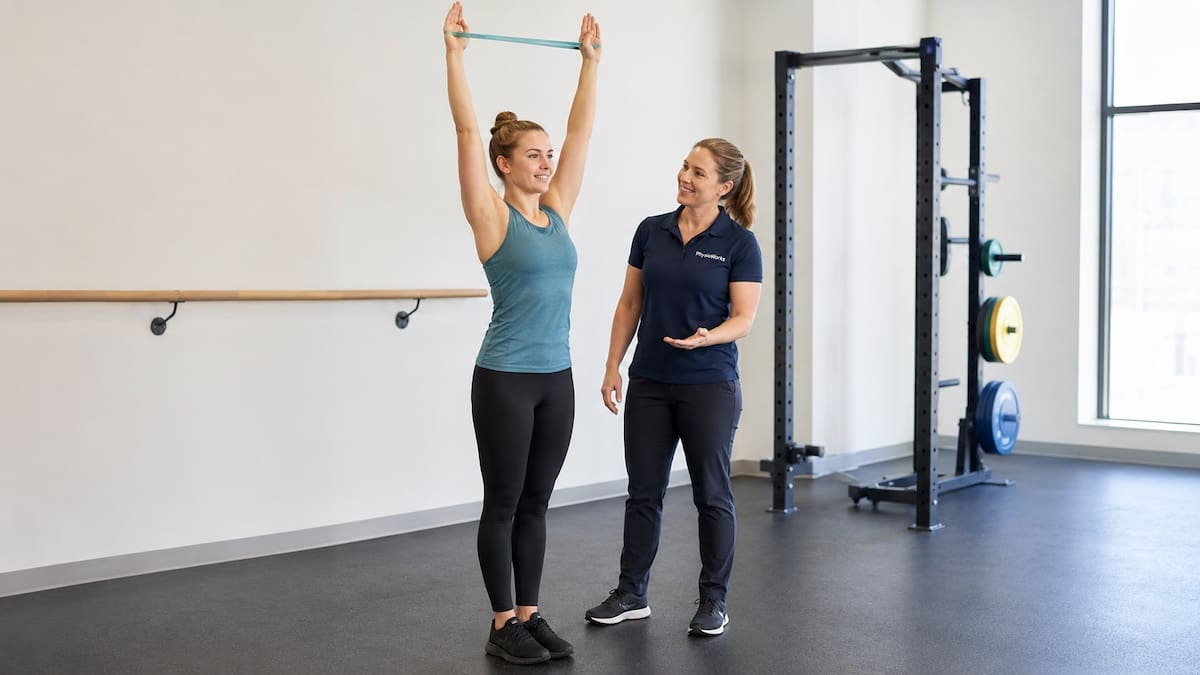
How Can Springboard and Platform Diving Injuries Be Prevented?
Injury prevention should combine good coaching, suitable progression, physical preparation and adequate recovery.
- increase training volume gradually
- monitor the number of full water entries
- vary drills where possible
- maintain wrist and shoulder strength
- build trunk endurance and spinal control
- maintain hip, hamstring and ankle mobility
- develop take-off strength progressively
- stop when fatigue changes technique
- progress complex dives under qualified coaching
- manage dry-land and water-training loads together
- address pain early rather than compensating
- allow appropriate recovery between sessions
When Can a Diver Return to Training?
Return depends on the body region, injury severity and event demands. A diver may return to selected drills before resuming full-height entries or difficult dives.
Before returning to unrestricted diving, the athlete should generally be able to:
- complete daily activities without significant pain
- move the injured area through the required range
- perform dry-land drills with control
- hold the arms overhead without pain or instability
- tolerate wrist loading and entry preparation
- complete take-offs and jumps confidently
- perform pike, tuck and straight positions as required
- complete lower-height entries before progressing
- recover normally after training
- maintain technique as fatigue develops
The final progression should involve the diver, physiotherapist, coach and medical team where relevant.
When Should a Diver Seek Medical Care?
Seek urgent medical assessment after a diving incident involving:
- loss of consciousness
- severe headache or repeated vomiting
- neck pain with weakness or numbness
- confusion or poor coordination
- suspected fracture or dislocation
- significant breathing difficulty
- persistent visual disturbance
- severe or worsening spinal pain
Persistent wrist, shoulder or lower-back pain also deserves assessment when it affects technique, training volume, sleep or normal daily activity.
Frequently Asked Questions
What Are the Most Common Competitive Diving Injuries?
The most frequently reported areas are the lower back, shoulder, wrist and hand. Divers may also experience neck, elbow, knee, ankle and head injuries. Many problems develop through repetitive training, while others occur during take-off or water entry.
Why Do Divers Get Wrist Pain?
The hands and wrists contact the water first during a head-first entry. Repeated loading, wrist extension and poor entry alignment may irritate joints, tendons, ligaments or bone. Adolescent divers may also develop growth-plate injuries.
Why Do Divers Develop Lower-Back Pain?
Diving repeatedly uses spinal extension, flexion and rotation. Dry-land drills, pike positions, twisting and entry forces may overload the lumbar spine, especially when training volume rises faster than physical capacity.
Are Platform Divers Injured More Often Than Springboard Divers?
Injury patterns can differ between platform and springboard divers. Greater height and faster water entry may increase some physical demands, although training volume, dive selection, technique, age and individual capacity also affect injury risk.
Can a Diver Train With Wrist or Shoulder Pain?
Some modified training may remain appropriate, but the diver should not repeatedly practise painful entries or drills that change technique. Early assessment can help identify suitable alternatives while the injured area recovers.
How Long Does a Competitive Diving Injury Take to Recover?
Recovery varies widely. A mild strain may improve within several weeks, while a bone stress injury, growth-plate injury, instability or significant spinal problem can take considerably longer. Return should depend on function rather than time alone.
Related PhysioWorks Guides
- Water Sports Injuries
- Sports Injuries
- Back Pain
- Shoulder Pain
- Hand and Wrist Pain
- Neck Pain
- Knee Pain
- Ankle Pain
- Concussion Return to Sport
What to Do Next
A physiotherapist can assess the injured area, review diving-specific loads and help plan a graded return to springboard or platform training.
Book an assessment when pain persists, affects technique, reduces training tolerance or returns each time diving volume increases.
Choose your clinic and appointment pathway
Select a PhysioWorks clinic to continue to live booking, an appointment request or reception assistance.


References
- Currie BM, Hetherington M, Waddington G, et al. Injury epidemiology in male and female competitive diving athletes: a four-year observational study. J Sci Med Sport. 2024;27(12):849-855. doi:10.1016/j.jsams.2024.08.204
- Currie BM, Drew MK, Hetherington M, et al. Diving into the health problems of competitive divers: a systematic review of injuries and illnesses in pre-elite and elite diving athletes. Sports Health. 2025;17(3). doi:10.1177/19417381241255329
- Wang X, Wang M, Zhang M. Attention to competitive diving injuries: a systematic review. Med Nov Technol Devices. 2024;23:100316. doi:10.1016/j.medntd.2024.100316
- Zhang C, Shen S, Qiu L, Wang L, Zeng X, Zhou Q. Overuse wrist injuries in adolescent platform and springboard divers. Res Sports Med. 2023;31(3):273-284. doi:10.1080/15438627.2021.1966009
