
General Health Tips


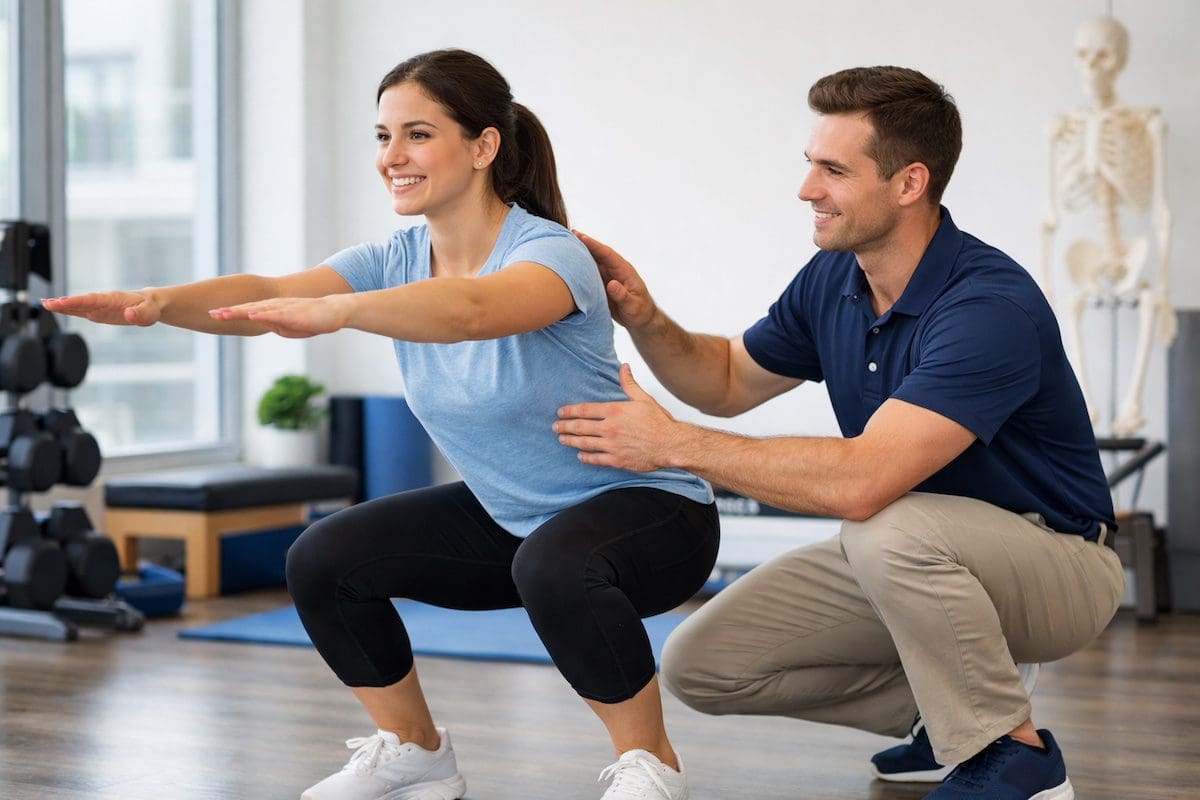
Guided exercise for better health
General health tips focus on the daily habits that influence your energy, pain levels, fitness, and long-term wellbeing. Small, consistent choices around movement, nutrition, sleep, and stress can have a powerful impact on how your body and mind function.
Most preventable health problems are linked to lifestyle habits. Improving just one or two areas can make a noticeable difference. If you are managing a condition such as diabetes, these habits become even more important for day-to-day control and long-term health.
- Move your body most days of the week
- Eat balanced meals and manage portion sizes
- Prioritise sleep and recovery
- Manage stress and mental load
- Avoid smoking and limit alcohol intake
PhysioWorks clinics can also guide you with exercise programs, nutrition advice, and healthy ageing strategies.
Quick Start for Better Health
- Walk or exercise most days
- Build meals around whole foods
- Aim for steady sleep habits
- Drink water through the day
- Act early if pain or fatigue is building
What are general health tips?
General health tips are simple daily habits that help your body and mind function well together. They include regular exercise, balanced nutrition, good sleep, hydration, stress control, and avoiding harmful habits such as smoking. These fundamentals support recovery, performance, and long-term health.
Physical and mental health are closely linked. Poor sleep, inactivity, or stress can increase pain, reduce energy, and affect mood. On the other hand, consistent healthy routines can improve resilience, movement, and overall wellbeing.
Why do general health tips matter?
General health tips matter because your daily routine directly affects your long-term health. Consistent habits influence weight, blood sugar control, cardiovascular fitness, joint health, and mental wellbeing. Even small improvements can reduce the risk of many chronic conditions.
Importantly, good habits also help prevent injuries and support recovery. Structured movement and load management can reduce strain on joints, muscles, and tendons while improving function.
Key takeaway: Better health usually comes from repeatable daily habits, not short bursts of effort. A simple routine is easier to maintain and often produces better long-term results.
How does exercise support your health?
Exercise supports your health by improving strength, mobility, cardiovascular fitness, and mental wellbeing. It also plays a key role in injury prevention and rehabilitation. Well-structured exercise helps your body tolerate load and move more efficiently.
You do not need an extreme program to benefit. Walking, strength training, balance work, and guided exercise programs can all improve health outcomes. A physiotherapist can also help tailor a program to your needs and goals.
How can healthy eating improve your wellbeing?
Healthy eating improves wellbeing by supporting energy levels, recovery, immune function, and weight management. A balanced diet usually includes fruit, vegetables, whole grains, lean proteins, and healthy fats.
Controlling portion sizes and reducing highly processed foods can also help. If you need structured guidance, a dietitian can assist with personalised nutrition planning.
Why is sleep important for general health?
Sleep is essential for recovery, hormone regulation, and mental function. Poor sleep can increase pain sensitivity, fatigue, and stress levels. It may also affect appetite and concentration.
Simple changes such as a consistent bedtime, limiting screen time, and managing caffeine intake can improve sleep quality. You can also explore strategies for sleep and pain management if discomfort is affecting your rest.
How does stress affect your health?
Stress affects both physical and mental health. Ongoing stress can increase muscle tension, disrupt sleep, reduce recovery, and contribute to fatigue and pain. It may also affect motivation and daily habits.
Managing stress through movement, relaxation, structured routines, and time away from screens can help restore balance. Exercise is one of the most effective tools for managing stress.
Why is hydration important?
Hydration supports circulation, temperature control, joint health, and overall body function. Even mild dehydration can affect energy, concentration, and physical performance.
Regular water intake throughout the day is a simple way to support overall health. Needs vary depending on activity levels, climate, and individual factors.
What if you have diabetes or a chronic condition?
If you have a long-term condition such as diabetes, healthy habits remain essential but often require closer monitoring. Exercise, nutrition, sleep, and medication adherence all play a role in managing symptoms.
Maintaining stable blood glucose levels, staying active, and seeking early advice can improve outcomes and reduce complications.
How do you stay consistent with healthy habits?
Consistency is more important than intensity. Start with small, realistic changes and build from there. Habits are easier to maintain when they fit into your daily routine.
Setting clear goals, tracking progress, and seeking guidance can improve long-term success. Support from health professionals can also help keep you on track.
When should you seek professional help?
You should seek professional help if your health, pain, sleep, or fitness is affecting daily life. Early advice can help you address issues before they become more complex.
A physiotherapist, exercise physiologist, or dietitian can help you build a structured and practical plan tailored to your needs.
Related information
- Smoking and back pain
- Diet and nutrition
- Exercise and fitness programs
- Healthy ageing support
- Sleep health and pain management
- Diabetes advice
What to do next
If you want to improve your health, start with one or two simple changes this week. Focus on consistency rather than perfection.
If pain, fatigue, poor sleep, or a health condition is limiting your progress, professional guidance can help you move forward with a clear plan.
Simple Weekly Health Habits
- Schedule exercise into your week
- Prep a few healthy meals in advance
- Keep a regular sleep and wake time
- Use short breaks to reduce stress load
- Book help early if progress stalls
General Health Tips FAQs
What are the most important general health tips?
The most important general health tips are to stay active, eat balanced meals, sleep well, avoid smoking, manage stress, and seek help early when problems are affecting daily life. These habits support both physical and mental wellbeing.
How much exercise do most adults need?
Most adults benefit from regular weekly exercise that includes aerobic activity, strength work, and mobility or balance training. The right amount varies depending on age, fitness, injury history, and medical conditions.
Can poor sleep affect physical health?
Yes. Poor sleep can affect pain, mood, recovery, concentration, immune function, and appetite. Over time, it may also make it harder to manage exercise, stress, and weight.
Why is smoking bad for overall health?
Smoking affects circulation, healing, heart and lung health, and general fitness. It also increases the risk of many chronic health problems and can negatively affect musculoskeletal recovery.
Should people with diabetes follow different health advice?
People with diabetes usually follow the same healthy lifestyle principles, but they often need closer monitoring of blood glucose, food intake, exercise, and medication. Personalised medical advice is important.
When should I get professional help for my health?
You should get professional help if symptoms, fatigue, poor sleep, pain, or difficulty managing a condition are affecting daily life. Early advice can help you make practical changes and avoid bigger setbacks.
Can allied health help with general health goals?
Yes. Allied health professionals may help with exercise planning, pain management, healthy ageing, mobility, nutrition, and recovery. The best support depends on your goals and health needs.
Choose your clinic and appointment pathway
Select a PhysioWorks clinic to continue to live booking, an appointment request or reception assistance.


References
- World Health Organization. Physical activity. Updated June 26, 2024.
- World Health Organization. Healthy diet. Updated October 9, 2024.
- Centers for Disease Control and Prevention. Cigarette Smoking. Reviewed January 17, 2024.
- Healthdirect Australia. Sleep. Accessed March 23, 2026.
