
Cervical Facet Joint Pain


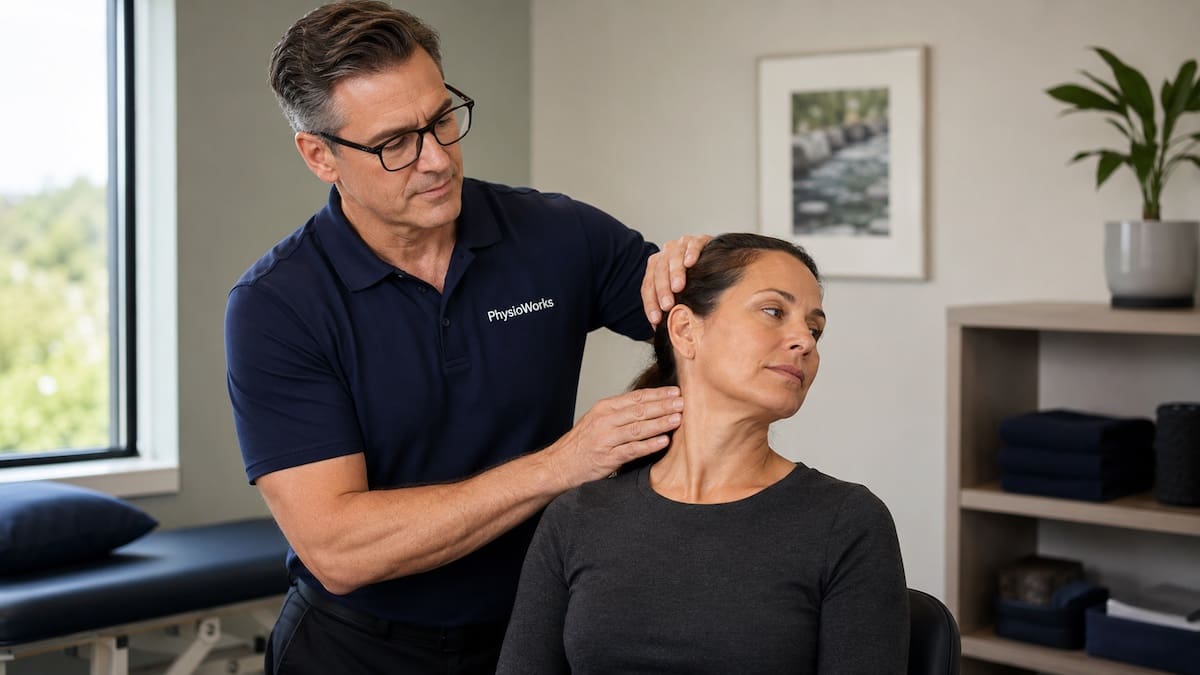
Cervical facet joint pain can cause sharp, catching or stiff pain on one side of the neck. Symptoms often feel worse when you turn your head, look up, reverse the car or hold your neck in one position for too long.
The cervical facet joints are small joints at the back of the neck. They help guide movement between the vertebrae. A joint that becomes irritated, sensitive or stiff may contribute to pain, protective muscle spasm and reduced movement.
This guide explains common symptoms, possible causes, assessment and treatment. Arm pain, pins and needles, numbness or weakness may suggest another problem, such as cervical radiculopathy or another form of neck and arm pain.
Cervical Facet Joint Pain: Key Points
- Symptoms often affect one side of the neck.
- Turning, looking up or sustained sitting may increase pain.
- Pain may spread towards the shoulder blade, upper shoulder or head.
- Facet joint pain does not usually cause true arm numbness or weakness.
- Assessment helps rule out nerve, disc and other causes of neck pain.
- Treatment commonly combines education, movement and exercise.
What Is Cervical Facet Joint Pain?
Cervical facet joint pain is one possible source of neck pain. The facet joints sit in pairs at the back of each cervical vertebra. They guide neck movement and help share load through the spine.
Symptoms may begin after an awkward movement, sustained posture, sudden twist, minor strain or a more forceful event such as whiplash. Some episodes develop gradually without one clear injury.
Pain often feels one-sided and movement-related. Turning, side-bending or looking upwards may reproduce the familiar pain.
What Causes Cervical Facet Joint Pain?
Facet joint symptoms may develop when a joint becomes irritated, sensitive or less mobile. In many cases, several factors contribute rather than one isolated cause.
- Sleeping with the neck in an awkward position
- Holding one position for extended periods
- Repeated desk, device or driving postures
- High or sudden neck loads during work, sport or gym activity
- Protective muscle spasm around a painful joint
- Previous neck injury, including whiplash
- Age-related changes such as cervical spondylosis
- Inflammatory or systemic conditions requiring medical assessment
Facet joint irritation may occur alongside muscle pain, headache, disc-related pain or nerve sensitivity. A clinical assessment helps identify which features appear most relevant.
What Can a “Locked” Facet Joint Feel Like?
People often use the phrase “locked facet joint” to describe sudden pain and a strong restriction in one direction. The neck may feel unable or unwilling to turn normally.
This does not necessarily mean that a joint is physically out of place. Pain, joint sensitivity and protective muscle spasm can all create a blocked feeling.
The episode may follow a quick movement, cough, sneeze or awkward sleep position. Similar sudden stiffness can occur with an acute wry neck.
What Symptoms Can Cervical Facet Joint Pain Cause?
- Local pain on one side of the neck
- Stiffness or a clear restriction in one movement
- Sharp or catching pain with turning or looking up
- Pain towards the shoulder blade or upper shoulder
- Muscle tightness or spasm around the painful area
- Symptoms during driving, desk work or sustained sitting
- Headache that begins in the upper neck
Upper cervical joints can refer pain towards the head. This referral pattern may contribute to a neck-related headache, also called a cervicogenic headache.
Is It Facet Joint Pain or Nerve Pain?
Facet joint pain usually feels local, stiff and linked to neck movement. It may spread towards the shoulder blade or head, but it does not usually cause true neurological symptoms.
- Possible facet pattern: local neck pain, stiffness, catching, headache or shoulder blade referral.
- Possible nerve pattern: arm pain, pins and needles, numbness, weakness or altered reflexes.
- Urgent assessment: progressive weakness, unsteady walking, major trauma, fever or a severe new headache.
How Do Physiotherapists Assess Cervical Facet Joint Pain?
Physiotherapists assess neck pain by combining your history, symptom behaviour and physical examination. No single movement or hands-on test proves that a facet joint is the only source of pain.
Your physiotherapist may examine:
- neck movement range and symptom response
- which directions feel restricted or painful
- joint and surrounding muscle sensitivity
- upper-back and shoulder blade movement
- deep neck muscle control
- arm strength, sensation, reflexes and nerve sensitivity when required
- work, driving, sleep, gym and sporting loads
Do You Need an X-Ray, CT Scan or MRI?
X-ray, CT or MRI can help investigate arthritis, injury and other causes of neck pain. However, imaging alone does not reliably confirm whether a cervical facet joint is the main source of symptoms.
Your history, movement findings and neurological screening remain important. Imaging or medical referral may be appropriate after significant trauma, when serious disease is suspected, when neurological symptoms progress or when symptoms do not follow the expected course.
For persistent pain being considered for an injection or radiofrequency procedure, a medical specialist may use diagnostic medial branch blocks as part of the assessment process.

What Treatment Helps Cervical Facet Joint Pain?
Treatment aims to settle symptoms, restore comfortable movement and improve your capacity for work, driving, exercise and daily activities.
Your plan should match your symptoms and clinical findings. It may include:
- Education: understanding the likely pain pattern and how to keep moving safely.
- Gentle movement: comfortable neck and upper-back movement to reduce guarding and stiffness.
- Exercise rehabilitation: deep neck control, shoulder blade strength and upper-back mobility.
- Manual therapy: appropriate joint or soft-tissue techniques may provide short-term symptom relief for some people.
- Load management: temporarily modifying repeated movements or sustained positions that trigger a flare.
- Workstation changes: adjusting screen height, chair position and movement-break timing.
- Graded return: rebuilding work, gym and sport demands in manageable stages.
Research suggests that a combined program of exercise, education and appropriate manual therapy may help some people with mechanical neck pain. Treatment should match the individual presentation rather than rely on one technique alone.
How Does Rehabilitation Progress?
1. Settle Irritation
Main goal: Reduce pain and protective muscle guarding.
Common strategies include comfortable movement, brief posture changes and heat or cold when it provides relief.
2. Restore Movement
Main goal: Improve comfortable neck and upper-back movement.
Rehabilitation may include gradual rotation, side-bending and thoracic mobility exercises.
3. Build Control
Main goal: Improve support and movement endurance.
Exercises may target deep neck muscles, shoulder blade control and postural endurance.
4. Return to Normal Loading
Main goal: Reduce future flare-ups and rebuild confidence.
Work, driving, gym and sport loads can increase gradually as movement becomes easier.
What Can You Do at Home?
Self-care should help calm symptoms without encouraging prolonged rest or fear of movement. Gentle and regular movement is often more useful than holding the neck still for hours.
- Take brief movement breaks during desk work or driving.
- Practise gentle neck rotation within a comfortable range.
- Use heat or a short cold pack if it settles symptoms.
- Choose a pillow height that keeps your neck reasonably neutral.
- Avoid repeatedly testing the most painful movement during a flare.
- Keep walking and continue comfortable daily activities.
- Increase gym, work and sporting loads gradually.
Keep moving, but keep the movement calm.
Reduce the range if an exercise repeatedly causes sharp pain. A physiotherapist can help you decide how to progress movement safely.
Can Massage, Dry Needling or Acupuncture Help?
Some people use supportive treatments alongside exercise and movement rehabilitation. These may include neck massage or dry needling.
These approaches may help reduce surrounding muscle tension or provide short-term symptom relief for some people. They usually work best as part of a broader plan that restores movement, strength and normal activity.
When Are Medical Procedures Considered?
Persistent neck pain does not automatically require an injection or procedure. Medical review may be appropriate when symptoms remain significant despite suitable conservative care or when the diagnosis remains uncertain.
For suspected facet-mediated pain, medical options may include diagnostic medial branch blocks. Radiofrequency neurotomy may be considered for selected people who meet specialist assessment criteria and respond appropriately to diagnostic procedures.
A pain specialist or other medical practitioner should explain the potential benefits, limitations and risks.
How Long Does Cervical Facet Joint Pain Take to Improve?
Recovery time varies. A recent episode linked to stiffness or minor overload may settle relatively quickly. Longer-lasting symptoms may require a more gradual rehabilitation plan.
Recovery can depend on:
- how long symptoms have been present
- the level of movement restriction and sensitivity
- work, driving and sporting demands
- sleep and recovery
- associated headache, muscle or nerve symptoms
- confidence with movement
- general health and previous neck problems
Improvement is not always perfectly linear. A temporary flare does not necessarily mean that the neck has been damaged again.
When Should You Seek Urgent Medical Care?
Seek urgent medical care if neck pain follows major trauma or occurs with:
- progressive arm or leg weakness
- significant or spreading numbness
- new difficulty walking or poor balance
- loss of hand coordination
- fever or feeling seriously unwell
- unexplained weight loss
- a severe new or unusual headache
- new problems with bladder or bowel control
- speech, facial, visual or other sudden neurological changes
Call emergency services if symptoms suggest a serious or rapidly developing medical problem.
FAQs About Cervical Facet Joint Pain
What does cervical facet joint pain feel like?
Cervical facet joint pain often feels local and one-sided. It may feel sharp, stiff or catching when you turn your head, side-bend or look up. Some people also notice pain towards the shoulder blade or muscle spasm around the sore area.
Can a “locked” facet joint cause sudden neck stiffness?
A painful or sensitive facet joint can contribute to sudden stiffness and a blocked feeling. However, the term “locked” does not necessarily mean that the joint is physically out of place. Pain and protective muscle spasm can restrict movement.
Can cervical facet joint pain cause headaches?
Upper cervical joints can refer pain towards the head. This may feel like a headache that begins in the neck and increases with stiffness, posture stress or repeated neck movement.
How does a physiotherapist assess facet joint pain?
A physiotherapist reviews your symptoms, movement, joint sensitivity and functional triggers. They may also assess strength, sensation, reflexes and nerve sensitivity to rule out other causes. No single physical test confirms the diagnosis by itself.
What treatment helps cervical facet joint pain?
Treatment may include education, gentle movement, exercise rehabilitation, load management and appropriate manual therapy. The best plan depends on the clinical findings, symptom behaviour and activities you need to return to.
When should I worry about neck pain?
Seek urgent medical care after major trauma or if you develop progressive weakness, significant numbness, unsteady walking, fever, unexplained weight loss, loss of coordination or a severe new headache.
What to Do Next
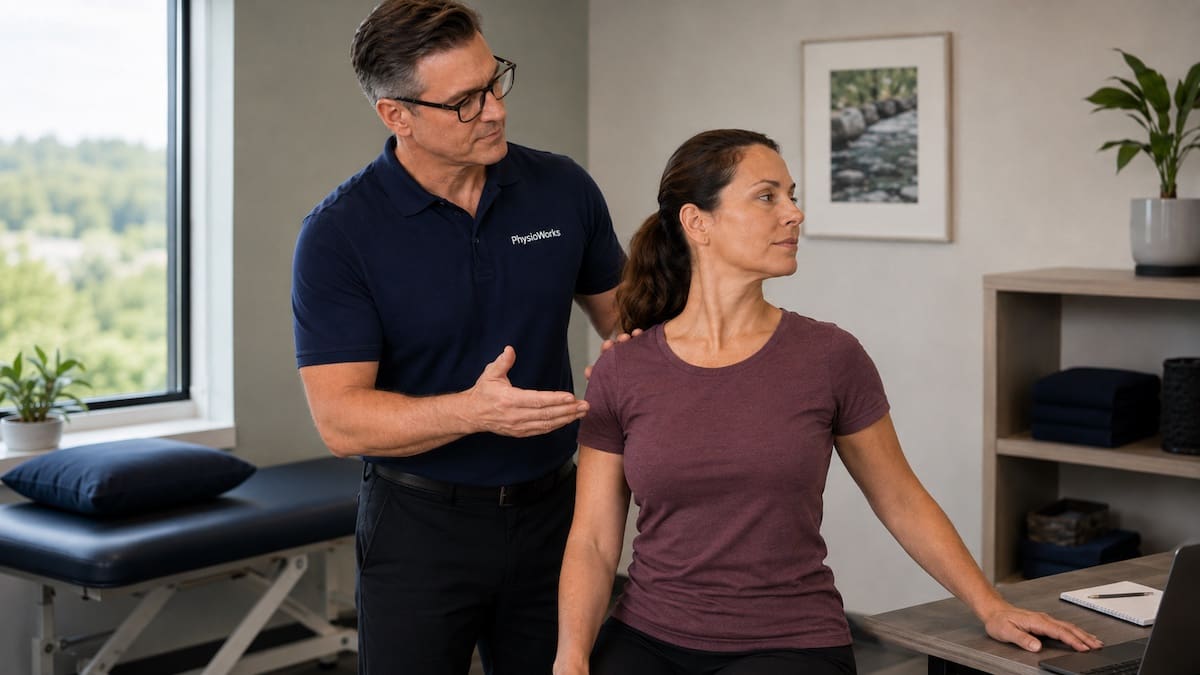
Consider a physiotherapy assessment if neck pain keeps returning, significantly limits movement or reliably causes sharp pain when you turn your head.
Your physiotherapist can assess whether a facet joint pattern appears likely, screen for nerve or other causes and develop a rehabilitation plan for your work, driving, exercise and daily activities.
Choose your clinic and appointment pathway
Select a PhysioWorks clinic to continue to live booking, an appointment request or reception assistance.
Neck Products
These neck products are commonly used by our physiotherapists to improve strength, posture, movement, plus assist home exercise programs.
-
-
- Christmas Gift Ideas, Neck, Pillows/Cushions
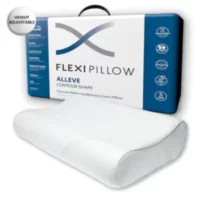
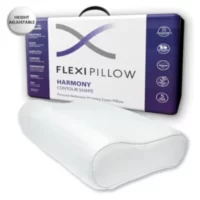
FlexiPillow Alleve Pillow
$109.95Add to cartQuick View -
 Ice & Heat, Pain Management, Uncategorized
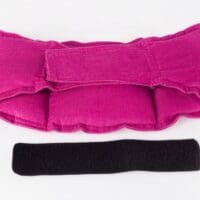
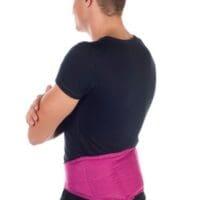
PhysiPak Universal Heat pack
$79.00Select optionsQuick View -


-

 Back, Exercise Equipment, Neck, Resistance Band
66Fit Over Door Neck Traction Unit
$63.00Add to cartQuick View -


-
-

- Liniments & Gels, Massage Liniments, Pain Management
Fisiocrem
$16.95 – $39.95Select optionsQuick View -
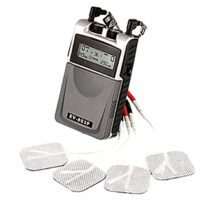
- EMS Machines, Pain Management, TENS Machine, TENS Machine & EMS
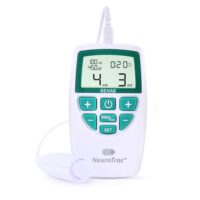
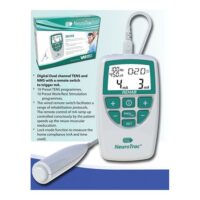
NeuroTrac Rehab (TENS Machine + EMS)
$285.00Add to cartQuick View -









References
- Reynolds B, et al. Manual physical therapy for neck disorders: an umbrella review. 2024.
- Garzonio S, Arbasetti C, Geri T, Testa M, Carta G. Effectiveness of specific exercise for deep cervical muscles in nonspecific neck pain: a systematic review and meta-analysis. Phys Ther. 2022.
- Manchikanti L, Kaye AD, Manchikanti KN, et al. Effectiveness of radiofrequency neurotomy as a therapeutic cervical facet joint intervention in managing chronic neck pain: a systematic review and meta-analysis. 2022.
- Suer M, Wahezi SE, Abd-Elsayed A, Sehgal N. Cervical facet joint pain and cervicogenic headache treated with radiofrequency ablation: a systematic review. Pain Physician. 2022.