- Description
- Additional information
Description
Head Laser for Neck Pain
Targeted Neck Proprioception and Pain Management
Supporting Physiotherapists and Patients
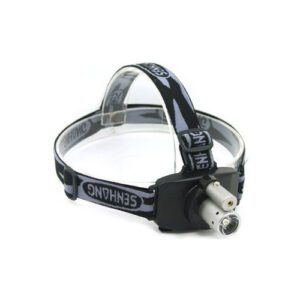
Research highlights the role of neck proprioception in persistent neck pain, headaches, and cervicogenic dizziness. Impaired cervical sensorimotor control is commonly identified in people with ongoing neck symptoms and may contribute to pain, dizziness, and movement inaccuracy.¹ The Head Laser, also known as a neck laser, provides a practical way to assess and train cervical proprioception within physiotherapy programs. Physiotherapists commonly use it to guide movement accuracy, improve motor control, and support recovery.
Home-Based Proprioception Training
Much like a wobble board is used for ankle instability, this head-mounted laser pointer supports retraining of neck position sense. Patients can complete structured exercises at home, reinforcing clinic-based treatment. Common applications include cervical motor control tasks, stabilisation exercises, mobility drills, sensory-motor training, angle reproduction testing, and postural or balance-based activities.
Designed for Clinical Use and Home Programs
The Head Laser includes a rechargeable USB adaptor, making it suitable for repeated clinical and home use. The adjustable head strap allows secure placement during assessment and exercise, helping guide controlled neck movement. Physiotherapists can integrate this device into rehabilitation programs to support precision, feedback, and consistency across sessions.
A Practical Tool for Neck Rehabilitation
The Head Laser offers a structured way to address neck proprioception deficits as part of a broader physiotherapy plan. It supports both assessment and exercise-based care, helping bridge the gap between clinic treatment and home practice.
Related Articles
- Neck Pain: Causes, Symptoms, and Physiotherapy Care
- Cervicogenic Dizziness and Neck-Related Vertigo
- Neck Strengthening and Proprioception Exercises
Reference
¹ Treleaven J. Dizziness, unsteadiness, visual disturbances, and sensorimotor control in traumatic neck pain. Journal of Orthopaedic & Sports Physical Therapy. 2017;47(7):492-502.
PubMed
Additional information
| Weight | 0.5 kg |
|---|---|
| Dimensions | 10 × 10 × 15 cm |