Massage Brisbane
Massage in Brisbane
Remedial, deep tissue, sports and relaxation massage at selected PhysioWorks Brisbane clinics.
PhysioWorks offers massage within collaborative healthcare clinics at Ashgrove, Clayfield and Sandgate. Treatment can be adjusted to your comfort, goals and preferred pressure, while physiotherapy assessment is available when pain, injury or movement problems need further investigation.
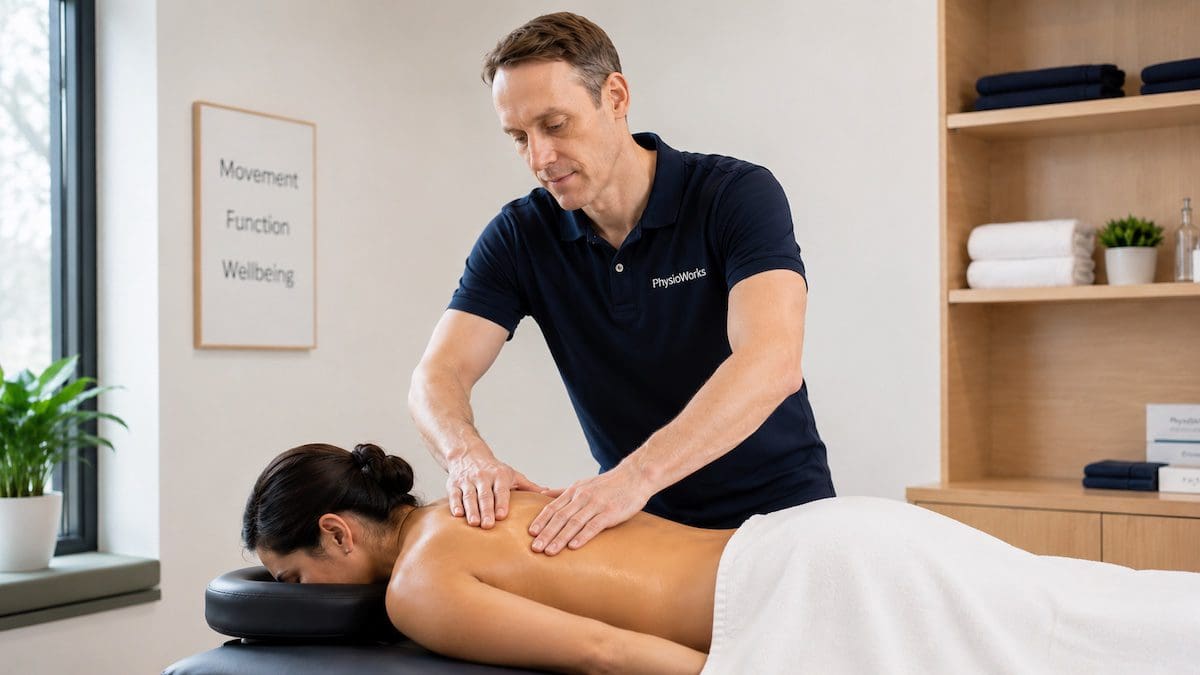
Targeted remedial massage may help reduce muscle tension and support recovery.
Book a Massage Appointment
Massage is available at selected PhysioWorks clinics. Choose your preferred clinic to view current booking options.
Which Type of Massage Should You Choose?
The best massage style depends on why you are booking, the areas you want treated and how much pressure you prefer.
Remedial Massage
Targeted soft tissue treatment for specific tight, sore or overloaded areas. Your therapist can adjust the treatment according to your symptoms and comfort.
Deep Tissue Massage
Firmer, more focused massage for people who prefer sustained pressure through tight or overloaded muscles where appropriate.
Sports Massage
Massage for active people managing training loads, muscle soreness, recovery or sport-related muscular tension.
Relaxation Massage
Gentler massage when comfort, general muscle tension and relaxation are the main priorities.
Who May Massage Suit?
People choose massage for different reasons. Your therapist will discuss your goals and adjust the treatment area, pressure and technique rather than using the same approach for everyone.
Muscle tension
Massage may help reduce tightness or soreness through areas such as the neck, shoulders, back and limbs.
Exercise recovery
Active people may use massage to manage muscle soreness and support recovery between training or activity sessions.
Work-related discomfort
Massage may help ease muscle tension associated with desk work, lifting or repeated physical tasks.
Relaxation
Gentler treatment may help reduce physical tension and support relaxation when this is your main goal.
Massage can also form part of broader care for concerns such as back pain, neck pain or shoulder pain. Persistent, worsening or unexplained symptoms may need physiotherapy or medical assessment.
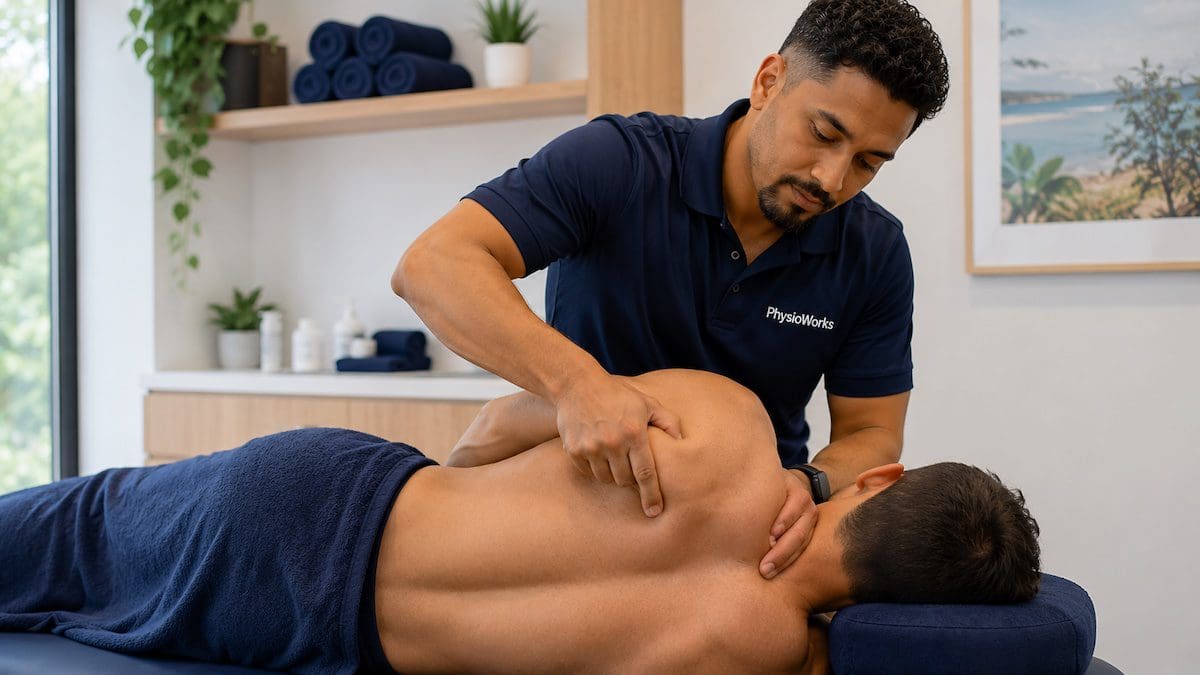
Pressure and treatment techniques can be adjusted to suit your comfort and goals.
What Happens During a Massage Appointment?
Your massage therapist will first ask why you are attending, which areas you would like treated and what pressure you prefer. They may also ask about injuries, recent surgery, medications or health conditions that could affect treatment.
Your massage may use broad or targeted hands-on techniques depending on your goals. These can include gliding or kneading techniques, sustained pressure, trigger point work, myofascial techniques or gentle assisted movement when appropriate.
How Long Should You Book?
Appointment length depends on how many areas you would like treated and whether your goal is focused treatment or a broader massage session.
30 Minutes
May suit one focused area, such as the neck, shoulders, lower back or legs.
45 to 60 Minutes
May suit two or more areas or a broader treatment session.
60 to 90 Minutes
May suit several body regions, broader recovery goals or a longer relaxation massage.
Your therapist can discuss the most appropriate duration for future appointments after considering your goals and response to treatment.
Where Can You Book Massage in Brisbane?
Massage is available at selected PhysioWorks Brisbane clinics. Choose a clinic according to location, therapist and the massage service you want.
Ashgrove Massage
Massage services for Ashgrove, The Gap, Bardon and nearby inner-west Brisbane suburbs.
Clayfield Massage
Massage services for Clayfield and nearby inner-north Brisbane suburbs.
Sandgate Massage
Massage services for Sandgate, Brisbane’s bayside and surrounding northern suburbs.
You can also use the Brisbane massage clinic guide to compare locations and massage pathways.
Should You Choose Massage or Physiotherapy?
Massage may be appropriate when muscle tension, soreness, recovery or relaxation is your main concern. Physiotherapy may be a better first step when you need assessment of an injury, persistent pain or altered movement.
Massage may suit you when
- You want hands-on treatment for tight or sore muscles.
- You are managing muscular soreness around training or exercise.
- You prefer massage for general muscle tension.
- Relaxation is one of your main goals.
Consider physiotherapy first when
- You have a new injury that needs assessment.
- Pain is severe, worsening or limiting normal movement.
- You have new numbness, weakness or symptoms travelling into an arm or leg.
- You are unsure what is causing your symptoms.
When Should Massage Be Modified or Postponed?
Tell your therapist about relevant medical conditions, pregnancy, anticoagulant medicines, recent surgery, fractures, skin conditions or current cancer treatment before massage. Treatment position, pressure and the area treated can usually be adjusted where appropriate.
Brisbane Massage Therapists
PhysioWorks massage therapists provide services according to their current clinical location and appointment offering. Use the therapist information below to compare your options, then follow the approved booking pathway for your chosen clinic or therapist.
Remedial Massage Therapists
Our remedial massage therapists help relieve muscle tension, improve flexibility, reduce soft tissue pain, and support recovery from training loads, desk posture, and everyday physical stress.
Debbie Cox

Ashish Shrestha

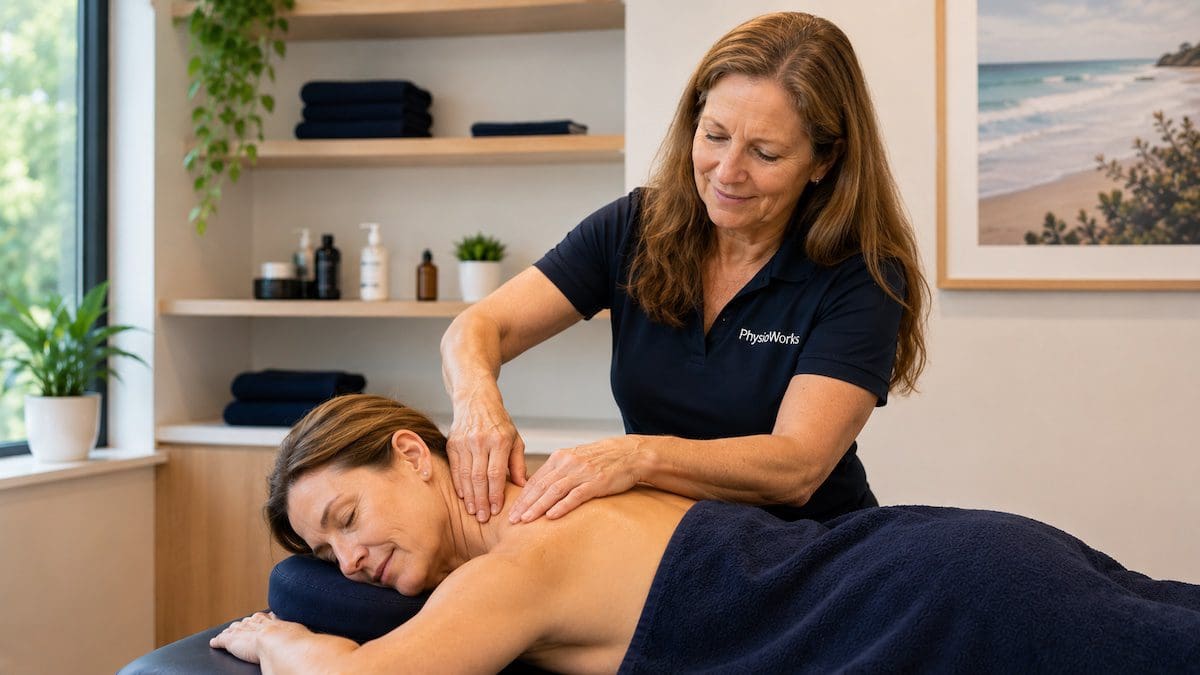
Gentler massage techniques may suit people whose priorities are comfort and relaxation.
What Should You Do Next?
Choose the massage style, clinic and appointment length that best match your goals. If you are unsure which therapist or massage service to select, start with your preferred clinic and use the available booking options to compare your choices.
Massage Therapy FAQs
Does massage therapy help back pain?
Massage may help some people with back pain by reducing muscle tension and improving comfort with movement. Depending on the cause and duration of symptoms, movement, exercise or physiotherapy assessment may also be useful.
What should I wear to a massage appointment?
Wear comfortable clothing. Your therapist will discuss clothing and draping according to the area being treated. Only the treatment area should be uncovered, and you can ask to remain partly clothed.
Is deep tissue massage supposed to hurt?
Deep tissue massage can feel firm or focused, but stronger pressure is not automatically more effective. Tell your therapist if the pressure becomes uncomfortable so they can adjust the treatment.
What is the difference between remedial and relaxation massage?
Remedial massage usually focuses on particular tight, sore or overloaded areas. Relaxation massage generally uses broader, gentler techniques when comfort and relaxation are the main goals.
Can I have a massage when I feel unwell or have a fever?
It is usually better to postpone massage when you have a fever, active infection or feel significantly unwell. Contact the clinic before your appointment if you are unsure.
How quickly will I notice a difference after massage?
Responses vary. Some people notice improved comfort soon after treatment, while others notice little immediate change. Temporary tenderness can occur after firmer massage.
References
- Mak S, Allen J, Begashaw M, et al. Use of massage therapy for pain, 2018–2023: a systematic review. JAMA Netw Open. 2024;7(7):e2422259.
- Chen PC, Wei L, Huang CY, et al. The effect of massage force on relieving nonspecific low back pain. Int J Environ Res Public Health. 2022;19(20):13191.
- Nemati D, Lauche R, Munk N. Massage therapy as a self-management strategy for musculoskeletal and chronic pain symptoms: a systematic review. J Integr Complement Med. 2024;30(4):319–335.
Massage Products
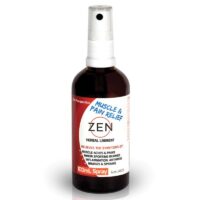
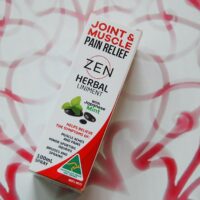
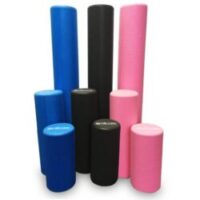
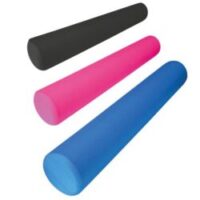
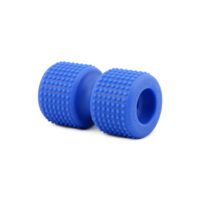
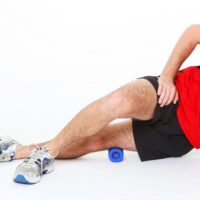
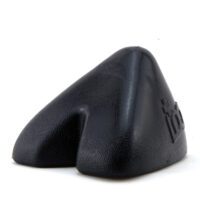
These muscle and soft tissue products are commonly used by our remedial massage therapists and physiotherapists to relax or loosen muscles.
-


-
-
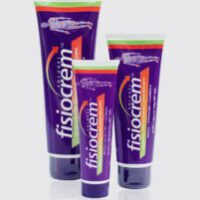
- Liniments & Gels, Massage Liniments, Pain Management
Fisiocrem
$16.95 – $39.95Select optionsQuick View -

-
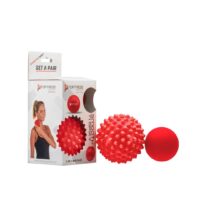 Exercise Equipment, Gift Ideas, Massage Tools
Smooth n Spiky Massage Balls (2 Pack)
$20.00Select optionsQuick View -
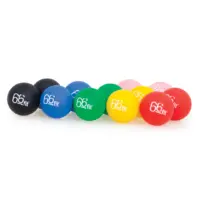
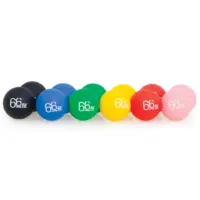
- Christmas Gift Ideas, Exercise Equipment, Gift Ideas, Massage Tools, Pain Management
Pocket Physio MAX
$24.95Select optionsQuick View -
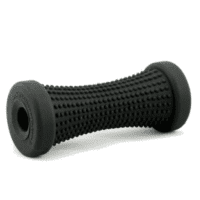
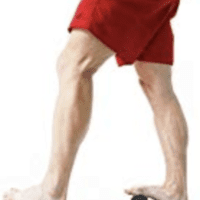 Gift Ideas, Christmas Gift Ideas, Exercise Equipment, Foot, Knee, Massage Tools, Pain Management
Footeez Lockeroom
$45.00Add to cartQuick View -
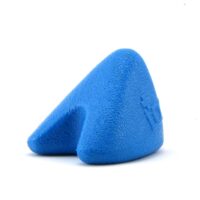
 Exercise Equipment, Back, Elbow, Foot, Massage Tools, Shoulder
Pocket Physio
$14.95Select optionsQuick View - Pain Management, Christmas Gift Ideas, Liniments & Gels, Product Search
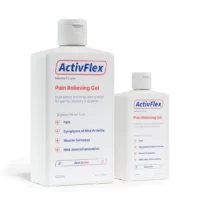
ActivFlex Pain Relief Gel
$27.95 – $42.95Select optionsQuick View