Deep Tissue Massage
Deep Tissue Massage Brisbane

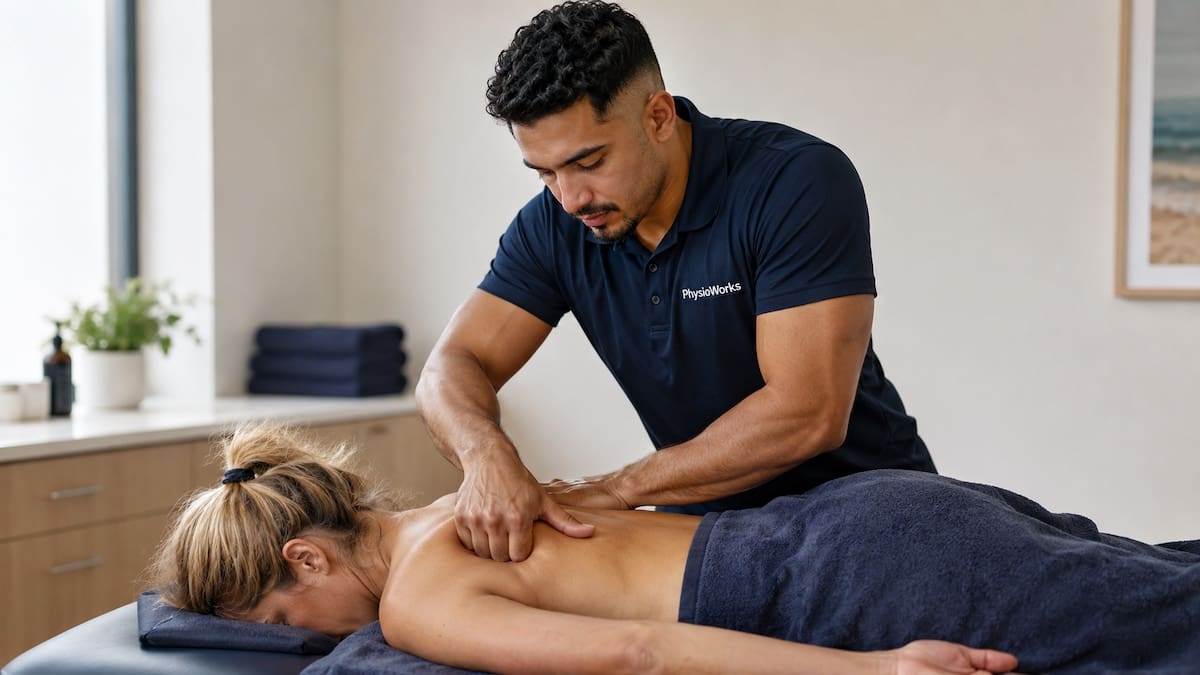
Deep tissue massage uses slow, controlled and generally firmer pressure to work through areas of muscular tightness. It may suit people who prefer more focused pressure for muscles that feel tight, overworked or stiff.
Is deep tissue massage right for you?
Deep tissue massage may be worth considering if you prefer firm, targeted massage rather than a lighter relaxation-focused treatment.
Muscular tightness
You may prefer targeted treatment for tight areas such as your upper back, shoulders, hips or legs.
Physical workload
Training, gym exercise, sport or manual work can leave muscles feeling tired, stiff or overloaded.
Postural tension
Long periods of sitting or repetitive work may contribute to muscular tightness around your neck, shoulders or back.
Firm pressure
Some people simply prefer a stronger and more focused massage style.
Training soreness
Massage may be useful when muscles feel tired or tight after repeated physical activity.
Focused treatment
Your therapist can concentrate on the areas that matter most to you rather than treating every region the same way.
Book a Massage Appointment
Massage is available at selected PhysioWorks clinics. Choose your preferred clinic to view current booking options.
What is deep tissue massage?
Deep tissue massage describes a firmer style of massage that uses slower, controlled pressure through muscles and surrounding soft tissues. It is commonly chosen when muscles feel tight, overworked or tender, or when someone prefers more focused pressure than a relaxation-based massage.
Deeper does not mean that treatment needs to be painful. Your therapist can vary the pressure, position and technique throughout the appointment according to the area being treated and how you respond.
What may deep tissue massage help with?
People commonly choose deep tissue massage when muscular tightness or stiffness is affecting comfort during work, exercise or everyday activity.
Massage therapy may provide short-term improvement in pain or comfort for some musculoskeletal problems. Individual responses vary, so massage is best considered as one possible part of managing muscular symptoms rather than a cure for an underlying condition.
Muscular tightness
Focused massage may help an area feel less tight or stiff for some people.
Movement comfort
Some people find movement feels more comfortable after treatment of tight or tender muscles.
Training and work load
Massage can provide a treatment option when muscles feel sore or overworked following physical activity.
Depending on your symptoms, massage may form part of a broader approach to problems such as back pain, neck pain or muscle pain.
What does deep tissue massage involve?
Your therapist will usually discuss the areas you want treated, your pressure preference and any relevant health or injury information before beginning.
During treatment, they may use slower strokes, sustained pressure or focused techniques over selected muscles and soft tissues. Pressure should remain appropriate for you and can be changed at any stage.
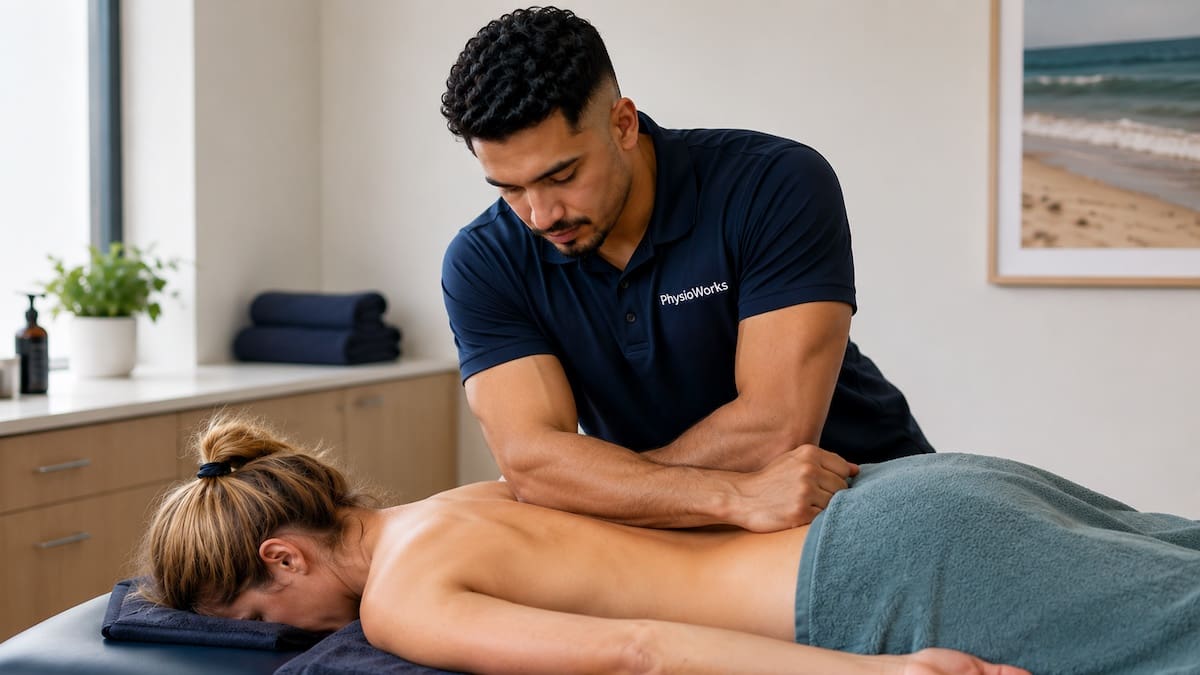
Deep tissue massage vs remedial massage
Deep tissue massage describes a firmer treatment approach. Remedial massage is a broader service that may involve assessment, treatment planning and a combination of massage techniques selected around your symptoms and goals.
The two approaches can overlap. A massage therapist may use firmer techniques during a remedial massage when appropriate rather than treating them as completely separate methods.
Deep tissue massage
Consider this option when you prefer firmer pressure and focused treatment of muscular tightness.
Remedial massage
Consider remedial massage when you want a broader assessment and treatment approach for a muscle or movement-related concern.
Swedish massage
Consider Swedish massage when you prefer lighter pressure and a more relaxation-focused massage experience.
Who may choose deep tissue massage?
There is no single type of person who needs deep tissue massage. Your pressure preference, symptoms and goals matter more than whether you belong to a particular group.
People who choose firmer massage may include gym-goers, recreational athletes, manual workers and office workers experiencing muscular tightness. Others simply find focused pressure more comfortable or useful than a lighter massage style.
If your needs relate more specifically to exercise or sporting load, you can also read about sports massage. For treatment focused on connective tissue and movement restrictions, see myofascial release massage.
Does deep tissue massage hurt?
Deep tissue massage can feel strong, particularly over a sensitive or tight area. However, stronger pressure is not automatically better.
Your massage should remain within a level that you can tolerate comfortably. Tell your therapist if the pressure feels excessive, sharp or unpleasant. They can reduce the pressure, change technique or move to another area.
How often should you have deep tissue massage?
There is no standard treatment frequency that suits everyone. How often you book depends on your goals, symptoms, physical workload, preferences and how you respond to treatment.
Your massage therapist can discuss whether another appointment is appropriate rather than following a fixed treatment schedule.
When may deep tissue massage not be appropriate?
Tell your therapist about your health history, medications and recent injuries before treatment. Massage may need to be modified, delayed or avoided in some circumstances.
If your symptoms suggest that massage is not the appropriate starting point, your therapist may recommend medical or physiotherapy assessment instead.
What should you expect after deep tissue massage?
Some people experience temporary tenderness or mild soreness after firmer massage. Others notice little post-treatment discomfort.
Gentle normal movement is usually reasonable after treatment. Your response can also help your therapist adjust pressure and technique at a future appointment.
If you develop unexpected or concerning symptoms after massage, seek appropriate medical advice rather than assuming they are a normal treatment response.
Which massage style should you choose?
Deep tissue massage
A firmer, focused option when you prefer stronger pressure for muscular tightness.
Remedial massage
A broader assessment and treatment approach for muscle and movement-related concerns.
Swedish massage
A lighter massage option when relaxation and gentler pressure are your priorities.
Massage Brisbane
Compare PhysioWorks massage services and find an option that matches your needs.
Deep tissue massage FAQs
What does deep tissue massage do?
Deep tissue massage uses slower, firmer pressure through selected muscles and surrounding soft tissues. Some people choose it to help manage muscular tightness, stiffness or discomfort.
Does deep tissue massage hurt?
It can feel strong, but treatment should remain within a manageable level of discomfort. Tell your therapist if the pressure feels excessive so they can adjust the treatment.
How often should you get a deep tissue massage?
There is no standard frequency. How often you book depends on your symptoms, goals, activity levels, preferences and response to treatment.
Who may benefit from deep tissue massage?
Deep tissue massage may suit people who prefer firmer pressure or want focused massage for muscular tightness. Suitability depends on your individual health, symptoms, preferences and goals.
When may deep tissue massage not be appropriate?
Massage may need to be modified, delayed or avoided with some recent injuries, unexplained swelling, blood clots, infections, fractures, skin problems, recent surgery or other medical conditions. Tell your therapist about relevant health concerns before treatment.
What to do next
If you prefer firm massage for muscular tightness, you can book a massage appointment and discuss your preferred pressure, treatment areas and goals with your therapist.
If you are unsure which massage style suits you, your therapist can discuss whether deep tissue, remedial or another massage approach is appropriate for what you want from the session.
Our massage approach
PhysioWorks massage therapists aim to match treatment pressure, body region and session focus to your preferences and goals. Your therapist can adjust their technique during your appointment according to your comfort and response.
References
- Mak S, Minichiello A, Gagnon K, et al. Use of massage therapy for pain, 2018–2023: a systematic review. J Integr Complement Med. 2024.
- Nemati D, de Zoete A, Thorpe D, et al. Massage therapy as a self-management strategy for musculoskeletal pain and chronic conditions: a systematic review. J Integr Complement Med. 2024.
- Lebert R, Dionne CE, Frémont P, et al. Massage therapy: a person-centred approach to chronic pain care. Pain Res Manag. 2022.
- Canadian Agency for Drugs and Technologies in Health. Massage therapy for musculoskeletal pain: clinical effectiveness. Rapid Response Report. 2021.
- Ladanyi S, Minichiello A, Armour M, et al. The prevalence of massage therapy utilisation for musculoskeletal conditions: a systematic review. PLoS One. 2025.
Brisbane Massage Therapists
The massage therapists who consult to PhysioWorks operate independently owned businesses. Meet our Brisbane massage therapists and choose an appropriate practitioner and clinic for your appointment.
Remedial Massage Therapists
Our remedial massage therapists help relieve muscle tension, improve flexibility, reduce soft tissue pain, and support recovery from training loads, desk posture, and everyday physical stress.
Debbie Cox

Ashish Shrestha
Massage Products
These muscle and soft tissue products are commonly used by our remedial massage therapists and physiotherapists to relax or loosen muscles.
-
-

- Liniments & Gels, Massage Liniments, Pain Management
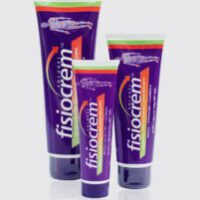
Fisiocrem
$16.95 – $39.95Select optionsQuick View -
 Gift Ideas, Christmas Gift Ideas, Exercise Equipment, Foot, Knee, Massage Tools, Pain Management
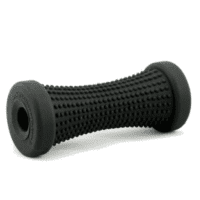
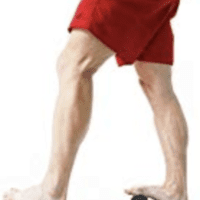
Footeez Lockeroom
$45.00Add to cartQuick View -
- Christmas Gift Ideas, Exercise Equipment, Gift Ideas, Massage Tools, Pain Management
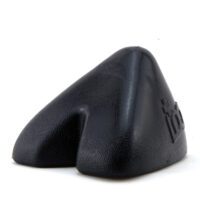
Pocket Physio MAX
$24.95Select optionsQuick View -
-
 Exercise Equipment, Gift Ideas, Massage Tools
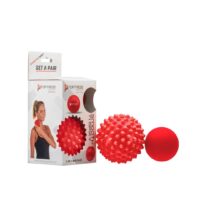
Smooth n Spiky Massage Balls (2 Pack)
$20.00Select optionsQuick View -
 Exercise Equipment, Back, Elbow, Foot, Massage Tools, Shoulder
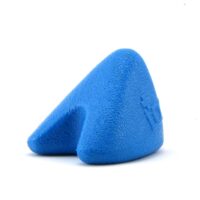
Pocket Physio
$14.95Select optionsQuick View - Pain Management, Christmas Gift Ideas, Liniments & Gels, Product Search
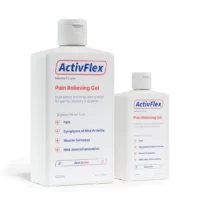
ActivFlex Pain Relief Gel
$27.95 – $42.95Select optionsQuick View -