
Lupus



Lupus physiotherapy may help you stay active, manage joint pain, and reduce flare-up setbacks with pacing, movement guidance, and a sensible exercise plan. Lupus can affect energy, sleep, and confidence in your body, so practical support often matters as much as medication.
If your symptoms overlap with inflammatory joint conditions, start with our arthritis guide. You can also read about our rheumatology physiotherapy service and how we approach joint pain management.
For a clear medical overview of lupus types and symptoms, see MedlinePlus: Lupus.
What is lupus?
Lupus is an autoimmune condition. That means your immune system can become overactive and create inflammation that affects areas such as the skin, joints, and (in some people) internal organs. Symptoms often change over time, with periods of flare-ups and calmer phases.
Types of lupus
Healthcare teams often describe lupus in several ways, including:
- Systemic lupus erythematosus (SLE) (the most common form, which can involve multiple body systems)
- Cutaneous lupus (mainly affects the skin, including discoid and subacute forms)
- Drug-induced lupus (lupus-like symptoms linked to certain medications)
- Neonatal lupus (rare, affects some babies born to mothers with specific antibodies)
Common lupus symptoms
Lupus symptoms vary a lot between people. Many notice a mix of joint and muscle issues, skin changes, and fatigue. Common symptoms include:
- joint pain, swelling, or morning stiffness
- fatigue or low stamina
- skin rashes (often worse with sun exposure)
- headaches
- mouth ulcers
- fevers or feeling generally unwell
- hair thinning or hair loss
- fingers or toes changing colour in the cold (Raynaud’s-type symptoms)
People also ask: can lupus cause joint pain and stiffness?
Yes. Many people with lupus report joint pain and stiffness, often in the hands, wrists, knees, or ankles. Symptoms can come and go. A physiotherapist can assess your movement, strength, and daily load so you can stay active without pushing into a flare-up pattern.
How lupus is diagnosed
Doctors diagnose lupus using your symptom history, a physical exam, and blood tests. Depending on symptoms, your GP may involve a rheumatologist or dermatologist. Tests may also track how different systems are functioning over time.
Because symptoms can overlap with other conditions, diagnosis often involves ruling out other causes. If you feel unwell, develop new symptoms, or notice a rapid change, discuss it with your GP promptly.
Lupus and pregnancy
Many people with lupus can have healthy pregnancies. Still, medication plans and timing matter. Pregnancy planning often works best when lupus is stable. Your medical team can advise on safe medication options and monitoring during pregnancy.
Lupus treatment
Lupus management usually involves medication guided by your doctor, plus lifestyle strategies that support energy, sleep, and joint health. Treatment changes depending on symptoms and flare severity.
Medication overview
Doctors may prescribe medication such as anti-inflammatories, corticosteroids, antimalarials (such as hydroxychloroquine), immune-modulating medicines (DMARDs), or biologic therapies. Your doctor will tailor medication to your symptoms and risk profile.
How physiotherapy may help with lupus
Physiotherapy does not treat the immune cause of lupus. However, it may help you manage the physical impacts that often come with lupus, including joint pain, reduced strength, low confidence in movement, and fatigue patterns.
Common physio goals
- reduce joint and muscle sensitivity through better load management
- build strength and endurance safely
- improve balance and confidence during flare-prone periods
- support return to work, walking, and exercise routines
- help you plan activity pacing on “good” and “bad” days
If sleep issues worsen pain and fatigue, this guide may help: Sleep therapy for pain management. If morning stiffness is a major issue, see tips for stiff joints in the morning.
Managing fatigue
Fatigue is common in lupus and can fluctuate. A practical plan often includes pacing, short activity blocks, planned rest, and gradual conditioning. Some people find symptom tracking useful, especially when flare triggers include stress, poor sleep, or rapid training increases.
Staying active with lupus
Many people do well with low-impact activity, then progress slowly as confidence improves. Options often include walking, cycling, Pilates-based exercise, and pool-based training. When land exercise feels too sore, hydrotherapy can be a helpful bridge back to movement.
Some people also use hands-on care such as remedial massage as one part of symptom relief. Your clinician can help you match options to your flare pattern and sensitivity.
When to seek urgent medical care
Seek urgent care if you have chest pain, severe shortness of breath, fainting, a severe new headache with neurological signs, confusion, a seizure, or a sudden significant decline in function. Also act quickly for fever with significant unwellness, or symptoms that feel very different to your usual flare.
What to do next
If lupus symptoms affect your joints, stamina, or confidence with exercise, start with a plan that matches your current capacity. Book an assessment so we can check how you move, identify flare triggers, and set safe progressions that fit your week.
Choose your clinic and appointment pathway
Select a PhysioWorks clinic to continue to live booking, an appointment request or reception assistance.
Muscle & Soft Tissue Products
These muscle and soft tissue products are commonly used by our physiotherapists to relax or loosen muscles, improve strength, comfort, flexibility, and home exercise programs.
-

-


-
-
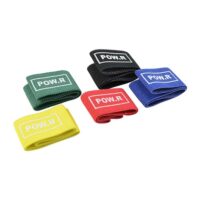 Exercise Equipment, Knee, Resistance Band
POW.R Fabric Mini Loop Bands
$12.00 – $55.00Select optionsQuick View -
-
- Liniments & Gels, Massage Liniments, Pain Management
Fisiocrem
$16.95 – $39.95Select optionsQuick View -
-

 Exercise Equipment, Resistance Band
AllCare Powerloop Bands
$24.95 – $79.95Select optionsQuick View -
- EMS Machines, Pain Management, TENS Machine, TENS Machine & EMS
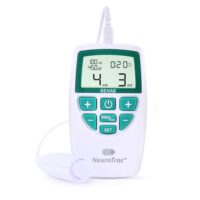
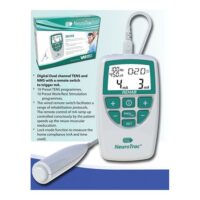
NeuroTrac Rehab (TENS Machine + EMS)
$285.00Add to cartQuick View -

 Exercise Balls, Back, Exercise Equipment, Knee, Shoulder
66fit Exercise Balls | Core & Rehab Stability Ball
$32.00 – $57.00Select optionsQuick View -
-












References
- Fanouriakis A, Kostopoulou M, Alunno A, et al. EULAR recommendations for the management of systemic lupus erythematosus: 2023 update. Ann Rheum Dis. 2024;83(1):15-29. https://pubmed.ncbi.nlm.nih.gov/37827694/
- American College of Rheumatology. 2025 ACR Guideline for the treatment and management of non-renal systemic lupus erythematosus (SLE). Arthritis Care Res (Hoboken). 2025. https://acrjournals.onlinelibrary.wiley.com/doi/10.1002/acr.25690
- Frade S, O’Neill S, Greene D, Nutter E, Cameron M. Exercise as adjunctive therapy for systemic lupus erythematosus. Cochrane Database Syst Rev. 2023;(4):CD014816. https://pmc.ncbi.nlm.nih.gov/articles/PMC10115181/
- Vandenbulcke L, Gosselin T, De Langhe E, et al. The effect of physical exercise on fatigue in systemic lupus erythematosus: a systematic review. 2023. https://pubmed.ncbi.nlm.nih.gov/36633312/
FAQs
Can physiotherapy help lupus joint pain?
Physiotherapy may help by improving movement confidence, reducing stiffness, and building strength around sensitive joints. It can also help you pace activity during flare-prone periods.
What exercise is safest with lupus fatigue?
Many people start with low-impact activity such as walking, cycling, gentle strengthening, or pool-based exercise. The safest choice depends on your current flare pattern, sleep, and symptom load, so progress gradually.
Should I exercise during a lupus flare-up?
Often, you can keep some light movement going during a flare, but you may need to reduce intensity and volume. A clinician can help you set “flare rules” so you keep moving without worsening symptoms.
Can lupus affect sleep and recovery?
Yes. Poor sleep can amplify pain sensitivity and fatigue. Better sleep routines and symptom pacing often improve recovery and day-to-day function.
When should I see my GP urgently?
Seek urgent care for chest pain, severe breathlessness, fainting, neurological symptoms, severe fever with significant unwellness, or symptoms that feel very different from your usual flare.
