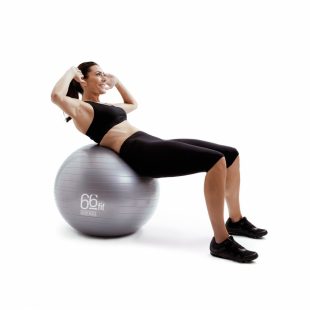
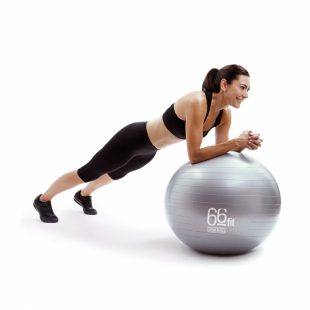
66fit Exercise Balls | Core & Rehab Stability Ball
$32.00 – $57.00
- Description
- Additional information
Description
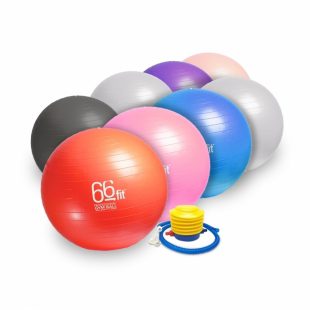
66fit Exercise Balls, exercise ball for physiotherapy, gym ball for core strength and back pain support. Build better posture, balance, and core control at home, in the gym, or during rehabilitation.
66fit Exercise Balls
Enhance Your Fitness Journey with 66fit Exercise Balls
Why use a 66fit Exercise Ball?
Poor posture, weak core control, and reduced balance often contribute to back pain, neck tension, hip instability, and lower training performance. In addition, many people find it hard to “switch on” deep stabilising muscles with standard gym exercises.
A 66fit Exercise Ball adds gentle instability. As a result, your trunk and hip stabilisers work automatically to keep you steady. Physiotherapists commonly use exercise balls to support posture retraining, spinal control, pelvic stability, coordination, and safe strength progressions.
If you want more guidance on common back pain patterns, use this overview inside your program: see our Back Pain page, then continue with controlled strengthening using an exercise ball.
How do 66fit Exercise Balls work?
66fit Exercise Balls use durable, flexible PVC with an anti-burst design rated up to 300kg. That anti-burst feature supports slow deflation under extreme load, rather than a sudden collapse.
Furthermore, the ribbed, non-slip surface improves grip and confidence during stability work. You can adjust firmness with the included hand pump. A firmer ball increases challenge for strength and control. A slightly softer ball can feel more comfortable during early rehab and mobility work.
To build a structured plan, start with basics and progress gradually. You can pair this product with a tailored plan on our Exercise Programs page, and add core progressions from our Core Exercises resource.
What is it used for?
66fit Exercise Balls suit both rehabilitation and performance training. They work well for low-impact strengthening, mobility drills, and core control progressions.
Common physiotherapy uses
People often use an exercise ball to support core retraining after back pain flare-ups, posture improvement programs, hip and pelvic stability work, balance retraining, and gentle pregnancy or postnatal strengthening (where appropriate).
Fitness and performance uses
In the gym or at home, you can use the ball for abdominal control, hamstring conditioning, functional strength patterns, stretching, and mobility work. Some people also use a ball intermittently as a “ball chair” to encourage active sitting. For practical tips, read more about safe set-up in our guide on the benefits of using a ball chair.
Who is it best for?
This ball suits office workers improving posture, home exercisers building strength safely, athletes wanting better trunk control, Pilates participants, and anyone following a rehab plan that needs controlled progressions. If you have pain that worsens, or you have a recent injury or surgery, book a physiotherapy assessment to match exercises to your stage of recovery.
Key features
- Eight sizes: choose the best fit for your height and set-up
- Anti-burst design: rated up to 300kg for added safety
- Non-slip ribbed surface: improves confidence during movement
- Hand pump included: inflate and adjust firmness easily
- Versatile training tool: suits rehab, Pilates, and general fitness
Exercise Ball Size Chart
| Exercise Ball Diameter | Person’s Height (Feet) | Person’s Height (cm) |
| 45cm | 5′ and under | <152 |
| 55cm | 5’0 – 5’5 | <165 |
| 60cm | 5’6 – 5’8 | 168–173 |
| 65cm | 5’9 – 5’11 | 175–180 |
| 70cm | 6’0 – 6’1 | 183–185 |
| 75cm | 6’2 – 6’3 | 188–191 |
| 85–95cm | 6’5 and over | >196 |
When seated correctly, aim for hips and knees close to 90 degrees. If you sit too low or too high, you may overload your back or hips during exercise.
Associated products that pair well
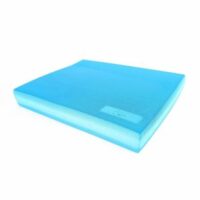
- For extra balance challenge, add a pad: try the Balance Pad for foot and ankle stability work.
- For Pilates-style progressions, consider smaller balls: add Pilates Balls for adductor, pelvic floor, and control drills.
Key benefits summary
- Improves core strength, posture, and spinal control
- Supports rehabilitation with low-impact progressions
- Builds balance and coordination for daily life and sport
- Anti-burst design supports safer training
- Multiple sizes help you fit the ball to your height
FAQs: 66fit Exercise Balls
What size exercise ball should I buy?
Choose your ball size based on your height, then confirm it with a seated test. When you sit on the ball, your hips and knees should sit close to 90 degrees and your feet should stay flat. Use the size chart above as your starting point, and adjust if you prefer a slightly higher or lower seat height for your exercise type.
Are exercise balls good for back pain?
They can help when you use them correctly. Exercise balls challenge posture and deep core control, which can support spinal stability. However, the right exercise matters. If your pain increases, swap to easier drills and build gradually. For a starting point, read our Back Pain page and follow a staged plan.
Can I use an exercise ball every day?
Yes, many people use an exercise ball daily for short posture sessions, mobility work, or light core control drills. Keep sessions brief at first, then build time and difficulty. If you are rehabbing an injury, match frequency and intensity to your recovery stage.
Is an anti-burst exercise ball safer?
Anti-burst balls are designed to deflate slowly if they are punctured or overloaded, rather than popping suddenly. That design reduces the risk of a rapid fall. Even so, you still need a clear space, stable flooring, and controlled technique to train safely.
Can an exercise ball help my posture at a desk?
It can encourage active sitting for short periods. Even so, most people do best by alternating between a supportive chair and brief ball-chair use. For practical set-up tips, see our guide on the benefits of using a ball chair and avoid long sessions early on.
Where can I find safe stability ball exercises?
Start with simple, controlled movements and progress gradually. For PhysioWorks guidance, use our Core Exercises page and our Exercise Programs resource. For an external how-to collection, Mayo Clinic provides fitness ball exercise videos and sizing tips here: fitness ball exercises guide.
Related articles
- If you want a clear overview, start with our Back Pain guide for causes, treatment options, and next steps.
- To build better control, use our Core Exercises page for safe progressions and coaching cues.
- For a structured plan, follow our Exercise Programs resource and match exercises to your goals.
Additional information
| Weight | 1.8 kg |
|---|---|
| Dimensions | 20 × 35 × 50 cm |
| Size | 45cm – Pale Pink, 55cm – Purple, 60cm – Silver, 85cm – Pink, 70cm – Grey, 65cm – Green, 75cm – Blue, 95cm – Red |