- Description
- Additional information
Description
Pilates Balls, soft Pilates ball, core stability training, back pain rehab, physiotherapy exercise equipment
Pilates Balls for Core Strength, Stability & Rehabilitation
Why use Pilates Balls?
Back pain, poor posture, weak core control, and reduced balance are common problems that many people face. Often, the deeper stabilising muscles that support your spine and pelvis become underactive. As a result, your body relies too much on bigger “global” muscles, which can increase stiffness and flare-ups during everyday movement.
Pilates Balls give you a practical way to retrain deep core control. They add gentle, controlled instability, which encourages better muscle activation and coordination. This makes them useful for early-to-mid stage rehab and for people who want safer progressions at home. When you pair Pilates Balls with structured exercise, you can build more efficient movement patterns and improve confidence with activity. For a guided starting point, combine Pilates ball work with physiotherapy-friendly core stability training and progressive Pilates exercises.
How do Pilates Balls work?
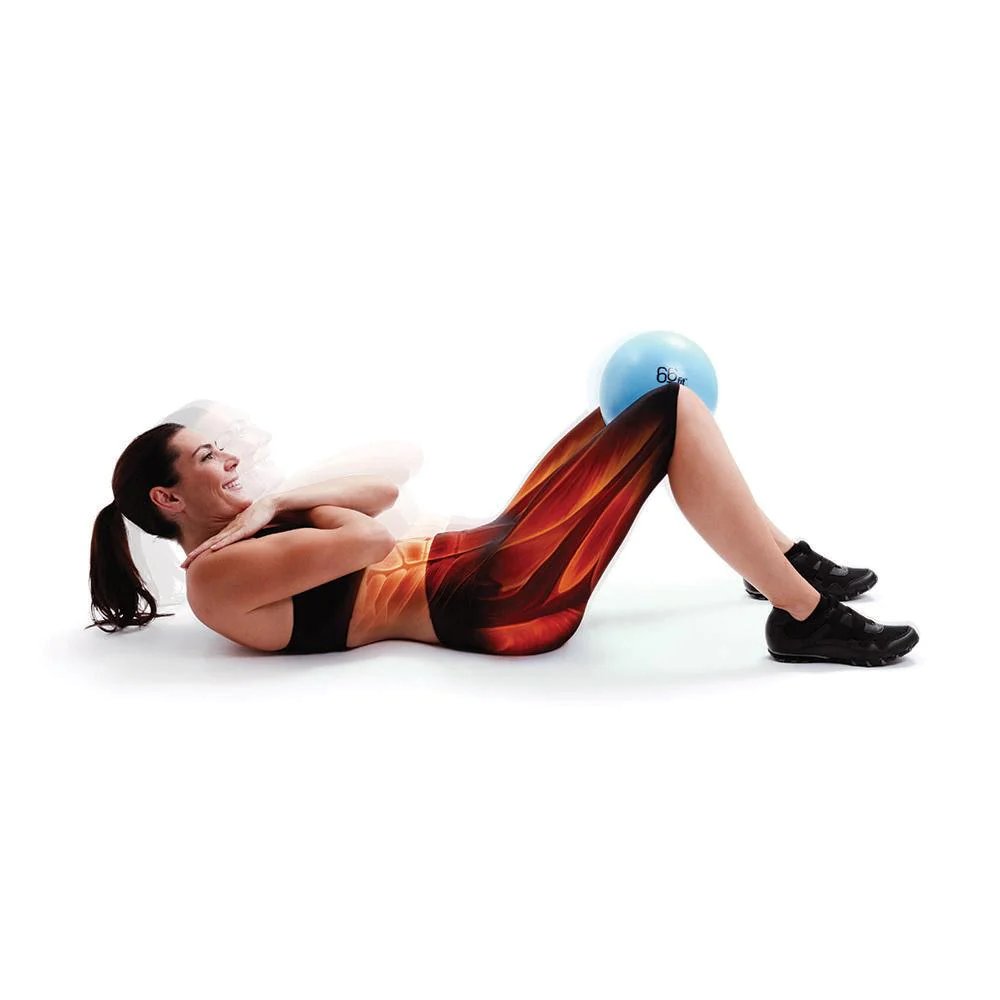
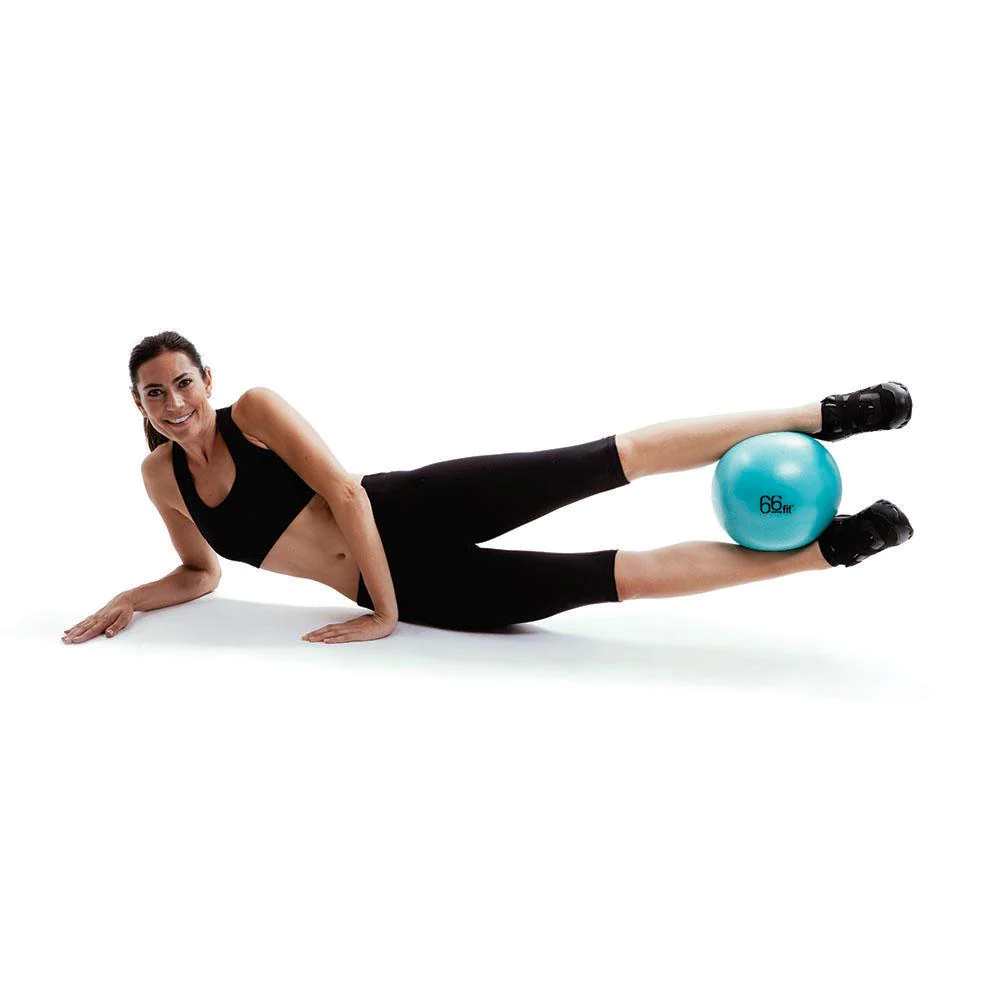
Soft Pilates Balls create an unstable surface. This prompts your nervous system to “switch on” stabilising muscles that standard floor-based exercises may not fully recruit. Over time, this can improve body awareness, control, and balance. Pilates Balls also work well as a light resistance tool for inner thighs, upper body control, and pelvic stability work.
The Allcare Soft Pilates Balls feel comfortable against the body and suit many exercise positions. Their anti-slip surface supports better grip and safer movement control. Because the ball compresses slightly, it can also improve comfort under the spine, hips, or rib cage during mobility drills.
Sizes and how to choose
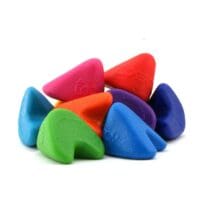
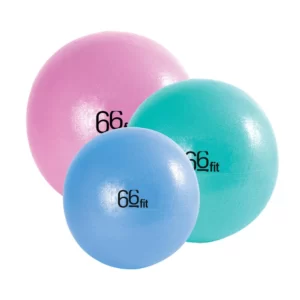
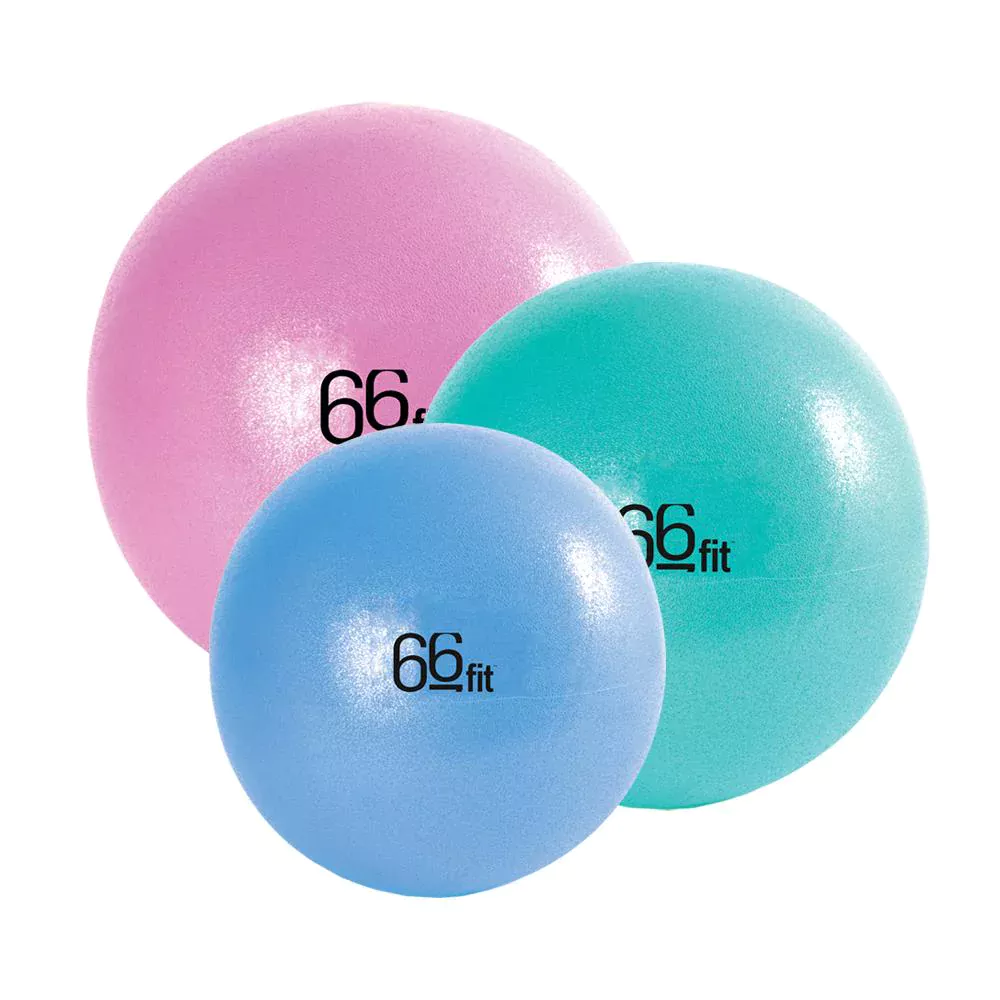
The Allcare Soft Pilates Balls come in three sizes. Each one suits slightly different tasks, so size selection matters.
- 20cm (Blue): Best for targeted activation, pelvic floor cueing, and smaller range control work.
- 25cm (Green): A strong all-round option for general core stability and Pilates programming.
- 30cm (Pink): Useful for larger movements, balance drills, thoracic mobility, and supported positioning work.
What are Pilates Balls used for?
Pilates Balls suit both clinical rehab and general fitness. In physiotherapy settings, they often support controlled progressions where stability and coordination matter more than heavy loading. That includes spinal pain management, postural retraining, hip control, and balance training.
They also work well for home programs because they are portable, lightweight, and easy to set up. If you want to target common problem areas, Pilates Balls can complement education and exercise plans for back pain and for postural strain patterns linked with neck pain. In addition, they fit neatly into targeted programs such as Pilates for Back Pain.
Common physiotherapy and training examples
Use Pilates Balls to support specific goals, depending on your current capacity and symptoms:
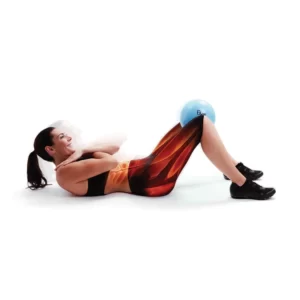
- Back pain rehab: gentle pelvic tilts, dead-bug variations, and supported lumbar control drills.
- Post-natal core retraining: breathing-led core activation and progressive pelvic stability work.
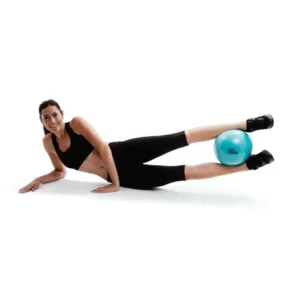
- Pelvic floor activation: adductor squeeze work with controlled breathing and posture cues.
- Shoulder stability after injury: wall presses, scapular control drills, and supported shoulder positioning.
- Balance and proprioception: single-leg stance progressions and controlled hip control exercises.
- Mobility work: thoracic extension support and gentle chest-opening drills.
Daily use instructions
Inflate your Pilates Ball to a comfortable firmness. Aim for “firm but slightly compressible.” Overinflation can reduce comfort and control. Start with slow, controlled reps and focus on smooth breathing. If you feel sharp pain, pins and needles, dizziness, or symptoms that worsen after sessions, scale the exercise back and discuss options with your physiotherapist.
For many people, Pilates Balls are most helpful in early to mid rehab phases. They can also improve performance in sport and gym settings when you use them to reinforce control and positioning. If you want general guidance on safe core training principles, you can compare your approach with advice from the Cleveland Clinic on core strengthening and stability, which you can find here, then apply it alongside your PhysioWorks plan.
Who are Pilates Balls best for?
Pilates Balls suit a wide range of people, including office workers with postural strain, athletes building trunk control, and anyone who wants a simple home-based tool that supports safer progressions. They are also useful if you want to add variety to mat Pilates without increasing impact or load.
Key benefits
- Supports deep core activation and better movement control
- Improves balance, coordination, and body awareness
- Complements back pain rehabilitation and postural retraining
- Lightweight, portable, and easy to use at home or in clinic
- Anti-slip surface supports safer, more confident exercise
Related PhysioWorks reading
- Pilates – how Pilates supports strength, mobility, and control.
- Pilates for Back Pain – how Pilates can support spine-friendly rehab.
- Core Stability Training – practical ways to retrain deep stabilisers.
Additional information
| Size | 20cm- Blue, 25cm- Green, 30cm- Pink |
|---|