
Perthes Disease



Perthes disease physiotherapy focuses on keeping your child’s hip moving well, protecting the joint while it heals, and guiding safe activity choices. Perthes disease (Legg-Calvé-Perthes disease) affects the hip joint when blood supply to the top of the thigh bone (femoral head) reduces for a period of time.
As a result, the femoral head can soften and change shape. Many children do well with the right plan and regular monitoring. Early assessment matters, because a limp or knee pain can still come from the hip.
For broader context, visit our Hip Pain hub. If your child is in the typical age range for growth-related issues, you may also find our Kids Leg Pain page helpful.
What is Perthes disease?
Perthes disease is a childhood hip condition most often seen between ages 4 and 10. It occurs when blood supply to the femoral head drops temporarily. The bone can weaken (avascular necrosis), then gradually rebuild over time. In many cases, it affects one hip, although it can occur on both sides.
What causes Perthes disease?
Clinicians still don’t know the exact cause of the blood supply interruption. However, Perthes disease involves a period of reduced blood flow to the femoral head, followed by bone repair and reshaping.
Common symptoms
Children may not always describe hip pain clearly. Often, parents notice changes in walking or activity tolerance first.
- Limping (with or without pain)
- Hip stiffness, especially after rest
- Pain in the hip, groin, thigh, or knee
- Reduced hip movement (especially rotation and abduction)
- Muscle wasting around the hip or thigh over time
- One leg appearing shorter in later stages
Some other hip problems can look similar. For example, adolescents with hip and groin pain may need assessment for SCFE. A clinician will rule this out based on age, history, and imaging.
How Perthes disease is diagnosed
A health professional will check walking pattern, hip range of motion, and where symptoms refer. Imaging often confirms the diagnosis. X-rays may look normal early on, so repeat X-rays may be needed. Some children also need MRI to detect early changes and track severity.
To read a plain-language overview of stages and monitoring, see the Sydney Children’s Hospitals Network factsheet on Perthes disease. It explains the condition and typical timelines clearly within a parent-friendly guide. Read the Perthes disease factsheet
Perthes disease treatment
Treatment aims to reduce pain, keep the hip moving, and help the femoral head stay as round as possible while it heals. Your child’s age, stage of the condition, and how much the femoral head has changed shape can influence treatment decisions.
Activity changes and load management
Many children need a break from high-impact activity (running and jumping) during painful or more vulnerable stages. In contrast, low-impact options such as swimming and cycling often stay on the menu, depending on symptoms and medical advice.
Physiotherapy may include
- Education for parents and children on pain control, pacing, and safe activity
- Hip mobility work to reduce stiffness
- Progressive hip and leg strengthening
- Gait retraining where needed
- Crutches to reduce weight-bearing if walking is painful
If your child also reports groin pain, you can read our guide to Groin Pain to understand common patterns and when assessment matters.
Other non-surgical options
Some children use braces, casting, or short periods of traction in specific situations. These decisions typically sit with the treating medical team and depend on imaging, stage, and symptoms.
When surgery is considered
Surgery aims to improve hip alignment and containment so the femoral head remodels in the best shape possible. Options vary from releasing tight tissues to bony realignment procedures. If surgery is needed, physiotherapy helps restore movement, rebuild strength, and guide a graded return to sport.
Prognosis and what to expect long term
Many children recover well and return to normal play and sport. Even so, Perthes disease can increase the risk of hip stiffness and earlier hip arthritis later in life, particularly when the femoral head heals with a flatter shape. Regular follow-up and a steady rehab plan can reduce avoidable setbacks.
People also ask
Can Perthes disease heal on its own?
Often, yes. The bone can regrow over time. However, the key issue is how it regrows. Monitoring and a clear management plan help protect hip shape and function during healing.
How long does Perthes disease last?
The condition runs in stages and can take many months to a few years to fully remodel. Timelines vary based on age, severity, and stage at diagnosis.
What are the first signs of Perthes disease?
A limp is common. Some children also complain of knee pain, thigh pain, or stiffness rather than obvious hip pain.
Can my child still play sport?
Many children return to sport, but timing matters. Your clinician may recommend limiting high-impact activity during sensitive stages, then building back gradually as pain settles and imaging improves.
What to do next
If your child has a persistent limp, hip stiffness, or recurring groin, thigh, or knee pain, book an assessment. A physiotherapist can check hip movement, walking pattern, and function, then guide the next steps. If needed, they can also help coordinate imaging and referrals.
Choose your clinic and appointment pathway
Select a PhysioWorks clinic to continue to live booking, an appointment request or reception assistance.
Hip Products
These hip products are commonly used by our physiotherapists to improve strength, posture, movement, plus assist home exercise programs.
-
-
- Liniments & Gels, Massage Liniments, Pain Management
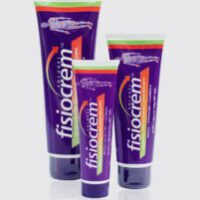
Fisiocrem
$16.95 – $39.95Select optionsQuick View -
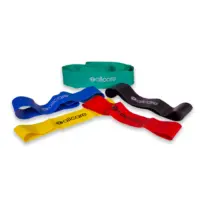
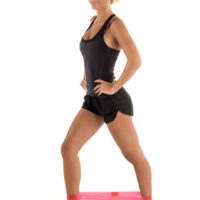
- Exercise Equipment, Resistance Band
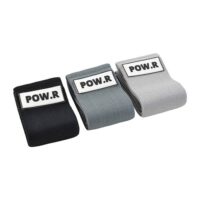
POW.R Wide Fabric Loop Resistance Band
$14.95 – $49.95Select optionsQuick View -
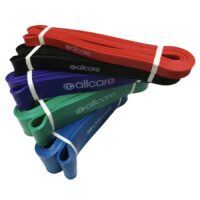
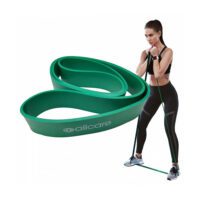 Exercise Equipment, Resistance Band
AllCare Powerloop Bands
$22.00 – $65.00Select optionsQuick View -
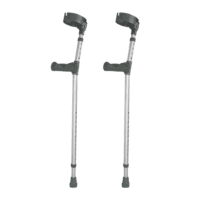 Ankle, Back, Braces & Supports, Calf, Foot, Groin, Heel, Hip, Knee, Thigh, Walking
Forearm Crutches
$64.00Select optionsQuick View -
-

-
-
-
-
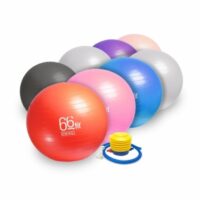
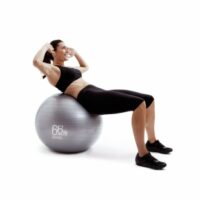 Exercise Balls, Back, Exercise Equipment, Knee, Shoulder
66fit Exercise Balls | Core & Rehab Stability Ball
$32.00 – $57.00Select optionsQuick View -
-
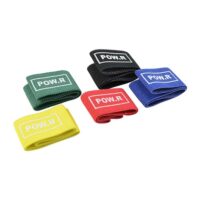 Exercise Equipment, Knee, Resistance Band
POW.R Fabric Mini Loop Bands
$12.00 – $55.00Select optionsQuick View


References
- Galloway AM, Perry DC, Bruce CE, et al. Clinical consensus recommendations for the non-surgical treatment of children with Perthes’ disease. Bone & Joint Journal. 2024. View study
- Beckish L, et al. Diagnosis and management of Legg-Calvé-Perthes disease. 2024. View article
- Braun S, et al. Legg-Calvé-Perthes disease: surgical treatment options. 2025. View article
- Effectiveness of therapeutic methods for Legg-Calvé-Perthes disease according to staging: systematic review. Orthopedic Reviews. 2024. View study
