
Meniscus Tear
Meniscus Tear
A meniscus tear can cause knee joint-line pain, swelling, stiffness, catching or locking. Some tears follow a sudden twist, while others develop gradually as the knee handles repeated load.


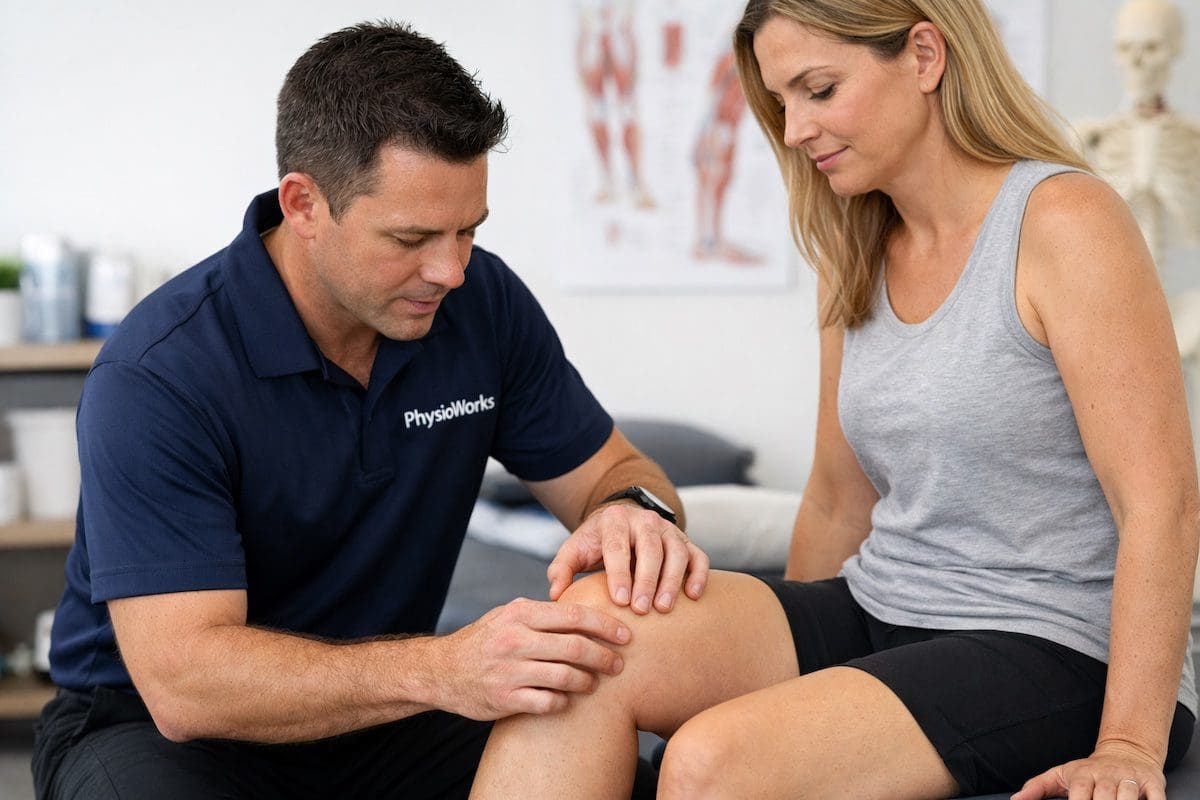
Common Signs of a Meniscus Tear
Meniscus symptoms can overlap with other causes of knee pain and sports knee injuries. An assessment can help determine whether you need load modification, rehabilitation, medical review or an orthopaedic opinion.
Joint-line pain
Pain may sit along the inside or outside edge of the knee joint.
Swelling or stiffness
The knee may become swollen or stiff after activity or later in the day.
Catching or locking
The knee may click, catch or feel blocked during movement.
Pain with rotation
Twisting, pivoting, squatting, kneeling or turning may reproduce symptoms.
Reduced movement
You may have trouble fully straightening or bending the knee.
Activity limits
Walking, stairs, sport, work tasks or getting out of a chair may become difficult.
What Is a Meniscus Tear?
A meniscus tear is damage to one of the two crescent-shaped cartilage pads inside the knee. Each knee has a medial meniscus on the inner side and a lateral meniscus on the outer side.
The menisci help absorb shock, spread load across the joint, guide movement and support knee stability. A tear can change how the knee handles load and may irritate the surrounding joint lining.
A tear may occur when the knee twists under load. This can happen during pivoting, tackling, landing or rapid direction changes. Other tears develop gradually through age-related tissue change, repeated squatting or long-term knee loading.
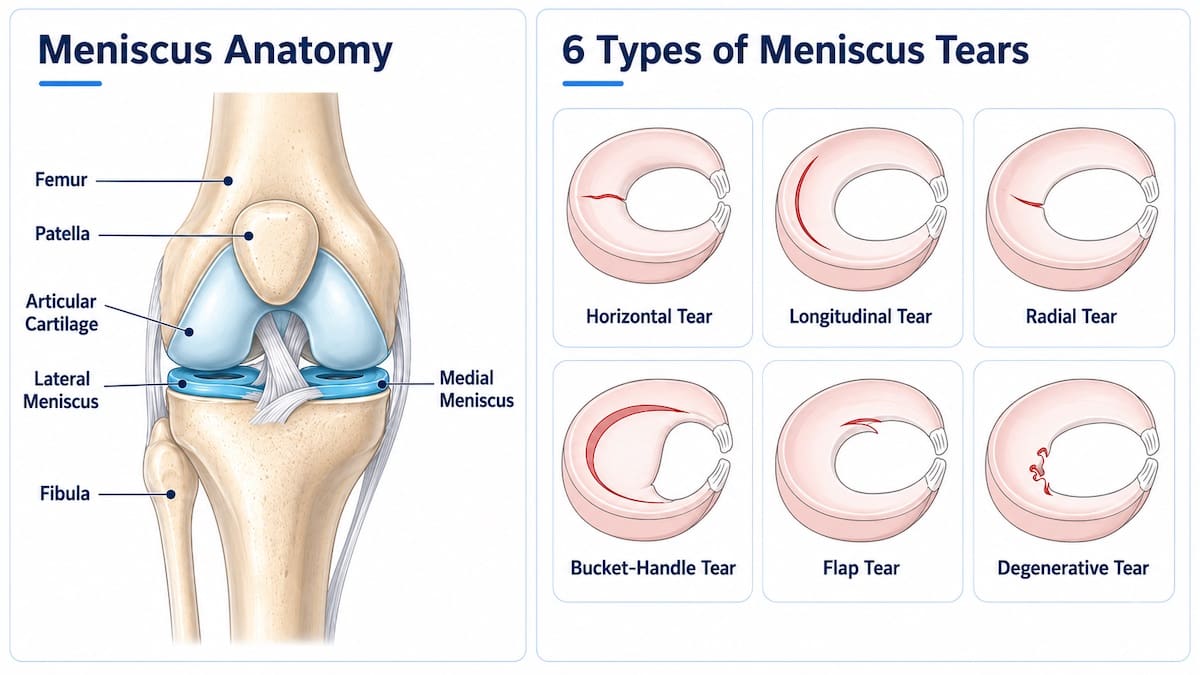
What Are the Symptoms of a Meniscus Tear?
Symptoms vary according to the tear type, size, location and whether the tissue remains stable. Many people notice joint-line pain, swelling after activity, stiffness and a sense that the knee does not move smoothly.
Twisting, squatting, kneeling, getting out of a chair and using stairs may aggravate symptoms. Catching or a blocked feeling can occur when torn tissue interferes with movement.
Pain with twisting
This may suggest meniscus or ligament involvement, although assessment is needed to clarify the cause.
Rapid, large swelling
Marked swelling soon after injury may indicate a more substantial internal knee injury.
Persistent loss of extension
Difficulty fully straightening the knee can result from swelling, pain or mechanically displaced tissue.
Gradual aching and stiffness
Gradual symptoms may involve meniscus wear, knee arthritis or a combination of both.
How Do You Know if You Have a Meniscus Tear?
A meniscus tear may be suspected when pain sits along the joint line and worsens with twisting, pivoting or deep knee bending. Swelling, catching, locking or difficulty straightening the knee can also fit this injury.
However, other knee conditions can cause similar symptoms. These include an ACL injury, MCL tear, runner’s knee and patellofemoral pain syndrome.
A physiotherapist or doctor may assess your injury history, swelling pattern, joint-line tenderness, range of motion, strength, walking and response to loaded movements.
MRI may help when the diagnosis remains uncertain, symptoms persist, the knee locks or surgery is being considered. Imaging findings need clinical context because some meniscus changes appear in people who have little or no knee pain.
Can a Meniscus Tear Heal on Its Own?
Some meniscus tears settle well without surgery. Recovery depends on the tear location and pattern, whether the tissue is displaced or stable, the quality of the surrounding tissue, associated injuries, activity demands and personal goals.
The outer portion of the meniscus has a better blood supply and is often called the red zone. Tears in this region may have greater healing potential. The inner white zone has less blood supply, so biological healing is less reliable.
Even so, a white-zone tear does not automatically require surgery. Many people improve through load management, strength training and a staged return to activity.
How Is a Meniscus Tear Treated?
Treatment depends on your symptoms, tear type, knee function and activity goals. Physiotherapy is often the first step for stable or degenerative tears because rehabilitation can reduce pain, restore movement and improve confidence with walking, stairs, work and sport.
Rehabilitation may include knee exercises, quadriceps and hamstring strengthening, hip and calf training, balance work, swelling management and movement retraining.
If pain sits mainly at the front of the knee, your assessment may also consider kneecap-related conditions such as chondromalacia patella or patellofemoral pain.
-
Settle the knee
Manage swelling, restore comfortable knee extension, improve walking and restart gentle muscle activation.
-
Rebuild strength and control
Progress quadriceps, hamstring, hip and calf strength while improving balance, squat tolerance and step control.
-
Return to higher demand
Gradually restore running, jumping, pivoting, direction changes and sport-specific or work-specific tasks where appropriate.
When Is Surgery Considered for a Meniscus Tear?
Surgery may be considered when the knee repeatedly locks, a displaced tear blocks movement, symptoms remain limiting despite appropriate rehabilitation or the tear pattern is unlikely to improve without surgical input.
Some traumatic flap tears and unstable bucket-handle tears may need earlier orthopaedic review. However, many non-locking tears can first be managed with structured rehabilitation.
Rehabilitation may be suitable when
The knee is not mechanically locked, symptoms respond to load modification and function improves as strength and movement recover.
Surgical review may be appropriate when
The knee remains locked, cannot fully straighten, repeatedly gives way or remains significantly limited after a suitable rehabilitation trial.
Knee arthroscopy may be used to inspect, repair or trim torn meniscus tissue when clinically appropriate. Rehabilitation remains important whether surgery is used or not.
What Happens After Meniscus Surgery?
Post-operative physiotherapy can help restore knee extension, flexion, strength, balance and confidence.
Your rehabilitation plan depends on whether the meniscus was repaired or partly removed, the surgeon’s precautions and your work or sport demands. A repair usually needs a more cautious progression than a partial meniscectomy.
Early rehabilitation often focuses on swelling control, walking quality, range of motion and muscle activation. Later stages may include heavier strength work, hopping, running, direction changes and task-specific conditioning.
Can You Keep Exercising with a Meniscus Tear?
You can often continue some exercise when the knee is not locking, swelling substantially or becoming progressively worse after each session.
Suitable options may include cycling, pool exercise, controlled strength training and carefully selected knee rehabilitation exercises.
Repeated twisting, deep loaded squats and rapid pivoting may need temporary modification until symptoms settle and your knee has been assessed.
How Is Rehabilitation Progress Measured?
Progress depends on more than pain alone. Your physiotherapist may reassess knee swelling, range of motion, strength, balance, confidence and tolerance to work or sport tasks.
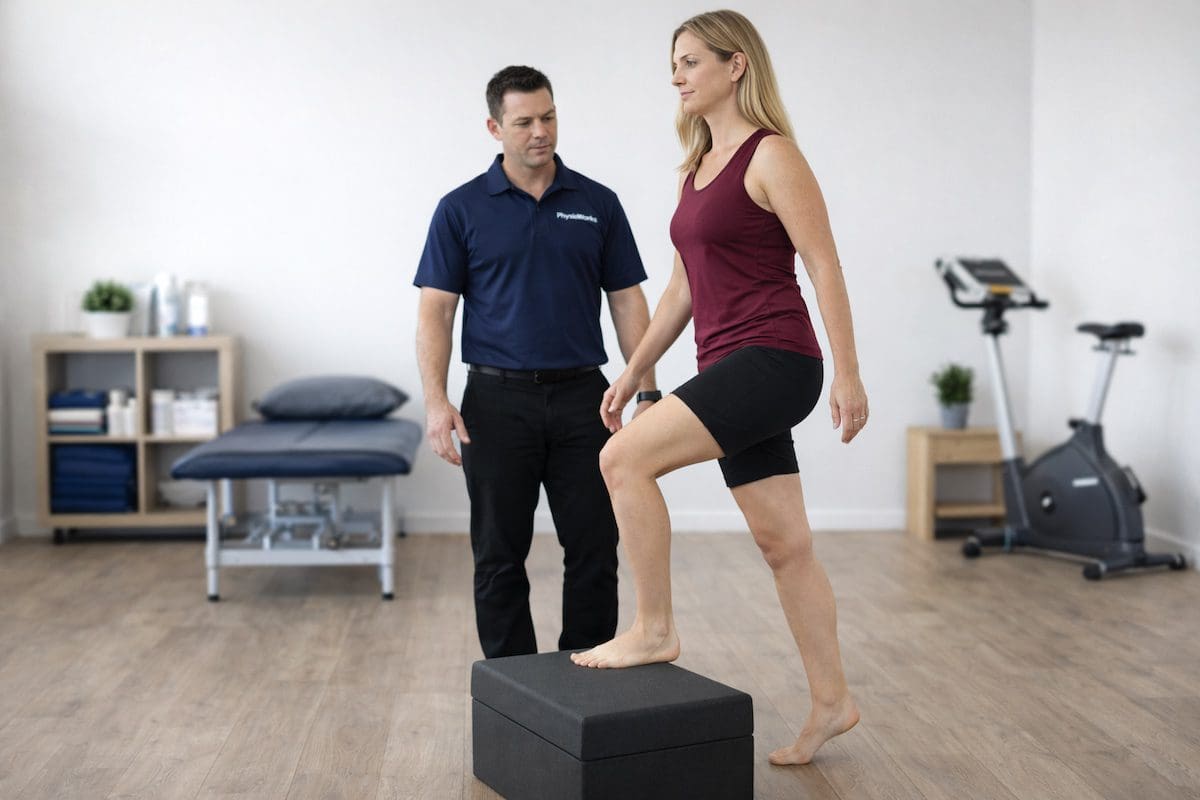
For higher-demand sport, later testing may include hopping, landing, running, pivoting and change-of-direction tasks. These activities should be introduced only when the knee has enough strength, movement and load tolerance.
What Should You Do Next for a Meniscus Tear?
If knee pain, swelling, catching or loss of movement is limiting your activity, an assessment can help clarify whether your symptoms fit a meniscus tear, ligament injury, kneecap problem or another source of knee pain.
Seek prompt medical assessment when the knee remains locked, you cannot fully straighten it, swelling is substantial or symptoms continue to worsen.
For less severe symptoms, a guided rehabilitation plan can help restore knee movement, strength and confidence while reducing repeated flare-ups.
Choose your clinic and appointment pathway
Select a PhysioWorks clinic to continue to live booking, an appointment request or reception assistance.
Knee Support Products
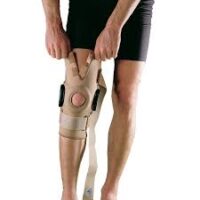
These knee support products are commonly used by our physiotherapists to help reduce strain, improve stability, and support your recovery at home.
-

 Exercise Balls, Back, Exercise Equipment, Knee, Shoulder
66fit Exercise Balls | Core & Rehab Stability Ball
$32.00 – $57.00Select optionsQuick View -
-

-

-

 Calf, Elbow, Ice & Heat, Knee, Pain Management
Victor Elastic Cold Sleeve
$44.00 – $60.00Select optionsQuick View -
- EMS Machines, Pain Management, TENS Machine, TENS Machine & EMS
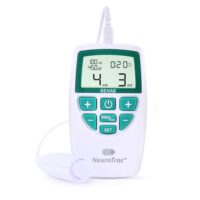
NeuroTrac Rehab (TENS Machine + EMS)
$285.00Add to cartQuick View - Liniments & Gels, Massage Liniments, Pain Management
Fisiocrem
$16.95 – $39.95Select optionsQuick View -
-
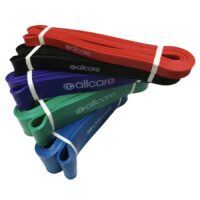
 Exercise Equipment, Resistance Band
AllCare Powerloop Bands
$24.95 – $79.95Select optionsQuick View -
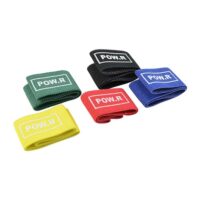 Exercise Equipment, Knee, Resistance Band
POW.R Fabric Mini Loop Bands
$12.00 – $55.00Select optionsQuick View -
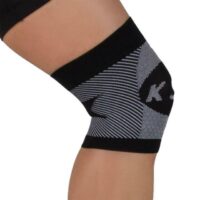
-
-


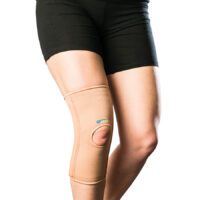





References
- Abram SGF, Hopewell S, Monk AP, Bayliss LE, Beard DJ, Price AJ. Arthroscopic partial meniscectomy for meniscal tears of the knee: a systematic review and meta-analysis. Br J Sports Med. 2020;54(11):652–663.
- van der Graaff SJA, Noorduyn JCA, Willigenburg NW, et al. Arthroscopic partial meniscectomy versus physical therapy for traumatic meniscal tears in a young study population: a randomised controlled trial. Br J Sports Med. 2022;56(15):870–876.
- Hurmuz M, Müller M, Bedeir YH, et al. Osteoarthritis development following meniscectomy versus meniscal repair: a systematic review. Medicina (Kaunas). 2024;60(5):742.
- Mayo Clinic. Torn meniscus: diagnosis and treatment. Accessed 21 April 2026.
Meniscus Tear FAQs
Can you walk on a torn meniscus?
Yes. Many people can still walk with a torn meniscus, particularly when the tear is small or stable. Walking ability does not rule out a meniscus injury. Pain, swelling, catching or locking after activity still deserves assessment.
Does a meniscus tear always need surgery?
No. Many meniscus tears improve with rehabilitation, particularly when the knee is not locked and symptoms settle as strength, movement and load tolerance improve. Surgery is more likely when symptoms persist or the tear is mechanically unstable.
What does a meniscus tear feel like?
A meniscus tear often causes pain along the inner or outer joint line. It may also cause swelling, stiffness, discomfort with twisting or squatting, clicking, catching or a blocked feeling in the knee.
How long does a meniscus tear take to recover?
Recovery varies with the tear type, baseline strength, activity demands and whether surgery is required. Some people improve over several weeks with physiotherapy, while others need a longer rehabilitation period, particularly after meniscus repair.
When should you worry about a meniscus tear?
Seek prompt assessment if the knee remains locked, repeatedly gives way, becomes very swollen, cannot fully straighten or continues to worsen. These features may indicate a more significant tear or another internal knee injury.
Can physiotherapy help a meniscus tear?
Physiotherapy can help many people by improving swelling control, knee movement, strength, balance and tolerance to load. Assessment can also identify when symptoms need medical or orthopaedic review.
