
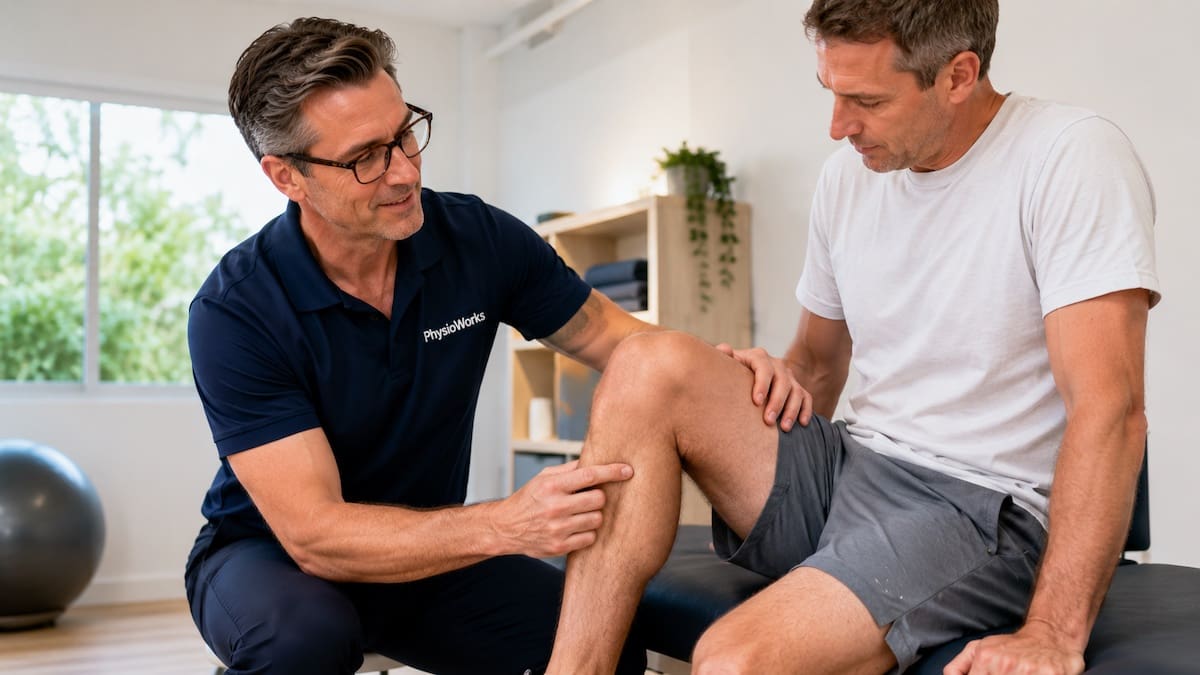
Can a Torn Meniscus Heal Without Surgery?


A torn meniscus does not always need surgery. Many people improve with physiotherapy, sensible activity changes, and a gradual return to load. Whether a torn meniscus can heal without surgery depends on the tear location, tear type, age, activity level, and current knee symptoms.
Pain, swelling, locking, and how your knee responds to load often matter more than scan wording alone. Many people return to walking, work, gym exercise, and sport with the right guidance, even when a tear remains visible on imaging.
The meniscus of the knee helps spread load, absorb shock, and support joint stability. When the meniscus is torn, its ability to manage force can be reduced. Healing varies because some areas have a better blood supply than others.
Quick Guide: What Matters Most?
- Outer red-zone tears have better blood supply and may have more healing potential.
- Inner white-zone tears heal less easily but may still become pain-free and useful.
- Degenerative tears often respond well to exercise-based rehabilitation.
- True locking or a knee stuck in one position needs prompt review.
- Your symptoms should guide decisions, not the MRI report alone.
Can a torn meniscus heal without surgery?
Some meniscus tears can settle without surgery, especially small, stable tears in the outer part of the meniscus where blood supply is better. Other tears may not fully heal in a structural sense. Even so, pain, swelling, strength, and knee function can still improve with physiotherapy.
This is why a meniscus tear physiotherapy assessment looks beyond the scan. Your physiotherapist will consider swelling, movement, strength, giving way, catching, locking, walking tolerance, sport goals, and how your knee responds to load.
Why can some meniscus tears heal naturally?
Some tears heal naturally because the outer third of the meniscus has a better blood supply. This area is often called the red zone. Blood flow brings cells and nutrients that support tissue repair, so small stable tears in this region may improve with time and guided rehab.
The inner part of the meniscus has limited blood supply. This area is often called the white zone. Tears here heal less reliably. However, limited tissue healing does not always mean ongoing pain or poor function.
When is a meniscus tear less likely to heal without surgery?
A meniscus tear is less likely to heal without surgery when it is large, unstable, displaced, or causing true mechanical locking. A knee that gets stuck and cannot fully bend or straighten needs timely review, especially after a twisting injury.
Symptoms that may need further assessment include:
- True locking: the knee becomes stuck and cannot fully straighten or bend.
- Repeated painful catching: catching that limits movement or confidence.
- Ongoing swelling: swelling that returns after normal activity or sport.
- Giving way: the knee feels unstable or unreliable.
- Loss of extension: the knee cannot straighten compared with the other side.
In these cases, imaging and referral to an orthopaedic specialist may be appropriate. Surgical decisions depend on tear location, tear pattern, symptoms, age, sport demands, and whether the torn tissue can be repaired.
Meniscus Tear Decision Guide
| Presentation | What it may suggest | Likely next step |
|---|---|---|
| Mild pain, no locking, improving swelling | Often suitable for non-surgical care | Physiotherapy, strength work, load control |
| Pain with squats, stairs, kneeling, or sport | Load-sensitive knee symptoms | Exercise changes and graded rehab |
| Degenerative tear in adults over 40 | Common finding linked with joint load tolerance | Education, strengthening, activity planning |
| True locking or blocked movement | Possible unstable or displaced tear | Prompt assessment and possible referral |
Can physiotherapy help a torn meniscus?
Physiotherapy may help a torn meniscus by improving knee movement, reducing swelling, restoring strength, and guiding a safe return to activity. The aim is to build a knee that tolerates normal loads without repeated flare-ups.
Management often includes education, swelling control, knee range exercises, quadriceps and hip strengthening, balance work, walking progressions, and sport-specific loading. Your program should match your symptoms rather than follow a rigid timeline.
Many people with meniscus symptoms also have related knee issues, such as patellofemoral pain syndrome, patellar tendinopathy, or ligament injury after a twist. If your injury involved a pivot, your physiotherapist may also screen for an ACL injury.
What about degenerative meniscus tears?
Degenerative meniscus tears often respond well to structured non-surgical care. These tears usually develop gradually as the knee and meniscus become less tolerant of load. They are common in adults over 40 and may occur without a clear injury.
Research supports exercise-based physiotherapy as a strong first-line option for many degenerative and non-obstructive meniscal tears. Large trials have found that physical therapy can provide outcomes comparable to arthroscopic partial meniscectomy for many people with degenerative tears.
This does not mean every tear is the same. It means that scan findings should be matched with symptoms, function, and goals before deciding on surgery. Large clinical trials published in peer-reviewed journals, including the BMJ trial on exercise therapy and meniscal tears, support non-surgical care as an appropriate first-line option for many degenerative meniscal injuries.

Should you keep exercising with a torn meniscus?
You can often keep exercising with a torn meniscus, but the type and amount of exercise should match your symptoms. Calm, controlled movement is usually better than complete rest. However, repeated swelling, sharp pain, or locking means the program needs review.
Load rule: exercise should feel controlled during the session and should not cause a clear swelling flare later that day or the next morning.
Useful early options may include walking on flat ground, low-resistance cycling, supported squats, step-ups, and targeted knee strengthening exercises. Your physiotherapist may adjust depth, speed, surface, volume, and recovery time to keep your knee within a safe training range.
When should you seek help?
You should seek help if knee pain, swelling, catching, or giving way limits your walking, work, training, or sport. You should also book an assessment if symptoms keep returning when you try to increase activity.
Seek earlier review if your knee locks, will not straighten, swells quickly after injury, or feels unstable. These symptoms may require imaging or medical review. A physiotherapist can help decide whether conservative care is suitable or whether referral is needed.

What to do next
If you think you have a meniscus tear, start by reducing activities that repeatedly flare swelling or catching. Then book a physiotherapy assessment so your knee movement, swelling, strength, and load tolerance can be checked.
Your PhysioWorks physiotherapist can explain whether your symptoms fit a non-surgical pathway, guide rehabilitation, and help you return to walking, work, gym, or sport with a clear plan.
Choose your clinic and appointment pathway
Select a PhysioWorks clinic to continue to live booking, an appointment request or reception assistance.
Knee Support Products
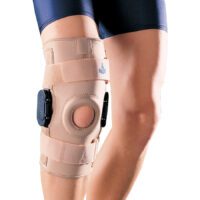
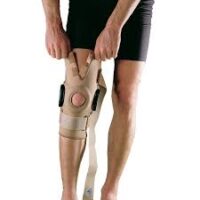
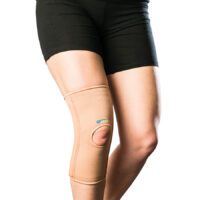
These knee support products are commonly used by our physiotherapists to help reduce strain, improve stability, and support your recovery at home.
-
-

 Exercise Balls, Back, Exercise Equipment, Knee, Shoulder
66fit Exercise Balls | Core & Rehab Stability Ball
$32.00 – $57.00Select optionsQuick View -
 Exercise Equipment, Knee, Resistance Band
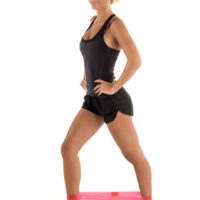
POW.R Fabric Mini Loop Bands
$12.00 – $55.00Select optionsQuick View -

 Calf, Elbow, Ice & Heat, Knee, Pain Management
Victor Elastic Cold Sleeve
$44.00 – $60.00Select optionsQuick View -
-


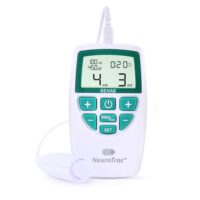
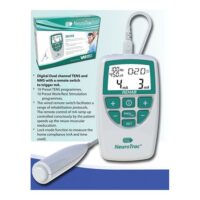
- EMS Machines, Pain Management, TENS Machine, TENS Machine & EMS
NeuroTrac Rehab (TENS Machine + EMS)
$285.00Add to cartQuick View -
-
-
-

- Liniments & Gels, Massage Liniments, Pain Management
Fisiocrem
$16.95 – $39.95Select optionsQuick View -
 Exercise Equipment, Resistance Band
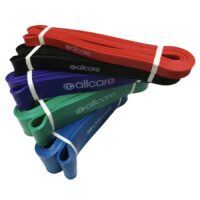
AllCare Powerloop Bands
$24.95 – $79.95Select optionsQuick View -




Related PhysioWorks Articles
- Meniscus Tear – Causes, Symptoms and Treatment
- Knee Pain Physiotherapy
- Knee Strengthening Exercises
- ACL Injury
- Patellofemoral Pain Syndrome
- Patellar Tendinopathy
- Physiotherapy Brisbane
Frequently Asked Questions
Can a torn meniscus heal without surgery?
Some torn meniscus injuries can improve without surgery, especially smaller stable tears in the outer red zone. Tears with limited blood supply may not fully heal structurally, but symptoms can still settle with physiotherapy, strength work, and activity changes.
Which meniscus tears are less likely to heal naturally?
Tears in the inner white zone are less likely to heal naturally because this area has poor blood supply. Large, displaced, or unstable tears are also less likely to settle without further review, especially when the knee locks or cannot straighten fully.
Do all meniscus tears need surgery?
No. Many meniscus tears do not need surgery. Degenerative and non-obstructive tears often respond well to education, exercise-based rehabilitation, and load management. Surgery may be considered when symptoms remain limiting or when the knee has true mechanical locking.
How long does a meniscus tear take to settle with physiotherapy?
Timeframes vary. Mild symptoms may improve over a few weeks. More persistent tears may need several months of progressive strengthening and activity planning. Recovery depends on tear type, swelling behaviour, strength, joint health, and sport or work demands.
When should I see a physiotherapist for a meniscus tear?
See a physiotherapist if knee pain, swelling, catching, giving way, or reduced movement affects your daily activity or sport. Seek prompt help if your knee locks, swells rapidly after injury, or will not fully straighten.
References
- Abram SGF, Hopewell S, Monk AP, Bayliss LE, Beard DJ, Price AJ. Arthroscopic partial meniscectomy for meniscal tears of the knee: a systematic review and meta-analysis. Br J Sports Med. 2020;54(11):652-663. doi:10.1136/bjsports-2018-100223
- Kise NJ, Risberg MA, Stensrud S, et al. Exercise therapy versus arthroscopic partial meniscectomy for degenerative meniscal tear in middle aged patients: randomised controlled trial with two year follow-up. BMJ. 2016;354:i3740. doi:10.1136/bmj.i3740
- Sihvonen R, Paavola M, Malmivaara A, et al. Arthroscopic partial meniscectomy versus sham surgery for a degenerative meniscal tear. N Engl J Med. 2013;369(26):2515-2524. doi:10.1056/NEJMoa1305189
- van de Graaf VA, Noorduyn JCA, Willigenburg NW, et al. Effect of early surgery vs physical therapy on knee function among patients with nonobstructive meniscal tears: the ESCAPE randomized clinical trial. JAMA. 2018;320(13):1328-1337. doi:10.1001/jama.2018.13308
- Noorduyn JCA, van de Graaf VA, Willigenburg NW, et al. Effect of physical therapy vs arthroscopic partial meniscectomy in people with degenerative meniscal tears: five-year follow-up of the ESCAPE randomized clinical trial. JAMA Netw Open. 2022;5(7):e2220394. doi:10.1001/jamanetworkopen.2022.20394
