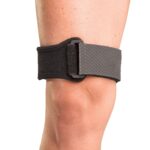
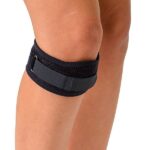
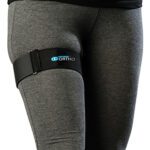
- Description
- Additional information
Description
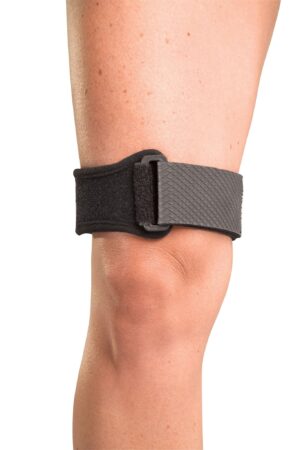
ITB Strap, iliotibial band strap, lateral knee pain support can help reduce outer-knee discomfort during running, cycling, and bushwalking by applying targeted compression above the kneecap.
Mueller ITB Strap
Why use an ITB strap?
Outer knee pain often builds with repeated knee bending, especially when your training load jumps, hills increase, or fatigue changes your control. A common cause is ITB syndrome, which can feel sharp or burning on the outside of the knee and may worsen on stairs or downhill running.
The Mueller ITB Strap helps by applying focused compression to the lower thigh, which can ease symptoms during activity. As a result, you may stay active while you work on longer-term fixes such as strength, mobility, and training changes.
How does it work?
This strap sits just above the kneecap and applies targeted pressure to the tissues linked with lateral knee pain. It aims to reduce irritation during repeated knee movement, which is common in running and cycling. The strap is adjustable, lightweight, and easy to fit before activity.
It also includes an antibacterial treatment to help control odours, which can keep it fresher with regular use.
What is it used for?
You can use the Mueller ITB Strap to support:
- ITB syndrome (outer runner’s knee)
- Lateral knee pain during running, hiking, or stairs
- Cycling-related outer knee irritation
- Return-to-activity support while settling symptoms
If your pain feels more like kneecap pain, this guide on runner’s knee can help you compare patterns. If you’re unsure what’s driving your symptoms, see knee pain causes for a broader checklist.
Instructions for use
- Slide the strap onto your leg.
- Position it just above the kneecap (as shown in the diagram).
- Pull the strap through the buckle and tighten to a firm, comfortable level.
- Secure with the hook-and-loop fastening.
Wear it during activity, then remove it after your session. If you get numbness, tingling, or worsening pain, loosen or remove the strap.
Care instructions
Hand wash in cold water using a mild detergent. Avoid bleach and fabric softeners. Rinse well and air dry fully before storing. Do not machine wash or tumble dry.
Important caution
This product contains natural rubber latex, which may cause allergic reactions in some individuals. It also includes a neoprene blend that may irritate skin. Stop use if a rash develops, or if pain persists, and seek medical advice.

Key benefits
- Targets outer knee discomfort linked with ITB irritation
- Supports running, cycling, hiking, and gym training
- Adjustable fit that stays secure during movement
- Lightweight design that doesn’t bulk out the knee
- Useful alongside rehab, load changes, and technique work
What to do next
If symptoms keep returning, it usually means your tissues still dislike the current training load, hills, or movement pattern. Start by reducing the aggravating volume for 7–14 days, then build back gradually. For practical guidance, review running injuries and consider a running analysis if your pain flares on the same routes or distances.
Choose your clinic and appointment pathway
Select a PhysioWorks clinic to continue to live booking, an appointment request or reception assistance.
Muscle & Soft Tissue Products
These muscle and soft tissue products are commonly used by our physiotherapists to relax or loosen muscles, improve strength, comfort, flexibility, and home exercise programs.
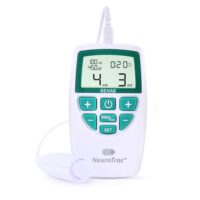
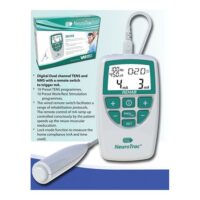
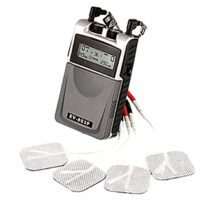
- EMS Machines, Pain Management, TENS Machine, TENS Machine & EMS
NeuroTrac Rehab (TENS Machine + EMS)
$285.00Add to cartQuick View -
-
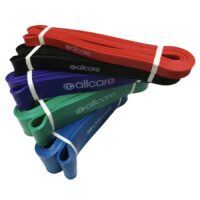
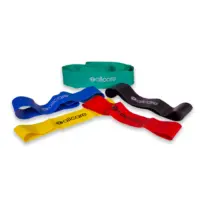
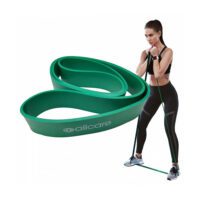 Exercise Equipment, Resistance Band
AllCare Powerloop Bands
$24.95 – $79.95Select optionsQuick View -
-
-
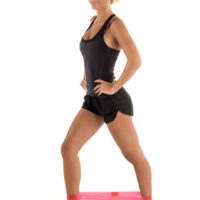
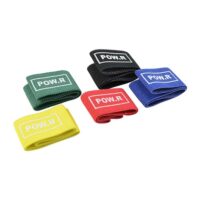 Exercise Equipment, Knee, Resistance Band
POW.R Fabric Mini Loop Bands
$12.00 – $55.00Select optionsQuick View -
- Liniments & Gels, Massage Liniments, Pain Management
Fisiocrem
$16.95 – $39.95Select optionsQuick View -
-
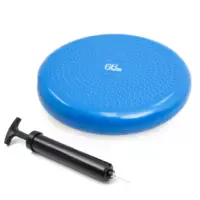
 Exercise Balls, Back, Exercise Equipment, Knee, Shoulder
66fit Exercise Balls | Core & Rehab Stability Ball
$32.00 – $57.00Select optionsQuick View -
-
-
-


For free rehab tips and training advice, follow PhysioWorks on social media via PhysioWorks social media.
References
For a plain-language overview of ITB syndrome and common triggers, see the Cleveland Clinic guide within this page: iliotibial band syndrome.
FAQs
Where should an ITB strap sit?
An ITB strap usually sits just above the kneecap on the lower thigh. This placement helps apply targeted compression to the tissues linked with outer knee symptoms during movement.
Can I run with an ITB strap?
Many people wear an ITB strap during runs to reduce discomfort, especially on hills or longer sessions. Still, pair it with sensible load changes and rehab so the issue does not keep returning.
Does an ITB strap cure ITB syndrome?
An ITB strap can help manage symptoms during activity, but it does not fix the underlying drivers on its own. You’ll usually get better results when you also address strength, control, training load, and recovery.
How tight should an ITB strap be?
Aim for firm and comfortable, not painful. If you get tingling, numbness, or a cold feeling in the leg, loosen it. If pain worsens, remove it and reassess placement and tension.
Can I wear an ITB strap all day?
Most people use it during activity, then take it off afterwards. Wearing it all day can irritate skin and may hide symptoms that need better load control or rehab.
What if my pain is not ITB syndrome?
Outer knee pain can come from several structures. If your symptoms do not match ITB patterns or they persist, use this guide on knee pain causes and consider a clinical assessment.
Additional information
| Weight | 0.1 kg |
|---|---|
| Dimensions | 4 × 8 × 17 cm |