
Neurological Rehabilitation
Neurological Rehabilitation with Exercise Physiology


Neurological rehabilitation through Exercise Physiology supports strength, mobility, balance, endurance and participation for people living with neurological conditions.
Physiotherapy often focuses on restoring movement patterns and early recovery. In contrast, Accredited Exercise Physiologists translate clinical evidence into structured, progressive exercise programs designed to build long-term functional capacity. For national physical activity guidance, see health.gov.au.
At PhysioWorks, neurological rehabilitation is delivered as part of coordinated, multidisciplinary care. You can also view our Neurological Physiotherapy hub for related conditions and support options.
Who can benefit from neurological rehabilitation?
People living with conditions affecting the brain, spinal cord or nervous system may benefit from structured exercise support, including:
- Stroke rehabilitation
- Parkinson’s disease
- Multiple sclerosis (MS)
- Spinal cord injury (SCI)
- Acquired brain injury (ABI)
- Cerebral palsy
- Other central nervous system disorders
Common challenges may include:
- Muscle weakness
- Impaired balance and coordination
- Reduced mobility
- Fatigue and reduced exercise tolerance
- Reduced cardiovascular fitness and deconditioning
What does neurological rehabilitation involve? Many people start with safe, supported movement, then gradually progress to more challenging strength, balance and walking tasks. Over time, your program aims to improve confidence, reduce falls risk, and help you return to everyday activities.
How Exercise Physiology supports neurological recovery
Individualised, evidence-based exercise programs
Programs are tailored to your condition, goals and capacity. Sessions may include:
- Aerobic training to support cardiovascular fitness and stamina
- Strength and resistance training to assist functional movement
- Balance and coordination training to reduce falls risk
- Functional task practice to improve everyday activities
- Pacing and fatigue-management strategies
Clinicians adjust exercise selection and dosage based on symptoms, recovery stage and day-to-day response. For clinics offering Exercise Physiology, see our PhysioWorks clinics page.
Supporting long-term functional capacity
Neurological rehabilitation does not stop after hospital discharge. Ongoing, structured exercise supports strength and mobility, reduces falls risk, and builds confidence with daily activities, work and leisure. With professional guidance, exercise intensity and complexity progress safely over time.
Neuroplasticity and exercise
Neuroplasticity refers to the nervous system’s ability to adapt and reorganise in response to learning and movement. Clinical research suggests appropriately prescribed exercise may support neurological adaptation through several mechanisms.
1) Brain structure and connectivity
Regular physical activity is associated with changes in brain regions involved in motor control, balance and cognition.
2) Neurotrophic support
Exercise is linked to increased levels of neurotrophic factors such as brain-derived neurotrophic factor (BDNF), which supports neural adaptability and motor learning.
3) Functional outcomes
In neurological populations, structured exercise participation is associated with improvements in physical function and, in some groups, cognitive performance. In post-stroke recovery, aerobic exercise may support cortical responsiveness and engagement with rehabilitation tasks.
4) Cerebrovascular health
Regular exercise supports cerebral blood flow and vascular health, which helps create an environment that supports neural function.
For NDIS participants
Exercise Physiology may be delivered under NDIS capacity-building supports when aligned with functional goals. Programs often focus on strength, endurance, balance, falls prevention, community participation and long-term self-management. Clear progress updates also support communication with support coordinators and plan managers. Learn more about NDIS services.
For referrers and GPs
Our Accredited Exercise Physiologists work alongside physiotherapists, medical practitioners and allied health providers to deliver evidence-informed neurological rehabilitation. We tailor programs to the person’s presentation, progress exercise systematically, and provide outcome updates where appropriate. You can also view Madison Stanley (Exercise Physiologist) for clinic locations and appointment options.
FAQs
Is exercise safe for neurological conditions?
When appropriately prescribed and supervised, exercise is safe and beneficial for many neurological conditions. Clinicians modify programs based on symptoms, fatigue levels and medical considerations.
Can exercise support recovery after stroke?
Exercise may support neuroplastic processes and functional recovery when integrated into a structured rehabilitation plan.
Does exercise help fatigue in MS?
Structured, appropriately dosed exercise may improve fatigue tolerance and physical capacity for many people with MS.
Can NDIS funding cover Exercise Physiology?
NDIS funding may support Exercise Physiology under capacity-building supports when the program links to functional goals in an approved plan.
What to do next
- Book an initial Exercise Physiology assessment so we can set safe starting points and clear goals.
- Bring any relevant scans, specialist letters, and your current medication list if available.
- If fatigue or balance changes day to day, tell us what a “good day” and a “bad day” look like so we can pace your program.
Choose your clinic and appointment pathway
Select a PhysioWorks clinic to continue to live booking, an appointment request or reception assistance.
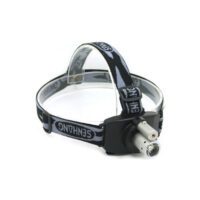
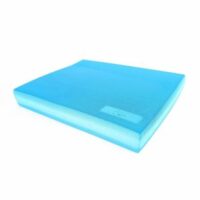
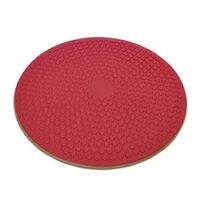
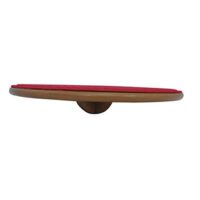
Balance Products
These balance products are commonly used by our physiotherapists to improve strength, balance, prevent injuries falls or injuries, plus assist home exercise programs.
- Gift Ideas, Back, Christmas Gift Ideas, Exercise Balls, Exercise Equipment, Knee, Pelvic Floor, Product Search
66fit Pilates Balls
$14.95 – $16.95Select optionsQuick View -
-
-
-






References
- Exercise & Sports Science Australia (ESSA). Exercise prescription and clinical guidance.
- Australian Physiotherapy Association (APA). Clinical guidance and professional resources.
- Rosso C, Brustio PR, Manuello J, Rainoldi A. Neuroplasticity of brain networks through exercise: a narrative review about effect of types, intensities, and durations. Sports. 2025;13(8):280. https://doi.org/10.3390/sports13080280
- Cardoso SV, Fernandes SR, Tomás MT. Therapeutic importance of exercise in neuroplasticity in adults with neurological pathology: systematic review. Int J Exerc Sci. 2024;17(1):1105–1119. https://doi.org/10.70252/VZWF7949
Related: Learn more about Exercise Physiology and our Neurological Physiotherapy resources.
