
NDIS Physiotherapy & Exercise Physiology
NDIS Physiotherapy & Exercise Physiology



If you have NDIS funding, you may be able to use it for physiotherapy and exercise physiology when the support matches your plan goals. At PhysioWorks, we help you build strength, balance, confidence, and day-to-day capacity with a clear plan and steady progressions.
Some people do well with independent exercise. Others need more structure, simpler steps, calmer pacing, or a more predictable environment. Clinician-led sessions can help when disability, pain, fatigue, sensory preferences, or coordination issues make activity harder to start or continue.
A physiotherapist can assess movement and help manage issues such as joint pain, muscle tightness, balance problems, and mobility limits that may sit alongside a primary disability.
An Accredited Exercise Physiologist (AEP) can guide safe physical activity and build a tailored exercise program that fits your goals, your capacity, and your routine.
NDIS funding at PhysioWorks: quick overview
If your NDIS plan includes Capacity Building supports, you may be able to use funding for physiotherapy or exercise physiology when sessions link to your functional goals.
Who it may suit:
- Participants working on mobility, strength, balance, or endurance
- People managing pain, stiffness, or movement restrictions
- Participants building confidence with daily activities or community access
- Those needing structured, supervised exercise progression
What you can book:
- NDIS physiotherapy assessments and treatment sessions
- Accredited exercise physiology sessions
- Structured exercise programs aligned with plan goals
Where sessions can occur:
- In our clinic gym (wheelchair accessible)
- At home (where suitable)
- In the community, park, public gym, or pool setting (when appropriate)
What to bring:
- Your NDIS plan or funding details
- Relevant reports or assessments
- A clear idea of your main functional goals
NDIS physiotherapy and exercise physiology
Start here if you want to learn more about NDIS-related care at PhysioWorks:
- NDIS Physiotherapy
- Exercise Physiology
- Exercise Programs
- Special Interest Rehab
- Neurological Physiotherapy
- Balance Problems
If your plan goals relate to neurological change, you may also like: Parkinson’s Disease Physiotherapy.
For official NDIS guidance on allied health providers, see: Allied health providers (NDIS).
Common question: Can NDIS funding cover physiotherapy or exercise physiology? In many cases, yes — when the support links to your plan goals and sits within the right funding category. Your plan manager or support coordinator can help confirm what applies in your plan.
NDIS support: what we can help with
These sessions often focus on practical, real-life outcomes:
- Balance, coordination, and falls risk reduction
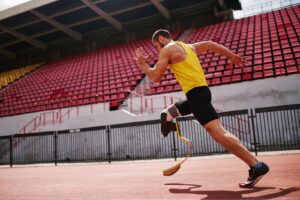
- Strength, power, and controlled speed for daily tasks
- Mobility, flexibility, and joint control
- Pacing and fatigue management during activity
- Pain-aware progressions and confidence with movement
- Adaptive equipment, exercise modifications, and home set-ups
- Upper and lower limb differences (strength, control, function)
- Safer walking, transfers, stairs, and community mobility
NDIS conditions we commonly support
NDIS participants come to us with many different support needs. Plans often support physiotherapy and exercise physiology when goals relate to function, independence, safety, and participation.
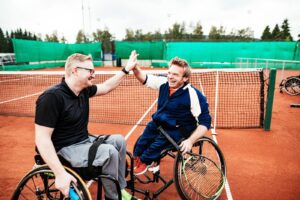
Examples may include autism, cerebral palsy, acquired brain injury, spinal cord injury, multiple sclerosis, stroke-related disability, and Parkinson’s disease.
Personalised programs for NDIS participants
Some people find exercise harder because of reduced body awareness, low muscle tone, core control challenges, balance limits, coordination differences, pain, or fatigue. An AEP can build a structured program and adjust the pace to suit your day-to-day capacity.
Meanwhile, a physiotherapist may help when pain, stiffness, spasticity, or movement restriction limits activity. If needed, we can also blend hands-on treatment with exercise-based care to help you move more comfortably.
Programs can target goals such as:
- easier stairs and transfers
- safer walking and better endurance
- stronger sitting posture and trunk control
- more confidence in community settings
- comfort and participation in sport or group exercise (when suitable)

Sensory preferences
If you or your participant has sensory sensitivities or preferences, tell us early. Then we can adjust the session set-up and make the plan easier to follow.
Options may include changes to noise, lighting, touch preferences, communication style, equipment tolerances, and routine. We can also use predictable session structure and simple progressions where helpful.
Come see our gym
- We use a wide range of equipment to support progressive exercise sessions.
- The gym is wheelchair accessible.
- If you prefer a different setting, sessions may be possible at home, outdoors, in a park, at a public gym, or in a pool setting (when suitable).
NDIS exercise physiology or physiotherapy: how to start
- Confirm your funding type – Check what supports your plan includes and whether therapy services fit within your funding category. If unsure, ask your plan manager or support coordinator.
- Choose your setting – Clinic sessions work well for equipment-based training. Home or community sessions can suit access needs or goal-based practice.
- Pick the right clinician – Choose physiotherapy if pain, stiffness, spasticity, or mobility restriction limits activity. Choose exercise physiology if the priority is building fitness, strength, and routine with a tailored program. Some people benefit from both.
- Book an initial assessment – Bring your goals, preferences, and any reports that help explain your support needs.
- Service agreement – This outlines fees, cancellation terms, and key conditions. Keep a copy for your records.
- Set a schedule – Regular session times make routines easier and support steady progress.
What to do next
Write down your main NDIS goals (for example: walking confidence, strength, balance, fitness, pain reduction, or safer daily activity). Next, bring your plan details and your preferred setting. Then we can discuss a practical starting point and pace your program to match your week.
Choose your clinic and appointment pathway
Select a PhysioWorks clinic to continue to live booking, an appointment request or reception assistance.
Strength Products
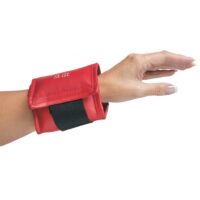
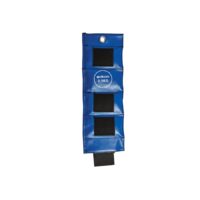
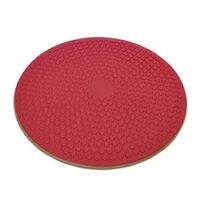
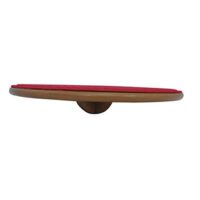
These strength products are commonly used by our physiotherapists to improve strength, controlled movement, plus assist home exercise programs.
-
-
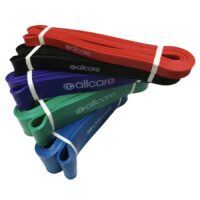
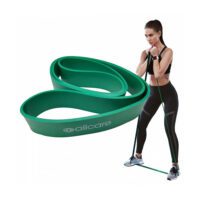 Exercise Equipment, Resistance Band
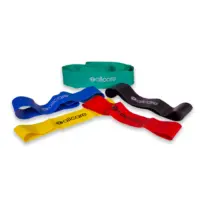
AllCare Powerloop Bands
$24.95 – $79.95Select optionsQuick View -
-

-
- Gift Ideas, Back, Christmas Gift Ideas, Exercise Balls, Exercise Equipment, Knee, Pelvic Floor, Product Search
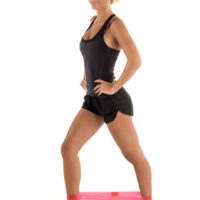
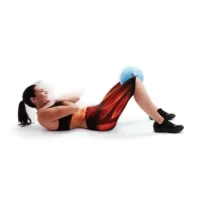
66fit Pilates Balls
$14.95 – $16.95Select optionsQuick View -
-


-
 Exercise Equipment, Resistance Band, Shoulder
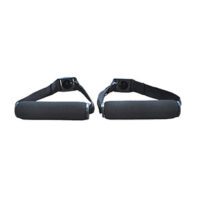
Resistance Band Anchor Stirrup
$13.00Add to cartQuick View -
 Exercise Equipment, Knee, Resistance Band
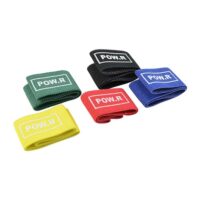
POW.R Fabric Mini Loop Bands
$12.00 – $55.00Select optionsQuick View - Exercise Equipment, Back, Elbow, Foot, Hand & Wrist, Knee, Resistance Band, Shoulder
Resistance Bands Pre-Packed 1.5m
$10.95Select optionsQuick View -





Social Media
Stay informed about pain, joint, tendon and muscle health, plus recovery tips by following us on social media. We share practical advice, exercises, and prevention strategies to help you stay active.


References
- Moncion K, et al. Higher-intensity aerobic exercise after stroke: systematic review with Bayesian network meta-analysis. Br J Sports Med. 2024.
- Du L, et al. Effects of exercise in people with multiple sclerosis: systematic review and meta-analysis. Front Public Health. 2024.
- Xiao J, et al. Effects of exercise intervention on balance function in children with cerebral palsy: systematic review and meta-analysis. 2024.
- Costa RRG, et al. Tele-exercise in individuals with spinal cord injury: systematic review. 2025.
- Ernst M, et al. Physical exercise for people with Parkinson’s disease. Cochrane Database Syst Rev. 2023.
