
Joint Pain Relief


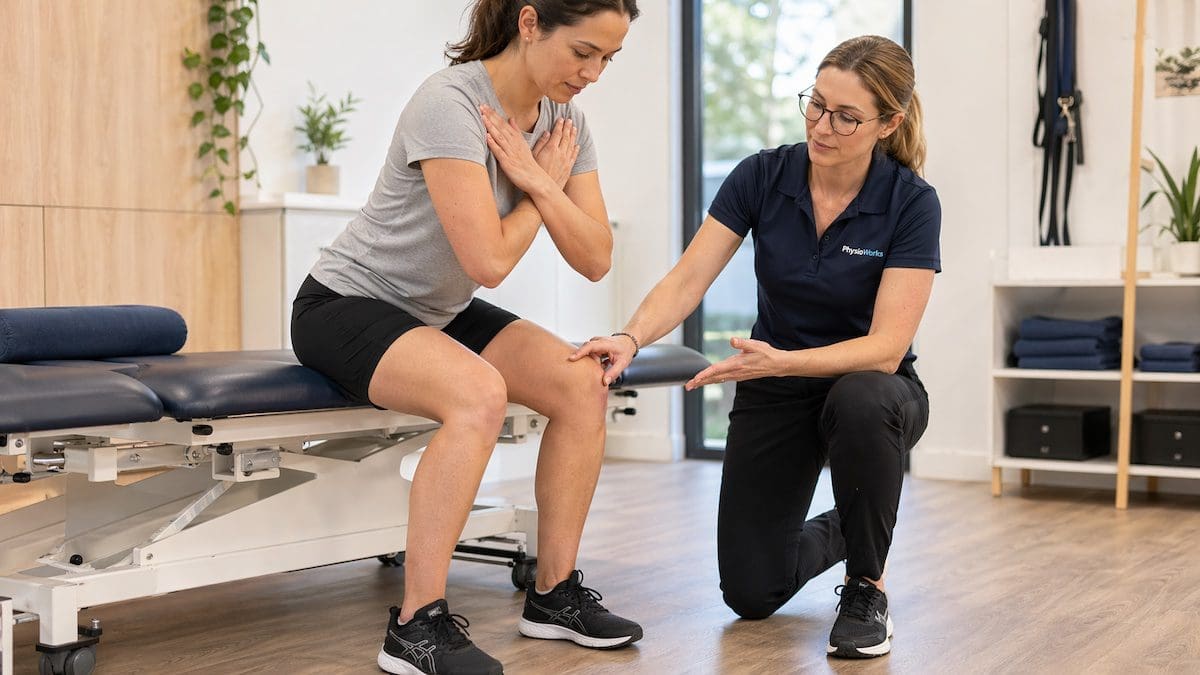
Joint pain relief starts by working out what is making the area sore. Pain may come from the joint itself, nearby tendons or bursae, a recent load increase, an injury, or a condition such as arthritis.
Most joint pain does not require complete rest. Many people benefit from safe movement, temporary load changes and progressive strength work. The right approach depends on the painful area, how symptoms began and what you need to return to.
Quick answer: Keep comfortable movement going where possible. Reduce activities that clearly aggravate symptoms, then rebuild strength and activity gradually. Seek an assessment when pain persists, repeatedly flares or limits normal daily tasks.
Is the Pain Coming From the Joint Itself?
Pain felt around a joint does not always arise from the joint surfaces. Several structures sit close together and can produce similar symptoms.
The joint
Joint surfaces, the joint capsule or arthritis-related irritation may cause stiffness, swelling, aching or reduced movement.
Nearby soft tissues
Tendons, bursae, muscles and ligaments can become painful after overload, compression or injury.
Referred pain
Nerves or another body region may refer pain towards a joint. The painful spot may not be the main source.
More than one factor
Strength, mobility, workload, sleep, recovery and confidence can all affect how the joint responds to activity.
Why Does Joint Pain Happen?
Joint pain may start after a twist, fall, new exercise, long work shift or sudden increase in walking, running or gym load. Sometimes symptoms develop gradually because the joint and surrounding tissues are not yet tolerating the demands placed on them.
Arthritis can also cause joint pain and stiffness. Symptoms may be more noticeable after rest, first thing in the morning or after a demanding day. An arthritis flare can be uncomfortable without necessarily meaning that the joint has been newly damaged.
Common examples include knee pain, hip pain and shoulder pain. Each area has different movement and loading demands, so treatment should match the region rather than rely on one generic exercise plan.
What Are Common Joint Pain Symptoms?
Joint pain can present differently depending on the cause and body region. Common symptoms include:
- aching, catching or sharper pain during movement
- stiffness after sleep, sitting or other periods of rest
- swelling, warmth or a feeling of pressure around the joint
- clicking or grinding with or without pain
- reduced movement, strength or confidence
- pain during walking, stairs, lifting, work, exercise or sport
When Does Joint Pain Need Faster Assessment?
Some patterns require medical assessment rather than routine self-management. Use the level below that best matches your situation.
Seek urgent medical assessment
- a hot, very swollen joint together with fever or feeling unwell
- major trauma, visible deformity or sudden inability to bear weight
- rapidly increasing weakness, numbness or loss of limb control
- severe pain that is quickly worsening or feels medically unusual
Arrange a prompt clinical review
- recurrent locking or the joint repeatedly giving way
- marked swelling after a fall, twist or sporting incident
- unexplained night pain that does not change with position
- persistent weakness or loss of normal joint movement
Consider a physiotherapy assessment
- pain continues beyond the expected settling period
- symptoms keep returning when activity increases
- pain limits work, sleep, exercise or daily activity
- you are unsure which exercises or loads are appropriate
How Can Physiotherapy Support Joint Pain Relief?
Physiotherapy aims to identify the likely pain drivers, keep useful movement going and rebuild the joint’s capacity for the activities that matter to you.
Understand the pain pattern
Your physiotherapist reviews how symptoms began, which movements aggravate them and whether the joint or nearby tissues appear to be involved.
Settle the flare
Treatment may include activity changes, movement advice, hands-on care and short-term supports when these help you stay active.
Rebuild strength and capacity
Progressive exercise helps prepare the joint and surrounding muscles for walking, lifting, work, gym, running or sport.
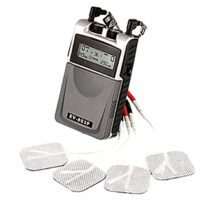
Some people may also use tape, braces, orthotics, heat, ice or TENS for short-term symptom support. These options should support rehabilitation rather than replace movement and strength work. Our TENS machine instructions explain the basic safety principles.
Should You Rest or Keep Moving?
Short-term rest may help after a new flare or injury. However, completely avoiding movement for too long may increase stiffness, reduce strength and make returning to activity harder.
A practical response guide: a mild and temporary increase in symptoms may be acceptable. Reduce the next session if pain becomes clearly stronger, function drops or symptoms remain elevated longer than expected.
Keep the load similar when
Symptoms remain mild, movement feels controlled and you return to your usual baseline within a reasonable period.
Reduce the next session when
Pain rises sharply, movement quality worsens or the activity causes a clear and prolonged flare.
What Exercise May Help Sore Joints?
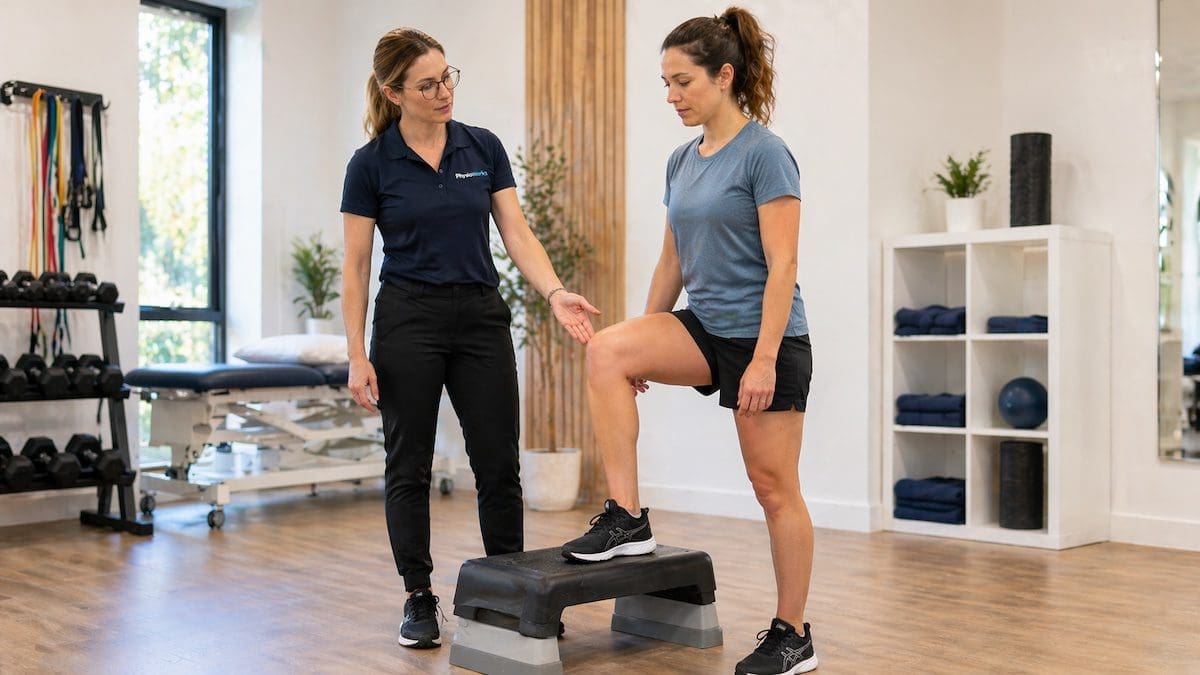
Many sore joints respond well to a combination of strength exercise, mobility work and low-impact cardiovascular activity. Walking, cycling, pool exercise and gym-based strength work may all be useful when matched to your current capacity.
Begin with a level that feels controlled. Then increase one variable at a time, such as repetitions, resistance, duration, speed or movement range. A structured exercise program may help when symptoms have limited your usual activity.
Which Area Hurts?
Choose the region that best matches your symptoms. These links provide more specific information about common pain patterns and conditions.
What Else May Help Joint Pain Relief?
For arthritis-related joint pain, consistent exercise and sensible load progression can help maintain movement and function. Read more about managing arthritic joint pain.
Work and sporting pain may improve when you change the dose, timing or technique of an activity rather than stopping it completely. The injury prevention essentials guide outlines practical ways to build capacity and manage training demands.
For an independent overview of common joint pain causes and warning signs, see the MedlinePlus guide to joint pain.
Joint Pain Relief FAQs
Why do my joints hurt without an injury?
Joint pain can begin without one clear incident. Common contributors include a sudden change in activity, arthritis, stiffness, reduced strength, tendon irritation or pressure on a nearby bursa. Sometimes pain felt at a joint comes from another structure or body region.
Should I rest joint pain or keep moving?
Short-term rest may help after a new flare. In many cases, comfortable movement is better than stopping completely. Reduce the activities that clearly aggravate symptoms, maintain easier movement and rebuild your normal activity in manageable stages.
What exercises help joint pain relief?
Strength exercise, mobility work and low-impact cardiovascular activity often form part of joint rehabilitation. The best exercises depend on the painful joint, the likely cause, your current capacity and the activities you want to resume.
When should I see a physiotherapist for joint pain?
Consider physiotherapy when joint pain persists, repeatedly returns, limits normal activity or leaves you unsure how to exercise safely. Seek faster medical assessment for a hot, markedly swollen joint, fever, major trauma, deformity or sudden inability to bear weight.
Can physiotherapy help arthritis-related joint pain?
Physiotherapy may help people with arthritis improve movement, strength, confidence and activity tolerance. Management usually combines exercise, load guidance and practical strategies for managing flare-ups while remaining as active as possible.
What to Do Next
Note when your symptoms began, which activities aggravate them and how long a flare takes to settle. Keep comfortable movement going, but temporarily reduce loads that cause a strong or prolonged reaction.
If pain continues, repeatedly returns or limits your daily life, book a physiotherapy assessment. A clear diagnosis and graded plan can reduce guesswork and help you return to normal activity with greater confidence.
Choose your clinic and appointment pathway
Select a PhysioWorks clinic to continue to live booking, an appointment request or reception assistance.
Muscle & Soft Tissue Products
These muscle and soft tissue products are commonly used by our physiotherapists to relax or loosen muscles, improve strength, comfort, flexibility, and home exercise programs.
-
 Exercise Equipment, Resistance Band
AllCare Powerloop Bands
$24.95 – $79.95Select optionsQuick View - EMS Machines, Pain Management, TENS Machine, TENS Machine & EMS
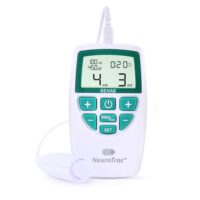
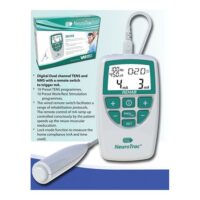
NeuroTrac Rehab (TENS Machine + EMS)
$285.00Add to cartQuick View - Liniments & Gels, Massage Liniments, Pain Management
Fisiocrem
$16.95 – $39.95Select optionsQuick View -
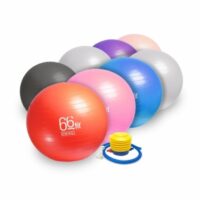
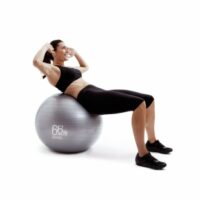 Exercise Balls, Back, Exercise Equipment, Knee, Shoulder
66fit Exercise Balls | Core & Rehab Stability Ball
$32.00 – $57.00Select optionsQuick View -
-
-
-
-
-
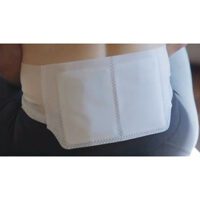
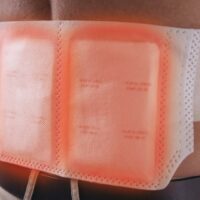
-
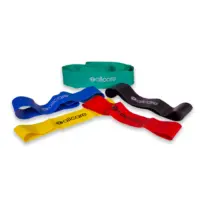
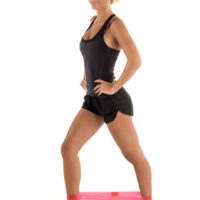
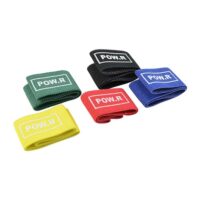 Exercise Equipment, Knee, Resistance Band
POW.R Fabric Mini Loop Bands
$12.00 – $55.00Select optionsQuick View -

-
-






References
- Zhu B, Ba H, Kong L, et al. The effects of manual therapy in pain and safety of patients with knee osteoarthritis: a systematic review and meta-analysis. Syst Rev. 2024;13:91. doi:10.1186/s13643-024-02467-7.
- Yan L, Li D, Xing D, et al. Comparative efficacy and safety of exercise modalities in knee osteoarthritis: systematic review and network meta-analysis. BMJ. 2025;391:e085242. doi:10.1136/bmj-2025-085242.
- Si J, Sun L, Li Z, et al. Effectiveness of home-based exercise interventions on pain, physical function and quality of life in individuals with knee osteoarthritis: a systematic review and meta-analysis. J Orthop Surg Res. 2023;18:503. doi:10.1186/s13018-023-04004-z.
- Wu Y, Zhu F, Chen W, Zhang M. Effects of transcutaneous electrical nerve stimulation in people with knee osteoarthritis: a systematic review and meta-analysis. Clin Rehabil. 2022;36(4):472-485. doi:10.1177/02692155211065636.
