
Pain Relief Medication for Muscle & Joint Pain
Medications for pain management

Topical liniments such as Fisiocrem may provide temporary relief for muscle aches.
Medications in pain management
Pain relief medications can reduce symptoms enough to help you move more comfortably and start rehab. Physiotherapists often work alongside your GP and pharmacist, especially when pain affects sleep, work, or sport.
However, medications can cause side effects and interact with other health conditions. Always follow the label, and discuss the safest option for you with your doctor or pharmacist.
For a broader plan (not just medication), start with our pain management hub, plus guides on acute injury care and physiotherapy treatments.
People often ask: “What’s the safest way to manage pain without relying on tablets?” In many cases, a mix of short-term symptom control plus a step-by-step return to activity works better than any single medication on its own.
Analgesics
Analgesics are often used for short-term symptom relief after an injury flare-up. In practice, this may help you stay active, sleep better, and start a graded rehab plan. Your pharmacist or doctor can advise what suits your medical history and other medicines.
Anti-inflammatory medications
Anti-inflammatories may help when pain involves inflammation and swelling. They are not suitable for everyone, so it’s important to check safety first (especially if you have stomach, kidney, heart, or bleeding risks).
If you want a plain-language overview of NSAID benefits and risks, the NCBI Bookshelf summary provides a useful, non-commercial reference on indications and side effects. Nonsteroidal anti-inflammatory drugs (NSAIDs) – NCBI Bookshelf
Nerve pain medicines (neuropathic pain)
Some pain behaves like “nerve pain” rather than tissue soreness. People often describe burning, pins-and-needles, electric shocks, or sensitivity to light touch. In these cases, doctors may consider medicines that target nerve signalling (rather than inflammation).
These options are not for everyone. Dose, timing, and suitability depend on your health history and other medicines. If you suspect nerve pain, start with a proper assessment. You can also read our guide to nerve pain for practical treatment ideas and common warning signs.
Muscle relaxants
When muscle spasm becomes a major driver of pain, some people are prescribed muscle relaxants. These can cause drowsiness and other side effects, so your doctor should guide their use. In physiotherapy, we focus on addressing why the muscle is guarding and building safer movement strategies.
Opioids (strong pain medicines)
Opioids may be prescribed for severe, short-term pain in specific situations. However, they can cause side effects such as drowsiness, constipation, nausea, and impaired reaction time. They also carry risks with longer use, including tolerance and dependence.
Because of these risks, it’s important that any opioid plan is guided by your doctor, with clear goals and regular review. If you’re using strong pain relief, it’s also worth discussing safe activity, driving, work, and sleep strategies while you recover.
Topical creams and liniments
Topical products (gels, creams, liniments) can provide short-term, local relief. Many people use them alongside active rehab, particularly for muscle soreness and mild soft-tissue flare-ups.
If you’d like to see common options, browse our pain management products or our liniments and gels. Two examples include Fisiocrem and ActivFlex Pain Relief Gel.
Extra pain relief strategies that often help day-to-day
Keep moving, but change the load
Complete rest often increases stiffness and sensitivity. Instead, aim for comfortable movement and gradually build your tolerance. A physiotherapist can guide the right starting point and progression.
Heat, cold, and compression
Heat may help stiffness and muscle guarding. Cold may help after a flare-up. Compression can feel supportive for some people. These strategies usually work best as short-term symptom tools while you keep moving.
Sleep and stress support
Pain commonly worsens when sleep is poor or stress is high. Simple steps like a regular bedtime, a wind-down routine, and paced daily activity can reduce flare-ups for many people.
Pacing for persistent pain
If pain has lingered for weeks or months, pacing can help. That means doing a manageable amount regularly, then building slowly. This approach often reduces boom–bust cycles and supports more consistent progress.
Targeted exercises and rehab
Exercise choice matters. Strength, mobility, balance, and graded exposure can improve confidence and function. Start with your musculoskeletal physiotherapy assessment so your plan matches the cause of your pain.
Common questions about pain relief medications
Should I “push through” pain or use medication?
Often, the goal is not to mask pain and do more than your tissue can handle. Instead, aim for comfortable movement and a gradual build in load. If pain blocks sleep or basic activity, discuss medication options with your GP or pharmacist while you work on recovery.
Do anti-inflammatories slow healing?
Some medications can influence early tissue processes in certain situations. Because this varies by injury type and personal health factors, it’s safest to discuss timing and suitability with your doctor or pharmacist, while your physiotherapist guides your rehab plan.
What if my pain feels like nerve pain?
Nerve pain can feel burning, sharp, electric, or sensitive to light touch. Your doctor may consider medicines that target nerve signalling. A physiotherapist can also help by addressing movement, sensitivity, and contributing factors. If symptoms are worsening or you notice increasing numbness, weakness, or spreading symptoms, seek medical review.
Are opioids a good option for ongoing pain?
Opioids can help in some short-term situations. For longer-term pain, the risks often rise while benefits may fall. Your doctor should guide any opioid plan, including duration, review, and safe tapering where appropriate.
Can medication replace physiotherapy?
Medication may reduce symptoms, but it rarely addresses the driver of recurring pain by itself. Many people improve faster when symptom control pairs with targeted rehab, activity changes, and a return-to-function plan.
For related guides, you may also find these pages helpful: muscle pain and neck pain medication options.
What to do next
If pain is severe, worsening, or linked with red flags (fever, unexplained weight loss, significant trauma, new weakness or numbness, or bowel/bladder changes), see your doctor urgently.
Otherwise, a physiotherapist can assess what is driving your pain and build a plan that improves movement, strength, and confidence. At the same time, your doctor or pharmacist can help you choose medication options that fit your medical history.
Choose your clinic and appointment pathway
Select a PhysioWorks clinic to continue to live booking, an appointment request or reception assistance.
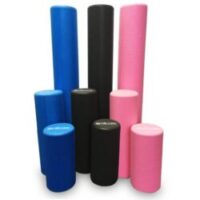
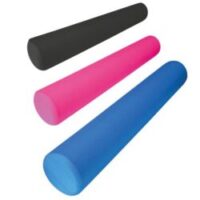
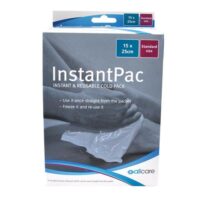
Pain Products
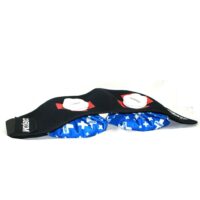
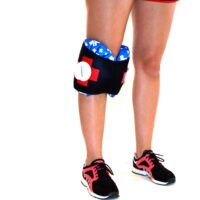
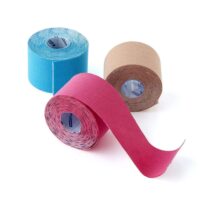
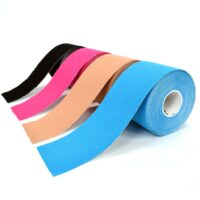
These pain products are commonly used by our physiotherapists to provide comfort and pain relief.
-
-
-


-
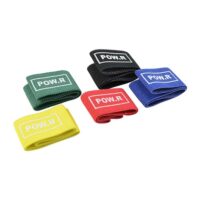 Exercise Equipment, Knee, Resistance Band
POW.R Fabric Mini Loop Bands
$12.00 – $55.00Select optionsQuick View -
-
-
-

-


-
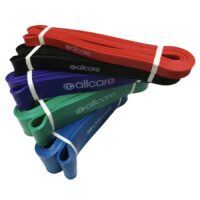
 Exercise Equipment, Resistance Band
AllCare Powerloop Bands
$24.95 – $79.95Select optionsQuick View -
- Liniments & Gels, Massage Liniments, Pain Management
Fisiocrem
$16.95 – $39.95Select optionsQuick View -
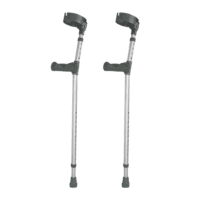 Ankle, Back, Braces & Supports, Calf, Foot, Groin, Heel, Hip, Knee, Thigh, Walking
Forearm Crutches
$64.00Select optionsQuick View -




References
- El-Tallawy SN, Nalamasu R, Salem GI, et al. Management of musculoskeletal pain: an update with emphasis on chronic musculoskeletal pain. J Pain Res. 2021;14:1151-1162. https://pmc.ncbi.nlm.nih.gov/articles/PMC8119532/
- Shi C, Wang Q, Zhou X, et al. Multidisciplinary guidelines for the rational use of topical non-steroidal anti-inflammatory drugs for musculoskeletal pain. J Pain Res. 2023;16:317-343. https://pmc.ncbi.nlm.nih.gov/articles/PMC9966446/
- Hopkins S, O’Neill J. Choosing a nonsteroidal anti-inflammatory drug for pain. Br J Gen Pract. 2025. https://pmc.ncbi.nlm.nih.gov/articles/PMC12378001/
FAQs
What medications are commonly used for injury pain?
People commonly use simple analgesics, anti-inflammatory medicines, and topical gels or creams. Your GP or pharmacist can advise what is appropriate based on your symptoms, health history, and other medicines.
Are anti-inflammatory medicines safe for everyone?
No. Some people should avoid them due to stomach, kidney, heart, bleeding, or medication interaction risks. A pharmacist or doctor can help you choose safer options.
What if my pain feels like nerve pain?
Nerve pain can feel burning, sharp, electric, or sensitive to light touch. Your doctor may consider medicines that target nerve signalling. A physiotherapist can also help with movement, sensitivity, and contributing factors.
Are opioids a good option for ongoing pain?
Opioids can help in some short-term situations. For longer-term pain, the risks often rise while benefits may fall. Your doctor should guide any opioid plan and review it regularly.
Can physiotherapy work alongside medication?
Yes. Medication may reduce symptoms, while physiotherapy targets the driver of pain with assessment, exercise, pacing, and a return-to-activity plan.
