
Pain Management Physiotherapy


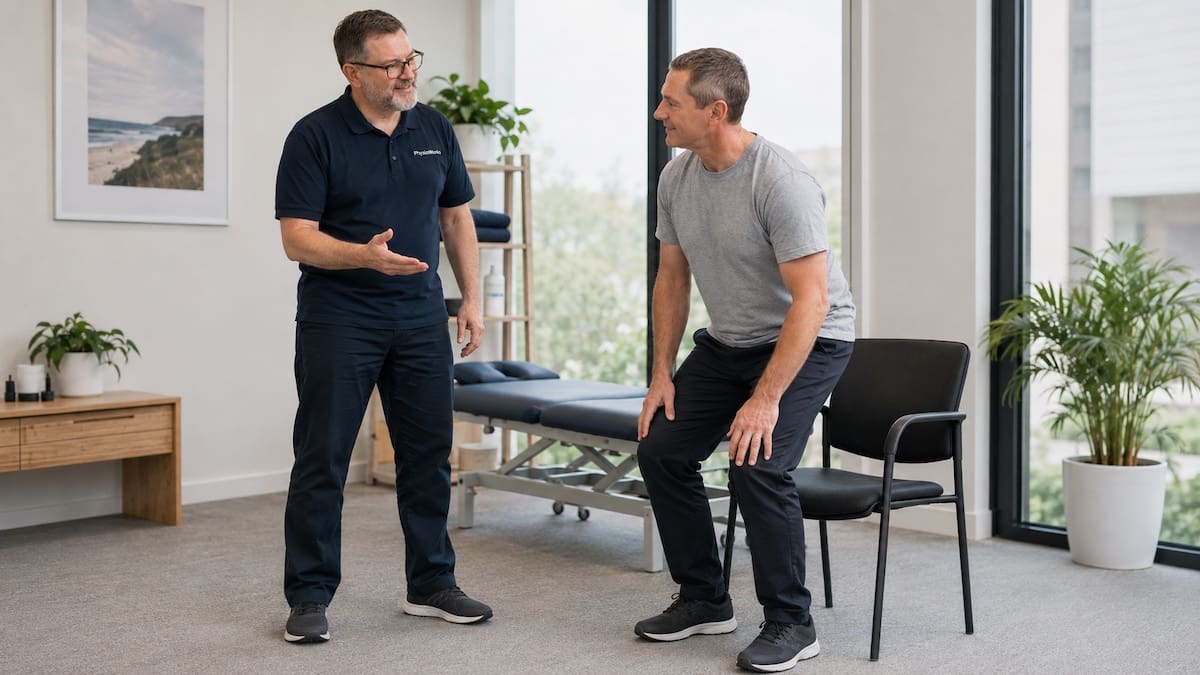
Physio discusses pain patterns, movement and practical recovery strategies during a whole-person assessment.
Pain management physiotherapy aims to reduce pain, restore movement and help you return to daily activities with greater confidence. Pain does not always match the amount of tissue damage. Instead, your nervous system, past injuries, sleep, stress, general health and recent changes in activity can all influence how strongly you feel pain.
Pain is always real. However, the factors driving it can differ from one person to another. A clear assessment can help identify likely pain mechanisms, rule out important medical concerns and guide a practical treatment plan. You may also find our guides to what pain is and pain and related conditions helpful.
Quick Answer
Pain management physiotherapy may combine assessment, education, graded movement, exercise, pacing and short-term symptom-relief strategies. Treatment aims to improve function and confidence while identifying whether pain is mainly nociceptive, neuropathic, nociplastic or a mixture of several mechanisms.
What Is Pain Management?
Pain management is the process of reducing pain-related distress, improving movement and helping you return to meaningful activity. It often combines several strategies rather than relying on one treatment alone.
Your plan may include education, graded exercise, pacing, hands-on treatment, sleep and recovery advice, and support for returning to work, exercise or sport. The most appropriate approach depends on your symptoms, health, goals and the factors that appear to be influencing your pain.
Pain Management at a Glance
- Pain may be acute, recurrent or persistent.
- Pain intensity does not always reflect tissue damage.
- Nerve-related pain may feel burning, shooting or electric.
- Stress, poor sleep and sudden load changes may increase symptoms.
- Graded movement usually supports recovery better than prolonged rest.
- Assessment can help identify the main pain drivers and suitable next steps.
How Is Pain Classified?
Pain can be described in several ways. Health professionals may classify it by its likely mechanism, duration, location or clinical presentation. These categories can overlap, and one person may experience more than one type of pain at the same time.
Nociceptive Pain
Nociceptive pain usually relates to actual or threatened irritation of body tissues. It may follow a muscle strain, joint sprain, fracture, inflammation or other tissue injury. The pain often changes with movement, pressure or load.
Neuropathic Pain
Neuropathic pain results from a lesion or disease affecting the somatosensory nervous system. It may feel burning, shooting, electric or unusually sensitive. Pins and needles, numbness or weakness may also occur.
Nociplastic Pain
Nociplastic pain involves altered pain processing without clear evidence that tissue damage or a nerve lesion fully explains the symptoms. Pain may become widespread, persistent or more sensitive to movement, touch, stress, poor sleep or fatigue.
Mixed Pain
Many presentations involve more than one mechanism. For example, someone may have local tissue irritation together with nerve sensitivity and increased nervous-system sensitivity after repeated flare-ups.
Somatic Pain
Somatic pain is a broad term for pain arising from structures such as muscles, tendons, joints, bones, ligaments and skin. It commonly sits within the nociceptive pain category and may feel localised, aching, tender or sore with movement.
Radicular Pain
Radicular pain travels along the distribution of a spinal nerve root. It may occur with spinal conditions such as a bulging disc and can contribute to symptoms such as sciatica. A pinched or irritated nerve may also cause pain, pins and needles, numbness or weakness in a recognisable pattern.
What Is the Difference Between Acute and Chronic Pain?
Acute and chronic describe how long pain has lasted. By contrast, nociceptive, neuropathic and nociplastic describe possible pain mechanisms.
Acute Pain
Acute pain commonly follows a new injury, procedure or flare-up. It often improves as tissues settle, normal movement returns and the body becomes less protective.
Chronic or Persistent Pain
Chronic pain lasts or repeatedly returns for more than three months. It does not always mean that tissue damage is continuing. Reduced activity tolerance, nervous-system sensitivity, fear, disrupted sleep and protective movement patterns may all contribute.
Why Can Pain Continue After Tissue Healing?
Pain can continue after tissue healing because pain is a protective experience produced by the nervous system. When symptoms persist, the system may remain more alert and responsive than necessary.
Repeated flare-ups, uncertainty, poor sleep, stress, previous painful experiences and long periods of guarding may increase sensitivity. As a result, normal movements, light pressure or everyday activities can feel more threatening or painful.
This does not mean that pain is imagined. Instead, it means that pain can continue even when tissue injury is no longer the only or main factor. Treatment may then focus on reducing sensitivity, restoring confidence and gradually rebuilding capacity.
What Factors Can Increase Pain?
Pain often changes from day to day. Several physical, medical and lifestyle factors may influence it.
Load and Movement
A sudden increase in work, exercise, lifting or repetitive activity may trigger a flare-up. Long periods of inactivity can also reduce your tolerance to movement.
Sleep and Fatigue
Poor sleep and ongoing fatigue may increase pain sensitivity, reduce recovery and make activity feel more difficult.
Stress and Worry
Stress, uncertainty and fear of damage may increase muscle guarding and nervous-system alertness.
General Health
Inflammatory conditions, infections, metabolic health, medication changes and other medical issues may affect symptoms.
Past Experiences
Previous injuries, painful procedures or repeated flare-ups may influence how strongly the body responds to a new symptom.
Mood and Confidence
Low mood, distress or reduced confidence may change activity levels and make pain harder to manage.
What Does Pain Management Physiotherapy Involve?
A physiotherapist will first assess your symptoms, movement, medical history and functional limits. They will then develop a plan that reflects your goals and the likely factors contributing to your pain.
1. Assessment and Explanation
Your physiotherapist will ask about the pain location, behaviour, triggers, easing factors, sleep, work, exercise and daily activity. They may assess movement, strength, sensation, reflexes or functional tasks when relevant.
2. Clear Advice and Reassurance
A clear explanation may reduce uncertainty and help you understand what is safe. Your physiotherapist should also explain warning signs, expected recovery and when medical review or further investigation may be appropriate.
3. Graded Activity and Exercise
Most plans include movement or exercise that starts at a manageable level and progresses over time. Someone with lower back pain, for example, may begin with short walks, mobility exercises and basic strength work before progressing towards lifting, running or sport.
4. Load Management and Pacing
Pacing spreads activity across the day or week and helps avoid large swings between overactivity and prolonged rest. The aim is not to avoid activity, but to increase it in a planned and sustainable way.
5. Hands-On Treatment When Appropriate
Manual therapy, joint mobilisation and soft-tissue techniques may provide short-term symptom relief or improve movement. These treatments usually work best when they support active rehabilitation rather than replace it.
6. Recovery and Self-Management
Your plan may include advice about sleep routine, daily movement, flare-up management and returning to meaningful activities. The goal is to give you practical strategies that reduce reliance on repeated treatment.

Physio explains how pacing and gradual activity progression can support a more confident return to movement.
Can Exercise Help Persistent Pain?
Graded exercise can help many people improve strength, mobility, stamina and confidence. The starting level matters. Exercise that is too difficult may cause an avoidable flare-up, while exercise that is too easy may not build enough capacity.
A physiotherapist can help you choose an appropriate dose and progression. Some discomfort during or after exercise may be acceptable, provided it remains manageable and settles within an agreed timeframe. Severe, rapidly increasing or unfamiliar symptoms require reassessment.
A Practical Exercise Principle
Start with an amount you can repeat consistently. Progress one variable at a time, such as duration, repetitions, resistance, speed or frequency.
How Does Pacing Help Pain?
Pacing helps prevent the boom-and-bust cycle. This cycle occurs when someone does much more activity on a better day, experiences a major flare-up, then rests for several days before trying again.
Instead, use a repeatable baseline. Break large tasks into smaller parts, use planned rests and increase activity gradually. Over time, this can improve consistency and reduce the fear associated with flare-ups.
Can Hands-On Treatment Help?
Hands-on treatment may reduce symptoms and improve movement in the short term. However, passive treatment alone may not address reduced strength, activity tolerance, sleep, confidence or other factors influencing persistent pain.
Your physiotherapist may combine manual therapy with education and exercise. The balance should shift towards self-management as your capacity and confidence improve.
What Pain-Relief Tools May Help?
Heat, ice and electrical stimulation may provide temporary relief for some people. These tools can make movement or exercise more comfortable, but they rarely address every factor contributing to persistent pain.
A TENS machine delivers mild electrical stimulation through skin electrodes. Some people use TENS as part of a broader pain-management plan. Read how to use a TENS machine before applying one.
Check Before Using a Pain-Relief Device
Seek professional advice if you have reduced skin sensation, an implanted electrical device, unexplained symptoms, pregnancy-related precautions or uncertainty about electrode placement.
When Is a Team Approach Helpful?
Persistent or complex pain may benefit from coordinated care. Depending on your needs, this may involve your GP, physiotherapist, psychologist, pain specialist, pharmacist, occupational therapist or exercise professional.
A team approach may be particularly helpful when pain strongly affects sleep, mood, work participation, medication use, physical activity or family life. Your physiotherapist can communicate with other health professionals when broader assessment or support is appropriate.
How Long Does Pain Management Take?
Recovery timeframes vary. Some acute pain settles within days or weeks. Persistent pain often improves more gradually over weeks or months as you rebuild strength, activity tolerance and confidence.
Progress may not follow a straight line. Temporary flare-ups can occur when activity changes, stress rises or sleep worsens. A useful plan includes clear flare-up strategies so that a short-term increase in pain does not completely stop your progress.
What Should You Avoid When You Are in Pain?
Avoid sudden spikes in activity, prolonged rest-only approaches and repeatedly pushing through severe symptoms. Also avoid assuming that every painful movement is causing damage.
Instead, aim for regular movement that remains within an agreed tolerance. Adjust the activity, range, speed, load or duration before stopping altogether. Seek reassessment if symptoms change significantly or your function continues to decline.
When Should You Seek Urgent Medical Care?
Call Triple Zero (000) or attend an emergency department if pain occurs with chest pain, severe breathing difficulty, major trauma, sudden severe weakness, loss of consciousness or signs of a serious acute illness.
Seek prompt medical assessment if you develop worsening limb weakness, numbness around the groin or saddle region, new bladder or bowel changes, fever with severe pain, unexplained weight loss, severe night pain, significant balance changes or symptoms that are rapidly worsening.
Related Pain Guides
- Pain: Types, Causes and Treatment Options
- What Is Pain?
- What Is Nerve Pain?
- What Is Chronic Pain?
- What Causes Post-Exercise Muscle Pain?
Common Questions About Pain Management
What does pain management physiotherapy involve?
Pain management physiotherapy may combine assessment, education, graded exercise, pacing and hands-on treatment when suitable. The aim is to improve movement, function and confidence while helping you manage symptoms more independently.
What is the difference between acute and chronic pain?
Acute pain commonly follows a recent injury, procedure or flare-up. Chronic pain lasts or repeatedly returns for more than three months. Persistent pain may involve ongoing tissue irritation, nerve-related pain, altered pain processing or a mixture of factors.
How do I know if my pain is nerve pain?
Nerve-related pain may feel burning, shooting, electric or unusually sensitive. Pins and needles, numbness or weakness may also occur. However, these symptoms do not confirm a diagnosis by themselves, so assessment may be helpful.
Can exercise help chronic pain?
Graded exercise can help many people improve strength, mobility, stamina and confidence. Start at a manageable level and progress gradually. Your physiotherapist can adjust the exercise dose if symptoms flare or your presentation is complex.
Should I rest when I am in pain?
Short periods of relative rest may help during a strong flare-up. However, prolonged inactivity can reduce strength and movement tolerance. Aim to modify activity rather than stopping all movement unless a health professional has advised otherwise.
When should I seek urgent help for pain?
Seek urgent medical care for pain with major trauma, chest pain, breathing difficulty, sudden severe weakness, loss of consciousness or critical illness. Prompt medical review is also important for new bladder or bowel changes, saddle numbness, progressive weakness, fever, unexplained weight loss or rapidly worsening symptoms.
What to Do Next
If pain is affecting work, sleep, exercise or daily life, start with a clear assessment. A physiotherapist can help identify likely pain drivers, assess your movement and develop a plan that matches your goals and current tolerance.
Arrange an earlier assessment if you have pins and needles, numbness, weakness, repeated flare-ups or declining function. Early guidance may help you understand what is safe and reduce avoidable setbacks.
Choose your clinic and appointment pathway
Select a PhysioWorks clinic to continue to live booking, an appointment request or reception assistance.
Pain Products
These pain products are commonly used by our physiotherapists to provide comfort and pain relief.
-
-
-


- Liniments & Gels, Massage Liniments, Pain Management
Fisiocrem
$16.95 – $39.95Select optionsQuick View -
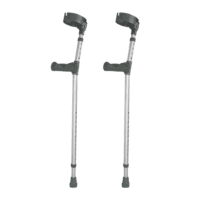 Ankle, Back, Braces & Supports, Calf, Foot, Groin, Heel, Hip, Knee, Thigh, Walking
Forearm Crutches
$64.00Select optionsQuick View -


-


-
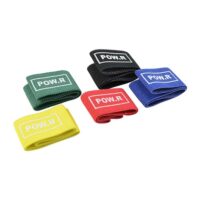 Exercise Equipment, Knee, Resistance Band
POW.R Fabric Mini Loop Bands
$12.00 – $55.00Select optionsQuick View -


-
-
-
-
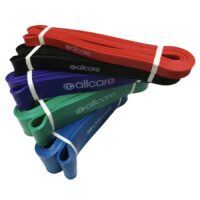
 Exercise Equipment, Resistance Band
AllCare Powerloop Bands
$24.95 – $79.95Select optionsQuick View -






References
- International Association for the Study of Pain. IASP terminology. International Association for the Study of Pain.
- Ma X, Li J, Wang Y, et al. A systematic review and meta-analysis of pain neuroscience education for chronic low back pain. Journal of Pain Research. 2024.
- Sánchez-Robalino A, et al. Effectiveness of pain neuroscience education in physical therapy: a systematic review and meta-analysis. Brain Sciences. 2025;15(6):658.
- García Cancela J, et al. The effectiveness of pain neuroscience education in people with chronic non-specific low back pain: an umbrella review with meta-analysis. Annals of Physical and Rehabilitation Medicine. 2025;68(8):102020.
- Lim TH, et al. Nonpharmacological spine pain management in clinical practice guidelines: a systematic review using AGREE II and AGREE-REX tools. Journal of Orthopaedic & Sports Physical Therapy. 2025;55(1):12–25.
- Healthdirect Australia. Options for managing chronic pain. Healthdirect Australia.