
Kids Back Pain


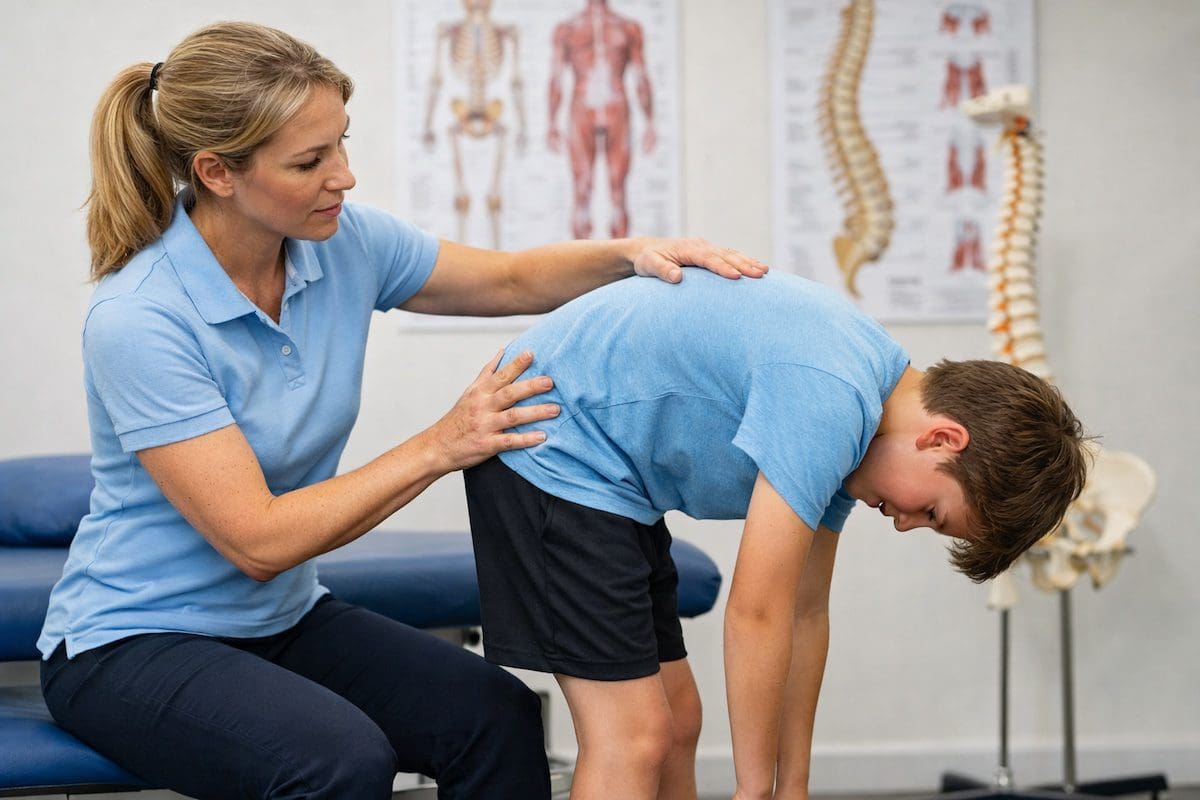
Kids back pain is more common than many parents expect, especially during growth spurts, sport, long periods of sitting, and poor movement control. Some cases settle quickly, while others need closer assessment. This page explains common causes of back pain in children and teenagers, warning signs, and how physiotherapy may help them recover safely.
What Is Kids Back Pain?
Kids back pain describes pain felt in the neck, mid back, lower back, or pelvic region in children and teenagers. It may develop after sport, rapid growth, heavy school bags, poor posture, or repeated bending and twisting. Some children may also develop growth-related spinal conditions such as spondylolysis or structural changes such as scoliosis. Most cases improve with the right advice, activity changes, and guided rehabilitation.
Common Signs of Kids Back Pain
- Pain after sport, running, jumping, or long sitting
- Stiffness when bending backward, forward, or twisting
- Local muscle tenderness or joint soreness
- Poor posture control or reduced spinal movement
- Pain that interferes with play, training, or school
Why Are Children and Teenagers Prone to Kids Back Pain?
Children and teenagers go through fast growth and changing coordination. During these phases, muscles can lag behind bone growth, which may reduce flexibility, control, and load tolerance. As a result, kids back pain can appear during sport, growth spurts, or long periods of study and screen use.
Contributing factors often include weak trunk and hip strength, poor sitting posture, heavy backpacks, repeated extension or rotation, and training loads that rise too quickly. Young athletes may also develop sport-related spinal problems such as spondylolysis or soft tissue overload if recovery and technique are not managed well.
Common Causes of Kids Back Pain
The cause of kids back pain depends on the child’s age, sport, growth stage, and pain pattern. Muscle strain and postural overload are common. However, persistent pain may also relate to joint irritation, growth-related conditions, or bone stress injuries that need proper assessment.
Lower Back (Lumbar Spine)
Mid Back (Thoracic Spine)
Neck (Cervical Spine)
Pelvis
When Should You Worry About Kids Back Pain?
Most children recover quickly from mild spinal discomfort. However, persistent or severe kids back pain should be assessed. Seek professional advice if pain lasts longer than several days, keeps returning, wakes your child at night, causes limping, follows a significant fall, or prevents normal sport and activity.
Symptoms such as pins and needles, weakness, fever, or unexplained weight loss also require prompt medical assessment.
How Is Kids Back Pain Assessed?
A physiotherapist will usually assess posture, spinal movement, flexibility, strength, coordination, growth-related factors, and sport load. They also consider whether symptoms behave like muscle overload, joint irritation, bone stress, or nerve-related pain such as sciatica. In some cases, a doctor may recommend imaging if the history suggests something more than a simple strain.
How Physiotherapy Helps Kids Back Pain
Physiotherapy for kids back pain usually focuses on reducing irritation, improving movement control, restoring strength, and guiding a safe return to sport and daily activities. Treatment may include activity modification, trunk and hip strengthening, mobility work, posture advice, and progressive loading based on age and sport demands.
Many children also benefit from advice about school bag setup, desk height, training recovery, and technique. For general evidence-based information, Healthdirect provides a helpful overview of back pain and when assessment may be appropriate.
Prevention Tips for Kids Back Pain
- Build trunk, hip, and leg strength gradually
- Progress sport loads steadily rather than suddenly
- Encourage regular movement breaks from sitting
- Use sensible backpack loads and good strap support
- Address technique faults early in growing athletes
Common Youth and Kids Conditions
- Kids Sports Injuries
- Kids Leg Pain
- Kids Arm Pain
- Avulsion Fractures
- Juvenile Osteochondritis Dissecans
- Growing Pains
Kids Back Pain FAQs
Is back pain normal in children?
Occasional back pain can occur in children and teenagers, especially during growth spurts, sport, or long periods of sitting. However, persistent pain, pain after injury, or pain that limits activity should be assessed by a health professional.
What causes back pain in children?
Common causes include muscle strain, poor posture, rapid growth, heavy school bags, and sports loading. Some children may also develop conditions such as spondylolysis, scoliosis, or joint irritation.
When should a child see a physiotherapist for back pain?
A child should be assessed if back pain lasts more than several days, keeps returning, interferes with sport or school, or follows a fall or injury. Early assessment helps identify the cause and guide safe return to activity.
How is kids back pain treated?
Treatment often includes activity modification, strengthening exercises, posture advice, and gradual return to sport. Physiotherapy aims to improve spinal control, strength, and movement while reducing irritation.
What to Do Next
If your child has ongoing or recurring back pain, a physiotherapy assessment can help identify the likely cause and explain the best next steps. Early assessment is particularly helpful for active children, teenagers in growth spurts, or young athletes with pain that keeps returning.
A tailored plan may help settle pain, improve strength and posture control, and guide a safer return to school, sport, and normal activity.
Choose your clinic and appointment pathway
Select a PhysioWorks clinic to continue to live booking, an appointment request or reception assistance.
Back Support Products
These back support products are commonly used by our physiotherapists to help reduce back pain, improve comfort, and support your recovery at home.
-
-

 Back, Braces & Supports, Maternity, Posture
Pregnancy Belly Band & C-Section 3-in-1
$94.99Select optionsQuick View -
 Braces & Supports, Back, Maternity, SIJ
Maternity Support Belt – OPPO 4062
$37.00Select optionsQuick View -
-
 Back, Braces & Supports, Maternity, Posture
Maternity Back Support – OPPO 2062
$60.00 – $64.00Select optionsQuick View -
-
 Back, Braces & Supports, Maternity, SIJ
Core Stability Support – OPPO 3462
$54.00Select optionsQuick View - Braces & Supports, Back, Maternity, SIJ
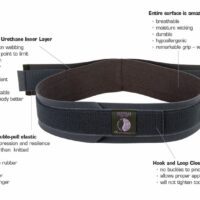
AOM38 AllCare Ortho Core Stability Belt
$49.95Select optionsQuick View



References
- García-Moreno JM, Rebollo-Roldán J, Muñoz-García D, et al. Back pain and associated factors in children and adolescents: an epidemiological study. BMC Musculoskelet Disord. 2022;23:214. doi:10.1186/s12891-022-05270-4
For specific advice regarding youth neck or back pain, seek professional advice from your trusted spinal physiotherapist or doctor.
