
Sinus Tarsi Syndrome
Sinus Tarsi Syndrome
Sinus tarsi syndrome causes pain and tenderness around a small space on the outer side of the hindfoot. It commonly develops after an ankle sprain and may make uneven ground, turning or single-leg activities uncomfortable.


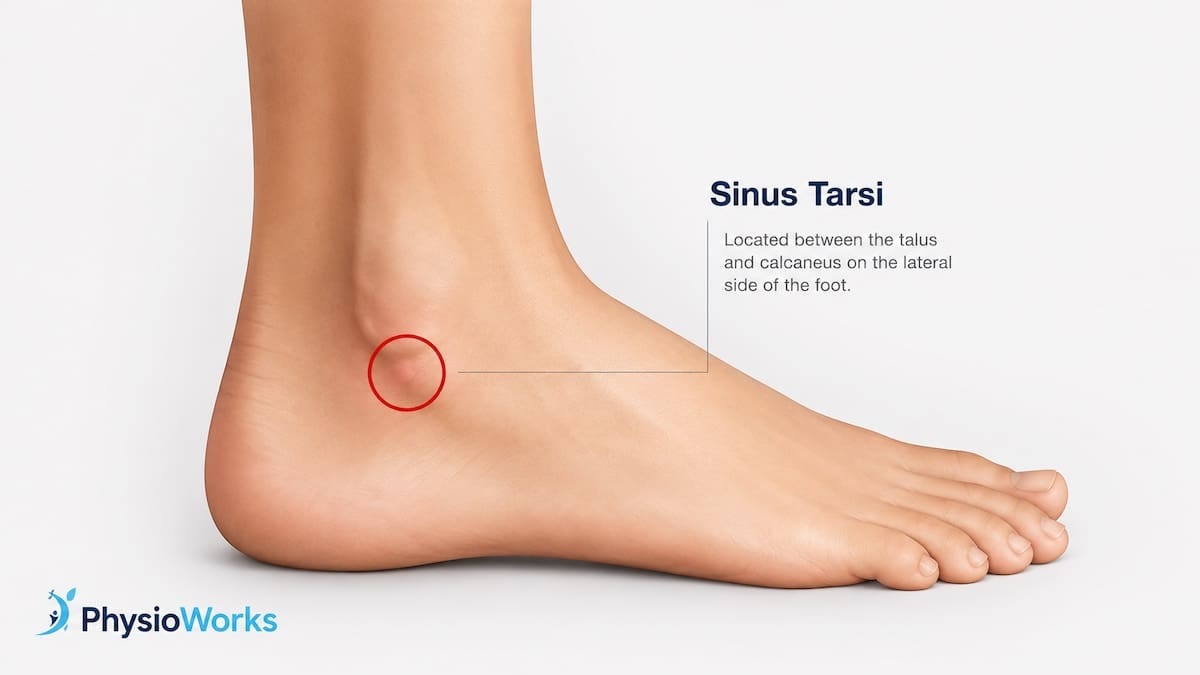
What is sinus tarsi syndrome?
The sinus tarsi is a small channel on the outer side of the hindfoot between the talus and calcaneus bones. Pain in this area is often called sinus tarsi syndrome.
People commonly notice tenderness just in front of the outer ankle bone. Walking on uneven ground, changing direction or loading one leg may also reproduce the pain.
Sinus tarsi pain often develops after an ankle sprain. However, the term does not always identify one single injured structure. Subtalar joint irritation, ligament injury, instability and other nearby ankle problems can produce a similar pain pattern.
For a broader overview of ankle conditions, see our ankle pain guide.
What does sinus tarsi syndrome feel like?
The symptoms vary depending on the underlying cause and how long the problem has been present.
- Local tenderness at the outer-front part of the ankle or hindfoot.
- A dull ache after walking, running or prolonged standing.
- Pain when walking on uneven ground, trails or side slopes.
- Discomfort with twisting, pivoting or changing direction.
- A feeling that the ankle or hindfoot is less steady or confident.
- Occasional swelling or a feeling of fullness around the area.
Some people have symptoms mainly during sport. Others notice discomfort during ordinary walking, particularly after a previous ankle sprain.
Why does sinus tarsi pain happen?
Several factors may irritate structures around the sinus tarsi or increase the load through the subtalar joint.
Previous ankle sprain
An ankle sprain can leave stiffness, swelling, ligament irritation or reduced balance and control. Repeated ankle sprains can also contribute to ongoing instability.
Chronic ankle instability
Some ankles continue to feel as though they may roll or give way after the original injury has healed. This pattern may be associated with chronic ankle instability and increased stress around the subtalar joint.
Repeated loading
Trail running, hills, court sports and activities involving frequent turning can place repeated demands on the ankle and hindfoot. A sudden increase in training may also contribute.
Foot and hindfoot mechanics
Foot posture and movement can influence how load passes through the hindfoot. Some people with increased pronation or a flatter foot posture may benefit from footwear advice or an assessment of whether orthotics are appropriate.
Nearby ankle problems
Pain around the sinus tarsi can occur alongside other conditions. For example, peroneal tendinopathy may change how the outer ankle is loaded.
What else can feel like sinus tarsi syndrome?
Pain on the outer side of the ankle does not always come from the sinus tarsi itself. Several conditions can overlap or produce similar symptoms.
Chronic ankle instability
Repeated giving way or poor confidence after previous ankle sprains may suggest ongoing instability.
Peroneal tendinopathy
Pain from the tendons that pass behind the outer ankle can overlap with sinus tarsi symptoms.
Anterior ankle impingement
Front-of-ankle pain or pinching with loaded ankle movement can sometimes feel close to the sinus tarsi region.
Posterior ankle impingement
Pain towards the back of the ankle may point to a different impingement pattern rather than sinus tarsi pain.
A careful assessment helps determine whether sinus tarsi pain is the main problem, part of ongoing ankle instability or one feature of another ankle condition.
How is sinus tarsi syndrome assessed?
Your physiotherapist will usually look at how the symptoms started, what activities reproduce them and how well your ankle and foot control load.
History
Previous sprains, episodes of giving way, changes in activity, footwear and the surfaces that aggravate your symptoms.
Tenderness
The location of tenderness, swelling and the structures around the outer ankle and hindfoot.
Movement
Ankle and subtalar movement, along with tasks such as squatting, stepping, turning or standing on one leg.
Strength
Calf and lower-leg strength, together with foot, hip and lower-limb control where relevant.
Balance
Single-leg balance and proprioception, particularly when symptoms followed an ankle sprain.
Diagnostic overlap
Tests may also help identify whether another ankle, tendon or subtalar problem better explains your symptoms.
Can sinus tarsi syndrome show on MRI?
An MRI can sometimes show changes around the sinus tarsi, ligaments or subtalar joint. However, imaging findings do not always explain a person’s pain by themselves.
Many presentations can first be assessed clinically. Imaging may become more useful when symptoms persist, repeatedly return, follow significant trauma or fail to improve as expected.
Your physiotherapist, GP or specialist can advise whether imaging is likely to change your management.
How is sinus tarsi syndrome treated?
Treatment depends on what is causing the pain. Rehabilitation often aims to calm the irritated area while rebuilding the strength, balance and control needed for everyday activity or sport.
-
Adjust aggravating load
Temporarily reducing hills, uneven surfaces, repeated turning or excessive training volume may help settle symptoms without stopping all activity.
-
Rebuild ankle strength and control
Rehabilitation may include calf and lower-leg strengthening, foot control exercises and balance work. These exercises are particularly useful when symptoms developed after an ankle sprain.
-
Improve balance and proprioception
Single-leg balance and progressively more challenging movement tasks can help restore confidence and control after ankle injury.
-
Review footwear and support where needed
Your physiotherapist may discuss footwear, taping, bracing or orthotics when these options address a relevant contributing factor.
-
Build back to work, running or sport
Progression may move from comfortable walking to single-leg loading, hopping, landing, direction changes and activity-specific drills.
If your symptoms began after an ankle sprain, our sprained ankle guide and ankle sprain prevention advice provide further information.
People returning to running or sport may also benefit from a staged approach to strength, landing and change-of-direction work. Read more about sports injury physiotherapy.
When are injections or specialist review considered?
Some people continue to have significant sinus tarsi pain despite a well-structured rehabilitation program. In these situations, further imaging or medical review may help clarify the diagnosis.
A doctor or specialist may sometimes discuss an injection as part of management. Any potential short-term benefit needs to be considered alongside the underlying cause of the pain and the possibility that symptoms may return.
Persistent instability, recurrent giving way or symptoms that do not respond as expected may also warrant further assessment.
How long does sinus tarsi syndrome take to improve?
There is no single recovery timeframe. Progress depends on the underlying cause, how long symptoms have been present, previous ankle injuries and whether instability continues.
Some people improve over several weeks with appropriate load management and rehabilitation. Longer-standing or recurrent problems may take several months and need a more gradual return to running or sport.
Rather than relying on a fixed date, progression is usually based on symptoms, walking tolerance, strength, balance and the demands of the activity you want to return to.
When should you have sinus tarsi pain assessed?
Consider an assessment if pain around the outer ankle:
- continues after an ankle sprain;
- keeps returning when you walk, run or play sport;
- makes uneven ground difficult;
- is associated with repeated ankle giving way;
- limits work, exercise or normal daily activity; or
- is not improving with sensible changes to activity.
Related ankle information
What to do next
If pain around the outer ankle is lingering after a sprain, keeps returning or makes uneven ground difficult, an assessment can help clarify what is driving the problem.
Your physiotherapist can assess ankle and subtalar movement, strength, balance and contributing factors, then develop a rehabilitation plan based on your symptoms and goals.
Choose your clinic and appointment pathway
Select a PhysioWorks clinic to continue to live booking, an appointment request or reception assistance.
Ankle Products
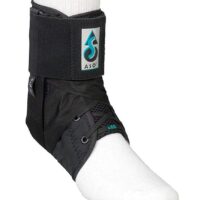
These ankle products are commonly used by our physiotherapists to improve ankle pain, strength, balance, proprioception, endurance and flexibility, plus assist home exercise programs.
-
-
 Ankle, Braces & Supports, Foot, Walking
Victor Moonboot 1.0 Air or No Air
$77.00 – $79.00Select optionsQuick View -
-
 Ankle, Braces & Supports, Clearance Sale
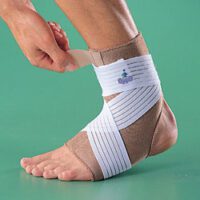
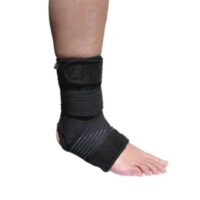
Ankle Support with Strap – OPPO 1003
$42.00Select optionsQuick View -
-


-
-
-

-
 Ankle, Braces & Supports, Foot
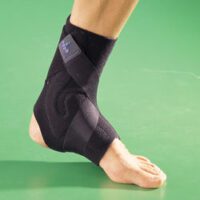
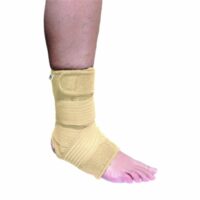
Ankle Support with Plastic Stay – OPPO 1109
$52.00Select optionsQuick View -
- Liniments & Gels, Massage Liniments, Pain Management
Fisiocrem
$16.95 – $39.95Select optionsQuick View -
-

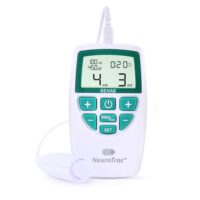
- EMS Machines, Pain Management, TENS Machine, TENS Machine & EMS
NeuroTrac Rehab (TENS Machine + EMS)
$285.00Add to cartQuick View -





Frequently asked questions about sinus tarsi syndrome
What is sinus tarsi syndrome?
Sinus tarsi syndrome describes pain on the outside of the ankle in a small channel between the talus and calcaneus bones. It often follows an ankle sprain and may feel worse on uneven ground or during twisting movements.
What are common symptoms of sinus tarsi syndrome?
Common symptoms include local tenderness on the outer-front part of the ankle, aching after activity, discomfort on uneven surfaces and a sense of reduced stability or confidence on that foot.
How is sinus tarsi syndrome diagnosed?
Assessment usually includes your history, examination of the painful area, ankle and subtalar movement testing, and checks of strength, balance and functional tasks. Imaging such as MRI may be considered when symptoms persist or the diagnosis remains unclear.
What treatment may help sinus tarsi syndrome?
Treatment often includes load management, progressive strengthening and balance retraining. Taping, bracing, footwear changes or orthotics may also be considered when they address a relevant contributing factor. Persistent symptoms may require further medical assessment.
How long does sinus tarsi syndrome take to improve?
Timeframes vary with the cause, how long symptoms have been present and whether instability persists. Some people improve over several weeks, while longer-standing problems may take several months and need a staged return to activity or sport.
References
- Willegger M, Bouchard M, Veljkovic A, et al. The evolution of sinus tarsi syndrome—what is the underlying pathology?—a critical review. J Clin Med. 2023;12(21):6878.
- Arshad Z, Lau Y, Rahman S, et al. Current concepts in sinus tarsi syndrome: a scoping review. Foot Ankle Surg. 2021;27(7):739-747.
- Pereira BS, Hamid KS, Soni A, et al. Current concepts in subtalar instability. Foot Ankle Orthop. 2021;6(3).
- Xu X, et al. Clinical observation of sinus tarsi syndrome after lateral ankle sprain. 2024.
