
Neuroplasticity
Neuroplasticity


Balance and stepping practice to support neurological recovery.
Neuroplasticity is your brain and nervous system’s ability to adapt, reorganise, and build stronger pathways through practice and experience. It plays a major role in recovery after neurological injury, but it also matters in neurological physiotherapy, pain management, movement retraining, balance work, and return to activity.
In practical terms, neuroplasticity means the brain is not fixed. Instead, it changes in response to what you repeat, what you avoid, and what you progressively relearn. That is why the right rehabilitation plan matters. Repetition, task-specific practice, and gradual progression can all help reinforce better movement patterns and reduce unhelpful ones.
Neuroplasticity is most relevant when you notice:
- difficulty relearning movement after injury
- reduced balance, coordination, or walking confidence
- persistent pain linked to fear or movement sensitivity
- slow recovery after stroke, brain injury, or neurological illness
What is neuroplasticity?
Neuroplasticity is the ability of the nervous system to change its structure, function, and connections in response to learning, injury, or repeated activity. In rehabilitation, that means your brain can strengthen useful pathways, reduce inefficient ones, and improve how it controls movement over time.
Why does neuroplasticity matter for recovery?
Neuroplasticity matters because recovery is not only about healing tissues. It also involves improving how the brain plans, controls, and refines movement. After a stroke, brain injury, painful flare-up, or long periods of inactivity, rehabilitation often aims to rebuild confidence, coordination, and function through repeated, meaningful practice.
This is one reason people may benefit from both physiotherapy and, where appropriate, neurological rehabilitation with exercise physiology. Physiotherapy often helps restore movement quality and early function, while progressive exercise can build long-term strength, endurance, and confidence.
How does neuroplasticity work?
Neuroplasticity is driven by repetition, attention, task relevance, and progression. In other words, the nervous system changes more effectively when you practise meaningful tasks often enough, at the right level of challenge, and with clear feedback.
Common drivers include:
- task-specific practice such as walking, reaching, stepping, or turning
- frequent repetition to reinforce useful pathways
- graded progression so the task stays challenging but achievable
- feedback from a physiotherapist or exercise physiologist to improve quality and control
- consistency over time rather than random bursts of exercise
Which conditions can benefit from neuroplasticity-based rehabilitation?
Neuroplasticity is most often discussed in neurological rehabilitation, but it also applies to pain, movement retraining, and falls prevention. It is especially relevant for stroke, acquired brain injury, Parkinson’s disease, multiple sclerosis, persistent pain, and balance problems.
At PhysioWorks, related pathways already exist across neurological physiotherapy, balance training, fall prevention, and chronic pain education. That makes neuroplasticity a strong supporting topic page within the current cluster.

Task-specific walking practice helps reinforce movement pathways.
How can physiotherapy use neuroplasticity?
Physiotherapy uses neuroplasticity by combining assessment, guided practice, and progression. Treatment may include gait retraining, balance work, coordination drills, task-specific exercise, strength work, and graded exposure to movements that feel difficult or threatening.
For example, a clinician may help you:
- rebuild walking confidence after a neurological event
- improve balance and stepping control
- retrain movement patterns after pain or injury
- reduce fear of movement through safe, graded exposure
- improve function for everyday tasks such as stairs, turning, reaching, or rising from a chair
How does exercise physiology support neuroplasticity?
Exercise physiology plays a key role in neuroplasticity by providing structured, progressive training over time. While physiotherapy often helps guide early movement and identify the right strategies, exercise physiology focuses on building repetition, strength, coordination, and confidence through ongoing practice.
Neuroplastic change relies on consistent input. This means repeating meaningful movements, gradually increasing challenge, and maintaining progress over weeks to months. Exercise physiology programs are designed to support this process with supervised exercise, clear progression, and goal-based training.
For example, exercise physiology may help you:
- increase walking distance and consistency
- improve balance through progressive challenges
- build strength to support movement confidence
- develop long-term exercise habits that reinforce recovery
This approach is especially useful after the early stages of recovery, when ongoing progression and repetition are needed to achieve lasting improvement. You can explore more about this approach through neurological rehabilitation with exercise physiology.
What is the link between neuroplasticity and chronic pain?
Chronic pain can involve changes in how the brain and nervous system process danger and sensitivity. That does not mean the pain is imaginary. It means the system can become more protective than helpful. Neuroplasticity matters here because treatment can aim to reduce sensitivity, improve movement confidence, and rebuild tolerance through education, pacing, and progressive activity.
If that pattern sounds familiar, see pain and pain management physiotherapy for broader context. For a broader public-health overview of rehabilitation and movement-based care, Healthdirect also explains physiotherapy.
What helps support healthy neuroplastic change?
Healthy neuroplastic change is usually supported by consistent practice, good sleep, regular physical activity, and exercises that match your goals. The brain responds better when you repeat meaningful tasks often enough and keep progressing safely over time.
Helpful factors often include:
- regular practice rather than occasional effort
- clear goals and measurable progressions
- sufficient challenge without overload
- good sleep and recovery habits
- confidence-building through guided success
When should you seek help for neuroplasticity-related rehabilitation?
You should seek help if movement, balance, coordination, or pain sensitivity is limiting your daily life, sport, work, or confidence. A physiotherapy assessment may help if you feel stuck, are not progressing, or are unsure how to rebuild safe movement.
Assessment is especially helpful after stroke, brain injury, neurological illness, repeated falls, or ongoing pain that keeps changing the way you move.
What to do now:
- book an assessment if balance, walking, coordination, or pain confidence has changed
- bring scans, specialist letters, or recent reports if you have them
- start with the most meaningful goal, such as walking, stairs, balance, or daily function
Is neuroplasticity training right for you?
Neuroplasticity-based rehabilitation may suit you if your main goal is to move more confidently, improve coordination, rebuild tolerance, or regain everyday function after illness, injury, or persistent pain. It is especially useful when progress depends on repetition, movement quality, and graded exposure rather than rest alone.
That does not mean every person needs the same plan. Some people start with physiotherapy, while others benefit from longer-term progression through exercise physiology. The best starting point depends on your symptoms, function, and goals.

Confidence improves with consistent, progressive training.
What to do next
Neuroplasticity shows that recovery can improve when rehabilitation is targeted, repetitive, and meaningful. Whether the issue is neurological recovery, pain-related movement change, or reduced balance confidence, the goal is the same: build better function with the right input.
If you are not sure where to start, book a physiotherapy assessment. Your clinician can identify the key drivers, match treatment to your current ability, and guide a practical plan that builds confidence over time.
Related information
Choose your clinic and appointment pathway
Select a PhysioWorks clinic to continue to live booking, an appointment request or reception assistance.
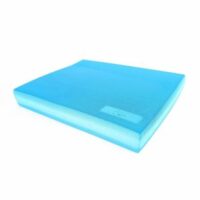
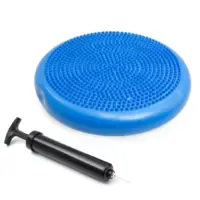
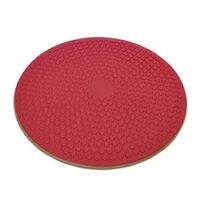
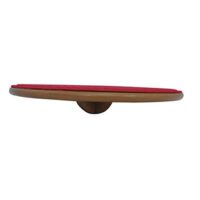
Balance Products
These balance products are commonly used by our physiotherapists to improve strength, balance, prevent injuries falls or injuries, plus assist home exercise programs.
-

-
-
- Gift Ideas, Back, Christmas Gift Ideas, Exercise Balls, Exercise Equipment, Knee, Pelvic Floor, Product Search
66fit Pilates Balls
$14.95 – $16.95Select optionsQuick View -





References
- Puderbaugh M, Emmady PD. Neuroplasticity. StatPearls. 2023.
- Cardoso SV, de Oliveira ACS, da Silva CJ, et al. Therapeutic Importance of Exercise in Neuroplasticity in Neurological Patients. Behav Sci (Basel). 2024;14(9):812. doi:10.3390/bs14090812.
- Sivaramakrishnan A, Tahiliani A, Raghavan P. A Systematic Review on the Effects of Acute Aerobic Exercise on Neuroplasticity in Individuals with Stroke. Top Stroke Rehabil. 2023;30(6):620-633. doi:10.1080/10749357.2022.2160092.
- Levin MF, Kleim JA, Wolf SL. Motor Learning in Neurological Rehabilitation. Disabil Rehabil. 2021;43(24):3445-3453. doi:10.1080/09638288.2020.1757667.
- Jaffal SM, Wasim A, Aldossari SK, et al. Neuroplasticity in Chronic Pain: Insights into Diagnosis and Treatment. Cureus. 2025;17(3):e80657. doi:10.7759/cureus.80657.