Pilates
Learn about Pilates exercises and their role in strength, movement control and flexibility.
$14.95 – $16.95
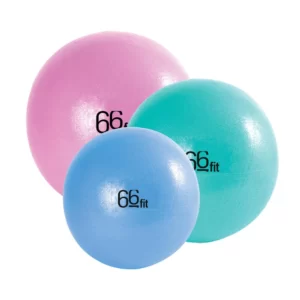
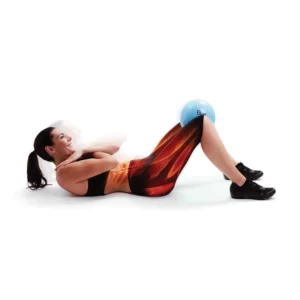
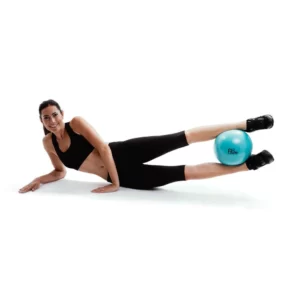
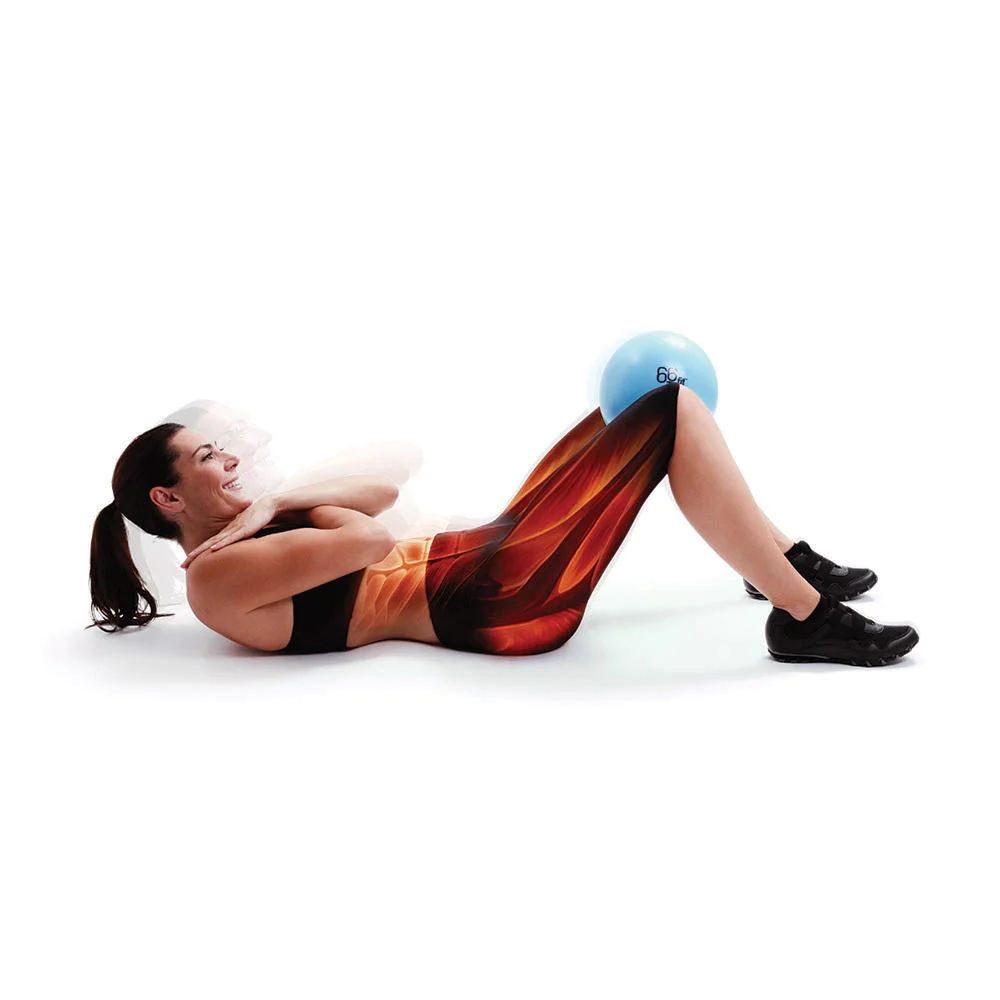
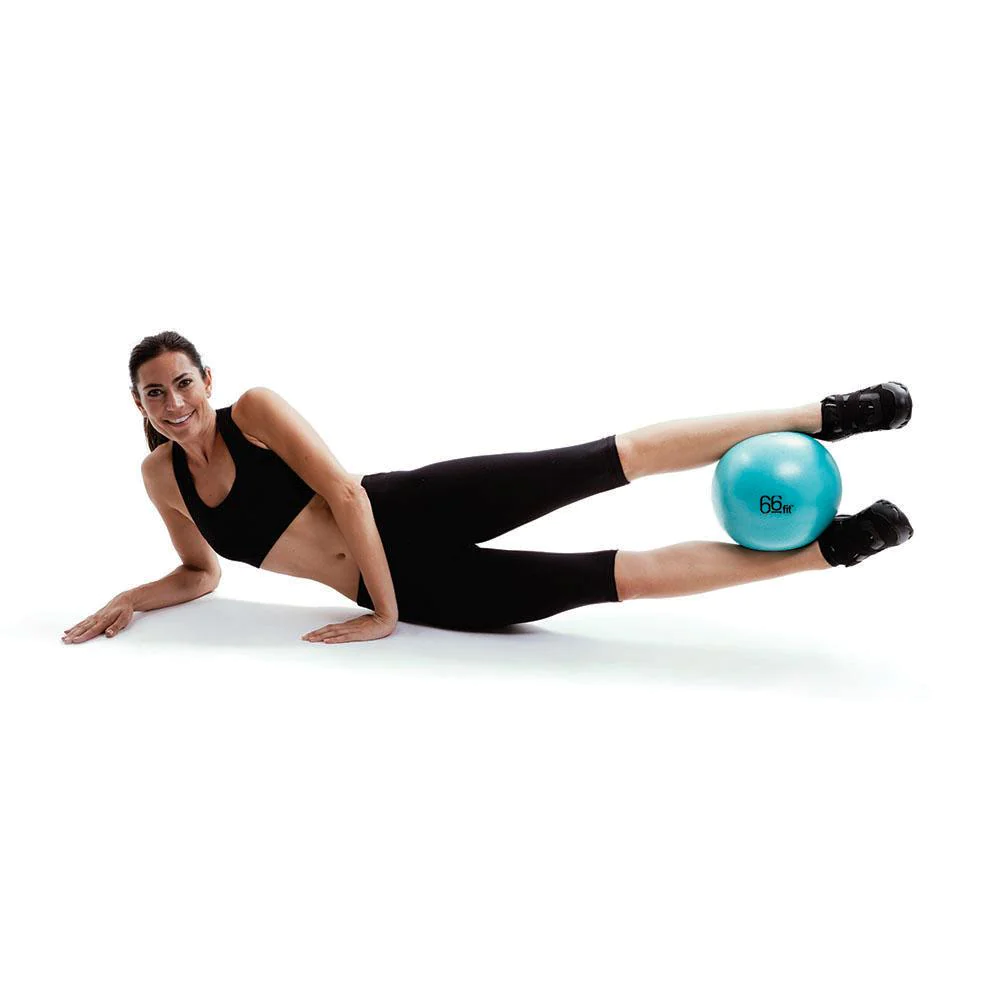
66fit Soft Pilates Balls are versatile exercise aids for Pilates, core stability training, controlled strengthening and home rehabilitation exercises.
These compact balls can provide gentle resistance, positioning support or an additional movement challenge. They are useful for a range of low-impact activities, from general mat Pilates to selected physiotherapy exercises.
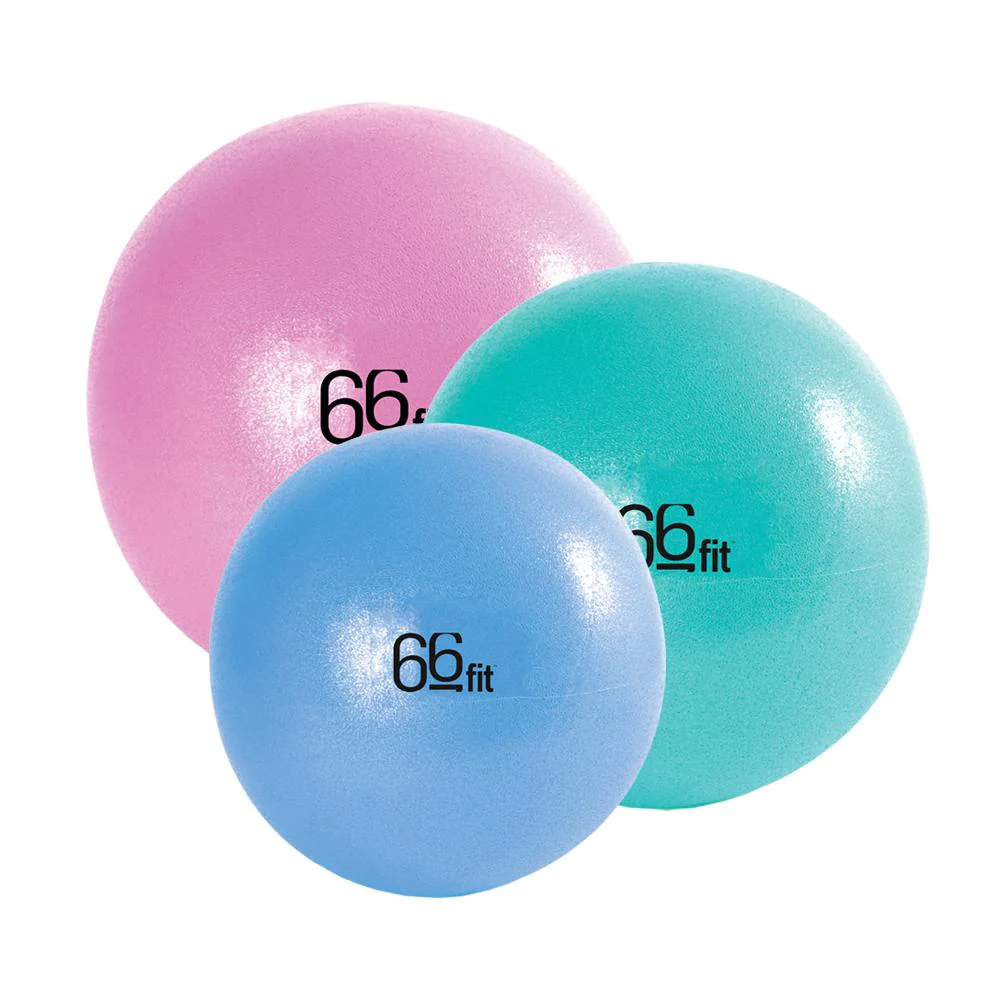
Available in three sizes, they allow you to choose the ball that best suits your exercise and positioning needs.
66fit Soft Pilates Balls are available in three colour-coded sizes. The most suitable option depends on your intended exercise, body position and required level of support.
20 cm — Blue
A compact option for exercises requiring a smaller ball, targeted positioning or gentle resistance.
25 cm — Green
A medium-sized option for general Pilates exercises and movements requiring moderate support.
30 cm — Pink
A larger option for exercises requiring a wider contact area or additional positioning support.
Size selection tip: A larger ball is not necessarily more effective or more challenging. Choose according to your exercise requirements. If your physiotherapist or Pilates instructor has recommended a specific size, follow their advice.
Soft Pilates balls can add variety to an exercise program. Depending on their placement, they can provide light resistance, support part of the body or create a movement challenge.
The exercise you choose matters more than the equipment alone. Pilates balls work best when the movement, difficulty and progression suit your goals and current physical capacity.
A soft exercise ball provides a simple way to vary familiar movements without necessarily increasing external weight.
Versatile exercises
Use the ball for a range of Pilates, strengthening and movement-control activities.
Gentle resistance
Apply controlled pressure against the ball during selected arm, hip and leg exercises.
Movement variety
Change the support or challenge within suitable exercises to keep training varied and purposeful.
These features make Pilates balls a practical addition to many home exercise programs. However, improvements in strength, coordination or balance depend on consistent, appropriately selected exercise rather than the ball itself.
The following examples show ways a soft Pilates ball may be incorporated into an exercise program. Choose movements that suit your ability and any advice provided by your health professional.
Place the ball between your knees while sitting comfortably. Apply gentle, controlled pressure, then relax. This provides light resistance for the hip adductor muscles.
In an appropriate supported lying position, the ball may assist positioning during small, controlled pelvic movements. Use only a position that feels stable and comfortable.
Position the ball between your hand and a wall. Apply gentle pressure while maintaining a comfortable shoulder and arm position. Your physiotherapist may adjust the exercise according to your needs.
For further information, explore core stability training and Pilates exercises.
Choose an exercise that suits your current strength, balance and movement ability. Follow the manufacturer’s preparation and inflation instructions before use.
Inspect the ball for visible damage and ensure it is prepared according to the manufacturer’s instructions.
Select a familiar movement and position the ball as required. Begin with a low level of difficulty.
Use slow, comfortable movements and breathe normally. Avoid forcing your range of movement or straining unnecessarily.
Increase the challenge only when you can perform the exercise comfortably and consistently.
Use your Pilates ball on a stable exercise surface and avoid movements that place you at unnecessary risk of losing your balance.
Stop or modify an exercise if you experience sharp pain, dizziness, pins and needles or a clear increase in symptoms. Seek appropriate professional advice if symptoms persist or are concerning.
Select your preferred 66fit Soft Pilates Ball from the 20 cm Blue, 25 cm Green or 30 cm Pink options above, then add it to your cart.
If you are buying a ball for a prescribed home exercise program, check the recommended size before ordering.
Choose from 20 cm, 25 cm or 30 cm according to your intended exercise. Smaller balls suit movements requiring a compact contact area, while larger balls may provide more positioning support. Follow your exercise professional’s size recommendation where available.
Yes. A soft Pilates ball can provide light resistance, positioning support or an additional movement challenge during selected core exercises. The training benefit depends on the exercise and how it is performed.
Pilates balls may be included in physiotherapy exercise programs. The appropriate exercises depend on your condition, goals, symptoms and stage of rehabilitation.
Follow the manufacturer’s inflation instructions and any exercise-specific guidance. Avoid exceeding the recommended inflation level.
Yes. Beginners can use a Pilates ball for simple, controlled exercises suited to their ability. Start with stable positions and progress as your confidence and movement control improve.
| Size | 20cm- Blue, 25cm- Green, 30cm- Pink |
|---|