
Physiotherapist guide to core stability, spinal support and safe retraining.
Deep Core Muscles: What They Are and Why They Matter


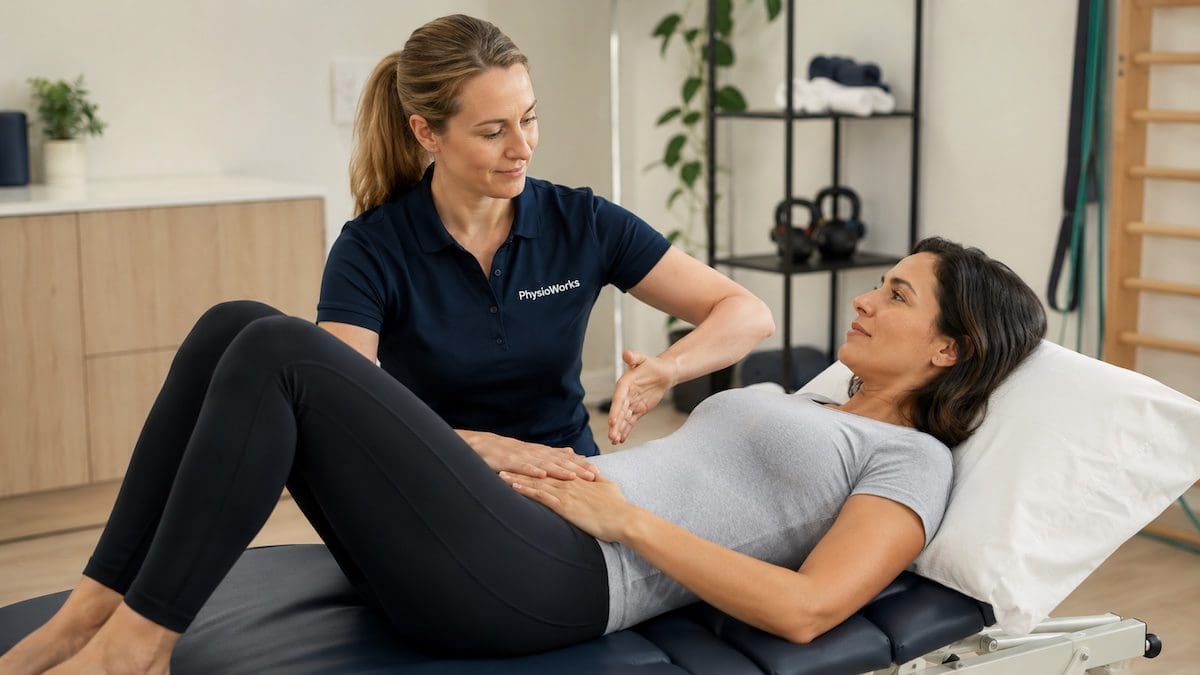
Deep Core Muscles and Spinal Health
Deep core muscles help support your spine, pelvis and trunk during everyday movement. They include the transversus abdominis, multifidus, pelvic floor muscles and diaphragm. When these muscles coordinate well, they help you breathe, lift, walk, sit, exercise and recover from back pain with better control.
Many people only think about their spine when back pain starts. However, your deep core muscles can play an important role before pain appears, during rehabilitation, and when returning to sport, gym or physical work. They sit close to the spine and pelvis, creating a stable base for movement.
Quick Summary
- Key muscles: transversus abdominis, multifidus, pelvic floor and diaphragm.
- Main role: support spinal control, pressure management and movement efficiency.
- Common issue: these muscles can become delayed, weak or poorly coordinated after pain, pregnancy, surgery or inactivity.
- Useful options: physiotherapy assessment, core stability exercises, Pilates and real-time ultrasound retraining.
What Are Deep Core Muscles?
Deep core muscles are the deeper stabilising muscles of your trunk and pelvis. They include the transversus abdominis, multifidus and pelvic floor muscles. The diaphragm also contributes by helping manage breathing and pressure inside the trunk.
When these muscles work well, they support spinal alignment, share load through the trunk and help reduce strain on sensitive joints, discs and nerves. They also help your body prepare for movement before your arms or legs move.
Understanding Deep Core Stability Muscles
The Vital Trio: Transversus Abdominis, Multifidus and Pelvic Floor
Deep within the lower trunk, several muscles work constantly to support your body. These deep core stability muscles work with the more superficial trunk muscles and form the base for many core stability exercises used in physiotherapy programmes.
Transversus Abdominis
The transversus abdominis is often described as the body’s natural corset. It wraps around the abdomen from the spine to the front of the pelvis. Its horizontal fibre direction means it can tighten like a belt.
When it contracts, the transversus abdominis gently compresses the abdomen and helps stabilise the pelvis and lower back before your arms or legs move. This feed-forward action is important for posture, balance, lifting and sport. Good activation of this muscle may help people with low back pain improve trunk control.
Multifidus Muscle
The multifidus is a series of short, deep muscles running along the spine from the sacrum to the neck. Each small segment attaches between neighbouring vertebrae.
These muscles provide fine control at each spinal level. They make constant, subtle adjustments as you change position, breathe, twist or bend. This helps spread load evenly through the spine and reduces local overload.
After an episode of back pain, the multifidus often becomes smaller or slower to activate. Without specific retraining, it may not automatically return to normal. That is one reason why some people continue to feel unstable or vulnerable in their back even after their pain settles.
Pelvic Floor Muscles
The pelvic floor muscles form a supportive sling across the base of the pelvis. They support the bladder, bowel and reproductive organs and help control continence.
These muscles work together with the transversus abdominis and multifidus. When they co-contract, they assist with spinal and pelvic stability, especially during tasks that increase intra-abdominal pressure such as lifting, coughing and sneezing.
For women, the pelvic floor plays a key role during pregnancy, childbirth and recovery afterwards. Poor pelvic floor function can contribute to incontinence, pelvic organ prolapse and feelings of instability through the lower back and pelvis. Gentle, targeted training is often a useful part of a broader physiotherapy plan.
How Do Deep Core Muscles Support Spinal Health?
Deep core muscles rarely work in isolation. In healthy movement, the transversus abdominis, multifidus, pelvic floor and diaphragm activate in a coordinated way with the larger abdominal and back muscles. Together they form a dynamic cylinder of support around the spine.
This system may help:
- maintain neutral spinal alignment
- share load between joints, discs and muscles
- assist breathing and pressure control
- support posture during sitting, standing and walking
- improve trunk control during lifting, sport and gym training
When any part of this system is weak, delayed or poorly coordinated, you may notice stiffness, fatigue, recurrent back pain or a sense that your back “gives way” with certain tasks.
How Physiotherapists Assess Deep Core Muscles
A physiotherapist will usually start with a detailed history and movement assessment. They may look at posture, breathing patterns, balance and how your spine moves during everyday tasks such as bending, lifting or stepping.
Palpation, cueing and simple activation tests help identify whether the transversus abdominis, multifidus and pelvic floor are switching on at the right time and at an appropriate level. Your physiotherapist may also check hip strength, flexibility and leg alignment to understand the bigger picture.
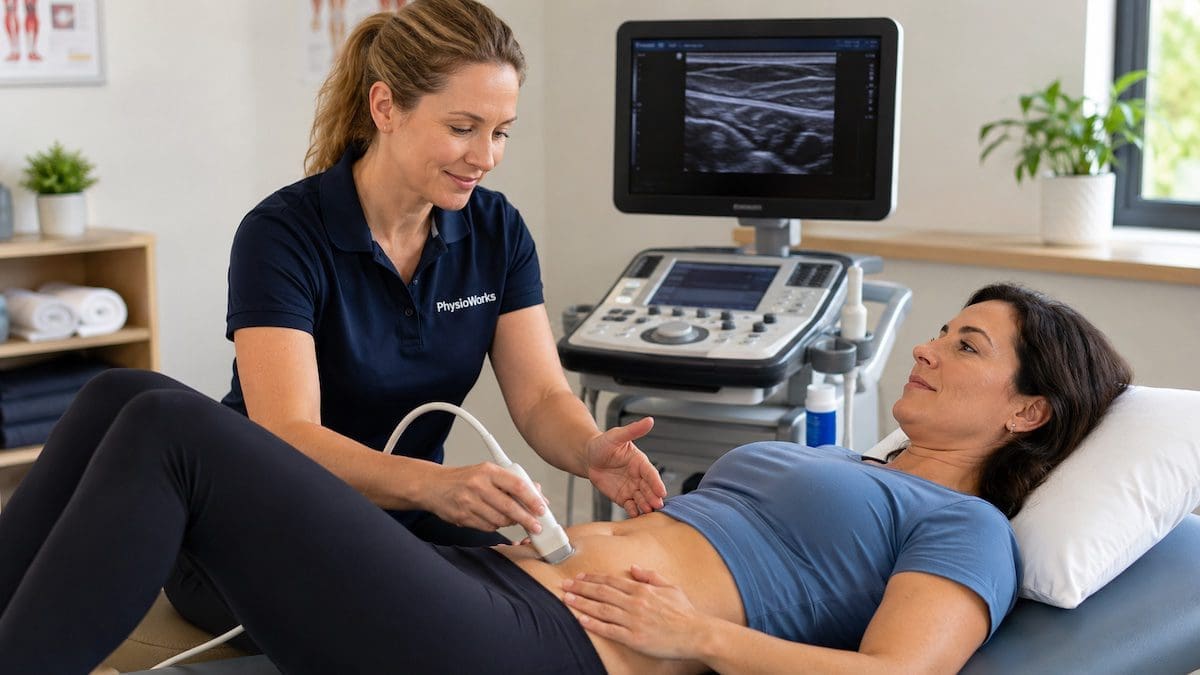
The Role of Real-Time Ultrasound Retraining
Real-time ultrasound retraining allows you and your physiotherapist to see these deep muscles working on a screen. Ultrasound imaging provides live feedback about timing and quality of contraction.
This can help you:
- learn how to gently activate the correct muscles
- avoid over-bracing or breath-holding
- see whether the transversus abdominis, multifidus or pelvic floor is working as intended
- progress from low-load positions to functional tasks with confidence
Core Stability Exercises for a Stronger Back
Simple Yet Effective Routines
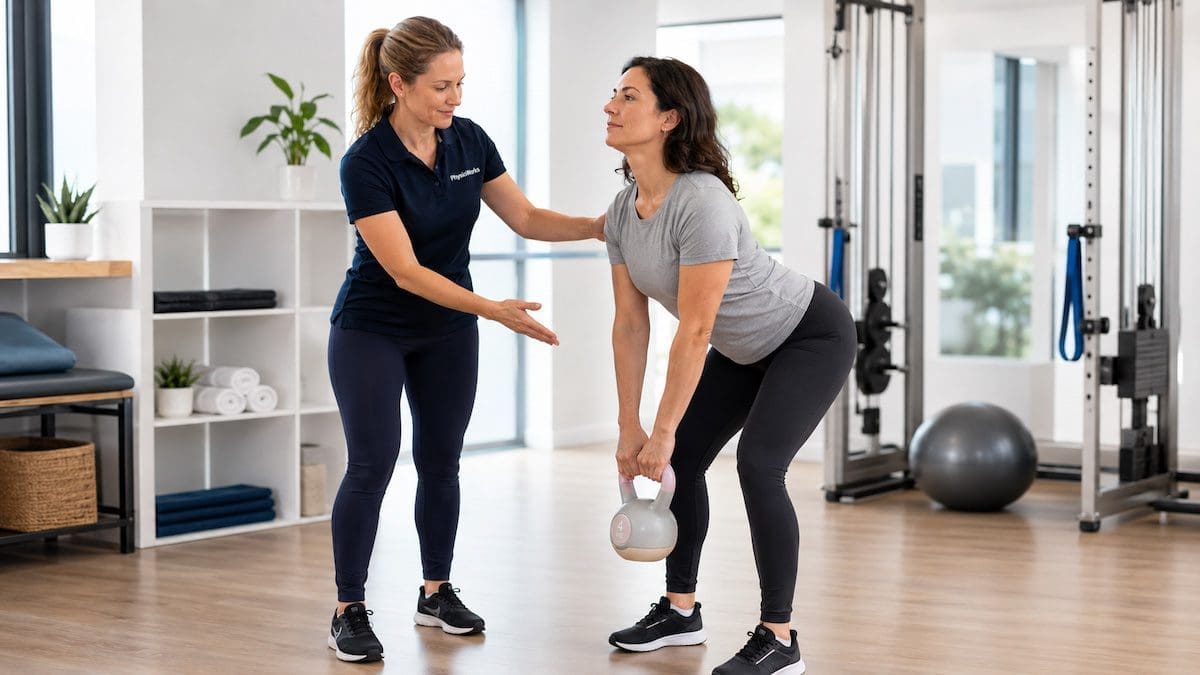
Core stability programmes usually start with low-load exercises that focus on awareness and control. Over time, they progress to more challenging positions and functional movements such as squats, lunges and lifting tasks.
Common exercises include:
- gentle transversus abdominis activation in lying or sitting
- pelvic tilts and bridging
- four-point kneeling stability exercises
- side planks and front planks, adjusted to your level
- Pilates-based mat or equipment work
- light lifting retraining once control improves
Your physiotherapist can show you how to combine these with flexibility work and general strengthening to suit your goals, job and sport.
The Pilates Connection
A Fusion of Core Stability and Movement
Pilates is a movement approach that focuses on control, alignment and breathing. It fits well with core strength and core stability training principles used in physiotherapy.
Pilates can:
- improve awareness of spinal position
- support deep core activation during whole-body movements
- build strength and endurance in a low-impact way
- help manage and prevent back pain when integrated into a broader programme
Measuring Your Core Stability
Understanding Your Core Stability Score
Your core stability score reflects how well your deep and superficial trunk muscles work together. Physiotherapists may use endurance holds, balance tasks, movement control tests and, where appropriate, ultrasound imaging to create a starting point.
Retesting at regular intervals helps track progress and fine-tune your exercises. Many people find that improvements in core stability link with better confidence, fewer flare-ups and easier daily tasks.
Addressing Core Stability Deficiencies
Causes and Solutions
A lack of core stability can develop for many reasons. These include previous back or pelvic injuries, pregnancy and childbirth, surgery, prolonged sitting, deconditioning or pain-related muscle inhibition.
A personalised physiotherapy plan may include:
- education about posture and movement habits
- graded core stability and strengthening exercises
- breathing retraining and relaxation strategies
- activity modification or workplace changes
- advice about returning to sport, gym or work safely
If you notice recurrent back pain, a feeling of “giving way”, pelvic floor symptoms or difficulty activating your deep core muscles, a physiotherapy assessment is a sensible next step.
When Should You Book a Physiotherapy Assessment?
You may benefit from a physiotherapy assessment if your back pain keeps returning, your trunk control feels poor, or you are unsure how to start core training safely.
Assessment is also useful if you have pelvic floor symptoms, postnatal concerns, recent surgery, sport goals, or difficulty progressing gym exercises without flare-ups.
What to Do Next
If you want to improve your deep core muscles, start with a clear assessment. Your physiotherapist can check how your trunk, pelvis, hips and breathing pattern work together, then guide a programme that matches your body and goals.
For many people, the best plan combines education, graded core stability exercises, movement retraining and regular progressions. Some people also benefit from real-time ultrasound feedback to improve activation accuracy.
Choose your clinic and appointment pathway
Select a PhysioWorks clinic to continue to live booking, an appointment request or reception assistance.
Back Support Products
These back support products are commonly used by our physiotherapists to help reduce back pain, improve comfort, and support your recovery at home.
-
-
-
 Back, Braces & Supports, Maternity, SIJ
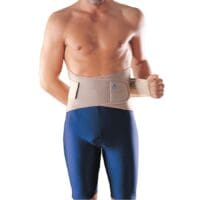
Core Stability Support – OPPO 3462
$54.00Select optionsQuick View -
 Back, Braces & Supports, Maternity, Posture
Maternity Back Support – OPPO 2062
$60.00 – $64.00Select optionsQuick View -

 Back, Braces & Supports, Maternity, Posture
Pregnancy Belly Band & C-Section 3-in-1
$94.99Select optionsQuick View - Braces & Supports, Back, Maternity, SIJ
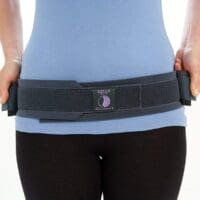
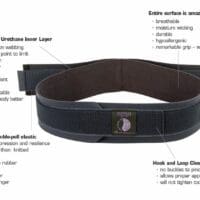
AOM38 AllCare Ortho Core Stability Belt
$49.95Select optionsQuick View -
-
 Braces & Supports, Back, Maternity, SIJ
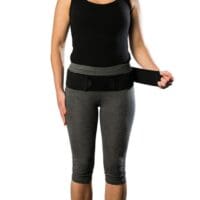
Maternity Support Belt – OPPO 4062
$37.00Select optionsQuick View
Deep Core Muscles FAQ
What are the deep core muscles?
Deep core muscles include the transversus abdominis, multifidus, pelvic floor muscles and diaphragm. They sit close to the spine and pelvis and help control movement, breathing pressure and spinal stability.
How do deep core muscles help back pain?
Deep core muscles help stabilise the spine, support posture and share load through the trunk. This may reduce stress on irritated joints, discs and nerves in people with back pain.
How can I strengthen my deep core muscles?
Gentle activation work can progress to bridging, four-point kneeling, side planks, front planks, Pilates and light lifting retraining. Guidance from a physiotherapist helps match the exercise to your symptoms and goals.
What are signs of weak deep core muscles?
Signs can include recurrent back pain, poor trunk control, fatigue with sitting or standing, breath-holding during exercise, difficulty lifting confidently, or a feeling that your back may “give way”.
Can Pilates help deep core muscles?
Pilates may help improve body awareness, breathing control, spinal alignment and deep core activation. It works best when the programme is matched to your current ability and progressed gradually.
What is real-time ultrasound core training?
Real-time ultrasound retraining uses imaging to show your deep core muscles on a screen. This feedback can help you see when you are activating the right muscles and adjust in real time.
Should I brace hard when doing core exercises?
Not always. Many deep core exercises start with gentle activation, relaxed breathing and controlled movement. Over-bracing or breath-holding can increase pressure and may reduce exercise quality.
When should I see a physiotherapist for core stability?
Consider seeing a physiotherapist if back pain keeps returning, your exercises flare symptoms, you have pelvic floor concerns, or you are unsure how to safely return to lifting, sport or gym training.
Related Articles
Core Stability
- Core Stability — learn how trunk control supports spinal health and daily movement.
- Core Stability Exercises — explore exercises used to improve trunk control and back support.
- Core Stability Training — learn how physiotherapists progress core control into activity.
- Core Stability Deficiency — read about poor trunk control, causes and management options.
Back Pain and Exercise
- Lower Back Pain Treatment — review common management options for lower back pain.
- Back Pain Exercises — find exercise ideas for lower back strength and control.
- Back Pain Prevention — learn practical ways to reduce back pain flare-up risk.
Pelvic Floor, Pilates and Ultrasound
- Pelvic Floor Exercises — learn how pelvic floor training can support core control and continence.
- Pilates for Back Pain — read how Pilates may support spinal strength and movement control.
- Real-Time Ultrasound Retraining — see what to expect when ultrasound feedback is used for muscle retraining.


References
- Hodges PW, Smeets RJ. Interaction between pain, movement, and physical activity: short-term benefits, long-term consequences, and targets for treatment. J Orthop Sports Phys Ther. 2015;45(9):691-698.
- Sarto F, Spörri J, Fitze DP, Quinlan JI, Narici MV, Franchi MV. Implementing ultrasound imaging for the assessment of muscle and tendon properties in elite sports: practical aspects, methodological considerations and future directions. J Clin Med. 2021;10(8):1815.
- Lin S, Zhu B, Zheng Y, et al. Effect of real-time ultrasound imaging for biofeedback on trunk muscle contraction in healthy subjects: a preliminary study. BMC Musculoskelet Disord. 2021;22:142.
- Prentice CLS, Milanese S, Massy-Westropp N. The reliability of rehabilitative ultrasound to measure lateral abdominal muscle thickness: a systematic review and meta-analysis. Musculoskelet Sci Pract. 2021;53:102357.
- Wu A, March L, Zheng X, et al. Global, regional, and national burden of low back pain, 1990-2020, its attributable risk factors, and projections to 2050. Lancet Rheumatol. 2023;5(8):e434-e449.