What Does Good Posture Actually Mean?
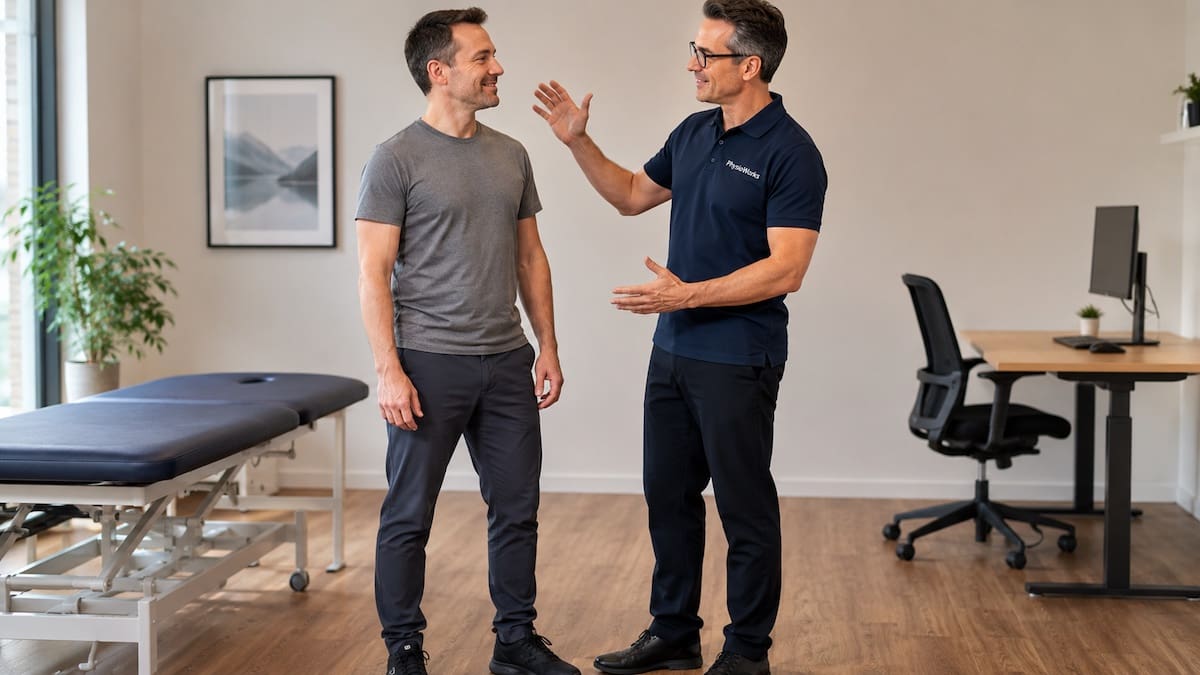
Good posture is a position that suits the task, feels reasonably comfortable and allows you to move and breathe without unnecessary tension.
Your posture will naturally change when you type, drive, lift, walk, exercise or relax. Therefore, a practical posture should not feel rigid or forced. Aim for positions that you can tolerate comfortably, then change position before fatigue or stiffness builds.
For a simple standing reference, see our guide to good standing posture.
Can Poor Posture Cause Pain?
Posture may contribute to pain when you hold one position for a long time or when your body does not yet have enough capacity for a particular task.
Even so, pain rarely comes from posture alone. Neck pain, back pain and shoulder discomfort often involve several contributing factors. These may include workload, stress, sleep, physical conditioning, previous injury and general health.
Changing position may improve comfort. However, this does not necessarily mean that your previous posture was harmful or that your spine was “out of alignment”.
Why Does Posture Become Uncomfortable?
Posture-related discomfort often develops when the duration or demand of a task exceeds your current tolerance. Common examples include:
- working at a computer for long periods
- using a laptop or phone with the screen positioned too low
- remaining in one position without breaks
- repeating the same movement throughout the day
- reduced upper-back, shoulder or hip movement
- reduced trunk, hip or upper-back strength
- fatigue, stress or poor sleep
These factors do not automatically damage your spine. However, they may increase fatigue, stiffness or sensitivity when exposure continues for too long.
How Can You Improve Your Posture in Five Steps?
Begin with changes that are practical enough to repeat. The following approach suits many work, study, driving and daily-life situations.
STEP 1
Change Position
Stand, walk or shift position before stiffness builds. Even a brief change can reduce sustained loading.
STEP 2
Relax Excess Tension
Avoid constantly pulling your shoulders backwards or bracing your abdomen. Aim for an easy, relaxed position.
STEP 3
Adjust the Task
Bring your screen, keyboard, tools or work surface closer so you do not need to strain or reach repeatedly.
STEP 4
Move Comfortably
Use gentle neck, shoulder, upper-back and hip movements to reduce stiffness and restore movement variety.
STEP 5
Build Capacity
Strengthen your upper back, shoulders, trunk and hips so your body can tolerate daily activities for longer.
How Often Should You Change Position?
There is no exact movement schedule that suits everyone. As a practical starting point, change position or move briefly every 30 to 60 minutes.
You may need more frequent breaks if symptoms appear sooner. A movement break does not need to be long. Standing, walking for a minute, rolling your shoulders or changing your sitting position may be enough.
A Simple Movement Reminder
The best posture is often your next posture. Change position before discomfort builds rather than waiting until you feel very stiff.
How Can You Improve Sitting Posture?
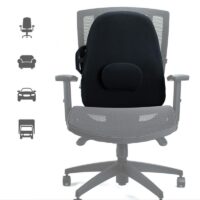
Arrange your workstation around the task rather than trying to hold your body in one fixed position.
- Position the screen near eye level where practical.
- Keep the keyboard and mouse close.
- Support your feet on the floor or a footrest.
- Let your shoulders remain relaxed.
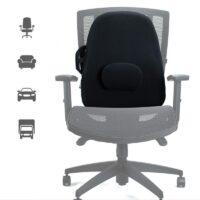
- Use the chair back when it feels comfortable.
- Alternate between sitting, standing and walking where possible.
A workstation adjustment may reduce unnecessary reaching and make it easier to vary your position throughout the day.
Which Exercises May Help Improve Posture?
Posture exercises should build movement options and physical capacity rather than force your spine into one fixed alignment.
Useful exercises may include:
- upper-back rotation and extension movements
- rows and other upper-back strengthening exercises
- shoulder mobility and control exercises
- trunk strengthening exercises
- hip strengthening exercises
- walking and general physical activity
The best exercise depends on your symptoms, health, work demands and current activity level. Exercises should feel manageable and should not cause progressively worsening pain, tingling or weakness.
Does Posture Affect Breathing?
Your sitting or standing position can influence how comfortably your chest and ribs move. A compressed or sustained position may make breathing feel less comfortable for some people.
However, you do not need to maintain a rigid upright position to breathe well. A relaxed position that allows comfortable chest and abdominal movement is usually more practical.
Can Posture Braces or Supports Help?
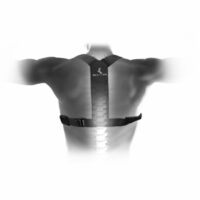
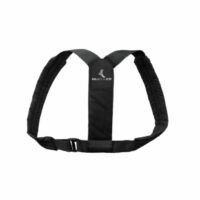
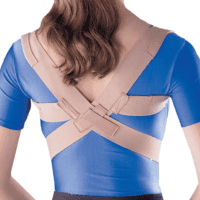
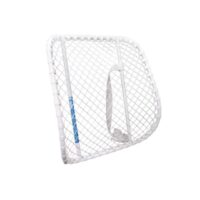
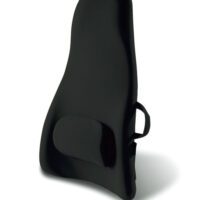
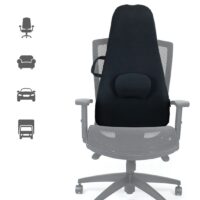
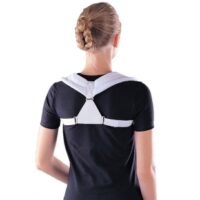
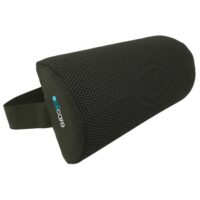
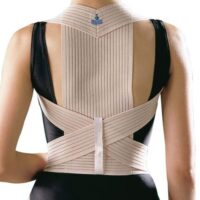
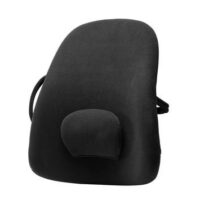
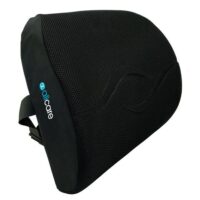
Posture products may provide a reminder, improve short-term comfort or support a particular task. However, they should not replace regular movement, exercise or gradual strengthening.
A support should feel comfortable and should not cause numbness, skin irritation, breathing restriction or increasing pain. See our posture products and support guide for further information.