
Stiff Neck


Stiff Neck? Here’s What You Need to Know

Stiff neck physiotherapy can help when your neck feels locked, sore, or hard to turn. Most stiff neck episodes settle well. However, the right advice can reduce pain, restore movement, and lower the chance of flare-ups.
A stiff neck often comes from irritated joints, overloaded muscles, or a sudden spike in posture load (desk work, driving, sleep position, or phone use). Sometimes it follows an injury such as whiplash or a sudden wry neck episode.
If your symptoms keep returning, see our main neck pain guide, plus neck physiotherapy for what to expect at your first appointment.
Why Does Neck Stiffness Occur?
Neck stiffness usually occurs when your body “guards” the area. This guarding can feel like tight bands through the upper neck, shoulders, or upper back. Common drivers include:
- Posture load: long hours at a desk, long drives, or leaning into screens (see text neck).
- Joint irritation: small neck joints can become sensitive and reduce comfortable turning.
- Muscle overload: sudden increases in gym work, awkward lifting, or prolonged “head forward” positions.
- Sleep positioning: one awkward night can trigger stiffness the next day (see sleeping positions for back and neck pain).
- Headache overlap: some people get head pain with stiffness (see cervicogenic neck headache).
How Does Neck Stiffness Develop?
Most stiff necks build up from repeated low-level strain, then “tip over” after one extra load event. For example, you might tolerate desk work for weeks, then wake with stiffness after one poor night’s sleep. Alternatively, a sudden turn, reaching movement, or sporting contact can trigger a short-term flare.
People also ask: Can sleeping wrong cause a stiff neck? Yes. A pillow that pushes your head too high or too low can load neck joints and muscles for hours. As a result, you may wake with pain and restricted turning.
Who Is Affected by Neck Stiffness?
Neck stiffness can affect anyone. Even so, it is more common in people who sit for long periods, use laptops and phones heavily, or carry stress-related muscle tension. Older adults may also notice stiffness linked with age-related joint change (see age-related neck pain).
When Should You Be Concerned?
Most stiff neck episodes are not dangerous. However, seek urgent medical care if you have severe symptoms after a major fall or crash, fever with severe headache and neck stiffness, progressive weakness, or bowel/bladder changes. For Australian guidance on when to seek help, see healthdirect’s neck pain advice.
What Are the Treatment Options for a Stiff Neck?
At-home tips that often help
- Keep moving gently: short, frequent turns and nods within a comfortable range.
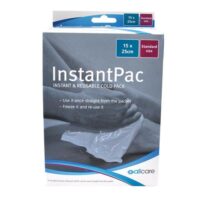
- Heat or ice: choose what feels better for you for short bursts.
- Relative rest: reduce aggravating tasks, but avoid complete shutdown.
- Simple posture breaks: stand up every 30–45 minutes and reset your shoulders and chin position.
Physiotherapy care
A physiotherapist can check joint movement, muscle tone, irritability, and any nerve-related signs. Then they may recommend a plan that combines:
- Manual therapy to help restore comfortable movement (see manual physiotherapy techniques).
- Targeted exercise to improve control and tolerance (see neck strengthening).
- Posture and habit changes that reduce repeat flare-ups (see neck posture).
- Load guidance for work, gym, sport, and sleep positions so progress stays steady.
Preventing Stiff Neck Flare-ups
Prevention focuses on reducing long holds and building capacity. Start with small changes, then build consistency. If you want a full prevention plan, see neck pain prevention and posture.
What to Do Next
If your stiff neck is not improving, keeps returning, or affects sleep and work, a physiotherapist may recommend a short plan to restore movement and build resilience. Early advice often prevents weeks of stop-start pain.
Choose your clinic and appointment pathway
Select a PhysioWorks clinic to continue to live booking, an appointment request or reception assistance.
Neck Products
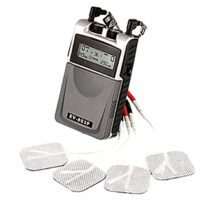
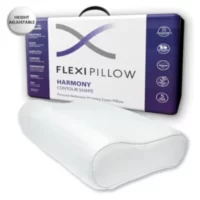
These neck products are commonly used by our physiotherapists to improve strength, posture, movement, plus assist home exercise programs.
-
- Liniments & Gels, Massage Liniments, Pain Management
Fisiocrem
$16.95 – $39.95Select optionsQuick View -
-
-
-
 Ice & Heat, Pain Management, Uncategorized
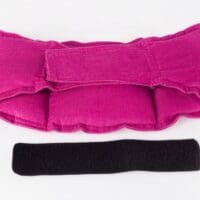
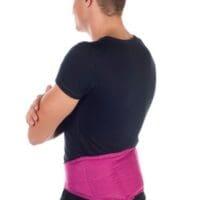
PhysiPak Universal Heat pack
$79.00Select optionsQuick View -


- EMS Machines, Pain Management, TENS Machine, TENS Machine & EMS
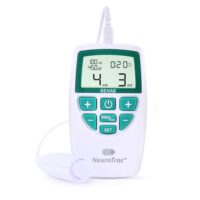
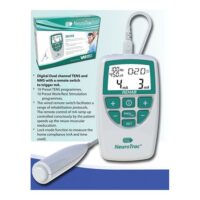
NeuroTrac Rehab (TENS Machine + EMS)
$285.00Add to cartQuick View -


-

 Back, Exercise Equipment, Neck, Resistance Band
66Fit Over Door Neck Traction Unit
$63.00Add to cartQuick View -

-

- Christmas Gift Ideas, Neck, Pillows/Cushions
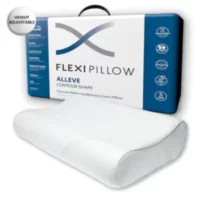
FlexiPillow Alleve Pillow
$109.95Add to cartQuick View








References
- Abdullah A, et al. The combined effects of manual therapy and exercise on pain and disability for individuals with nonspecific neck pain: a systematic review and meta-analysis. 2023. Available from: https://pubmed.ncbi.nlm.nih.gov/37092822/
- Calafiore D, Marotta N, Longo UG, Vecchio M, Zito R, Lippi L, Ferraro F, Invernizzi M, Ammendolia A, de Sire A. The efficacy of manual therapy and therapeutic exercise for reducing chronic non-specific neck pain: a systematic review and meta-analysis. 2025. Available from: https://pubmed.ncbi.nlm.nih.gov/39973257/
- Zhang X, et al. Efficacy and safety of spinal manipulative therapy in the management of acute neck pain: a systematic review and meta-analysis. Systematic Reviews. 2025. Available from: https://link.springer.com/article/10.1186/s13643-025-02855-7
