
Stretching Exercises
Stretching Exercises


Stretching exercises can improve flexibility and range of motion when performed consistently. Dynamic stretching usually suits warm-ups, while comfortable static stretching often fits better after exercise or in a separate flexibility session. Stretching should not cause sharp pain, numbness or tingling.
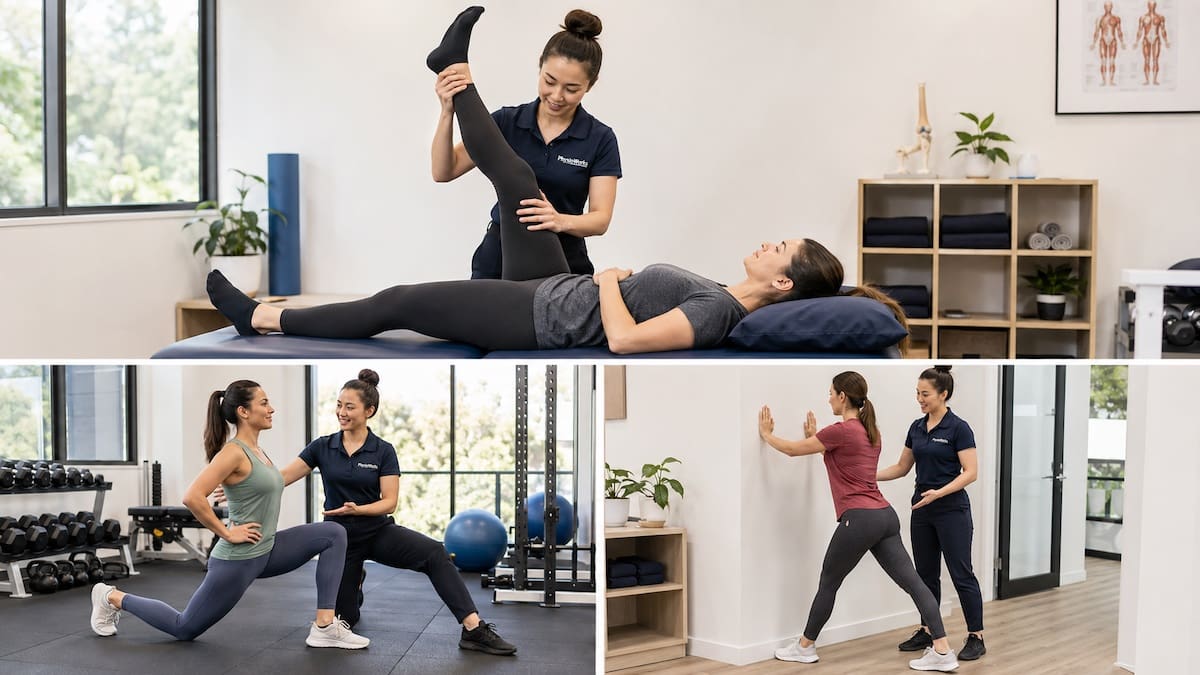
Stretching may help you move with less stiffness after long sitting, training, ageing or time away from exercise. However, flexibility is only one part of healthy movement. Strength, control, recovery and appropriate loading also matter.
A physiotherapist may combine stretching with exercise programs, strengthening exercises and other physiotherapy treatments according to your symptoms and goals.
If tightness keeps returning, the cause may involve training load, recovery, joint stiffness or movement control rather than a muscle simply being “too short”. You may also find our guides to muscle recovery and common muscle injuries useful.
How should you stretch safely?
Before exercise
Warm up first, then use controlled dynamic movements that match your activity.
After exercise
Use comfortable static holds if they help you feel less stiff.
During rehabilitation
Match the stretch to your symptoms, injury stage, load tolerance and goals.
If symptoms worsen
Reduce or stop the stretch and seek advice if pain spreads, tingling develops or symptoms remain worse afterwards.
Why do stretching exercises matter?
Stretching can improve range of motion. Greater movement may make reaching, bending, striding, squatting or exercising feel easier when stiffness is limiting you.
Still, stretching is not a complete exercise plan. It works best when it fits your strength, load tolerance and normal activities. For many people, a structured home exercise program provides a better starting point than using random stretches.
When should you stretch?
Before exercise
Warm up before stretching. Aim for about 5–10 minutes of light movement, then use dynamic stretching that reflects the activity you are about to perform.
Dynamic stretching means moving through a comfortable range with control. Examples include leg swings, lunges or arm circles. Read more about warming up before exercise.
After exercise
Static stretching may feel helpful after training if your muscles feel stiff. Static stretching means holding a comfortable position without bouncing or forcing the end of your range.
Stretching is optional rather than compulsory after every session. If your muscles feel particularly heavy or tight after sport, you may also consider recovery massage.
During rehabilitation
If you are recovering from an injury, your physiotherapist may prescribe targeted stretching according to your symptoms, irritability and activity demands. The amount and intensity matter, particularly when pain, swelling or tendon sensitivity is present.
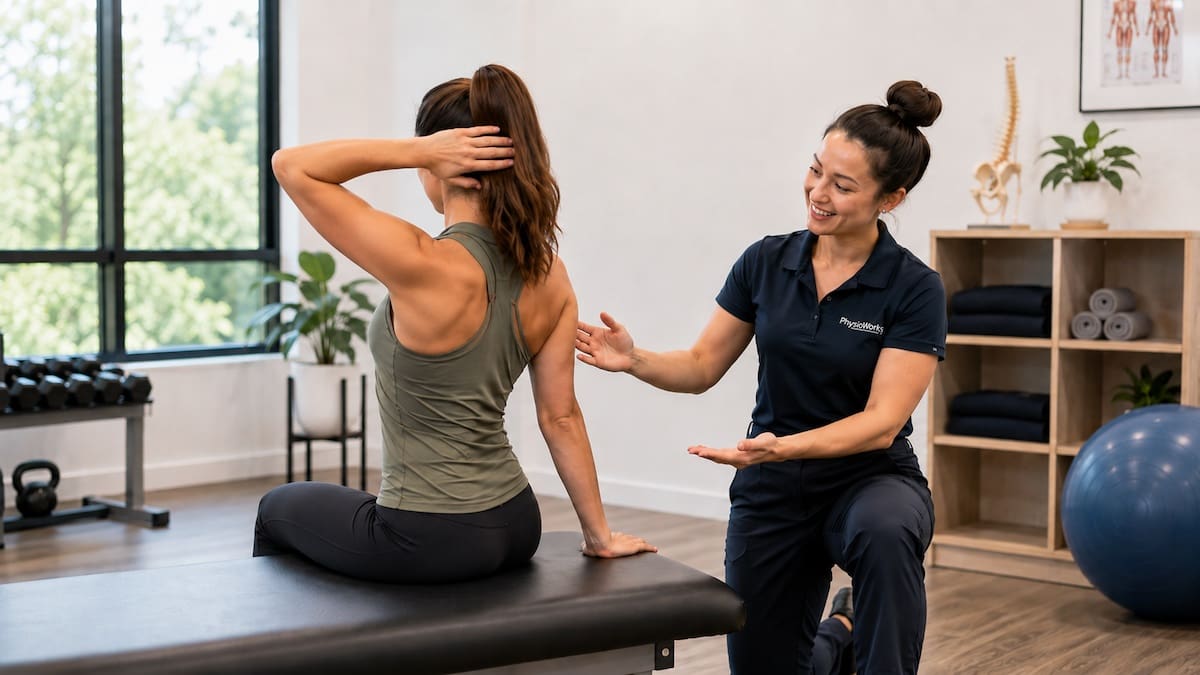
What are the main types of stretching?
Static stretching
Move into a comfortable stretch and hold the position without bouncing. Static stretching is commonly used when improving flexibility is the main goal.
Dynamic stretching
Move repeatedly through a controlled range. Dynamic stretching commonly forms part of a warm-up for sport or exercise.
PNF stretching
PNF stretching combines muscle contraction and stretching. It may suit some flexibility goals when the technique and intensity are appropriate.
How long should you hold a stretch?
A practical starting point for many adults is a comfortable static stretch for about 20–30 seconds, repeated two to four times. The stretch should feel noticeable but tolerable.
Reduce the intensity or stop if you feel sharp pain, pins and needles, numbness, dizziness or worsening symptoms afterwards.
How often should you stretch?
Short and consistent sessions usually make more sense than occasional aggressive stretching. People trying to improve a restricted area may use stretching around three to five days per week.
Daily stretching may suit some people, particularly when stiffness develops with sitting, work or sport. However, more is not always better. Your symptoms should remain the same or improve later that day and the following morning.
What stretching mistakes should you avoid?
- Stretching cold muscles aggressively.
- Bouncing or forcing your end-range.
- Holding your breath.
- Continuing through sharp pain.
- Relying on stretching without appropriate strength and control exercises.
- Using the same routine regardless of your sport, injury or rehabilitation stage.
When should you get physiotherapy advice?
Consider a physiotherapy assessment if stiffness keeps returning, stretching increases your pain, or restricted movement interferes with walking, running, work, gym training or sport.
A physiotherapist can assess joint movement, muscle function, strength, control and load tolerance. Your plan may then include stretching, strengthening, activity changes and recovery advice according to what is actually limiting you.
Stretching FAQs
Should stretching hurt?
No. A stretch should feel strong but comfortable. Reduce the intensity if you feel sharp pain, pins and needles, numbness, dizziness or symptoms that worsen afterwards.
Should I stretch before or after exercise?
Warm up before exercise, then use dynamic stretching that matches your activity. Static stretching often fits better after training or at a separate time of day.
Can stretching exercises prevent injuries?
Stretching may help flexibility, but it is not a complete injury-prevention plan. Strength, appropriate training load, warm-up habits, sleep and recovery also matter.
Can stretching help tight muscles from sitting?
Stretching may help short-term stiffness from sitting. Regular movement breaks, changes in position and strengthening exercises may provide a better long-term approach.
What type of stretch is best for flexibility?
Static stretching can improve flexibility when performed consistently. Dynamic stretching may suit warm-ups, while PNF stretching may suit some people when used appropriately.
When should I see a physiotherapist about flexibility?
Seek advice if tightness keeps returning, limits activity, follows an injury or does not improve with a simple routine. Assessment can help determine whether you need stretching, strengthening, load changes or another approach.
What should you do next?
If stiffness is mild and settles quickly, start with gentle stretching and gradual strengthening. Keep your routine simple and check how your body responds later that day and the following morning.
If stiffness keeps returning, stretching increases pain or you are unsure which exercises suit you, a physiotherapy assessment can help. Your physiotherapist can match stretching and strengthening to your body, activity and goals. You can also choose your preferred PhysioWorks clinic.
Choose your clinic and appointment pathway
Select a PhysioWorks clinic to continue to live booking, an appointment request or reception assistance.
Muscle & Soft Tissue Products
These muscle and soft tissue products are commonly used by our physiotherapists to relax or loosen muscles, improve strength, comfort, flexibility, and home exercise programs.
-
- Exercise Equipment, Resistance Band
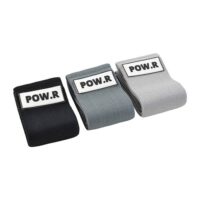
POW.R Wide Fabric Loop Resistance Band
$14.95 – $49.95Select optionsQuick View - Liniments & Gels, Massage Liniments, Pain Management
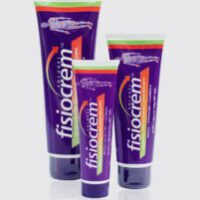
Fisiocrem
$16.95 – $39.95Select optionsQuick View -
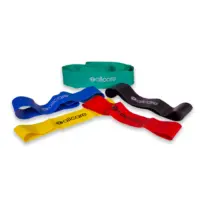
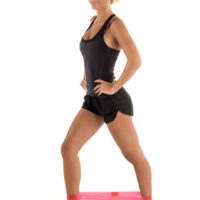
 Exercise Equipment, Resistance Band
AllCare Powerloop Bands
$22.00 – $65.00Select optionsQuick View -

-
-
-
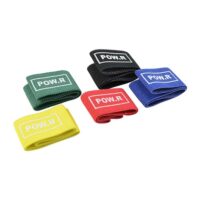 Exercise Equipment, Knee, Resistance Band
POW.R Fabric Mini Loop Bands
$12.00 – $55.00Select optionsQuick View - EMS Machines, Pain Management, TENS Machine, TENS Machine & EMS
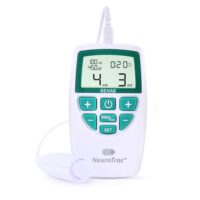
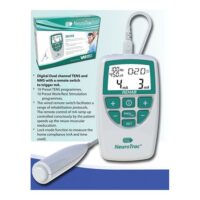
NeuroTrac Rehab (TENS Machine + EMS)
$285.00Add to cartQuick View -
-
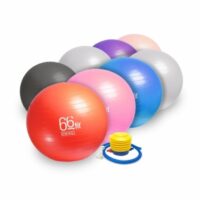
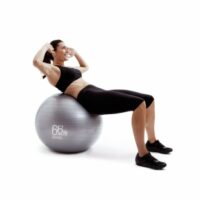 Exercise Balls, Back, Exercise Equipment, Knee, Shoulder
66fit Exercise Balls | Core & Rehab Stability Ball
$32.00 – $57.00Select optionsQuick View -
-
-
-







Research references
- Bryant J, Cooper DJ, Peters DM, Cook MD. The Effects of Static Stretching Intensity on Range of Motion and Strength: A Systematic Review. J Funct Morphol Kinesiol. 2023;8(2):37. doi:10.3390/jfmk8020037
- Arntz F, Markov A, Behm DG, et al. Chronic Effects of Static Stretching Exercises on Muscle Strength and Power in Healthy Individuals Across the Lifespan: A Systematic Review with Multi-level Meta-analysis. Sports Med. 2023;53:723–745. doi:10.1007/s40279-022-01806-9
- Warneke K, Thomas E, Blazevich AJ, et al. Practical recommendations on stretching exercise: A Delphi consensus statement of international research experts. J Sport Health Sci. 2025;14:101067. doi:10.1016/j.jshs.2025.101067