
Plica Syndrome
Plica Syndrome: Symptoms, Diagnosis and Treatment
Plica syndrome can cause pain at the front or inner side of the knee, sometimes with clicking, catching or snapping during repeated bending.


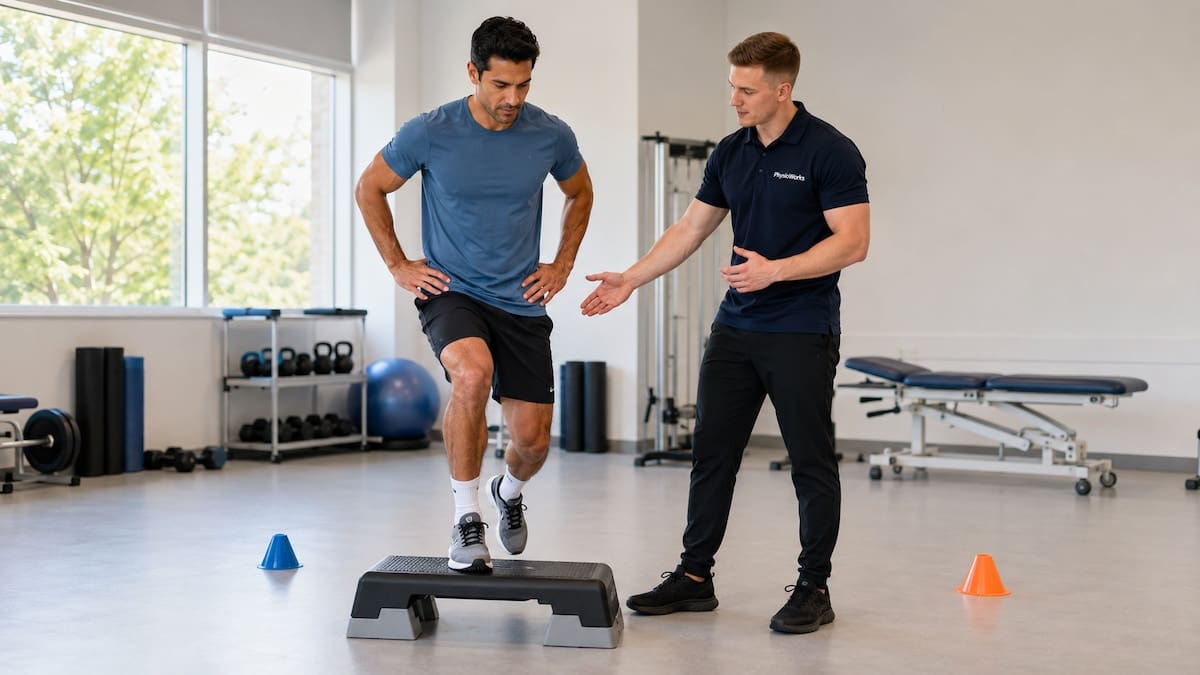
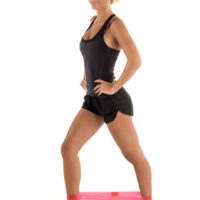
Step-down assessment can help a physiotherapist assess movement patterns that may be relevant to anterior or inner knee pain.
Plica syndrome occurs when a normal fold of tissue inside the knee joint becomes irritated. The medial plica, near the inner side of the kneecap, is most often associated with symptoms. Pain may be felt at the front or inner side of the knee, with some people also noticing clicking, snapping or catching.
Plica syndrome can resemble other causes of knee pain, including patellofemoral pain syndrome, chondromalacia patella, patellar tendinopathy and meniscus injuries. A clinical assessment can help distinguish between these problems.
Pain area
Usually the front or inner side of the knee.
Common triggers
Stairs, squats, running, cycling, kneeling and repeated bending.
Usual management
Load modification followed by progressive strength and movement rehabilitation.
What Is Plica Syndrome?
A plica is a normal fold in the synovial lining of the knee joint. Most plicae cause no symptoms. However, a plica can become irritated or thickened and begin to rub against nearby structures during knee movement.
The medial plica is the plica most often associated with symptoms. It lies along the inner front part of the knee near the medial femoral condyle and the underside of the kneecap.
What Can Irritate a Knee Plica?
Plica irritation may develop after repeated loading, direct trauma or a sudden increase in activity. Running, jumping, cycling, hill walking, squatting, kneeling and frequent stair use can all increase stress around the front of the knee.
Your physiotherapist may also assess factors that could affect how the knee manages load, including:
- hip, thigh and calf strength
- kneecap control during functional tasks
- quadriceps, hamstring and calf flexibility
- previous knee injury or surgery
- training volume and recent changes in activity
- work or sport involving repeated kneeling, squatting or cycling
These findings do not necessarily cause plica syndrome, but they may help guide rehabilitation when they are relevant to your symptoms.
What Are the Symptoms of Plica Syndrome?
Plica syndrome commonly causes pain at the front or inner side of the knee. Some people describe a tender band beside the kneecap. Others notice a click, pop, snap or catching sensation when the knee bends and straightens.
Symptoms may become more noticeable with:
- walking up or down stairs or hills
- squatting, lunging or kneeling
- getting up from a low chair
- running, particularly with increased training load
- cycling and repeated knee bending
- prolonged sitting with the knee bent
Mild swelling may occur after heavier activity. Persistent pain can also reduce confidence or strength around the knee if activity levels fall for a prolonged period.
What Else Can Feel Like Plica Syndrome?
Clicking or front-of-knee pain does not confirm plica syndrome. Several knee conditions can produce similar symptoms.
Patellofemoral Pain Syndrome
Often causes pain around or behind the kneecap during stairs, squats, running or prolonged sitting.
Meniscus Injury
May cause joint-line pain, swelling, catching or locking, particularly after twisting or trauma.
Chondromalacia Patella
Describes cartilage changes beneath the kneecap and can overlap with anterior knee pain symptoms.
Patellar Tendinopathy
More often causes localised pain around the patellar tendon during jumping, running or heavy knee loading.

Progressive strengthening can help restore knee capacity when exercises are matched to symptoms, goals and activity demands.
How Is Plica Syndrome Assessed?
Plica syndrome is usually assessed clinically. Your physiotherapist or doctor will ask how the symptoms started, where the pain occurs, which activities aggravate it and whether you have swelling, locking, catching or giving way.
The examination may include:
- knee movement and range of motion
- tenderness around the medial plica
- kneecap movement and control
- hip, knee and calf strength
- squatting and step-down tasks
- walking, running or sport-specific movement where appropriate
Assessment also helps identify other conditions that may better explain the symptoms.
Do You Need an X-Ray, MRI or Ultrasound?
Imaging is not always required. X-rays do not directly show a plica, but they may help investigate other causes of knee pain such as arthritis or fracture.
MRI or ultrasound may show a plica or associated tissue changes. However, many people have visible plicae without symptoms, so scan findings need to match the history and physical examination.
How Is Plica Syndrome Treated?
Most people begin with conservative treatment. Management aims to reduce irritation while progressively rebuilding strength, movement tolerance and confidence with normal activities.
Load Management
Temporarily reducing the activities that repeatedly aggravate the knee can help settle symptoms without requiring complete rest.
This may include adjusting:
- running distance, speed or hills
- cycling volume or resistance
- deep squatting or repeated kneeling
- stairs and high-load lower-limb exercise
- sport or work tasks that repeatedly provoke symptoms
The aim is usually to find a tolerable level of activity and then rebuild gradually.
Physiotherapy and Exercise
Rehabilitation should reflect the findings from your assessment rather than follow one standard exercise program.
Treatment may include:
- quadriceps and hip strengthening
- graded knee exercises
- calf and lower-limb strengthening
- movement retraining for stairs, squats, running or sport
- flexibility work where a genuine restriction is present
- balance and proprioception exercises when appropriate
- gradual return to work, gym, running or sport
Your physiotherapist may also consider footwear, training load, cycling setup or work positions when these appear relevant.
Can Taping or a Knee Support Help?
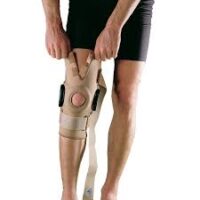
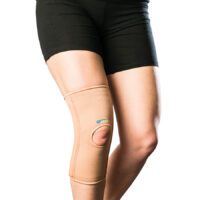
Taping, strapping or a knee support may help some people manage symptoms during activity. These options work best when they support, rather than replace, progressive rehabilitation.
Are Injections Used for Plica Syndrome?
A corticosteroid injection is not routinely required for plica syndrome. In selected cases, a doctor or sports physician may consider an injection when symptoms remain highly irritable or when further diagnostic clarification is needed.
When Is Surgery Considered?
Arthroscopic surgery may be considered when symptoms persist despite a well-performed period of conservative care and the clinical findings continue to support a symptomatic plica.
A surgeon may remove or release the plica and inspect the joint for associated cartilage or other knee problems. Surgery is generally not the first treatment option.
Can You Keep Running or Exercising?
Some people can continue exercising with temporary modifications. A useful guide is whether symptoms remain manageable during activity and settle afterwards rather than progressively worsening.
A physiotherapist can help adjust training volume, hills, speed, surfaces and strength work while maintaining as much activity as practical.
Can Plica Syndrome Come Back?
Symptoms can recur if knee loading increases faster than the tissues can tolerate. Gradual progression of running, cycling, squatting and jumping loads may reduce this risk.
Maintaining lower-limb strength and responding early to substantial changes in training or activity may also help.
When Should You Seek Assessment?
Consider a physiotherapy or medical assessment when knee pain, catching, clicking or a band-like feeling:
- persists for more than a few weeks
- limits stairs, walking or work
- prevents running, gym or sport
- keeps returning despite activity changes
- follows a significant knee injury
Related Knee Conditions and Information
Plica Syndrome FAQs
What is plica syndrome in the knee?
Plica syndrome is irritation of a normal fold in the lining of the knee joint, most often the medial plica. It may cause front or inner knee pain, tenderness, clicking, catching or snapping during knee movement.
Is plica syndrome serious?
Plica syndrome is rarely dangerous, but it can interfere with walking, stairs, kneeling, work, exercise or sport. Assessment can also help exclude other knee problems that produce similar symptoms.
Does plica syndrome go away?
Mild irritation may settle with activity modification and progressive exercise. More persistent symptoms may require structured rehabilitation over several weeks or longer. A smaller group of people may require medical or surgical review.
What is the usual treatment for plica syndrome?
Treatment usually begins with load modification and progressive rehabilitation. Exercise may target lower-limb strength, movement control and the activities that provoke symptoms. Surgery is generally reserved for selected persistent cases.
Can I keep running with plica syndrome?
Some runners can continue with a modified program if symptoms remain manageable and settle after training. Distance, speed, hills and total weekly load may need temporary adjustment while strength and tolerance improve.
When should I see a physiotherapist or doctor?
Seek assessment if symptoms persist for more than a few weeks, repeatedly return, limit normal activities or stop exercise or sport. Seek urgent medical care for a locked knee, major swelling after trauma, fever with a hot red knee, significant calf swelling or inability to bear weight.
What To Do Next
If your knee pain is not settling, an assessment can help determine whether the symptoms fit plica syndrome or another knee condition. Your physiotherapist can then guide a rehabilitation plan for stairs, work, running, gym or sport.
Choose your clinic and appointment pathway
Select a PhysioWorks clinic to continue to live booking, an appointment request or reception assistance.
Knee Support Products
These knee support products are commonly used by our physiotherapists to help reduce strain, improve stability, and support your recovery at home.
- EMS Machines, Pain Management, TENS Machine, TENS Machine & EMS
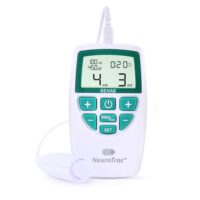
NeuroTrac Rehab (TENS Machine + EMS)
$285.00Add to cartQuick View -
-


-

-
-
- Liniments & Gels, Massage Liniments, Pain Management
Fisiocrem
$16.95 – $39.95Select optionsQuick View -
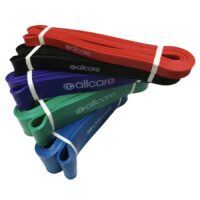
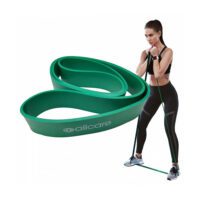 Exercise Equipment, Resistance Band
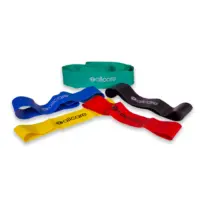
AllCare Powerloop Bands
$24.95 – $79.95Select optionsQuick View -
-

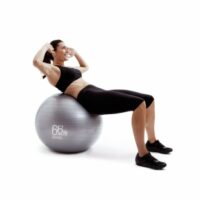 Exercise Balls, Back, Exercise Equipment, Knee, Shoulder
66fit Exercise Balls | Core & Rehab Stability Ball
$32.00 – $57.00Select optionsQuick View -
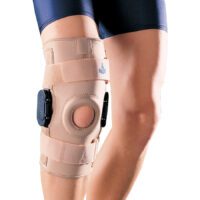
-

 Calf, Elbow, Ice & Heat, Knee, Pain Management
Victor Elastic Cold Sleeve
$44.00 – $60.00Select optionsQuick View -
-
 Exercise Equipment, Knee, Resistance Band
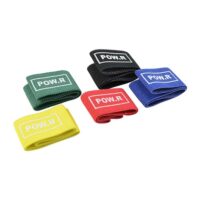
POW.R Fabric Mini Loop Bands
$12.00 – $55.00Select optionsQuick View





References
- Casadei K, Hermena S. Plica Syndrome. StatPearls. Updated 10 April 2023.
- Gryckiewicz S, Olesik P, Domżalski M, Polguj M, Topol M. The medial plica syndrome of the knee – narrative review of the literature. Translational Research in Anatomy. 2025;39:100380. doi:10.1016/j.tria.2025.100380
- Franco P, Baumert P, Di Maria F, et al. Surgical and conservative management of medial plica syndrome: a systematic review and meta-analysis of functional outcomes. Journal of Experimental Orthopaedics. 2025;12(4). doi:10.1002/jeo2.70473
- Sauer S, DeFroda SF, Bokshan SL, Owens BD. Medial Plica Syndrome of the Knee: Arthroscopic Plica Resection versus Structured Physiotherapy – A Randomised Controlled Trial. Journal of Knee Surgery Reports. 2022;8(1):e22-e27. doi:10.1055/s-0042-1755621
- Lee PYF, Nixion A, Chandratreya A, Murray JM. Synovial Plica Syndrome of the Knee: A Commonly Overlooked Cause of Anterior Knee Pain. The Surgery Journal. 2017;3(1):e9-e16. doi:10.1055/s-0037-1598047
