
Shoulder Labrum Injury


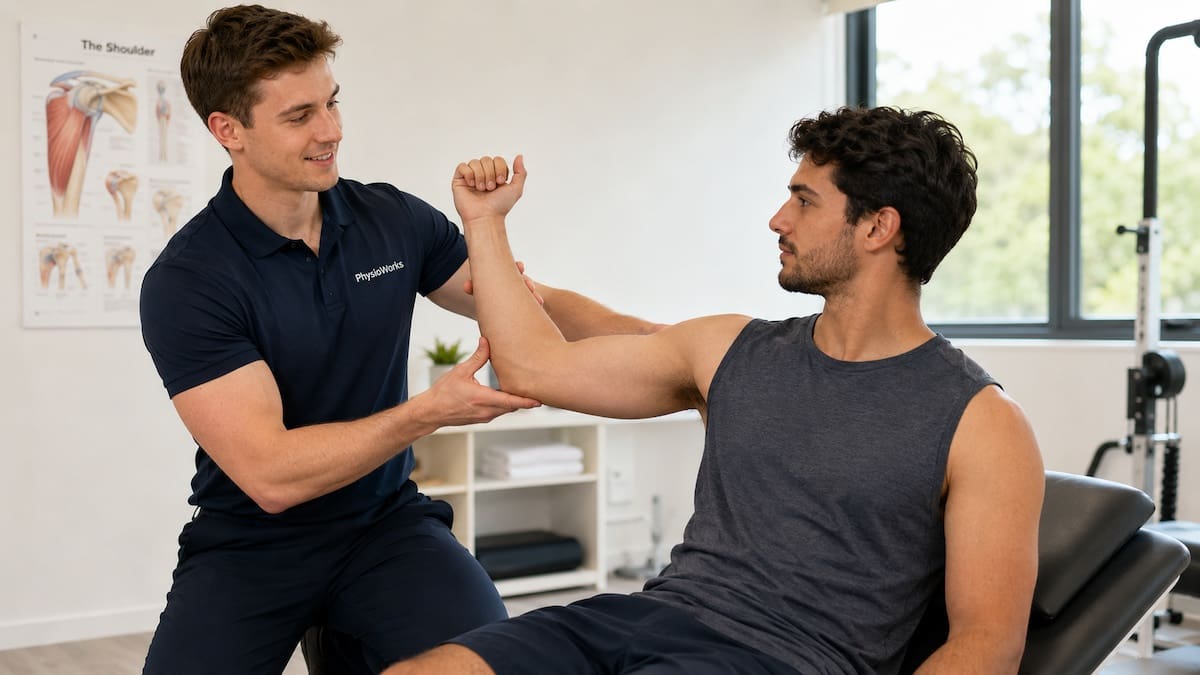
Shoulder stability assessment for labrum-related symptoms.
A shoulder labrum injury can cause deep shoulder pain, clicking, catching, weakness, or a feeling that the shoulder is not secure. The labrum is a firm cartilage ring around the shoulder socket. It helps deepen the joint and supports stable movement during lifting, reaching, throwing, swimming and gym training.
Labrum injuries often occur with shoulder instability, rotator cuff injuries, biceps tendon pain, or after a traumatic shoulder dislocation. If your symptoms are unclear, start with the broader shoulder pain guide.
Quick answer: a shoulder labrum injury affects the cartilage rim of the shoulder socket. It may cause pain, clicking, catching, weakness or instability.
Common types: SLAP tears, Bankart lesions and posterior labral tears affect different parts of the shoulder labrum.
A shoulder physiotherapy assessment may review movement, strength, control, pain behaviour and load tolerance. This helps guide a plan for work, sport, gym training, or return to overhead activity.
What Is The Shoulder Labrum?
The shoulder labrum is a fibrocartilage rim attached to the edge of the glenoid socket. In plain English, it is a firm ring that helps the ball of the upper arm sit more securely in the shoulder socket.
The labrum also gives attachment points to shoulder ligaments and the long head of the biceps tendon. This is why labrum pain can sometimes feel like deep joint pain, front shoulder pain, or pain during overhead and pulling tasks.
Key Functions Of The Labrum
- Helps improve shoulder joint stability
- Supports smooth movement under load
- Helps absorb compressive and twisting forces
- Provides attachment for ligaments and the biceps tendon
Common Shoulder Labrum Injuries
The shoulder has a large range of movement. However, that mobility means the joint relies heavily on good muscle control, ligament support and labrum function. Labrum injuries may follow a fall, dislocation, tackle, heavy lift, throwing load, or repeated overhead training.
Which Labrum Pattern Fits Your Symptoms?
- Top shoulder or biceps-area pain: may fit a SLAP-type pattern.
- Front instability after dislocation: may fit a Bankart-type pattern.
- Back shoulder pain with pressing: may fit a posterior labral pattern.
- Clicking without pain: may not always mean a serious tear.
SLAP Tear
A SLAP tear affects the upper part of the shoulder labrum where the long head of the biceps tendon attaches. SLAP stands for superior labrum anterior to posterior. These injuries may occur in throwing athletes, swimmers, gym users and workers who repeat overhead tasks.
SLAP-type symptoms may include deep shoulder pain, painful clicking, catching, pain near the biceps area, or pain with overhead loading. For more detail, read our dedicated SLAP tear shoulder injury guide.
Bankart Lesion
A Bankart lesion affects the lower front part of the labrum. It is often linked to an anterior shoulder dislocation. If the labrum and capsule do not restore enough stability, the shoulder may feel at risk during abduction, rotation, tackling, reaching or overhead sport.
Posterior Labral Tear
A posterior labral tear affects the back of the socket. It may occur with contact sport, repeated pushing, heavy pressing, falling on an outstretched arm, or loading the shoulder across the body.
Symptoms Of A Shoulder Labrum Tear
Symptoms vary. Some people mainly notice pain. Others notice clicking, weakness, or reduced confidence when the arm is placed under load.
- Deep shoulder pain during lifting, pushing or overhead activity
- Clicking, catching, clunking or locking sensations
- A feeling that the shoulder may slip, shift or give way
- Weakness during pressing, pulling or throwing
- Pain with gym training, swimming, throwing or contact sport
- Reduced confidence using the arm away from the body
Some labral changes also appear on scans in people without major symptoms. For that reason, your symptoms, history, physical tests and goals matter. Imaging can help, but it should be interpreted with the whole clinical picture.
What Causes A Shoulder Labrum Injury?
A shoulder labrum injury may happen through one clear event or build over time. The mechanism often gives useful clues about the type of injury.
- Dislocation or subluxation: the shoulder shifts out of position and strains the labrum.
- Overhead sport: throwing, swimming or serving can load the top labrum and biceps anchor.
- Contact sport: tackles, falls or forced arm positions can injure the labrum.
- Heavy gym loading: pressing, dips, rows or traction lifts can provoke symptoms.
- Repetitive work: overhead, pulling or awkward reaching tasks can increase shoulder load.
How Is A Shoulder Labrum Injury Assessed?
A physiotherapist will usually ask about the first injury, the movements that provoke symptoms, and whether the shoulder feels painful, weak or unstable. The assessment may include range of motion, strength tests, shoulder control tasks and stability tests.
The goal is not to rely on one test alone. A shoulder labrum injury can overlap with shoulder impingement symptoms, rotator cuff pain, biceps tendon pain and instability. Your clinician may also consider whether medical imaging or a sports physician or orthopaedic review is appropriate.
Shoulder Labrum Treatment Options
Treatment depends on the tear type, age, symptoms, sport or work demands, and whether the shoulder feels unstable. Many people start with structured rehabilitation, especially when symptoms are manageable and the shoulder is not repeatedly slipping.
Physiotherapy Management
Physiotherapy may help by improving shoulder control, strength and confidence under load. A program may include scapular control, rotator cuff strengthening, biceps load management, shoulder mobility, and a graded return to sport or work tasks.
Many plans use progressions from shoulder exercises and rotator cuff exercises. The right exercise level depends on the irritability of the shoulder and the activity you need to return to.
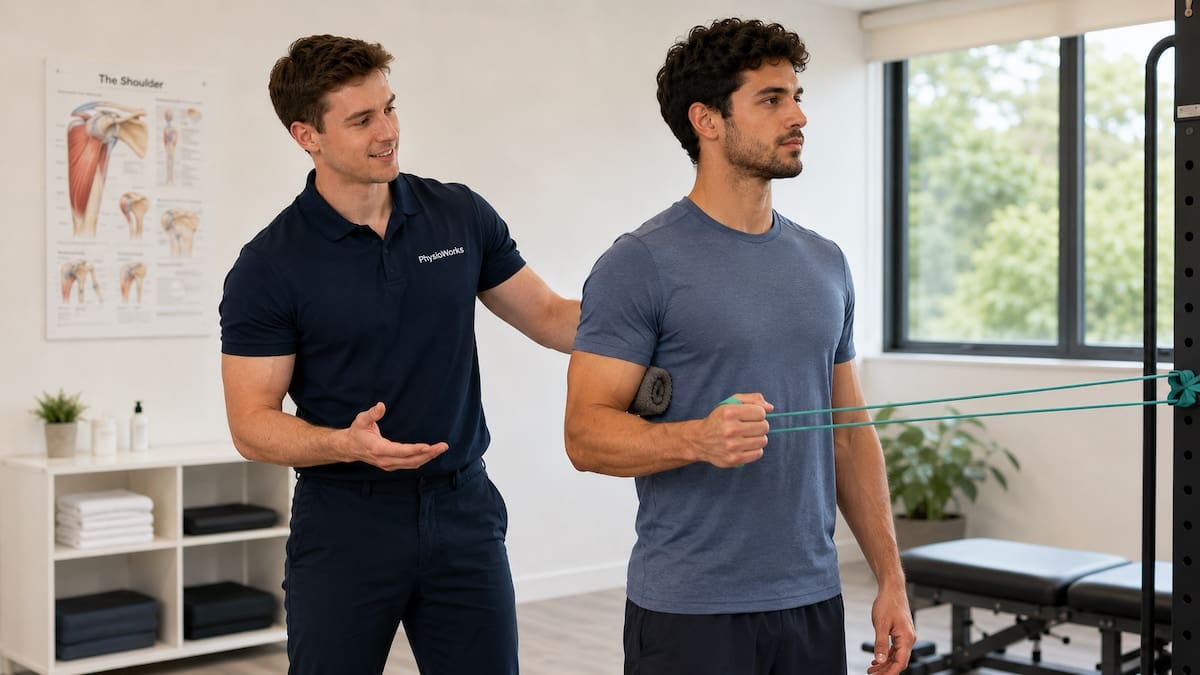
Controlled shoulder rotation can rebuild confidence.
Rehabilitation Progression
Rehab should be matched to symptoms, stability and goals. The table below gives a broad guide only. Your physiotherapist may adjust timing and exercise choice based on your shoulder response.
| Stage | Main Goal | Examples |
|---|---|---|
| Settle symptoms | Reduce pain and protect the shoulder from repeated irritation | Activity modification, gentle range, pain-free isometrics |
| Restore control | Improve scapular and rotator cuff control | External rotation, rows, serratus work, controlled pressing angles |
| Build capacity | Progress load without provoking instability or catching | Strength progressions, tempo control, gym-specific modifications |
| Return to sport or work | Prepare the shoulder for speed, load and repeated positions | Throwing progressions, swimming load, contact drills, overhead work tasks |
Rehab Considerations By Tear Pattern
Different labrum patterns need different loading decisions. SLAP-type symptoms may need careful biceps and overhead load management. Bankart-type injuries often need stability and apprehension-based progressions. Posterior labral symptoms may need graded pressing, pushing and cross-body loading.
Your physiotherapist may adjust exercises based on whether symptoms come from pain, weakness, clicking, instability, stiffness or reduced confidence. This helps avoid a one-size-fits-all program.
Should You Keep Training?
You may need to modify training if lifting, throwing, swimming or pushing causes deep pain, catching, instability or symptoms that linger after activity.
Many people can keep some form of exercise going while rehab starts. The key is choosing movements that do not repeatedly irritate the shoulder.
Surgical Review
Surgical opinion may be considered when pain, catching or instability persists despite a structured rehab program, or when sport or work demands require a higher level of shoulder stability. Surgical decisions depend on age, tear type, instability, imaging findings and activity goals.
For SLAP tears, surgical options may include SLAP repair or biceps-related procedures in selected cases. For Bankart lesions after dislocation, surgical stabilisation may be discussed when recurrent instability risk is high. Your physiotherapist can help you understand when referral is reasonable and how to prepare if surgery is planned.
Can A Labral Tear Heal Without Surgery?
Some people manage a labral tear well without surgery, especially when symptoms are stable and the shoulder is not repeatedly slipping. The aim is not always to “heal the scan”. Instead, the goal is to restore useful shoulder strength, control and tolerance for the tasks that matter to you.
Younger athletes, contact athletes, throwers, heavy workers and people with repeated instability may need more detailed advice. If symptoms persist, your physiotherapist may recommend review with a sports physician or shoulder surgeon.
When Should You Seek Help?
Book an assessment if shoulder pain, clicking or instability affects work, sleep, sport or gym training. Also seek advice if you have had a dislocation, repeated giving-way episodes, marked weakness, or pain that does not settle with sensible load changes.
Prevention And Long-Term Shoulder Control
Labrum injuries cannot always be prevented. However, good shoulder strength, steady load progression and sport-specific preparation may reduce unnecessary shoulder stress.
- Build rotator cuff and scapular strength
- Progress overhead training gradually
- Avoid sudden spikes in throwing, swimming or pressing load
- Address stiffness and strength loss early
- Use sound lifting technique and avoid painful high-risk positions
- Plan a graded return after dislocation, surgery or a major flare
Related Shoulder Information
These PhysioWorks pages may help you understand related shoulder problems and treatment pathways:
- SLAP tear shoulder injury
- Shoulder pain guide
- Shoulder instability
- Shoulder dislocation
- Rotator cuff injury
- Biceps tendinopathy
- Shoulder impingement
- Shoulder physiotherapy
Shoulder Labrum Injury FAQs
What does a shoulder labrum injury feel like?
A shoulder labrum injury may feel like deep shoulder pain, clicking, catching, weakness or instability. Some people notice symptoms during lifting, throwing, swimming or gym work. Others mainly feel that the shoulder is not secure under load.
What is the difference between a SLAP tear and a shoulder labrum tear?
A SLAP tear is one type of shoulder labrum tear. It affects the top part of the labrum near the biceps tendon attachment. Other labrum tears may affect the front, back or lower part of the shoulder socket.
Can a shoulder labrum injury cause clicking?
Yes. A labrum injury can cause clicking, catching or clunking. However, clicking alone does not always mean a serious tear. Pain, loss of function, instability and the injury history help determine whether the clicking needs assessment.
Can physiotherapy help a shoulder labrum tear?
Physiotherapy may help many people with labrum-related symptoms by improving shoulder control, rotator cuff strength, scapular strength and load tolerance. The program should match the tear pattern, irritability, sport demands and work goals.
Do all labral tears need surgery?
No. Many people start with non-surgical care, especially when the shoulder is not repeatedly slipping and symptoms are manageable. Surgery may be considered when instability, catching or pain continues despite a structured rehabilitation plan.
How long does shoulder labrum recovery take?
Recovery time varies. Mild symptoms may improve over weeks, while sport or heavy work goals can take months. Post-operative timelines are usually longer and depend on the procedure, surgeon protocol, sport demands and strength milestones.
Should I keep lifting weights with a shoulder labrum injury?
You may need to modify lifting while symptoms settle. Deep pressing, dips, heavy overhead lifts and painful pulling may need changes. A physiotherapist can help you choose safer exercise options while rebuilding shoulder capacity.
What To Do Next
If shoulder pain, clicking, catching or instability is affecting training, work or sleep, book a physiotherapy assessment. Your physiotherapist can assess shoulder movement, strength, stability and load tolerance, then guide your next step.
Early advice can help you avoid guessing between rest, exercise, imaging and referral. It can also help you plan a safer return to lifting, throwing, swimming, work or sport.
Choose your clinic and appointment pathway
Select a PhysioWorks clinic to continue to live booking, an appointment request or reception assistance.
Shoulder Products
These shoulder products are commonly used by our physiotherapists to improve strength, posture, movement, plus assist home exercise programs.
- Liniments & Gels, Massage Liniments, Pain Management
Fisiocrem
$16.95 – $39.95Select optionsQuick View -
 Exercise Equipment, Knee, Resistance Band
POW.R Fabric Mini Loop Bands
$12.00 – $55.00Select optionsQuick View -

-

- EMS Machines, Pain Management, TENS Machine, TENS Machine & EMS
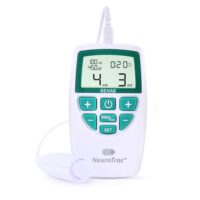
NeuroTrac Rehab (TENS Machine + EMS)
$285.00Add to cartQuick View -
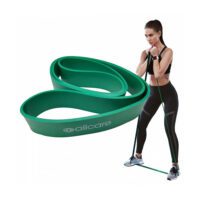 Exercise Equipment, Resistance Band
AllCare Powerloop Bands
$24.95 – $79.95Select optionsQuick View -
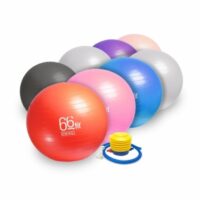
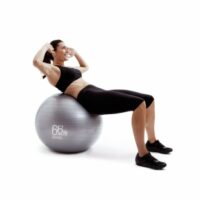 Exercise Balls, Back, Exercise Equipment, Knee, Shoulder
66fit Exercise Balls | Core & Rehab Stability Ball
$32.00 – $57.00Select optionsQuick View -
-

-
-
 Ice & Heat, Pain Management, Uncategorized
PhysiPak Universal Heat pack
$79.00Select optionsQuick View -
-
-
-






Research Supporting Shoulder Labrum Management
- Varacallo MA, Tapscott DC, Mair SD. Superior Labrum Anterior Posterior Lesions. StatPearls. Updated August 4, 2023.
- Steinmetz RG, Guth JJ, Matava MJ, Brophy RH, Smith MV. Return to play following nonsurgical management of superior labrum anterior-posterior tears: a systematic review. J Shoulder Elbow Surg. 2022;31(6):1323-1333. doi:10.1016/j.jse.2021.12.022
- Dean RS, Onsen LT, et al. Physical examination maneuvers for SLAP lesions: a systematic review and meta-analysis of individual and combinations of maneuvers. Am J Sports Med. 2023. doi:10.1177/03635465221100977
- Lack BT, Childers JT, Mowers CC, et al. Biceps tenodesis and SLAP repair show similar outcomes in overhead throwing athletes with baseball pitchers exhibiting worse rates of return to sport: a systematic review. Arthroscopy. 2025;41(9):3715-3729.e2. doi:10.1016/j.arthro.2025.01.061
- Goldenberg BT, Goldsten P, Lacheta L, Arner JW, Provencher MT, Millett PJ. Rehabilitation following posterior shoulder stabilization. Int J Sports Phys Ther. 2021;16(3):930-940. doi:10.26603/001c.22501
