
Piriformis Syndrome
Piriformis Syndrome


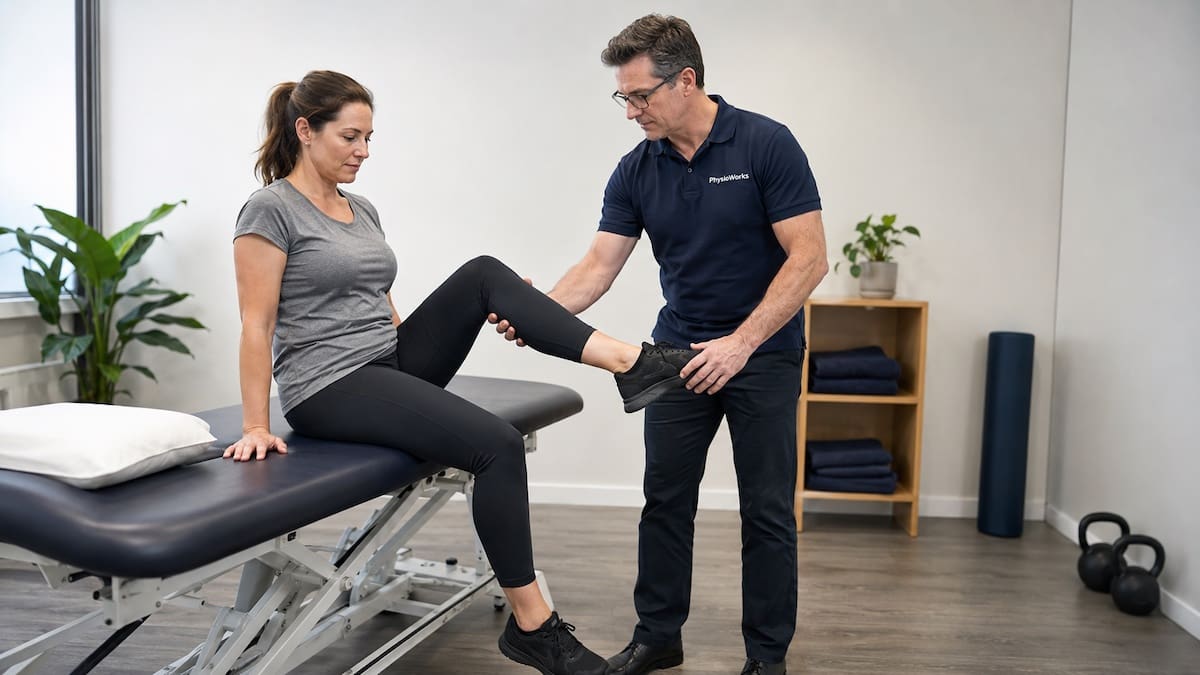
A physiotherapy assessment can help distinguish piriformis-related pain from lower-back and hip conditions.
Piriformis syndrome describes deep buttock pain and sciatica-like symptoms thought to arise when the sciatic nerve becomes irritated near the piriformis muscle. Symptoms may include pain with sitting, tenderness in the buttock and tingling or aching into the back of the thigh.
Similar symptoms can arise from the lumbar spine, hip joint, sacroiliac joint or other structures in the deep gluteal region. A careful assessment matters because piriformis syndrome is usually considered after other likely causes have been checked.
This condition sits within the broader hip pain conditions cluster and can overlap with sciatica, gluteal tendinopathy and sacroiliac joint pain.
Quick signs of piriformis syndrome
- Deep buttock pain, usually on one side
- Pain that builds during prolonged sitting or driving
- Aching, burning or tingling into the back of the thigh
- Discomfort when climbing stairs, walking uphill or rising from a chair
- Tenderness through the deep buttock region
What is piriformis syndrome?
Piriformis syndrome is a possible cause of buttock and leg symptoms involving irritation of the sciatic nerve near the piriformis muscle. The piriformis is one of several deep hip rotators located beneath the larger gluteal muscles.
The muscle helps rotate the hip and contributes to control around the hip and pelvis during walking, running and other lower-limb movements. Anatomy varies between people, including the relationship between the piriformis muscle and sciatic nerve.
The term deep gluteal syndrome may also be used when sciatic nerve irritation occurs within the buttock but cannot be attributed confidently to the piriformis muscle alone.
Why can piriformis syndrome feel like sciatica?
Piriformis-related symptoms can resemble sciatica because both may produce buttock pain with tingling, burning or aching into the leg. The main difference is the suspected location of the nerve irritation.
In lumbar sciatica, symptoms usually relate to irritation of a nerve root in the lower back. In piriformis syndrome or another deep gluteal condition, symptoms are thought to arise farther along the sciatic nerve within the buttock.
Symptoms alone cannot always identify the source. Your physiotherapist may assess your lower back, hip, pelvis and nervous system before deciding which diagnosis best fits your presentation.
What else can cause deep buttock or leg pain?
Several conditions can resemble piriformis syndrome. The location of pain, aggravating activities, neurological symptoms and physical examination findings help guide the differential diagnosis.
- Lumbar sciatica: nerve symptoms arising from the lower back.
- Gluteal tendinopathy: pain more commonly felt over the outside of the hip.
- Greater Trochanteric Pain Syndrome: lateral hip pain that may worsen with side-lying, walking or stairs.
- Proximal hamstring tendinopathy: pain near the sitting bone that often worsens with sitting, running or bending at the hip.
- SIJ-related pain: pain around the buttock and back of the pelvis.
- Hip joint conditions: symptoms may include groin pain, stiffness, catching or restricted hip movement.
What symptoms can piriformis syndrome cause?
Piriformis syndrome may cause deep buttock pain with or without symptoms extending into the leg. Symptoms often vary with sitting, hip position and activity.
People commonly report:
- an ache or sharp pain deep in one buttock
- pain during prolonged sitting or driving
- burning, tingling or altered sensation into the back of the thigh
- pain when rising after sitting
- discomfort during stairs, hills, running or longer walks
- tenderness when pressure is applied through the deep buttock
Symptoms extending below the knee, marked numbness or weakness may suggest more substantial nerve involvement or another cause. These findings warrant a thorough assessment.
What causes piriformis syndrome?
Piriformis syndrome does not have one proven cause. Symptoms may develop after local irritation, prolonged compression, trauma or a change in the amount or type of load placed through the buttock and hip.
Factors a clinician may consider include:
- prolonged sitting or repeated pressure through the buttock
- a sudden increase in running, hills, gym work or sport
- a fall or direct impact onto the buttock
- repeated hip rotation or deep hip-flexion positions
- changes in walking or running after another injury
- individual anatomical variation around the sciatic nerve
Hip strength, trunk control and movement patterns may also be assessed when they appear relevant. However, weakness or altered movement does not prove that the piriformis muscle is the primary source of pain.
Why does sitting aggravate piriformis syndrome?
Sitting may aggravate piriformis-related symptoms by placing sustained pressure through the buttock and nearby neural tissues. Hip position and direct contact with the chair can also increase local sensitivity.
Long car trips, low chairs, firm seats and sitting with a wallet or phone in a back pocket may be particularly uncomfortable. Regular position changes often feel better than trying to maintain one “perfect” posture.
How is piriformis syndrome diagnosed?
Piriformis syndrome is diagnosed clinically after considering the symptom pattern, physical examination and other possible sources of buttock or leg pain. No single physical test confirms the diagnosis in every person.
Your physiotherapist may assess:
- lower-back and hip movement
- neurological signs and sciatic nerve sensitivity
- symptom response to sitting and hip positions
- strength and control during functional tasks
- tenderness through the deep gluteal region
- walking, running or sport-specific movements where relevant
Imaging is not always required. MRI, ultrasound or other investigations may be considered when symptoms persist, the diagnosis remains uncertain or another condition needs to be excluded.
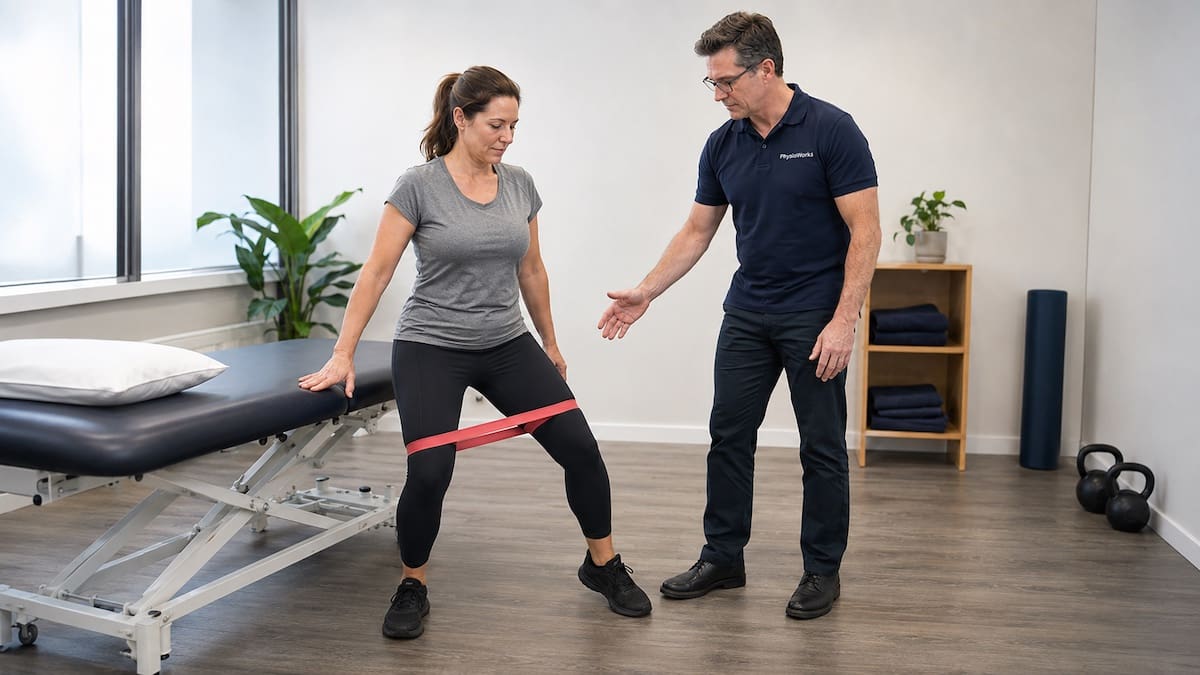
Rehabilitation may gradually rebuild hip and lower-limb capacity once symptom triggers are understood.
How can physiotherapy help piriformis syndrome?
Physiotherapy may help by clarifying the diagnosis, reducing aggravating load and gradually restoring comfortable movement. Treatment should reflect the findings of your assessment rather than following one standard piriformis program.
Your management plan may include:
- Education: understanding symptom triggers and which activities remain safe.
- Activity modification: adjusting sitting time, driving, hills, running or gym load.
- Exercise rehabilitation: rebuilding hip, trunk and lower-limb capacity where required.
- Neural mobility: graded movement when nerve sensitivity is contributing.
- Manual therapy: short-term treatment to improve comfort or movement where appropriate.
- Return-to-activity planning: progressing walking, work, training or sport in manageable stages.
A clinician may include exercises for the deep hip rotators, gluteal muscles or broader lower limb when testing identifies a relevant strength or control deficit. Exercise should not repeatedly increase spreading leg pain or neurological symptoms.
Should you stretch the piriformis?
Piriformis stretching helps some people, but it is not appropriate for every cause of buttock pain. A forceful stretch can aggravate symptoms when the sciatic nerve or nearby tissues are already sensitive.
A gentle stretch may be reasonable when it produces a mild local sensation that settles quickly. Stop or modify it if symptoms spread farther down the leg, create numbness or remain worse afterwards.
What can you do while waiting for an assessment?
Keep moving within comfortable limits and reduce the positions that clearly aggravate symptoms. Complete rest is rarely required unless another injury or medical condition changes the advice.
- Change position regularly rather than sitting for long uninterrupted periods.
- Trial shorter walks if walking feels easier than sitting.
- Temporarily reduce hills, speed work or deep hip-loading exercises that provoke symptoms.
- Avoid sitting on a wallet, phone or another object in a back pocket.
- Do not repeatedly force painful buttock stretches.
- Use heat or ice for short-term comfort if either feels helpful.
Seek medical or physiotherapy advice before using medication if you are unsure whether it is safe for you.
How does rehabilitation usually progress?
-
Settle irritation
Reduce aggravating pressure and maintain comfortable movement.
-
Rebuild capacity
Improve relevant hip, trunk and lower-limb strength or control.
-
Return to function
Progress sitting, work, walking, running, gym or sport gradually.
How long does piriformis syndrome take to improve?
Recovery time varies because deep buttock pain has several possible causes. Symptoms linked to a recent and manageable increase in load may settle over several weeks, while persistent nerve sensitivity or an uncertain diagnosis can take longer.
Progress depends on how long symptoms have been present, whether neurological symptoms are involved, daily sitting demands and how well rehabilitation load matches your current capacity. Improvement should be judged through function as well as pain.
When should you seek help?
Arrange an assessment when buttock or leg symptoms keep returning, sitting tolerance is declining or self-management is not helping. Prompt assessment is also appropriate when symptoms extend farther down the leg or interfere with sleep, work, walking or exercise.
Piriformis Syndrome FAQs
Can piriformis syndrome go away on its own?
Some mild episodes settle with shorter sitting periods, activity modification and comfortable movement. However, ongoing buttock or leg symptoms can also arise from the lower back, hip, SIJ or another deep gluteal structure. Assessment is worthwhile when symptoms persist or repeatedly return.
Why can piriformis syndrome take longer to improve?
Recovery varies with the underlying cause, symptom duration, nerve sensitivity and daily activity demands. Persistent or complex presentations may need a longer period of progressive rehabilitation and load management, particularly when the source of symptoms is not initially clear.
Is walking good for piriformis syndrome?
Walking is often suitable when it remains comfortable and does not increase spreading leg symptoms. Start with a manageable distance and monitor your response afterwards. Reduce the pace, distance or hills if symptoms steadily build during or after the walk.
Should you stretch a painful piriformis muscle?
Gentle stretching may help some people, but forceful stretching can aggravate sensitive neural or deep gluteal tissues. Stop if the stretch causes tingling, numbness or pain that travels farther down the leg. An assessment can help determine whether stretching suits your presentation.
When should piriformis syndrome be checked?
Arrange an assessment if pain keeps returning, leg symptoms are worsening, sitting is becoming harder or you are unsure whether symptoms originate from the buttock, hip or lower back. Seek urgent care for new weakness, bladder or bowel changes, or saddle-region numbness.
What to do next
If deep buttock pain, leg symptoms or sitting discomfort keep returning, a physiotherapy assessment can help identify the most likely source. The assessment should consider piriformis-related pain alongside lumbar sciatica, hip conditions, SIJ pain and other deep gluteal causes.
Once the likely cause is clearer, treatment can focus on reducing irritation, restoring useful movement and gradually rebuilding tolerance for sitting, walking, work, exercise or sport.
Choose your clinic and appointment pathway
Select a PhysioWorks clinic to continue to live booking, an appointment request or reception assistance.
Hip Products
These hip products are commonly used by our physiotherapists to improve strength, posture, movement, plus assist home exercise programs.
-

 Exercise Equipment, Resistance Band
AllCare Powerloop Bands
$24.95 – $79.95Select optionsQuick View -
-


-


-


-

-
-


-
 Exercise Equipment, Knee, Resistance Band
POW.R Fabric Mini Loop Bands
$12.00 – $55.00Select optionsQuick View - Liniments & Gels, Massage Liniments, Pain Management
Fisiocrem
$16.95 – $39.95Select optionsQuick View -
-
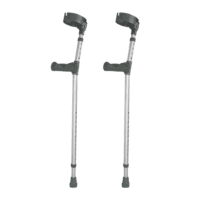 Ankle, Back, Braces & Supports, Calf, Foot, Groin, Heel, Hip, Knee, Thigh, Walking
Forearm Crutches
$64.00Select optionsQuick View -

 Exercise Balls, Back, Exercise Equipment, Knee, Shoulder
66fit Exercise Balls | Core & Rehab Stability Ball
$32.00 – $57.00Select optionsQuick View -







References
- Lewis AM, Layzer R. Piriformis Syndrome. In: StatPearls. Treasure Island, FL: StatPearls Publishing; updated 2024.
- Manske RC, Prohaska D. Use of diagnostic musculoskeletal ultrasound in the evaluation of piriformis syndrome: a review for rehabilitation providers. Int J Sports Phys Ther. 2024.
- Probst D, Stout A, Hunt D. Piriformis syndrome: a narrative review of the anatomy, diagnosis, and treatment. PM R. 2019;11(Suppl 1):S54-S63. doi:10.1002/pmrj.12189.
- Siahaan YMT, Tan ES, Ketaren RJ, et al. Ultrasound-guided measurement of piriformis muscle thickness to diagnose piriformis syndrome. Front Neurol. 2021;12:721966. doi:10.3389/fneur.2021.721966.
