
Whiplash



Whiplash physiotherapy may help settle neck pain, stiffness, headache, and dizziness after a sudden neck acceleration–deceleration injury. If you are comparing symptoms across neck conditions, start with our Neck Pain hub, and if headaches are part of your picture, see Headache Physiotherapy.
Whiplash often follows a motor vehicle accident, but it can also happen during contact sport, a fall, or any impact that quickly throws the head backward and forward. The injury may irritate muscles, joints, discs, ligaments, and nerves. Symptoms can show up straight away, or build over the next 24–72 hours.
If your injury happened in a motor vehicle accident and you are navigating approvals, you may find this helpful: CTP physiotherapy motor accident rehab.
What is whiplash?
Whiplash is a neck injury caused by sudden acceleration–deceleration forces. Clinicians often group symptoms under the term whiplash-associated disorders (WAD). In practical terms, it means the neck and nearby tissues have become irritated, sensitive, and less tolerant to normal movement and load.
Common causes
- Rear-end or side-impact motor vehicle accidents
- Sporting collisions (tackle, fall, high-speed impact)
- Falls (including a sudden jolt)
- Amusement rides or similar sudden movements
Symptoms of whiplash
Symptoms vary. Some people feel a simple neck strain. Others get a broader pattern that includes the upper back, head, jaw, or arms. Common symptoms include:
- Neck pain or stiffness
- Headaches (often linked to neck movement or posture)
- Shoulder and upper back pain
- Arm pain, pins and needles, or numbness
- Dizziness or unsteadiness
- Sleep disturbance and fatigue
- Difficulty concentrating (“foggy” feeling)
If your headaches feel neck-related, compare symptoms with cervicogenic neck headache.
How is whiplash diagnosed?

A physiotherapist usually diagnoses whiplash using your injury history plus a clinical exam. The assessment checks neck range of motion, strength, coordination, nerve symptoms, and how your symptoms respond to movement. Imaging is not always needed, but a doctor may request X-ray or other scans if there is concern for fracture, significant nerve issues, or other injuries.
Red flags that need urgent medical review
Because whiplash often follows trauma, it is important to rule out more serious injuries first. Seek urgent medical care if you have any of the following:
- Progressively worsening weakness, numbness, or loss of coordination
- Walking or balance problems that are new or worsening
- Difficulty speaking or swallowing
- Drop attacks or fainting
- Bladder or bowel changes
- Numbness in the face or both arms at once
For a practical checklist, see Severe Neck Pain Management.
Whiplash treatment
Most people do best with an active, step-by-step plan that matches their irritability and goals. Research supports combining clear advice with guided exercise, and then progressing neck-specific strengthening and movement control over time.
What a physiotherapist may recommend
- Keep moving with short, regular activity breaks (within tolerable limits)
- Neck range of motion drills to reduce stiffness
- Neck-specific strengthening to restore capacity and confidence
- Posture and load tips for screens, work, and driving
- Sensorimotor retraining (balance, eye-head coordination) if dizziness is present
- Hands-on treatment for short-term symptom relief when appropriate
- Education to reduce fear and support pacing (what to do, what to avoid, and why)
Medications can help short term for some people, but they are not the whole plan. Keep decisions about medications with your GP or pharmacist, especially if symptoms include dizziness, concussion concerns, or sleep disruption.
People also ask: Should I wear a neck collar for whiplash?
Some people use a soft collar for short periods when symptoms are very irritable. However, many people recover better with early, gentle movement and a graded return to normal activities. If you are unsure what suits your situation, a physiotherapist can guide the safest option based on your presentation and red flags.
Your prognosis
Many people improve within weeks. Still, symptoms can persist for months in a smaller group, especially if pain is high, sleep is poor, and activity becomes restricted. A steady plan that builds movement tolerance usually improves outcomes and confidence over time.
Whiplash prevention tips
External health information (non-commercial)
For a plain-English overview of neck injuries (including whiplash), see MedlinePlus: Neck injuries and disorders.
What to do next
- If symptoms are severe, worsening, or you notice red flags, prioritise urgent medical review.
- If symptoms are stable but limiting work, driving, sleep, or exercise, book an assessment so you get a clear plan and the right progressions.
- Start small: gentle movement every day usually beats long rest, then build your tolerance step-by-step.
Choose your clinic and appointment pathway
Select a PhysioWorks clinic to continue to live booking, an appointment request or reception assistance.
Neck Products
These neck products are commonly used by our physiotherapists to improve strength, posture, movement, plus assist home exercise programs.
-
-

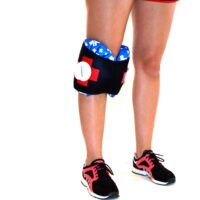
- Liniments & Gels, Massage Liniments, Pain Management
Fisiocrem
$16.95 – $39.95Select optionsQuick View - EMS Machines, Pain Management, TENS Machine, TENS Machine & EMS
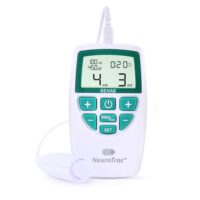
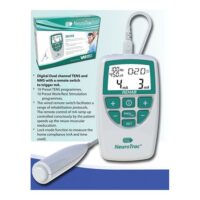
NeuroTrac Rehab (TENS Machine + EMS)
$285.00Add to cartQuick View -


-
-
-
-

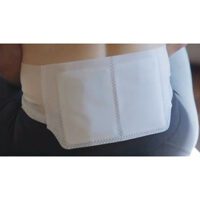
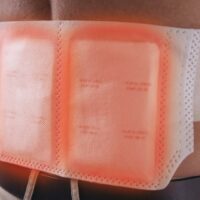
 Back, Exercise Equipment, Neck, Resistance Band
66Fit Over Door Neck Traction Unit
$63.00Add to cartQuick View -


-
-

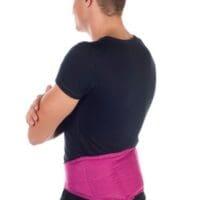 Ice & Heat, Pain Management, Uncategorized
PhysiPak Universal Heat pack
$79.00Select optionsQuick View - Christmas Gift Ideas, Neck, Pillows/Cushions
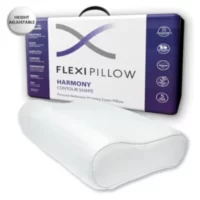
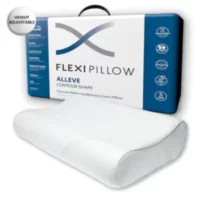
FlexiPillow Alleve Pillow
$109.95Add to cartQuick View









References
- Malfliet A, Lenoir D, Murillo C, et al. Pain Science Education, Stress Management, and Cognition-Targeted Exercise Therapy in Chronic Whiplash Disorders: A Randomized Clinical Trial. JAMA Netw Open. 2025;8(8):e2526674. doi:10.1001/jamanetworkopen.2025.26674. https://jamanetwork.com/journals/jamanetworkopen/fullarticle/2837444.
- Muñoz Lazcano P, Rojano Ortega D, Fernández López I. Effects of a Guided Neck-Specific Exercise Therapy on Recovery After a Whiplash: A Systematic Review and Meta-analysis. Am J Phys Med Rehabil. 2024 Nov 1;103(11):971-978. doi:10.1097/PHM.0000000000002460. https://pubmed.ncbi.nlm.nih.gov/38466196/.
- Muñoz-Bustos M, Soto-Martínez A, Carrasco-Uribarren A, Ceballos-Laita L. Is the integration of education with exercise beneficial for whiplash-associated disorders? A systematic review and meta-analysis. J Man Manip Ther. 2025 Oct;33(5):378-391. doi:10.1080/10669817.2025.2475453. https://pubmed.ncbi.nlm.nih.gov/40134097/.
