
Upper neck assessment for neck headache.
How Do You Get Rid Of A Neck Headache?


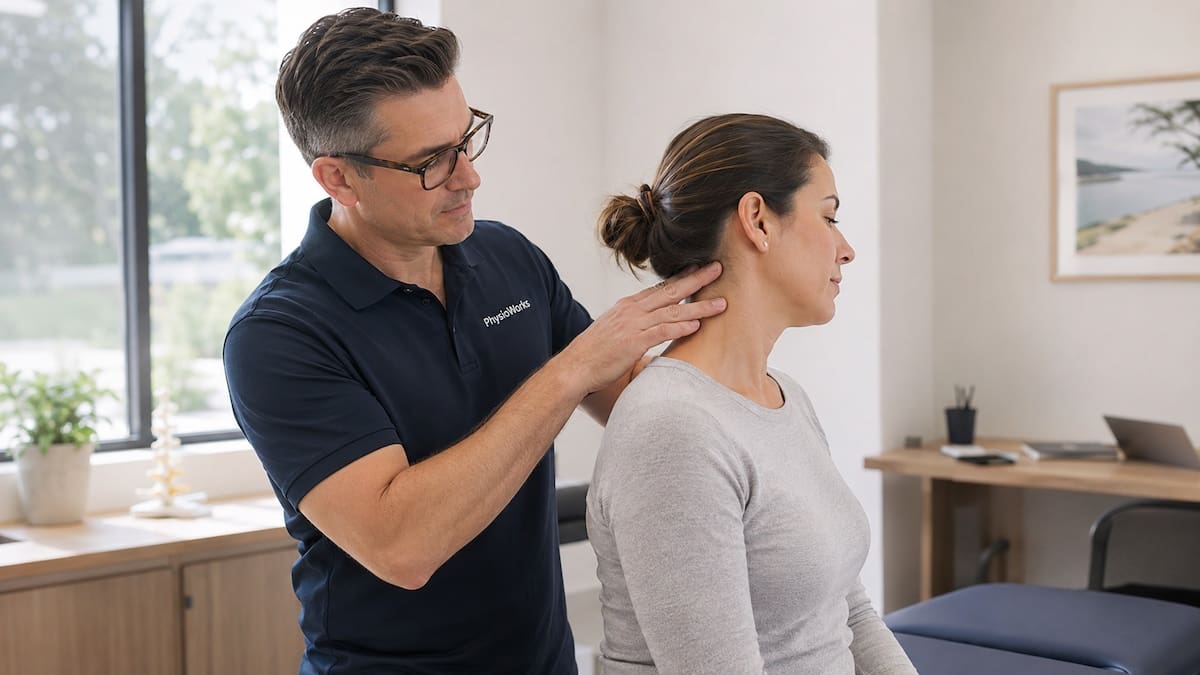
If your headache starts at the base of your skull, spreads into your head, and worsens with neck movement, desk work, poor posture, or sleeping awkwardly, it may be a neck headache. This type of headache often improves when treatment targets the upper neck joints, muscles, posture, and movement control.
Many people with a cervicogenic neck headache respond well to a combination of physiotherapy, targeted exercise, and practical daily habit changes. If your symptoms also relate to neck pain, stiffness, work posture, or repeated head positions, a physiotherapist can assess the likely cause and guide the most suitable treatment plan.
Quick Summary: How to Get Rid of a Neck Headache
- Confirm that the headache is likely coming from your neck.
- Improve upper neck joint movement and reduce muscle tension.
- Build neck and shoulder blade strength with targeted exercises.
- Improve posture, desk setup, and daily movement habits.
- Address recurring triggers early before they become persistent.
How Do You Get Rid of a Neck Headache?
The best way to get rid of a neck headache is to identify why the upper neck is referring pain into your head, then treat that driver. For some people, the main issue is stiff upper cervical joints. For others, it is muscle tension, poor movement control, sustained posture, weak neck muscles, or a mix of several factors.
Common Treatment Options for a Neck Headache
- Upper neck joint treatment when stiffness or irritation contributes to symptoms.
- Neck strengthening and deep neck control exercises when support and endurance are reduced.
- Muscle treatment such as stretching, soft tissue therapy, neck massage, or dry needling where appropriate.
- Posture correction and movement retraining for work, driving, study, or phone use.
- Workstation and ergonomic advice if symptoms flare during desk tasks.
- Practical self-management strategies to reduce future flare-ups.
What Causes a Neck Headache?
A neck headache usually starts when the upper neck joints, muscles, or nearby pain-sensitive tissues refer pain into the head. Symptoms often worsen with neck movement, sustained sitting, driving, screen use, or poor tolerance to repeated postures.
This pattern is commonly described as a cervicogenic headache. It is classed as a secondary headache because the pain source sits in the neck rather than the head itself. The International Classification of Headache Disorders describes cervicogenic headache as headache attributed to a disorder of the neck.
In some people, the problem relates more to stiff upper neck joints. In others, it involves tight muscles, reduced neck strength, poor movement control, or a combination of these factors. Problems such as neck pain, posture strain, and upper cervical irritation often overlap.
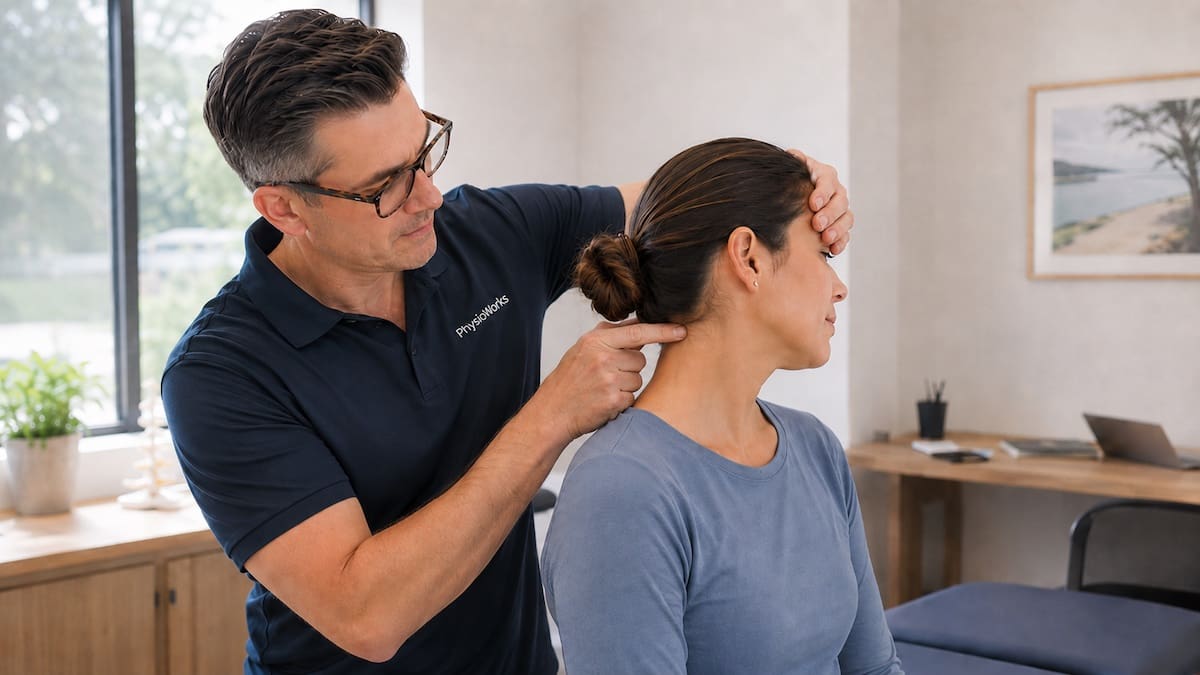
Upper neck movement can trigger referred headache.
How Can Physiotherapy Help a Neck Headache?
Physiotherapy may help a neck headache by identifying whether the main driver is joint stiffness, muscle overload, nerve sensitivity, posture strain, or weak neck control. Treatment then targets the likely problem instead of only masking symptoms.
Your physiotherapist may use a mix of joint treatment, mobility work, neck strengthening, postural retraining, and home exercises. Where appropriate, treatment may also include dry needling, soft tissue techniques, or referral for further review if your presentation does not fit a straightforward neck headache pattern.
What Treatment May Be Used for a Neck Headache?
Treatment depends on what your assessment shows. A good plan usually combines symptom relief with a longer-term strategy to reduce recurrence.
- Stiff neck joints: may respond to joint mobilisation or manual joint treatment to improve movement and reduce local irritation.
- Weak or poorly controlled neck muscles: may improve with deep neck control and strengthening exercises.
- Tight or overactive muscles: may settle with stretching, soft tissue release, neck massage, or selected needling techniques.
- Posture-related strain: may improve with posture correction, better sitting posture, and improved desk setup.
- Workstation aggravation: may need an ergonomic workstation assessment and regular movement breaks.
- Recurring flare-ups: often need a prevention plan, not just short-term pain relief.
Can Massage or Dry Needling Help a Neck Headache?
Massage or dry needling may help a neck headache when muscle tension, trigger points, or guarding contribute to symptoms. They are usually most helpful as part of a broader plan that also improves strength, movement, and posture tolerance.
If you have significant muscle tightness, options such as neck massage or dry needling may reduce symptoms in the short term. However, they usually work better when combined with assessment and exercise-based rehabilitation.
When Should You Worry About a Neck Headache?
A neck headache needs more urgent medical review if it is new, severe, rapidly worsening, follows trauma, or occurs with dizziness, fainting, vision change, fever, speech changes, numbness, or progressive weakness.
If your headache does not behave like your usual pattern, or if it is not clearly linked to neck movement or posture, seek prompt medical advice. For broader guidance, read severe headache symptoms and the difference between primary and secondary headaches.
Who Treats Cervicogenic Neck Headache?
Physiotherapists commonly assess and treat cervicogenic neck headache, especially when the headache links with neck movement, stiffness, posture, or upper cervical muscle overload. Treatment aims to reduce symptoms and address why the headache keeps returning.
Many people notice meaningful improvement within days or weeks, although this depends on how long the problem has been present, how irritable it is, and what is driving it. Some people feel relief quickly after treatment. Others need a short rehabilitation plan to improve movement, strength, and tolerance to daily tasks.
Helpful Supports for Some People
Some people with posture-related neck strain or sleep-related irritation also benefit from selected support products, such as posture aids or neck support pillows. These are not a replacement for treatment, but they can support recovery when matched to the right problem.
Neck Headache FAQs
How do I know if my headache is coming from my neck?
A headache is more likely to be coming from your neck if it worsens with neck movement, long sitting, driving, screen use, or sustained posture. Many people also notice neck stiffness, tenderness near the base of the skull, or one-sided pain that starts in the upper neck and spreads forward.
Will a neck headache go away on its own?
Some mild neck headaches do settle with rest, movement changes, and better posture. However, recurring or persistent symptoms often return if the real driver is not addressed. If your headaches keep coming back, an assessment can help identify whether joints, muscles, posture, or load tolerance are contributing.
What exercises help a neck headache?
The right exercises depend on the reason for your neck headache. Common starting points include gentle neck mobility work, chin nod control exercises, shoulder blade strength, and posture drills. A physiotherapist can choose the right dosage and avoid exercises that flare your symptoms.
Is it okay to massage a neck headache?
Gentle massage may help when muscle tightness is part of the problem. It can reduce short-term tension and improve comfort. Even so, massage is not always enough on its own. If the headache is driven by joint stiffness, poor control, or repeated posture strain, broader treatment usually works better.
Can poor posture cause a neck headache?
Poor posture by itself is rarely the whole story, but long periods in one position can overload the upper neck and surrounding muscles. Desk work, phone use, driving, and poor workstation setup can all contribute. A better setup plus movement breaks and exercise often helps more than chasing a perfect posture.
Should I see a physiotherapist for a neck headache?
Yes, especially if your headaches are recurring, linked to neck pain, or triggered by posture and movement. A physiotherapist can assess whether the headache is likely to be cervicogenic and guide treatment that fits your symptoms, activity levels, and daily demands.
More Information
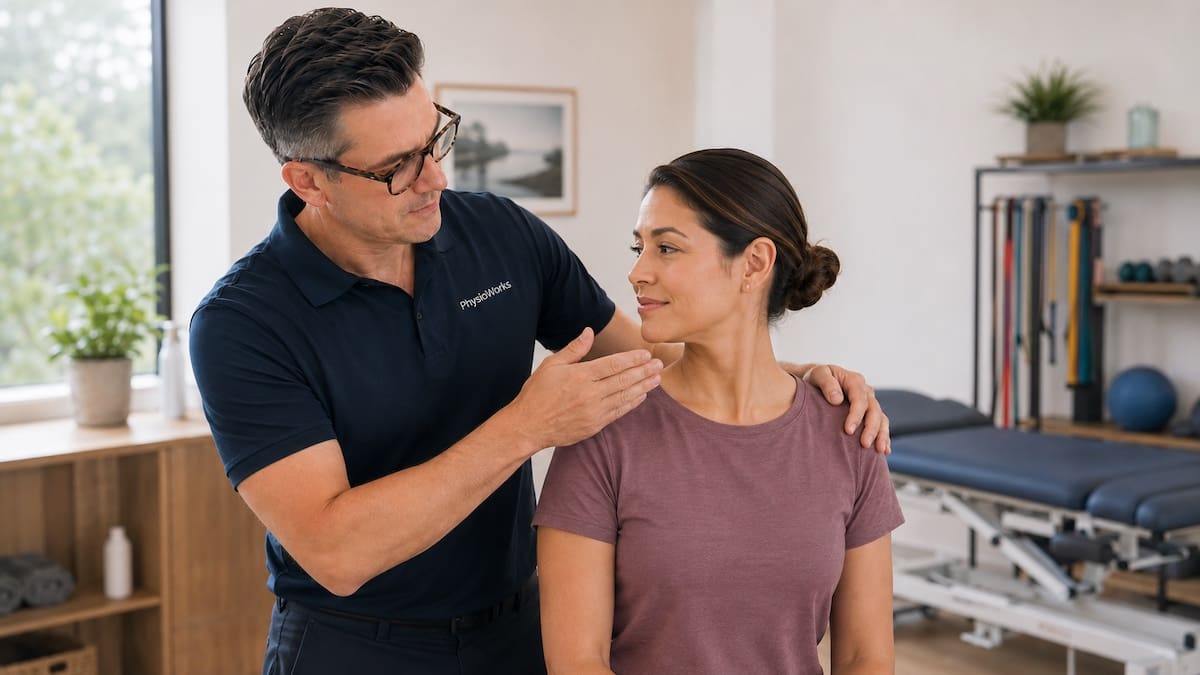
Guided movement can support neck headache recovery.
What to Do Next
If your neck headache keeps returning, interrupts work or sleep, or links with neck movement, book an assessment so the likely driver can be identified early. The right plan may include hands-on care, exercise, posture advice, or workstation changes depending on your presentation.
If you also have severe headache symptoms, recent trauma, new neurological symptoms, or a headache pattern that feels unusual for you, seek urgent medical advice first.
Choose your clinic and appointment pathway
Select a PhysioWorks clinic to continue to live booking, an appointment request or reception assistance.
Neck Products
These neck products are commonly used by our physiotherapists to improve strength, posture, movement, plus assist home exercise programs.
-


-
-
 Ice & Heat, Pain Management, Uncategorized
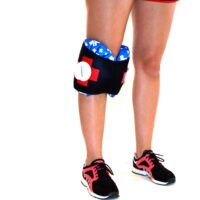
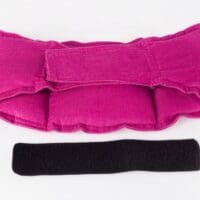
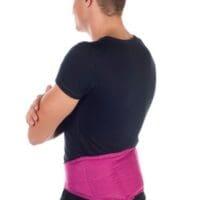
PhysiPak Universal Heat pack
$79.00Select optionsQuick View -

 Back, Exercise Equipment, Neck, Resistance Band
66Fit Over Door Neck Traction Unit
$63.00Add to cartQuick View -
-
- Liniments & Gels, Massage Liniments, Pain Management
Fisiocrem
$16.95 – $39.95Select optionsQuick View -
-


- Christmas Gift Ideas, Neck, Pillows/Cushions
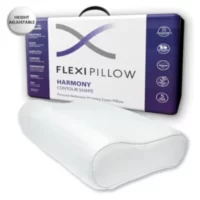
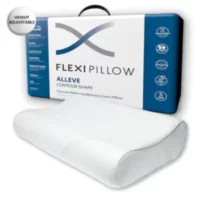
FlexiPillow Alleve Pillow
$109.95Add to cartQuick View -
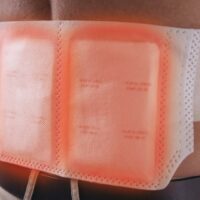
- EMS Machines, Pain Management, TENS Machine, TENS Machine & EMS
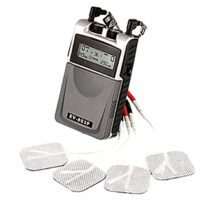
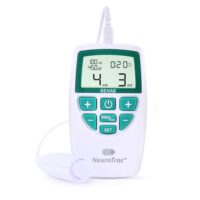
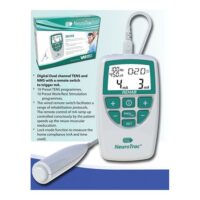
NeuroTrac Rehab (TENS Machine + EMS)
$285.00Add to cartQuick View -







References
- Jull G. Cervicogenic headache. Musculoskelet Sci Pract. 2023;66:102787. doi:10.1016/j.msksp.2023.102787
- Jung A, Carvalho GF, Correa LA, et al. Physical therapist interventions to reduce headache intensity, frequency, and duration in patients with cervicogenic headache: A systematic review and network meta-analysis. Phys Ther. 2024;104(1):pzad154. doi:10.1093/ptj/pzad154
- Martins L, et al. Efficacy of nonsurgical interventions for the management of adults with cervicogenic headache: A systematic review and meta-analyses. Musculoskelet Sci Pract. 2025.
- Onan D, et al. The efficacy of physical therapy and rehabilitation approaches in cervicogenic headache: A systematic review and meta-analysis. J Man Manip Ther. 2023.
- International Headache Society. 11.2.1 Cervicogenic headache. The International Classification of Headache Disorders, 3rd edition.
