Sever’s Disease (Calcaneal Apophysitis)
Sever’s Disease (Calcaneal Apophysitis)
A parent’s guide to growth-related heel pain, treatment and returning to sport.


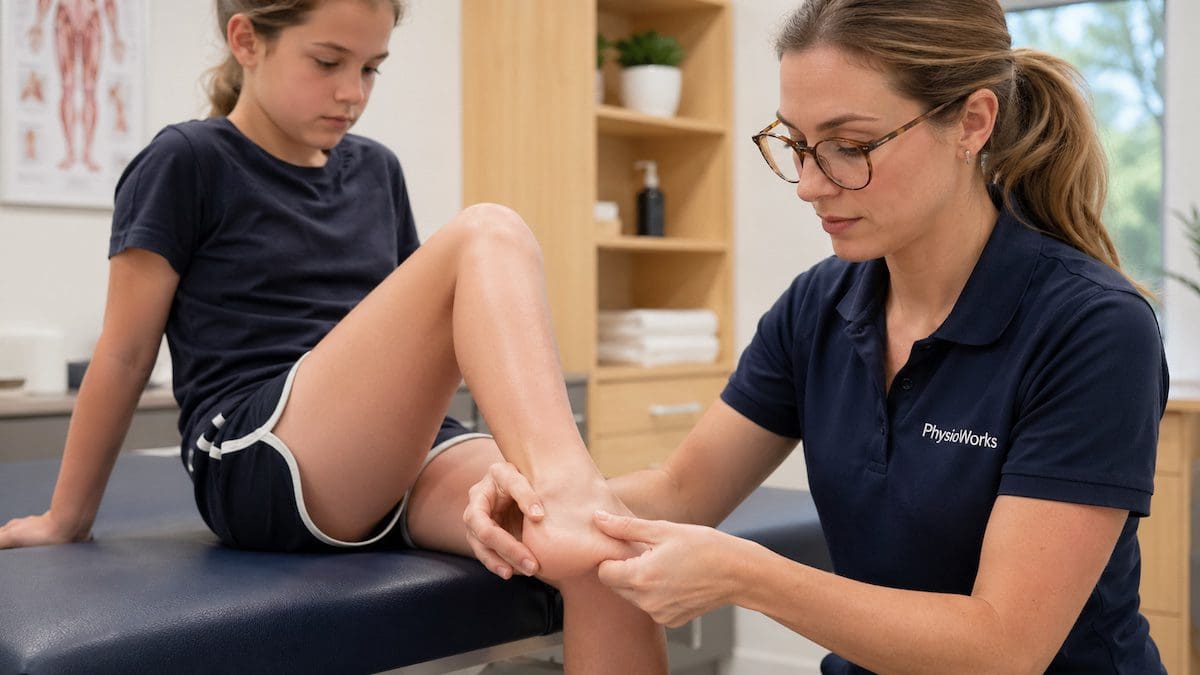
A heel squeeze test may help assess growth-related heel pain in active children.
Sever’s disease, also called calcaneal apophysitis, is a common cause of heel pain in active children and adolescents. It develops when repeated loading irritates the growth plate at the back of the heel bone.
Children often notice pain during or after running, jumping, sport or physical education. Symptoms usually improve with reduced activity, although they may return when training loads increase.
Sever’s disease is particularly common during periods of rapid growth, often affecting children aged approximately 8 to 15 years. It is one of several sports injuries affecting growing children.
Common age
Approximately 8–15 years, particularly during growth spurts.
Typical symptoms
Heel pain during or after sport, running and jumping.
Usual management
Adjust activity, manage symptoms and gradually rebuild loading tolerance.
What Is Sever’s Disease?
Sever’s disease affects the developing growth plate, or apophysis, at the back of the heel bone (calcaneus). This growth area is more sensitive to repeated loading while a child is growing.
The calf muscles connect to the heel through the Achilles tendon. During growth spurts, changes in bone length, muscle flexibility and sporting demands may increase stress around the heel.
Despite its name, Sever’s disease is not an infection or a progressive disease. It is a growth-related overuse condition that usually resolves as the heel growth plate matures.
Although the condition is generally temporary, symptoms can interfere with school sport, training and everyday activity. Repeated flare-ups may occur while the growth plate remains open.
What Are the Symptoms of Sever’s Disease?
The main symptom is pain around the back or underside of one or both heels. Pain often develops gradually rather than following one specific injury.
- Heel pain during or after running, jumping or sport
- Tenderness around the back or sides of the heel
- Limping, especially after training or games
- Discomfort when rising onto tiptoes
- Pain when walking barefoot or on hard surfaces
- Symptoms that improve with rest but return during activity
Some children develop pain in both heels. Others experience symptoms on one side only.
Persistent or unusual heel pain should be assessed rather than automatically attributed to growing pains or Sever’s disease.
What Should Parents Do First?
Parents can often make useful changes before heel pain becomes severe. The aim is to reduce aggravating activities while helping the child remain comfortably active.
Mild discomfort
If discomfort stays mild, does not cause limping and settles promptly, modified activity may be appropriate.
Increasing pain
If pain builds during sport or remains worse afterwards, reduce running, jumping and repeated impact.
Painful walking
If your child limps or finds everyday walking painful, stop aggravating sport and arrange an assessment.
Do not encourage children to push through worsening heel pain simply to complete a training session or game. Pain and function provide useful feedback about current loading tolerance.
What Causes Sever’s Disease?
Sever’s disease develops when repeated loading exceeds the temporary tolerance of the developing heel growth plate.
Running and jumping generate repeated forces through the heel. During periods of rapid growth, the developing bone and surrounding muscles may adapt to these demands at different rates.
Several factors may contribute to symptoms:
- Rapid growth: changes in bone length and muscle flexibility during childhood and adolescence.
- Repeated impact: frequent running, sprinting, jumping and landing.
- Training increases: sudden changes in frequency, intensity or duration.
- Reduced ankle mobility: limited ankle dorsiflexion may influence loading around the heel.
- Footwear: poorly fitting or insufficiently cushioned shoes may aggravate symptoms in some children.
- Recovery: limited time between demanding sporting sessions may contribute to symptom flare-ups.
Foot posture, body mass and individual movement patterns may also influence heel loading. However, research has not consistently established these factors as direct causes of Sever’s disease.
Children who participate in running and jumping sports may be exposed to frequent repetitive heel loading.
How Is Sever’s Disease Diagnosed?
Sever’s disease is usually diagnosed through a clinical assessment. A physiotherapist considers your child’s symptoms, growth stage, activity history and examination findings.
The assessment may include:
- The location and behaviour of heel pain
- Recent changes in sport and training volume
- Walking, running and other functional movements
- Tenderness around the heel growth plate
- Ankle mobility and calf flexibility
- Footwear, strength and lower-limb loading tolerance
The Heel Squeeze Test
The heel squeeze test involves gently compressing the sides of the heel near the growth plate. Reproduction of familiar pain may support the clinical assessment.
However, the heel squeeze test does not confirm Sever’s disease on its own. A clinician must consider the complete presentation and possible alternative causes of heel pain.
Does My Child Need an X-ray?
Routine X-rays are not usually necessary when the history and examination are typical of Sever’s disease.
Imaging or medical review may be appropriate when symptoms are unusual, severe, persistent or follow a significant injury. X-ray changes around the heel growth plate can also occur in children without symptoms, so imaging must be interpreted alongside the clinical findings.
What Else Can Cause Heel Pain in Children?
Not all heel pain in growing children is Sever’s disease. Depending on the location, onset and severity of symptoms, clinicians may consider other conditions.
- Heel bone stress injury or fracture
- Achilles tendon-related pain
- Retrocalcaneal bursitis
- Plantar fascia-related heel pain
- Heel pad irritation or bruising
- Less common inflammatory or infectious conditions
The pattern of symptoms helps distinguish these conditions. For example, sudden pain following an injury, significant swelling, fever or persistent pain at rest is not typical of uncomplicated Sever’s disease.
How Is Sever’s Disease Treated?
Most children improve with conservative management. Treatment aims to reduce painful loading, support comfortable movement and progressively restore participation in normal activities.
A physiotherapist may recommend a combination of the following strategies according to your child’s symptoms, examination and sporting demands.
1. Modify Painful Activities
Temporarily reduce activities that repeatedly aggravate the heel. These commonly include sprinting, jumping, repeated landings and longer running sessions.
Complete rest from all exercise is not always required. Activities such as cycling, swimming or other comfortable exercise may help children remain active while symptoms settle.
The appropriate reduction depends on pain severity, walking comfort, sporting demands and recovery between sessions.
2. Review Footwear and Heel Support
Comfortable, well-fitting shoes with appropriate cushioning may reduce heel discomfort during everyday activity.
Heel cups or heel lifts may provide short-term symptom relief for some children. Their effect varies, and they should be selected according to comfort and individual needs.
Some children may benefit from foot orthoses, particularly where a clinician identifies a specific reason to use them. Custom orthotics are not automatically necessary for every child with Sever’s disease.
3. Improve Calf Flexibility and Ankle Mobility
Reduced calf flexibility or ankle mobility may contribute to discomfort in some children.
Gentle calf stretching and ankle mobility exercises may be appropriate when assessment identifies a restriction. Exercises should remain comfortable and should not force the painful heel into an aggravated position.
Stretching is not essential for every child. Your physiotherapist can determine whether it is likely to help.
4. Strengthen the Foot and Lower Leg
Age-appropriate strengthening may help children develop the capacity to tolerate walking, running and sporting demands.
A rehabilitation program may include calf strengthening, foot control, balance exercises and progressively more demanding functional activities.
Exercise selection and progression should reflect pain response, physical development and the child’s sport.
5. Review Movement and Sporting Load
A physiotherapist may assess how your child walks, runs, lands and performs sporting activities.
A targeted biomechanical assessment can help identify movement restrictions or loading patterns worth addressing. Not every difference in foot posture or running technique requires correction.
Where appropriate, treatment may include advice about training frequency, recovery days, playing surfaces and communication with coaches.
6. Consider Short-Term Symptom Relief
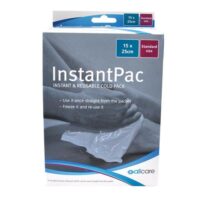
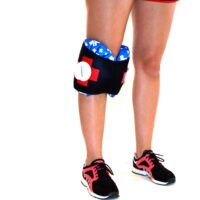
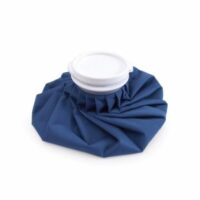
Cold packs after aggravating activity may help some children manage discomfort. Protect the skin with a towel and use cold therapy for a short period rather than applying ice directly.
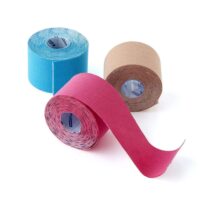
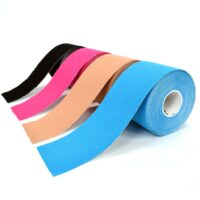
Sports taping or temporary heel cushioning may also help selected children. These approaches provide symptom support rather than a permanent correction to the growth plate.
Medication advice should come from your child’s GP or pharmacist, particularly when other health conditions or medications are involved.
Can Children Continue Sport with Sever’s Disease?
Many children can continue participating in modified sport while managing Sever’s disease. The key is choosing an activity level that does not cause progressively worsening symptoms or persistent limping.
Some children tolerate skills training, shorter sessions or lower-impact activities while temporarily reducing competitive running and jumping.
Others need a more substantial reduction in activity before gradually returning.
Continue modified activity
Discomfort remains mild, movement is normal and symptoms return to their usual level promptly.
Reduce sporting load
Pain increases with running or jumping, lasts afterwards or is worse the next day.
Stop aggravating sport
Limping, painful walking or significant symptoms develop. Arrange clinical assessment.
These are general activity guidelines rather than a validated pain-scoring system. A physiotherapist can help tailor the approach to your child’s symptoms and sport.
How Long Does Sever’s Disease Take to Heal?
Recovery varies between children. Symptoms may improve over several weeks, but some children experience intermittent heel pain for months, particularly during rapid growth or busy sporting periods.
Sever’s disease is generally self-limiting as the heel growth plate matures. However, this does not mean a child must wait until skeletal maturity before participating comfortably in sport.
Activity adjustment, supportive strategies and gradual loading often help children manage symptoms and return to their preferred activities earlier.
There is no single recovery timetable that applies to every child. Progress is better judged by walking comfort, pain response, strength and sporting tolerance than by elapsed time alone.
Returning to Sport After Sever’s Disease
Returning to sport should follow a gradual progression based on symptoms and function. A child who can walk comfortably may still need time to rebuild tolerance for repeated running, jumping and landing.
-
Comfortable everyday movement
Begin with normal walking, stairs and school activities without significant heel pain or limping.
-
Rebuild strength and basic loading
Progress suitable calf, foot and lower-limb exercises while monitoring heel symptoms.
-
Introduce running and jumping gradually
Start with manageable amounts of straight-line running and controlled impact activity before adding repeated sprinting and jumping.
-
Progress towards normal training
Increase training duration, speed and sport-specific drills as symptoms and recovery allow.
-
Return to full sport participation
Resume normal training and competition when your child can manage the required activity without significant pain, limping or a prolonged flare-up.
If symptoms increase after a progression, reduce the load and allow them to settle before trying again. Some children require a slower progression during growth spurts or periods of heavy training.
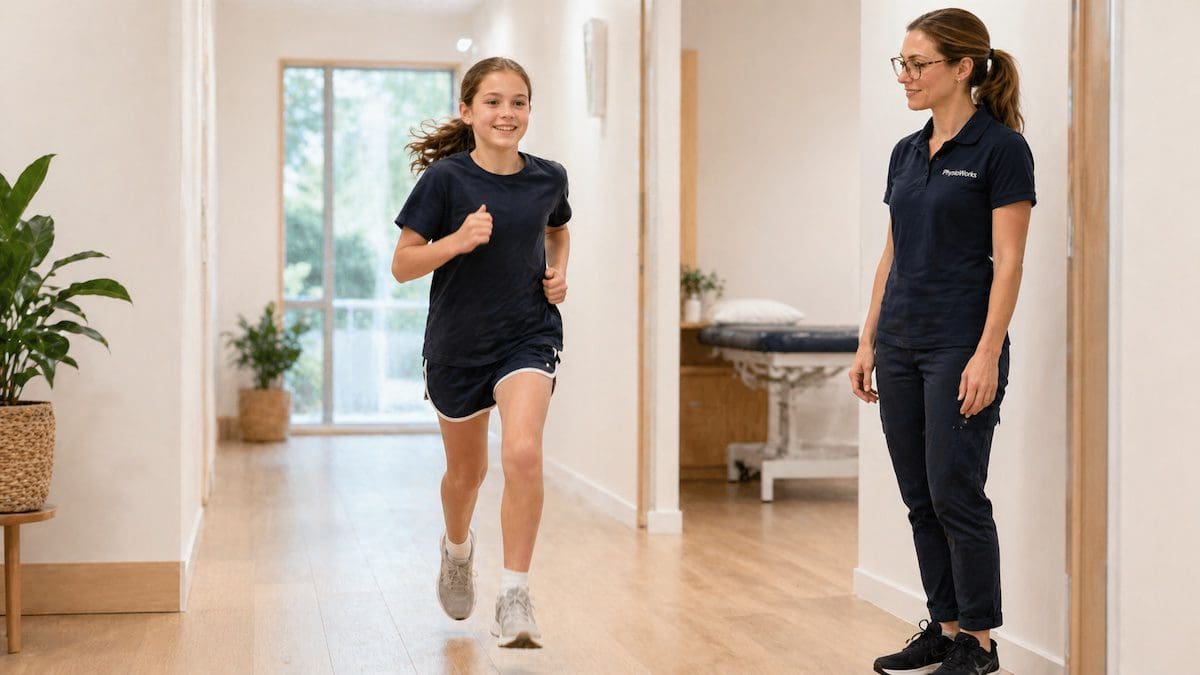
Running and sporting loads should increase gradually as heel comfort and function improve.
Can Sever’s Disease Be Prevented?
It is not possible to prevent normal growth-related changes. However, sensible training habits may help reduce repeated episodes of heel pain.
- Increase running and jumping loads gradually.
- Allow recovery between demanding sporting sessions.
- Use comfortable, properly fitting footwear.
- Maintain suitable strength and mobility for your child’s activities.
- Adjust training when heel discomfort begins to increase.
- Consider total weekly activity across school, clubs and representative teams.
No single exercise, shoe or stretching program guarantees prevention. A balanced approach to physical activity and recovery is more useful than attempting to eliminate every potential risk factor.
When Should Your Child See a Physiotherapist?
A physiotherapy assessment may be helpful when heel pain continues to interfere with sport, causes repeated flare-ups or changes the way your child walks.
An assessment can help establish whether symptoms are consistent with Sever’s disease, identify relevant loading factors and provide practical advice for your child, family and coaches.
Physiotherapy may be particularly useful when:
- Heel pain continues despite reducing activity.
- Symptoms keep returning during training or competition.
- Your child develops a limp or avoids normal movement.
- There is uncertainty about the cause of the heel pain.
- Your child needs a structured plan for returning to sport.
For further information about other possible causes, see our heel pain guide.
Frequently Asked Questions About Sever’s Disease
Is Sever’s disease serious?
Sever’s disease is usually a temporary, growth-related heel condition and does not normally cause permanent damage. However, persistent or unusual pain requires assessment to exclude other causes.
Can my child play sport with Sever’s disease?
Many children can continue modified sport if symptoms remain manageable, walking stays comfortable and pain does not worsen afterwards. Increasing pain or limping indicates that sporting loads should be reduced.
How long does Sever’s disease last?
Symptoms may improve over several weeks, although some children experience flare-ups for months during growth and heavy sporting periods. Recovery varies with symptoms, activity demands and individual development.
Does Sever’s disease need an X-ray?
An X-ray is not routinely required when the history and examination are typical of Sever’s disease. Imaging may be considered when pain follows an injury, is unusually severe or suggests another condition.
Do heel cups help Sever’s disease?
Heel cups or heel lifts may reduce discomfort in some children by cushioning the heel or changing local loading. They are optional symptom-management tools rather than a cure or a requirement for every child.
Will my child grow out of Sever’s disease?
Sever’s disease generally resolves as the heel growth plate matures. Children can often return to comfortable sport before that occurs by adjusting activity and gradually improving loading tolerance.
References
- Fares MY, Salhab HA, Khachfe HH, et al. Sever’s Disease of the Pediatric Population: Clinical, Pathologic, and Therapeutic Considerations. Cureus. 2021;13(8):e17319.
- Kothari EA, Padilla JA, McCulloch PC. A Review of Pediatric Heel Pain. Cureus. 2023;15(2):e35216.
- Hernandez-Lucas P, Leirós-Rodríguez R, García-Liñeira J, Diez-Buil H. Conservative Treatment of Sever’s Disease: A Systematic Review. J Clin Med. 2024;13(5):1391.
What to Do Next
If your child experiences recurring heel pain during sport, a physiotherapy assessment may help identify the likely cause and guide appropriate activity changes.
PhysioWorks physiotherapists can assess heel pain, discuss footwear and exercise options, and help develop an individual plan for returning to school sport, training and competition.
Book a physiotherapy assessment to discuss your child’s heel pain and return-to-sport goals.
Choose your clinic and appointment pathway
Select a PhysioWorks clinic to continue to live booking, an appointment request or reception assistance.
Achilles & Heel Products
These Achilles and heel products are commonly used by our physiotherapists to improve strength, comfort, movement, and home exercise programs.
-


-
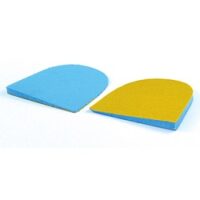 Braces & Supports, Foot, Heel
Formthotics Rearfoot Wedge (Valgus Varus)
$6.95Select optionsQuick View -
-
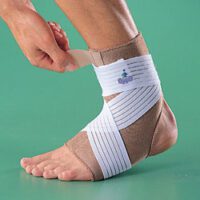 Ankle, Braces & Supports, Clearance Sale
Ankle Support with Strap – OPPO 1003
$42.00Select optionsQuick View -
-
-

-
-
 Ankle, Braces & Supports, Calf, Foot
Orthosleeve Compression Bracing Socks
$49.00Select optionsQuick View -
-
- Liniments & Gels, Massage Liniments, Pain Management
Fisiocrem
$16.95 – $39.95Select optionsQuick View -
-
-