
Ankle Fracture



Foot and ankle assessment after fracture.
Ankle fracture physiotherapy may help settle pain and swelling, restore ankle movement, and rebuild walking confidence. Many people also need help managing related ankle pain and reducing repeat injury risk once they return to activity.
An ankle fracture, or broken ankle, means a crack or break in one or more bones around the ankle joint. It may involve the tibia, fibula, or talus. Fractures range from small cracks to unstable breaks that affect ankle alignment and joint stability.
A broken ankle can also injure ligaments, cartilage, or the syndesmosis. Early assessment matters because your plan should match your fracture type, weight-bearing instructions, swelling, and goals.
Quick Guide: Broken Ankle Recovery
- First priority: confirm the fracture type and follow your boot, cast, or surgery instructions.
- Early rehab: reduce swelling, protect healing, and keep safe movement where allowed.
- Middle rehab: restore ankle movement, calf strength, balance, and walking pattern.
- Later rehab: rebuild stairs, work tasks, running, sport, or higher-level activity if relevant.
What Is an Ankle Fracture?
An ankle fracture is a break in one or more bones that form the ankle joint. The injury may involve the outside ankle bone, inside ankle bone, back of the tibia, or the talus below the ankle joint.
Some ankle fractures are stable. Others are unstable, displaced, or linked with ligament injury. A higher-energy injury may also involve a syndesmosis injury, which affects the strong joint system between the tibia and fibula.
Treating an Ankle Fracture
Treatment depends on fracture stability, bone position, swelling, skin condition, and whether the ankle joint stays aligned. Imaging, usually X-ray, confirms the diagnosis. In some cases, CT helps clarify joint involvement.
Early care usually focuses on simple priorities: protect the ankle, settle swelling, and keep the rest of the leg active where safe. For practical aftercare tips, see this MedlinePlus guide: ankle fracture aftercare.
Non-Surgical Management
Stable fractures may heal with immobilisation, such as a cast or a moon boot. Your team will usually set weight-bearing limits based on fracture pattern and healing stage. These may include non-weight-bearing, partial weight-bearing, or full weight-bearing.
Regular review helps confirm that the fracture stays well-aligned. Your physiotherapist can help maintain safe movement, strength, and mobility while you follow your medical plan.
Surgery for Unstable Fractures
Unstable or displaced fractures often need surgery, commonly open reduction and internal fixation, or ORIF. Surgeons use plates and screws to restore alignment and stabilise the ankle.
After surgery, rehab protects the repair while you gradually restore motion, strength, walking capacity, and confidence. Weight-bearing timing must follow your surgeon’s instructions.
Seek urgent medical advice if symptoms worsen suddenly.
Get reviewed if pain rapidly increases, swelling becomes severe, the foot changes colour, numbness develops, the cast or boot feels too tight, or you cannot safely follow your weight-bearing instructions.
Physiotherapy After a Broken Ankle
Physiotherapy after a broken ankle supports recovery in phases. First, you protect healing tissue and reduce swelling. Next, you restore ankle mobility and rebuild calf and foot strength. Finally, you retrain balance, walking, stairs, work tasks, and higher-level activity.
Ankle Fracture Rehab Timeline
Your rehab timeline depends on fracture type, surgery, swelling, X-ray review, weight-bearing instructions, and goals. Use this as a guide only. Your surgeon, GP, or physiotherapist may adjust each stage.
| Stage | Main Goal | Common Focus | Progress Sign |
|---|---|---|---|
| Early phase | Protect healing | Swelling control, safe movement, hip and knee strength | Pain and swelling are settling |
| Middle phase | Restore movement and strength | Ankle mobility, calf strength, walking pattern | Walking improves without a strong limp |
| Later phase | Rebuild control and confidence | Balance, stairs, calf endurance, single-leg control | You trust the ankle during daily activity |
| Return phase | Return to work, sport, or running | Load testing, hopping, graded running, or work-specific drills | The ankle tolerates load without a next-day flare |
Early Phase: Swelling, Pain, and Safe Movement
Early rehab often includes gentle ankle and toe movement within your medical limits, swelling management, and strength work above and below the injury. Your physiotherapist may also work on knee and hip strength so your movement stays steady while the ankle heals.
Middle Phase: Restore Range and Strength
Once your fracture shows healing and your team clears you to progress, rehab usually targets:
- ankle dorsiflexion and calf flexibility
- calf strength and endurance
- foot and ankle control, especially single-leg stability
- walking pattern retraining
- confidence with stairs, slopes, and uneven ground
Later Phase: Balance and Proprioception
Balance retraining helps you trust the ankle again. Time in a boot can reduce joint position sense and reaction speed. Many rehab plans include progressive balance drills and stepping tasks to rebuild control and reduce re-injury risk.
Helpful next reads include balance and proprioception exercises and balance training.
How Long Does a Broken Ankle Take to Heal?
Bone healing often takes around six weeks, but full recovery usually takes longer. Your timeline depends on fracture type, surgery if required, time in a boot, swelling, and how quickly you rebuild calf strength and walking tolerance.
Many people take 10 to 12 weeks or longer to feel more normal with day-to-day walking. Running, field sport, heavy work, and uneven-ground activity often take longer again.

Controlled step-up during ankle fracture rehab.
Return to Work, Sport, and Running
A safe return depends on your strength, swelling, mobility, balance, work demands, and confidence. Your physiotherapist may use practical milestones rather than time alone.
- walking without a limp for a set distance
- good ankle mobility for stairs and squatting
- single-leg balance control
- quality single-leg calf raises with improving endurance
- low swelling response after activity
- safe hopping, landing, or change-of-direction control if sport requires it
If running is one of your goals, a graded return program can reduce flare-ups and rebuild capacity. Read: running injuries and return-to-run planning.
Should You Push Through Ankle Pain After a Fracture?
Pushing hard through pain, swelling, or limping is rarely helpful after an ankle fracture. A better guide is your 24-hour response.
- Progress gently if soreness settles quickly and swelling stays controlled.
- Hold steady if walking quality worsens or swelling increases that night.
- Seek review if pain escalates, weight-bearing becomes harder, or symptoms feel unusual.
Related PhysioWorks Links
- Ankle pain
- Sprained ankle
- High ankle sprain
- Syndesmosis injury
- Chronic ankle instability
- When to worry about foot or ankle pain
- Post-fracture physiotherapy
What to Do Next
If you think you have an ankle fracture, get assessed promptly. Once your fracture plan is clear, focus on steady progress rather than rushing the next stage.
- Follow your weight-bearing and boot or cast instructions.
- Keep swelling down with elevation and gentle movement, as allowed.
- Start rehab early, then progress strength and balance when cleared.
- Ask about return-to-work and return-to-sport milestones before increasing load.
If your ankle still feels stiff, weak, swollen, or unreliable after the early healing stage, physiotherapy may help you rebuild movement, strength, balance, and confidence.
Choose your clinic and appointment pathway
Select a PhysioWorks clinic to continue to live booking, an appointment request or reception assistance.
Ankle Products
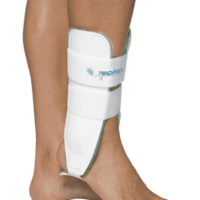
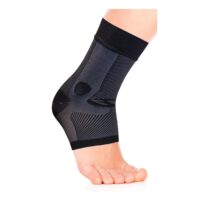
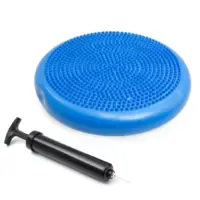
These ankle products are commonly used by our physiotherapists to improve ankle pain, strength, balance, proprioception, endurance and flexibility, plus assist home exercise programs.
-
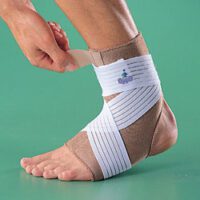 Ankle, Braces & Supports, Clearance Sale
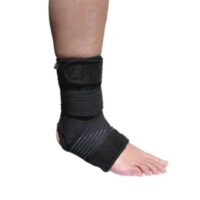
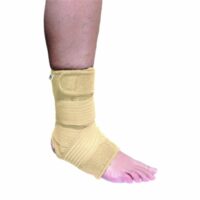
Ankle Support with Strap – OPPO 1003
$42.00Select optionsQuick View -
-

-
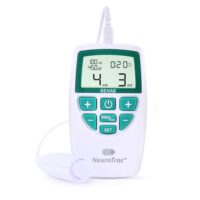
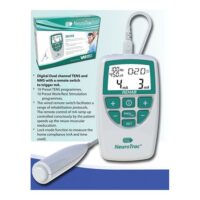
- EMS Machines, Pain Management, TENS Machine, TENS Machine & EMS
NeuroTrac Rehab (TENS Machine + EMS)
$285.00Add to cartQuick View -
- Liniments & Gels, Massage Liniments, Pain Management
Fisiocrem
$16.95 – $39.95Select optionsQuick View -
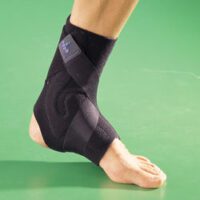 Ankle, Braces & Supports, Foot
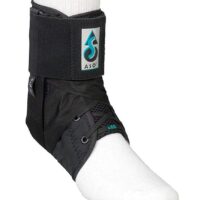
Ankle Support with Plastic Stay – OPPO 1109
$52.00Select optionsQuick View -
-

-
-
-
-
-

 Ankle, Braces & Supports, Foot, Walking
Victor Moonboot 1.0 Air or No Air
$77.00 – $79.00Select optionsQuick View -







Ankle Fracture FAQs
Do I need surgery for an ankle fracture?
Not always. Stable fractures may heal well in a cast or moon boot. Displaced or unstable fractures often need surgery to restore alignment and ankle stability. A doctor or surgeon decides this based on X-ray findings and joint stability.
How long does an ankle fracture take to heal?
Bone healing often takes around six weeks, but full recovery usually takes longer. Many people take 10 to 12 weeks or more to regain comfortable walking, and longer again for running or sport, depending on fracture severity and rehab progress.
When can I start weight bearing after a broken ankle?
Weight-bearing timing depends on fracture type and whether you had surgery. Some people progress earlier, while others need longer protection. Follow your surgeon or doctor’s instructions, then progress under physiotherapy guidance.
What does physiotherapy do after an ankle fracture?
Physiotherapy may help reduce swelling and stiffness, restore ankle mobility, rebuild calf and foot strength, and retrain balance and walking. Later stages may include return-to-work and return-to-sport drills based on your goals.
Can a broken ankle cause long-term stiffness or arthritis?
It can. Joint injuries and long periods of immobilisation may increase stiffness and, in some cases, post-traumatic arthritis. A staged rehab plan that rebuilds movement, strength, and balance may reduce long-term issues.
References
- Altuwairqi A. Comparative analysis of rehabilitation strategies following ankle fracture surgery: a systematic review. Cureus. 2024;16(7):e64315. doi:10.7759/cureus.64315
- Wang C, Li C. Early weight-bearing after ankle fracture surgery: a systematic review and meta-analysis of functional outcomes and safety. J Orthop Surg Res. 2025;20:785. doi:10.1186/s13018-025-06216-x
- Lewis SR, Pritchard MW, Parker R, et al. Rehabilitation for ankle fractures in adults. Cochrane Database Syst Rev. 2024;(9):CD005595. doi:10.1002/14651858.CD005595.pub4
