When Should You Worry about Foot and Ankle Pain?

When Should You Worry About Foot and Ankle Pain?

Person holding their foot and ankle gently to provide support and comfort.

Foot and ankle pain can come from a simple overload, a sprained ankle, a tendon problem, arthritis, or a more serious injury such as a fracture. If you also have trouble walking, marked swelling, deformity, or pain that keeps worsening, you should get it assessed sooner rather than later. For broader background, start with our guides to foot pain and ankle pain.

You should worry about foot and ankle pain when symptoms are severe, came on after a clear injury, stop you loading the leg properly, or fail to improve with sensible early care. Pain that is hot, red, feverish, repeatedly unstable, or suspicious for a bone stress injury also deserves prompt review.

Quick Signs You Should Get Checked

  • You cannot walk properly for four steps.
  • Your foot or ankle looks deformed or badly swollen.
  • You have sharp bony tenderness after a twist, fall, or landing injury.
  • The joint feels hot, red, or you have a fever.
  • Pain keeps returning, worsens at night, or flares with impact loading.

What does foot and ankle pain usually mean?

Foot and ankle pain usually means one or more tissues are irritated, overloaded, injured, or inflamed. Common examples include ligament sprains, tendon overload, joint irritation, plantar fascia pain, arthritis, or a foot stress fracture. The exact cause depends on where the pain sits, how it started, and what activities aggravate it.

In practical terms, pain at the side of the ankle after a roll often points towards a ligament injury. Heel pain with first steps may fit heel pain patterns such as plantar fascia irritation or Achilles-related problems. Pain across the midfoot after a twist or heavy landing may need a closer look for a more significant foot injury, including a Lisfranc injury.

Is This Foot or Ankle Pain Serious?

Usually monitor it at home if the pain is mild, you can still walk, there is only light swelling, and symptoms improve over a few days.

Book a physiotherapy assessment soon if pain affects walking, keeps returning, is linked to sport or training load, or is not improving as expected.

Seek urgent medical review if you cannot weight-bear, the area looks deformed, the joint is hot and red, or the pain followed a significant injury and feels severe.

When should you worry about foot and ankle pain?

You should worry about foot and ankle pain if it is severe, limits walking, follows a significant injury, or does not settle as expected. You should also act sooner if the area is hot, red, increasingly swollen, unstable, or painful over the bone rather than just the soft tissue.

Seek urgent medical review if you suspect a fracture, dislocation, infection, or Achilles rupture. Healthdirect advises urgent care for severe pain, suspected fracture or dislocation, or a hot, swollen, red, painful ankle with fever.

Foot and ankle pain severity guide

Mild

Pain is noticeable but manageable. You can still walk, swelling is minor, and symptoms settle with activity reduction, good footwear, and simple self-care.

Moderate

Pain affects walking, stairs, exercise, or work tasks. Swelling, stiffness, or weakness lasts more than a few days. This level usually deserves a physiotherapy review.

Severe

Pain is sharp, intense, or worsening. You cannot weight-bear properly, the area is badly swollen or deformed, or symptoms suggest fracture, rupture, or infection. This level needs urgent medical assessment.

Common causes of foot and ankle pain

Common causes of foot and ankle pain include ligament sprains, tendon injuries, joint irritation, overload from walking or sport, arthritis, plantar fascia pain, and bone stress injuries. A clear injury often points towards a sprain or fracture, while gradually worsening pain can fit tendon overload or stress fracture patterns.

Sprain vs Fracture vs Stress Fracture

Sprain: often follows a twist or roll, usually causes swelling and bruising around the joint, and tends to hurt most with movement and walking.

Fracture: is more likely after a stronger injury, with marked bony tenderness, heavier swelling, and difficulty weight-bearing.

Stress fracture: often builds gradually, feels localised over bone, and worsens with repeated loading such as running, jumping, or long walks.

Do you need an X-ray for foot or ankle pain?

You may need an X-ray when a fracture is reasonably suspected after an acute injury. The Ottawa Ankle Rules are widely used to guide whether imaging is appropriate after a recent ankle or midfoot injury, rather than ordering scans for every sprain.

For ankle injuries, an X-ray is usually considered when there is pain in the malleolar zone plus one of the following:

  • bone tenderness along the back edge or tip of the lateral malleolus
  • bone tenderness along the back edge or tip of the medial malleolus
  • inability to bear weight for four steps both immediately and at assessment

For foot injuries, an X-ray is usually considered when there is midfoot pain plus one of the following:

  • bone tenderness at the base of the fifth metatarsal
  • bone tenderness at the navicular
  • inability to bear weight for four steps both immediately and at assessment

An X-ray is less reliable for early stress fractures, so persistent bony pain may need further review even if an initial X-ray is clear. That is one reason why persistent load-related pain should not be ignored.

What are the red flags for foot and ankle pain?

Red flags include deformity, severe swelling, inability to walk, sudden calf or heel pain with a pop, a hot or feverish joint, or pain that is severe and worsening rather than gradually settling. These patterns can suggest fracture, dislocation, infection, Achilles rupture, or another more serious injury.

If you have swelling with redness and fever, or the ankle feels obviously unstable after trauma, arrange urgent medical assessment. If the pain developed gradually but is sharp, localised over bone, and worsens with impact, consider a bone stress injury rather than “just a strain”.

Should you keep walking on foot and ankle pain?

You should usually modify walking rather than simply push through foot and ankle pain. Relative rest, sensible load reduction, and staged reloading are often more helpful than either complete bed rest or ignoring symptoms and carrying on as normal.

Load management matters because irritated ligaments, tendons, joints, and bones all respond to the amount of stress you place through them. A physiotherapist may guide you on whether to keep moving, reduce impact, use support, or temporarily change work, walking, gym, or sport loads while the area settles.

How is foot and ankle pain treated?

Treatment depends on the cause, stage, and severity of the problem. Many people improve with a combination of load modification, manual therapy, exercise rehabilitation, taping or bracing, footwear advice, and a graded return to walking, work, or sport.

For example, ankle pain physiotherapy often includes mobility work, calf and lower-leg strengthening, balance training, and confidence rebuilding. Broader physiotherapy treatment may also include hands-on care, diagnosis clarification, and a structured plan for recovery.

Who should you see for foot or ankle pain?

A physiotherapist is a sensible first step for most foot and ankle pain presentations, especially if you are unsure whether the problem is a sprain, tendon issue, overload injury, or something more significant. A physiotherapist can assess the pattern, guide early management, and tell you when medical imaging or specialist referral may be needed.

In some cases, you may also need a GP, sports doctor, podiatrist, or orthopaedic opinion. That is more likely when the pain is severe, the diagnosis is unclear, symptoms keep recurring, or a fracture, infection, or surgical problem is suspected.

Top 6 FAQs About Foot and Ankle Pain

Is foot and ankle pain always a sprain?

No. A sprain is common, especially after a twist, but foot and ankle pain can also come from tendon overload, joint irritation, arthritis, plantar fascia pain, nerve irritation, or a fracture. The history, pain location, swelling pattern, and ability to load the leg help narrow it down.

How do you know if foot and ankle pain could be a fracture?

A fracture becomes more likely if you have bony tenderness, marked swelling, a clear traumatic mechanism, difficulty weight-bearing, or pain that feels deeper and sharper than a typical soft-tissue sprain. The Ottawa Ankle Rules help guide when imaging is worth considering after an acute injury.

Can physiotherapy help foot and ankle pain?

Yes, physiotherapy may help many causes of foot and ankle pain by clarifying the diagnosis, reducing irritation, improving movement, rebuilding strength, and progressing you back to walking or sport. It is especially helpful when symptoms linger, keep returning, or are linked to weakness, stiffness, balance, or overload.

When should you stop sport or exercise?

You should reduce or stop impact loading if pain alters your walking, worsens during the session, spikes afterwards, or leaves you limping the next day. That does not always mean complete rest. It usually means changing the type, amount, or intensity of loading until the area calms down.

Is swelling always a sign of serious injury?

No. Swelling is common after ankle sprains and other soft-tissue injuries. However, heavy swelling with deformity, inability to walk, intense pain, or a hot red joint is more concerning and should be assessed sooner. The context matters more than the swelling alone.

Should you get an MRI for foot and ankle pain?

Not always. MRI is usually reserved for cases where the diagnosis remains unclear, symptoms do not follow the expected recovery path, or a stress fracture, tendon tear, cartilage injury, or more complex foot problem is suspected. Many common sprains and overload issues can be assessed well without early MRI.

What to do next

If your foot and ankle pain is severe, keeps returning, or is not improving, book an assessment rather than guessing. Early review can help rule out more serious injury, explain what is driving your pain, and give you a plan that matches your work, walking, exercise, and sport goals.

If you are not sure where to start, see our symptoms search, foot pain, ankle pain, or how do you know if your ankle is sprained? guides for the next best step.

Book your appointment - 24/7

Select your preferred PhysioWorks clinic.

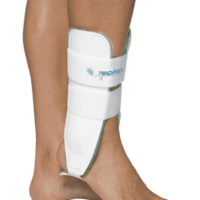
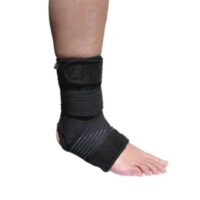
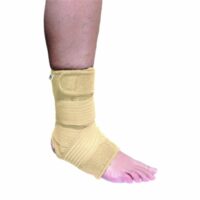
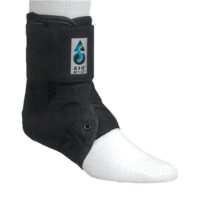
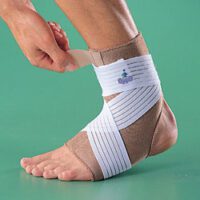
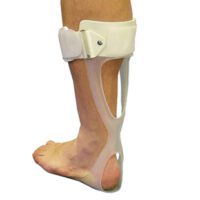
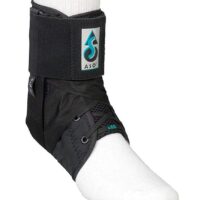
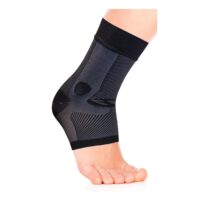
In some cases, temporary support such as braces, taping, or compression can help protect the area and improve confidence while you recover.

Ankle Products

These ankle products are commonly used by our physiotherapists to improve ankle pain, strength, balance, proprioception, endurance and flexibility, plus assist home exercise programs.

View all ankle products

Follow PhysioWorks

Get free physiotherapy tips, exercise videos, and recovery advice.

Facebook Instagram YouTube TikTok X (Twitter) Email

References

  1. Gomes YE, Chau M, Banwell HA, Causby RS. Diagnostic accuracy of the Ottawa ankle rule to exclude fractures in acute ankle injuries in adults: a systematic review and meta-analysis. BMC Musculoskelet Disord. 2022;23(1):885. doi:10.1186/s12891-022-05831-7
  2. Expert Panel on Musculoskeletal Imaging, Smith SE, Chang EY, Ha AS, et al. ACR Appropriateness Criteria® Acute Trauma to the Ankle. J Am Coll Radiol. 2020;17(11S):S355-S366. doi:10.1016/j.jacr.2020.09.014
  3. Martin RL, Davenport TE, Fraser JJ, et al. Ankle Stability and Movement Coordination Impairments: Lateral Ankle Ligament Sprains Revision 2021. J Orthop Sports Phys Ther. 2021;51(4):CPG1-CPG80. doi:10.2519/jospt.2021.0302
  4. Paavana T, Rammohan R, Hariharan K. Stress fractures of the foot – current evidence on management. J Clin Orthop Trauma. 2024;50:102381. doi:10.1016/j.jcot.2024.102381

You've just added this product to the cart: