Simple home use
Choose from 12 preset programs without needing to configure every setting manually.
$179.95
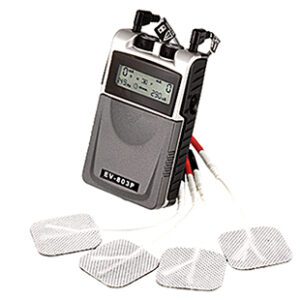
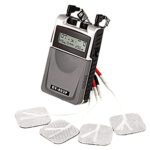
AllCare Digital TENS Machine is a portable, dual-channel TENS device with 12 preset programs and adjustable settings for people seeking modest, short-term pain relief at home, work or while travelling. Use TENS as part of a broader pain-management or rehabilitation plan rather than as a replacement for assessment, movement or exercise.
Choose from 12 preset programs without needing to configure every setting manually.
Adjust the pulse rate, pulse width and intensity to achieve a clear, strong but comfortable sensation.
Choose this model when your main goal is TENS pain-relief stimulation rather than electrical muscle stimulation.
TENS may provide temporary comfort for some muscle, joint and pain presentations. Response varies between people, so it should form one part of an appropriate pain-management or rehabilitation plan.
Programs
12 preset treatment programs.
Channels
Two independent treatment channels.
Controls
Adjustable pulse rate, pulse width and intensity.
Electrodes
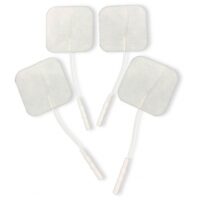
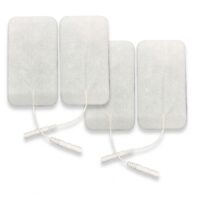
Four reusable self-adhesive electrode pads.
Power
Replaceable 9-volt battery.
Storage
Compact plastic storage and carrying case.
TENS stands for transcutaneous electrical nerve stimulation. The machine sends mild electrical impulses through electrodes placed on your skin.
These impulses stimulate sensory nerves and may temporarily reduce how strongly you feel pain. Some people use this period of improved comfort to walk, move or complete gentle exercises as part of a broader rehabilitation plan.
TENS does not treat every cause of pain. It should not delay assessment when pain is new, severe, unexplained, spreading or getting worse.
The electrodes connect to the machine’s two output channels and deliver a controlled electrical current through the skin. The sensation should feel clear, strong and comfortable. It should not feel sharp, painful or unpleasant.
The 12 preset programs provide straightforward starting options. You can also adjust pulse rate, pulse width and intensity. Start at a low intensity and gradually increase it until the sensation feels strong but comfortable.
For practical setup and electrode-positioning guidance, read How to Use a TENS Machine.
People commonly use TENS around the lower back, upper back, shoulders, knees, hips and other painful muscle or joint regions. Electrode positions depend on the pain location, your symptoms and skin sensation.
Do not place electrodes directly over an open wound, irritated skin or an area with poor sensation. Avoid the eyes, head, front of the neck and chest. Do not position electrodes so that the electrical current passes across your chest.
Follow the manufacturer instructions supplied with the machine. Treatment duration and frequency depend on your symptoms, skin response, electrode placement and the settings used.
A physiotherapist, doctor or pharmacist can advise you about suitable settings, electrode positions and treatment duration. Check your skin after treatment and change electrode positions slightly if repeated use causes irritation.
TENS may make movement or exercise more comfortable for some people. It may be used before, during or after activity when appropriate and safe.
However, TENS should support rather than replace exercise, strengthening, mobility work, pacing or load management. Persistent or worsening pain may need assessment to identify its underlying cause.
A private health insurance rebate may apply depending on your policy and health fund. Some insurers may require a physiotherapist or doctor to recommend the device or provide supporting documentation.
Read the TENS machine private health insurance rebate guide before purchasing if a rebate is important to your decision.
Review the applicable guarantee and warranty conditions before returning a device.
Your main goal is portable, TENS-only pain-relief stimulation with preset and adjustable settings.
You also need electrical muscle stimulation as part of a clinician-guided exercise or rehabilitation program.
Choose the AllCare Digital TENS Machine when you want a portable TENS-only device with straightforward preset programs and adjustable settings. Read the supplied instructions before first use and seek professional guidance if you are uncertain about electrode placement, settings or whether TENS is suitable for your symptoms.
It may suit adults seeking a portable device for modest, short-term pain relief. TENS is commonly used for muscle, joint and some nerve-related pain. Seek assessment when pain is new, severe, worsening, spreading or unexplained.
Some people use TENS regularly. Frequency should follow the manufacturer instructions and take account of your symptoms and skin response. Change the electrode position or stop if your skin becomes irritated.
Session length depends on the program, intensity, symptoms, electrode placement and professional advice. Follow the supplied instructions rather than using one fixed treatment time for every situation.
Place the electrodes around the painful area as directed by the manufacturer instructions or your healthcare professional. Do not place them over broken or irritated skin, areas with poor sensation, the eyes, head, chest or front of the neck.
Seek advice before using TENS if you have a pacemaker or implanted heart device, epilepsy, are pregnant, have recently had surgery, have reduced skin sensation, or have new or unexplained symptoms.
Stop if stimulation becomes painful, causes dizziness, increases your symptoms or causes significant skin irritation. Seek healthcare advice if your pain is worsening, spreading or remains unexplained.
For independent Australian consumer health information, see Healthdirect’s TENS guidance.
| Weight | .9 kg |
|---|---|
| Dimensions | 10 × 20 × 30 cm |