How Does a TENS Machine Work?
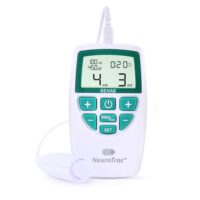
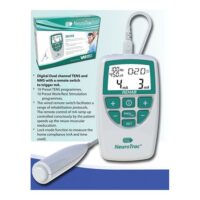
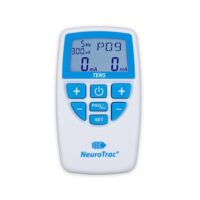
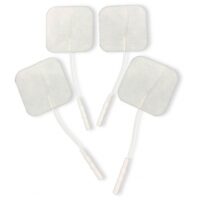
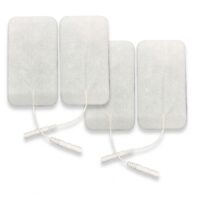
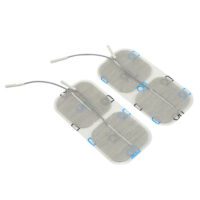
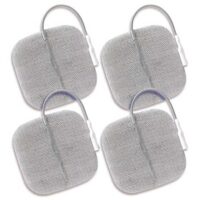
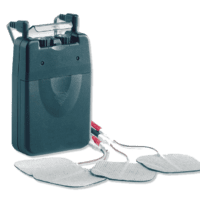
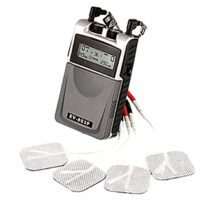
A TENS machine works by sending small electrical pulses through electrode pads placed on the skin. Most people describe the feeling as tingling, tapping, or buzzing. It should not feel sharp or painful.
The stimulation may help pain in two main ways:
- It may reduce some pain signals travelling through the nerves.
- It may assist the release of natural pain-relieving chemicals, such as endorphins.
Key Takeaway
- TENS may help calm pain while the machine is on, or soon after use.
- It often works better when paired with movement, exercise, and pacing.
- Correct pad placement and settings are important for safe use.
For this reason, physiotherapists may recommend TENS as one part of a broader pain management plan.
Should You Use a TENS Machine for Your Pain?
You may consider a TENS machine if pain is limiting movement and you need short-term symptom relief. However, TENS suits some people better than others. Professional advice can help confirm whether it matches your symptoms, goals, and health history.
TENS should support recovery rather than replace it. If pain keeps returning, spreads, causes weakness, affects bladder or bowel control, or follows a major injury, seek medical advice rather than relying on a device.
What Is a TENS Machine Used For?
A TENS machine may help provide short-term symptom relief for selected pain conditions. Common examples include:
A TENS machine does not fix the underlying cause of pain. Instead, it may make movement, exercise, sleep positioning, or daily activity feel more manageable while you address the main drivers of your symptoms.
TENS vs EMS: What Is the Difference?
A TENS machine mainly targets sensory nerves to assist pain relief. An EMS machine, or electrical muscle stimulation machine, stimulates muscles to contract.
EMS devices are usually used for muscle activation, strengthening, or rehabilitation. Some devices include both TENS and EMS modes, so check the product label carefully. To compare the two, see our guide to EMS machines and how they differ from TENS.
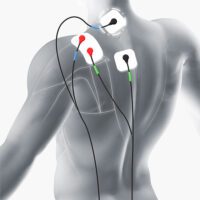
Where Should TENS Pads Be Placed?
TENS pads are usually placed around or near the painful area, depending on the condition and the device instructions. Do not place pads over broken or irritated skin, near the eyes, on the front of the neck, over the head, or across the chest unless a qualified health professional has specifically advised it.
Pad placement should feel comfortable. If the skin becomes irritated, the sensation feels unpleasant, or pain increases, stop using the device and seek advice.
When Should You Avoid Using a TENS Machine?
Do not use a TENS machine if you have a pacemaker, implanted electrical device, heart rhythm concern, epilepsy, or reduced skin sensation unless your doctor has confirmed it is safe. If you are pregnant, ask your doctor, midwife, or physiotherapist before using TENS.
You should also avoid using TENS in water, while driving, while operating machinery, over a known tumour, or over an area that does not have normal feeling.
When Should You Get Your Pain Assessed?
Book an assessment if pain is not settling, keeps returning, limits walking or sleep, spreads into an arm or leg, or stops you doing normal work, sport, or daily tasks.
A physiotherapist can help identify likely contributing factors and explain whether TENS, exercise, manual therapy, education, or a different plan is more suitable.
How Can a Physiotherapist Help With TENS Machine Use?
A physiotherapist can explain whether TENS suits your pain presentation, show safer electrode placement, and help choose settings that match your goals. They can also combine TENS with movement, strengthening, manual therapy, and load management where appropriate.
As a practical step, use pain relief to stay active within tolerable limits. Track what helps, then build activity gradually instead of making a sudden jump in walking, lifting, or training.
Related Information
Frequently Asked Questions
What is a TENS machine?
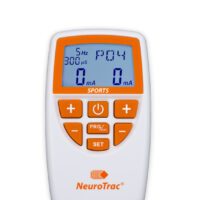
A TENS machine is a portable device that sends mild electrical pulses through pads on the skin. These pulses stimulate sensory nerves and may help short-term pain relief for some people.
Can a TENS machine fix the cause of pain?
No. A TENS machine may help reduce pain temporarily, but it does not treat the underlying cause. Persistent or recurring pain should be assessed so treatment can address the factors contributing to your symptoms.
Where should TENS pads be placed?
TENS pads are usually placed near or around the painful area, while avoiding unsafe regions such as broken skin, the front of the neck, the eyes, or across the chest. Placement depends on your condition and device instructions.
Is a TENS machine the same as an EMS machine?
No. TENS usually targets sensory nerves for pain relief, while EMS stimulates muscles to contract. Some devices include both modes, so check the label and instructions carefully.
Should I ask a physiotherapist before using TENS?
Yes, especially if you have ongoing pain, unusual symptoms, implanted devices, pregnancy concerns, reduced skin sensation, or you are unsure where to place the pads. A physiotherapist can help confirm safe use and suitable settings.
What to Do Next
If pain is limiting your movement, a TENS machine may help you stay more comfortable while you work on recovery. However, ongoing pain usually needs proper assessment to identify contributing factors and guide treatment.
If you are unsure whether TENS is suitable, book a physiotherapy appointment. Your physiotherapist can explain safe use, pad placement, and how TENS may fit into your broader recovery plan.