Early warning signs of an injury can include swelling, joint pain, tenderness, weakness, bruising, or reduced movement. If you notice these symptoms after sport, exercise, work, or daily activity, your body may already be signalling that a tissue has been overloaded or damaged.
Early action can help limit aggravation, reduce recovery time, and lower the risk of a small problem becoming a bigger one. This page explains the most common injury warning signs, when to take them seriously, and what to do next.
- joint pain that does not settle
- tenderness over a specific area
- swelling, bruising, or heat
- reduced range of motion
- weakness or instability

Early warning signs of injury can include swelling, pain, and reduced movement after activity.
What are the early warning signs of an injury?
The early warning signs of an injury are your body’s way of telling you that tissues have been overloaded, irritated, or damaged. Common warning signs include pain, swelling, tenderness, weakness, bruising, reduced range of motion, and difficulty using the area normally.
Joint pain
Do not ignore joint pain, especially in the knee, ankle, shoulder, elbow, or wrist. Joint pain after a twist, fall, awkward landing, or heavy load may suggest a ligament, cartilage, tendon, or bone-related problem rather than simple muscle soreness. If joint pain lasts more than 48 hours, or you cannot trust the joint, organise an assessment.
Tenderness
Tenderness matters when one clear spot hurts to touch and the same point on the other side does not. This may suggest local tissue damage such as a muscle injury, tendon irritation, bone stress, or a ligament tear. Sharp tenderness over bone, a tendon attachment, or deep inside a joint deserves extra care.
Swelling
Swelling is one of the most common early signs of injury. It often appears after a sprain, strain, impact, or overload event. Sometimes the swelling is obvious. At other times, the area simply feels tight, full, or puffy. Rapid swelling can point to a more significant tissue injury, especially after sport.
Reduced range of motion
If the joint or body part suddenly stops moving as freely as the other side, injury should be suspected. Reduced movement may result from swelling, pain, muscle guarding, or joint irritation. Compare one side to the other, but stop if the test increases pain sharply.
Weakness
Weakness after injury often shows up when you try to grip, push, squat, lift, hop, or bear weight. One side may feel unstable, uncoordinated, or much less powerful than the other. This is common in muscle strains, tendon injuries, and ligament sprains.
Bruising or colour change
Bruising usually means that some bleeding has occurred within the tissues. It can appear soon after an injury or develop over the next 24 to 72 hours. Bruising does not always mean the injury is severe, but it does suggest tissue damage that should not be ignored.
Red flags: get assessed promptly
- severe pain or rapidly worsening symptoms
- rapid swelling after a twist, fall, or collision
- inability to walk, grip, lift, or push off properly
- joint instability, buckling, or giving way
- significant bruising, deformity, or pain over bone
- pins and needles, numbness, or unusual weakness
- little or no improvement after several days of sensible first aid
When should you worry about an injury?
You should worry about an injury when pain is severe, swelling builds quickly, you cannot use the area normally, or the joint feels unstable. You should also act promptly if you heard a pop, cannot weight bear, notice deformity, or develop numbness, tingling, or major weakness.
If you are unsure whether an injury is minor, Healthdirect has a helpful overview of sprains and strains. However, a physiotherapy assessment is often the fastest way to work out what tissue is involved and what to do next.
Common injuries linked to these warning signs
Early warning signs can appear across many different injuries. Common examples include:
- ligament sprains and tears
- muscle strains
- soft tissue injuries
- ankle injuries
- knee injuries
- fractures
What should you do straight after an injury?
Straight after an injury, stop the aggravating activity, protect the area, use compression if appropriate, and settle symptoms without completely shutting movement down. Early management should reduce unnecessary irritation while still supporting safe recovery.
Immediate injury care: simple step-by-step guide
- Stop the activity. Do not keep pushing through pain if the body part feels unstable, weak, or sharply painful.
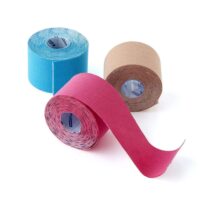
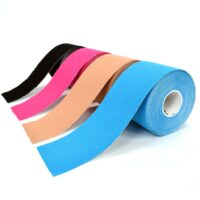
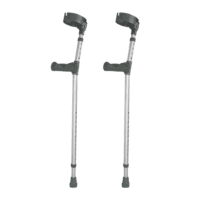
- Protect the area. Reduce the load on the injured tissue for the first day or two. Crutches, taping, or a brace may help in some cases.
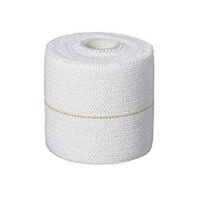
- Use compression. A compression bandage can help manage swelling and improve support.
- Elevate when helpful. Elevation may help settle throbbing and swelling in the early phase.
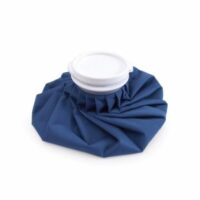
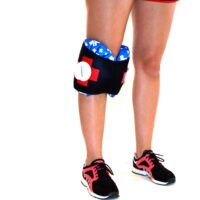
- Use ice carefully if it helps pain. Some people find short bouts of ice helpful for comfort, but it should not replace sensible injury management.
- Avoid HARM factors early. Alcohol, unnecessary running, aggressive massage, and heat can aggravate some fresh injuries. See the HARM Protocol for more detail.
- Get a diagnosis if the signs are concerning. This is especially important if you cannot weight bear, movement is severely limited, or the joint feels unstable.
If you want a broader step-by-step plan, read more about soft tissue injury healing and acute sports injury care.
How can physiotherapy help after an injury?
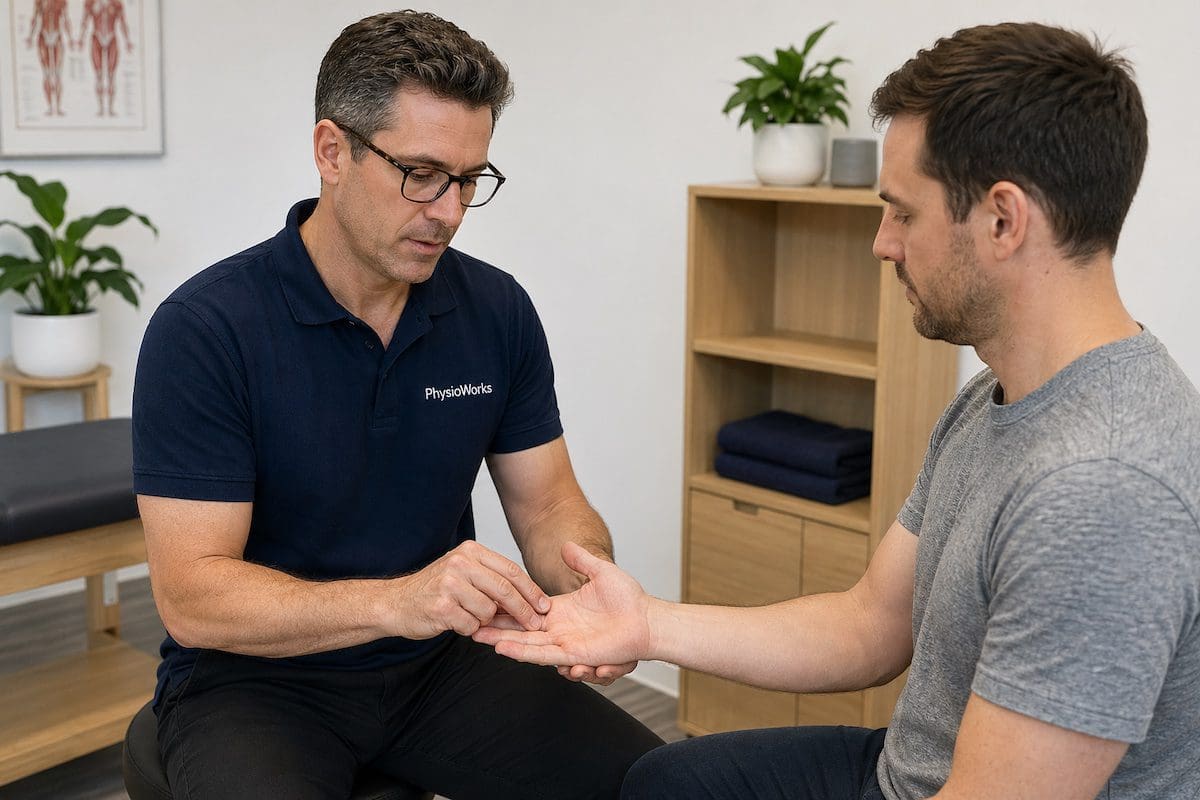
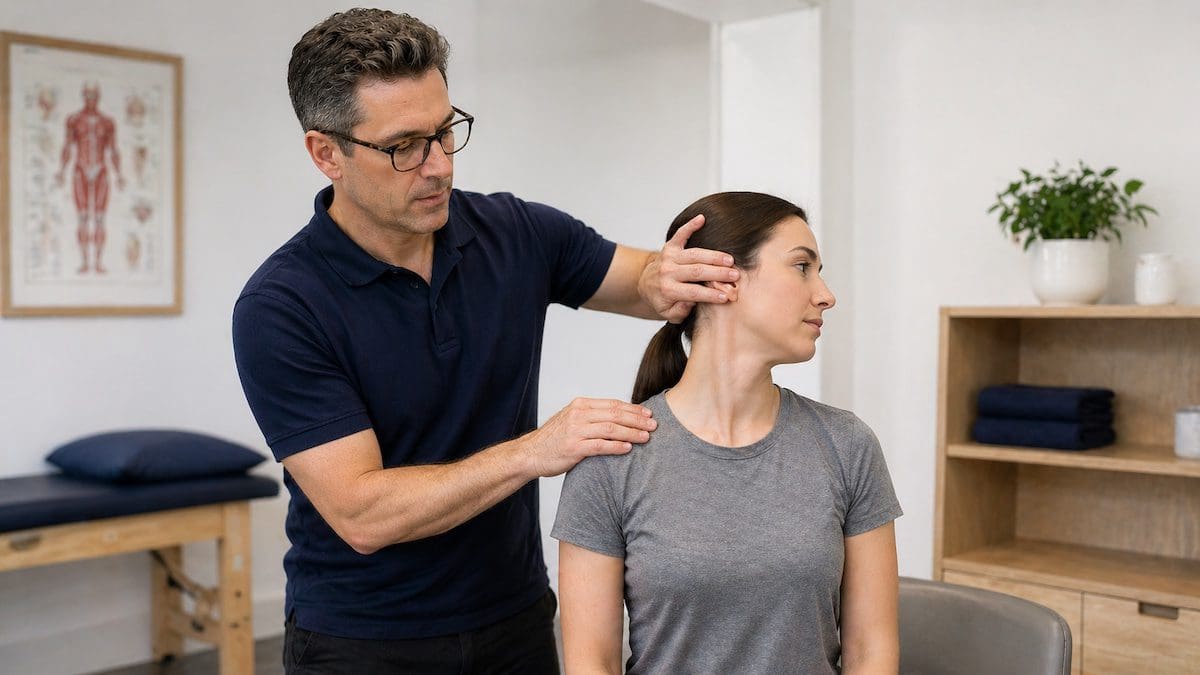
Physiotherapy can help by identifying the injured tissue, grading severity, settling pain and swelling, restoring movement, rebuilding strength, and guiding a safe return to work, sport, or normal activity. Early guidance often helps people avoid doing too much, too soon, or too little for too long.
Your physiotherapist may assess whether the problem is more likely to involve muscle, tendon, ligament, bone, or joint structures. Then, treatment can progress from protection and symptom control into mobility, strength, balance, load management, and return-to-activity planning.
FAQs about early warning signs of an injury
Can you still walk on a serious injury?
Yes, sometimes you can. People can still walk on some fractures, ligament tears, tendon injuries, or significant muscle strains. Walking does not always mean the injury is minor. If your pain is strong, your gait changes a lot, or the area feels unstable, get it checked.
Is swelling always a sign of injury?
Swelling is very common after injury, but not every injury swells visibly. Some tissues sit deeper, so you may feel fullness, pressure, or stiffness instead. Even without obvious swelling, pain, weakness, tenderness, or reduced movement can still point to an injury that needs treatment.
How long should you wait before getting an injury assessed?
You do not always need to wait. If the injury is severe, painful, unstable, or stops you from normal function, get it assessed early. For milder problems, sensible first aid for 24 to 48 hours may be reasonable. If it is not clearly improving, book an assessment.
What is the difference between soreness and injury pain?
General soreness usually feels broad, mild to moderate, and improves as you warm up or recover after exercise. Injury pain is more often sharp, local, tender, swollen, weak, or linked to a specific movement, twist, impact, or overload event. Injury pain also tends to change how you move.
Should you massage a fresh injury?
Usually not in the first stage if the area is very fresh, swollen, bruised, or highly irritable. Aggressive early massage can aggravate some injuries. Fresh injuries often respond better to protection, compression, sensible movement, and a clear plan. Later on, hands-on treatment may become more appropriate.
What if an injury is not improving after a few days?
If your injury is not improving after a few days, the tissue may need a more specific diagnosis and a better loading plan. Ongoing pain, swelling, weakness, or instability can mean the injury is more significant than first thought, or that your recovery strategy needs adjusting.
What to do next
If you have noticed early warning signs of an injury, do not ignore them and hope they settle on their own. Protect the area, reduce the aggravating load, and organise an assessment if the symptoms are significant, worsening, or not clearly improving.
PhysioWorks can help identify what tissue is involved, explain how serious the injury is likely to be, and guide your next steps so you can recover with more confidence.
Choose your clinic and appointment pathway
Select a PhysioWorks clinic to continue to live booking, an appointment request or reception assistance.


References
- Dubois B, Esculier JF. Soft-tissue injuries simply need PEACE and LOVE. Br J Sports Med. 2020;54(2):72-73. doi:10.1136/bjsports-2019-101253
- Martin RL, Davenport TE, Fraser JJ, et al. Lateral ankle ligament sprains revision 2021 clinical practice guidelines linked to the International Classification of Functioning, Disability and Health from the Academy of Orthopaedic Physical Therapy of the American Physical Therapy Association. J Orthop Sports Phys Ther. 2021;51(4):CPG1-CPG80. doi:10.2519/jospt.2021.0302
- Bleakley C, McDonough S, MacAuley D. The use of ice in the treatment of acute soft-tissue injury: a systematic review of randomized controlled trials. Am J Sports Med. 2004;32(1):251-261. doi:10.1177/0363546503260757