Do TENS Machines Help Pain?
TENS machines may help reduce pain for a short time while the unit is running. Some people also notice short relief after use. Results vary. Some users feel clear relief, while others notice little change.
TENS is usually a support tool, not a stand-alone treatment. It may help most when it makes it easier to move, sleep, do gentle exercise, work, or manage a flare-up.
Best Use Case
Use TENS to settle symptoms while you work on the main drivers of pain, such as strength, mobility, posture, activity load, sleep, stress or recovery.
What Is a TENS Machine?
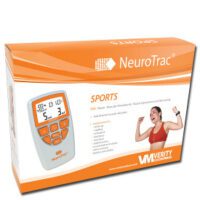
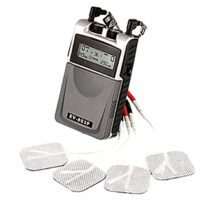
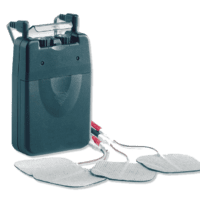
TENS stands for transcutaneous electrical nerve stimulation. “Transcutaneous” means “through the skin”. A TENS machine sends low-voltage electrical pulses through electrode pads placed near a painful area.
A TENS machine is a medical device. It may help reduce pain signals for a short time, but it does not treat the cause of pain. For better long-term results, it should sit alongside education, activity changes and a suitable physiotherapy exercise program.
What Are the Main TENS Machine Benefits?
The main TENS machine benefits are short-term symptom relief, convenience and adjustable stimulation. Many users like that TENS is portable and does not involve medication. However, results differ between people and pain types.
- Modest short-term pain relief: pain may ease during use and for a short time afterwards.
- Drug-free support: TENS may help some people manage symptoms without increasing medicine use.
- Home convenience: small battery-powered units can be used at home, work or while travelling.
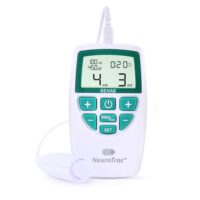
- Adjustable settings: intensity, pulse width and frequency can usually be changed for comfort.
- Low rate of serious side effects: most issues involve brief skin redness or irritation.
- Physiotherapy support: TENS can sit alongside exercise, manual therapy and pacing advice.
Who May Benefit From a TENS Machine?
A TENS machine may suit people who need extra short-term pain relief while they stay active and complete their rehab plan. It is often considered for back pain, neck pain, osteoarthritis, chronic muscle or joint pain and selected post-operative pain.
- Back pain or neck pain.
- Some forms of sciatica or nerve-related pain.
- Osteoarthritis of the knee, hip, shoulder or hand.
- Chronic muscle or joint pain.
- Fibromyalgia or widespread pain conditions.
- Selected post-operative pain, when approved by your healthcare team.
How Does a TENS Machine Provide Pain Relief?
TENS may reduce pain by stimulating sensory nerves. This can change how pain signals travel through the nervous system. Some settings create a tingling feeling. Other settings create small muscle twitches.
Sensory-Level Stimulation
Gentle stimulation creates a tingling feeling near the painful area. This may interfere with pain messages travelling towards the brain. This idea is often called the gate control theory of pain.
Motor-Level Stimulation
Stronger stimulation may create small muscle twitches. Some people find this setting helps pain settle for longer after a session. Still, comfort should guide use.
Where Should You Place TENS Pads?
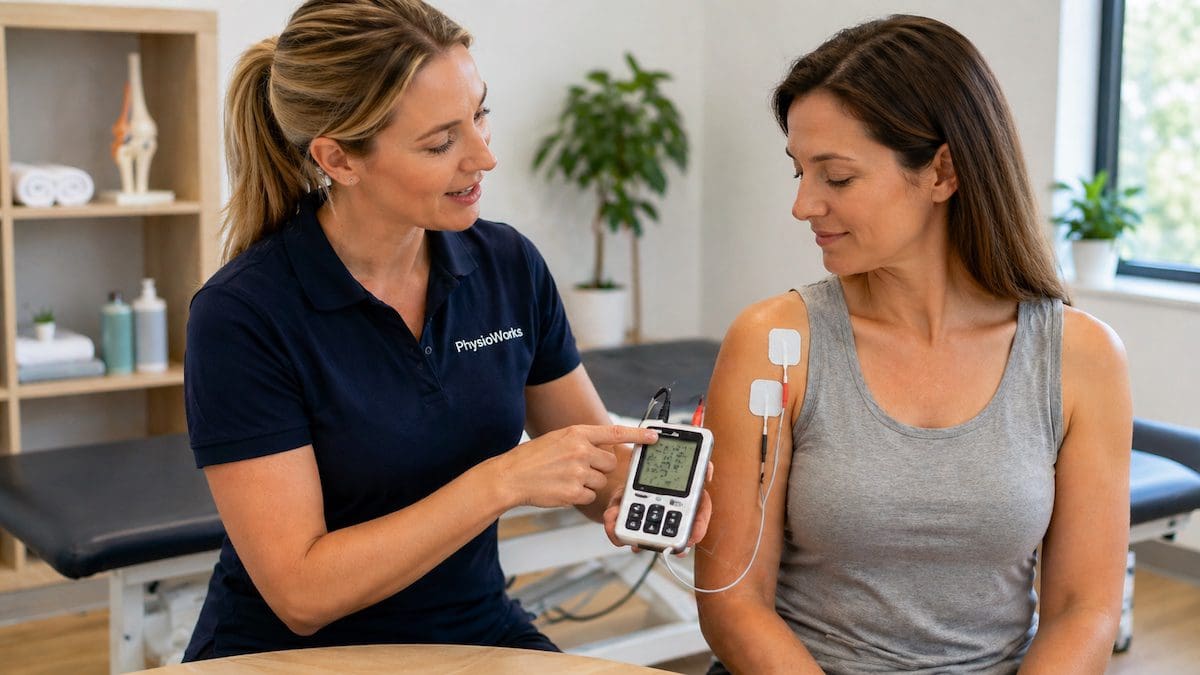
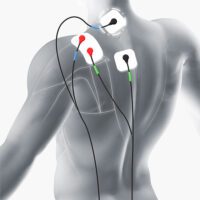
TENS pads are usually placed around, beside, above or below the painful area. Do not place pads on unsafe regions. For shoulder pain, one pad may sit near the rear shoulder and one near the front shoulder, provided both pads stay away from the neck, chest and broken skin.
Shoulder Pad Placement Safety Tip
Do not place pads across the front of the chest, over the throat, near the eyes, on the head, or over broken skin. Stop use if symptoms feel unusual, intense, spreading or unsafe.
Which TENS Machine Features Matter Most?
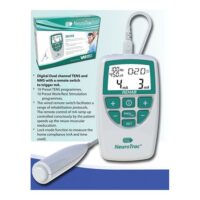
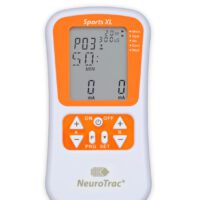
The most useful features depend on your pain area, confidence using technology and how often you plan to use the device.
| Use Case | Feature to Prioritise | Why It Helps |
| Back or neck pain | Dual channels and adjustable intensity | Lets you treat a wider area or adjust each side separately. |
| Knee or hip osteoarthritis | Simple programs and a clear screen | Makes repeat home use easier. |
| Travel or work use | Portable size and belt clip | Improves convenience during the day. |
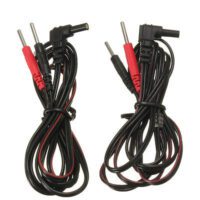
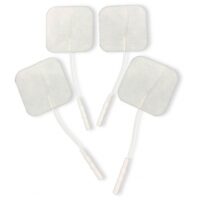
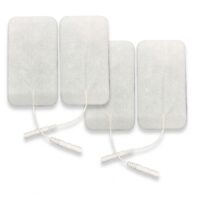
| Regular long-term use | Replacement pads and lead access | Keeps the unit usable and reliable. |
Need Help Choosing a TENS Machine?
If you are unsure which unit suits your pain area, start with your main goal. Do you want simple home pain relief, adjustable programs, easy travel use, or reliable replacement pads?
Compare TENS Machines
What Are the Limits of TENS Machine Benefits?
TENS machine benefits are usually modest and short term. TENS does not correct weak muscles, stiff joints, irritated nerves, poor sleep, stress load, or poor activity tolerance. If pain keeps worsening, arrange a physiotherapy or medical review.
Healthdirect notes that TENS should be used as directed and may not suit everyone. Read the device instructions and seek advice if you have a medical condition, implanted device, pregnancy-related concern, or unclear symptoms.
TENS Works Best When It Supports Action
A good result is not just lower pain. It is lower pain that helps you walk, move, sleep, exercise, work, or complete daily tasks with more confidence.
When Should You Not Use a TENS Machine?
Do not use TENS in unsafe areas or when medical clearance is needed. This includes use over the front of the neck, eyes, head, chest, broken skin or near implanted electronic devices unless your doctor has approved it.
- Do not use TENS if you have a pacemaker, implanted defibrillator or other implanted electronic device unless you have written medical clearance.
- Do not place pads over the front of your neck, eyes, head or directly over your chest.
- Do not use pads on broken, irritated or infected skin.
- Do not use TENS with epilepsy unless your doctor approves it.
- Seek guidance before using TENS during pregnancy.
Important Safety Note
TENS and EMS machines are medical devices. Always read the label and instruction manual. Use only as directed. Ask your doctor or physiotherapist before use if you have a medical condition, implanted electronic device, pregnancy-related concern or persistent symptoms.
How Do You Choose a TENS Machine?
The right TENS machine depends on your pain area, how often you plan to use it and how easy the device is to manage. Clear controls, reliable pads and replacement accessories matter more than extra features you may not use.
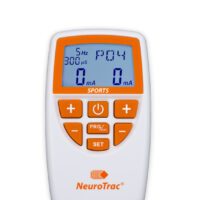
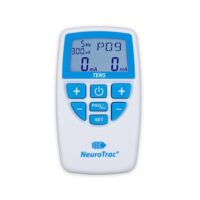
- Clear screen and simple controls.
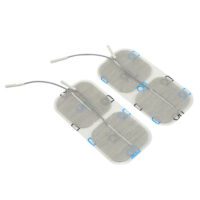
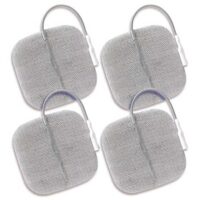
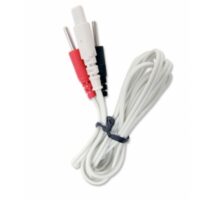
- Good-quality electrode pads and leads.
- Adjustable programs or modes.
- Portable size with belt clip or carry case.
- Easy access to replacement pads.
- Helpful after-sales support.
TENS Machine Benefits FAQs
What are the main TENS machine benefits?
TENS machine benefits may include modest short-term pain relief, drug-free symptom support, portable home use, adjustable settings and a low rate of serious side effects when used correctly.
Can a TENS machine replace pain medication?
A TENS machine should not replace prescribed pain medication unless your doctor advises this. It may provide extra short-term symptom relief for some people as part of a broader pain management plan.
Who may benefit most from a TENS machine?
People with back pain, neck pain, osteoarthritis, chronic muscle or joint pain, fibromyalgia or selected post-operative pain may benefit from a TENS machine when it is used safely and appropriately.
Are there risks or side effects with TENS machines?
Serious side effects are uncommon when TENS is used correctly. Mild skin irritation or redness under the pads can occur. Do not use TENS over broken skin, unsafe body areas or near implanted electronic devices without medical clearance.
Do TENS machines fix the cause of pain?
TENS machines do not fix the underlying cause of pain. They are best used as a support tool while physiotherapy, exercise, education and lifestyle changes address the factors contributing to symptoms.
Where should shoulder TENS pads go?
Shoulder TENS pads may sit around the painful shoulder area, such as one near the rear shoulder and one near the front shoulder. Avoid the front of the neck, chest, head, broken skin and any unsafe placement described in your device manual.
Related TENS Machine FAQs
Pain FAQs
What Should You Do Next?
If you are considering TENS, choose a quality unit, read the instructions carefully and confirm safe pad placement. A physiotherapist can help you match settings to your pain area and decide whether TENS fits your wider treatment plan.
If your symptoms are new, worsening, spreading, or not improving, book a physiotherapy assessment before relying on a device. If you already know TENS is suitable for you, compare the available options below.
View TENS Machine Options