
TENS Machine for Pain Relief

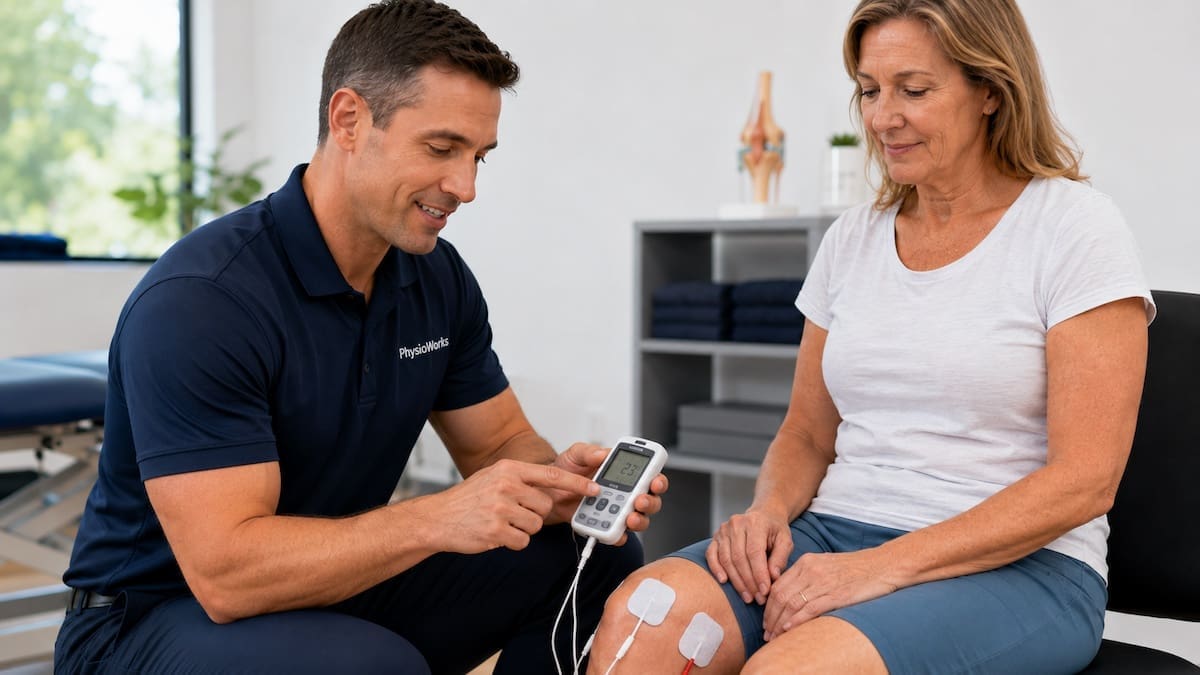
TENS machine pain relief may help reduce symptoms so you can move more comfortably between appointments. A TENS unit sends gentle electrical pulses through adhesive pads placed on healthy skin.
Many people use TENS alongside pain management strategies, exercise and other electrotherapy options recommended by a physiotherapist. This guide explains how TENS works, when it may help and how to use it safely.
TENS Machine Pain Relief: Quick Answer
TENS may provide modest short-term pain relief for some people. It sends comfortable electrical pulses through pads placed near a painful area.
TENS works best when it helps you remain active, complete rehabilitation exercises and follow a broader recovery plan. It does not correct the underlying cause of pain.
Choose the Right TENS Guide
Use the pathway that best matches what you need to know.
Learn Safe Use
Review general setup, pad placement and intensity guidance.
Review the Benefits
Understand the possible advantages and limitations of TENS.
What Is a TENS Machine?
TENS stands for transcutaneous electrical nerve stimulation. “Transcutaneous” means “through the skin”. A TENS machine sends low-voltage electrical pulses through electrode pads placed near a painful area.
A TENS machine is an electronic medical device. It may help some people settle pain while they keep moving, complete exercises or manage a temporary flare-up.
How Does a TENS Machine Provide Pain Relief?
TENS may reduce pain through two main pathways. The most suitable setting depends on your pain presentation, body region, comfort level and treatment goal.
Sensory-Level TENS
Sensory-level TENS creates a strong but comfortable tingling or buzzing sensation. It should not cause a muscle twitch. This sensory input may reduce how strongly pain signals travel to the spinal cord and brain.
Motor-Level TENS
Motor-level TENS uses a higher intensity and may cause small, controlled muscle twitches. This stimulation may activate the body’s pain-modulating responses.
Some people feel relief during treatment. Others notice a short after-effect. A stronger contraction does not necessarily produce better pain relief.
TENS Machine Pain Relief Settings
Start with a simple continuous mode unless your clinician or device instructions recommend another option. Increase the intensity slowly until you feel a strong but comfortable tingling.
Avoid sharp, burning or unpleasant stimulation. Many people begin with a 20-to-30-minute session and then assess their skin, symptoms and activity tolerance.
Simple TENS Starting Checklist
- Use clean, dry and healthy skin.
- Place pads around the painful area.
- Keep electrodes a few centimetres apart.
- Avoid unsafe pad positions.
- Start at a low intensity and increase slowly.
- Keep the sensation strong but comfortable.
- Turn the machine off before removing the pads.
When Can a TENS Machine Help?
A TENS machine may help some muscle, joint and post-operative pain presentations when used correctly. It is most useful when pain control helps you remain active and continue your rehabilitation plan.
- Back pain and some forms of leg pain, including sciatica symptoms.
- Arthritis pain affecting the knee, hip or spine.
- Some presentations of knee pain where pain control helps walking or exercise.
- Muscle or joint pain that temporarily flares with activity.
- Selected discomfort during post-operative rehabilitation, when your clinician approves its use.
TENS is usually one part of care. It should not replace assessment when pain is severe, worsening, spreading or unexplained.
Benefits of TENS Machine Pain Relief
- Drug-free option: TENS may help some people manage symptoms without additional medication, where appropriate.
- Portable: Most units are small, lightweight and battery powered.
- Adjustable: Intensity and program settings allow you to choose a comfortable level.
- Usually well tolerated: Side effects are often minor when TENS is used correctly.
- Supports movement: Short-term relief may make walking, exercise or rehabilitation more comfortable.
Is TENS Better Than Heat or Medication?
TENS, heat and medication can each support pain management in different ways. The most suitable option depends on your condition, medical history, symptoms and goals.
Some people use heat for stiffness, TENS for short-term symptom relief and exercise for longer-term improvements in strength and function. A physiotherapist can help match these options to your presentation.
Correct TENS Electrode Placement
Pad placement affects comfort and may affect how useful the stimulation feels. In general, place electrodes around, above or below the painful area on healthy skin.
- Lower back pain: pads commonly sit on either side of the spine rather than directly over the bony midline.
- Neck or shoulder pain: pads may sit around the painful muscles but not across the front of the neck.
- Knee pain: pads may sit above and below the joint or on either side of the knee.
Do not place pads over the eyes, on the head, across the chest, over the front of the neck or on damaged skin. For region-specific examples, see the TENS machine electrode placement guide.
Basic Steps for Using a TENS Machine
These instructions are general. Always follow your device manual and any advice given by your doctor or physiotherapist.
- Confirm suitability: Ask whether TENS is appropriate for your symptoms and medical history.
- Prepare your skin: Wash and dry the area. Avoid broken, irritated or infected skin.
- Position the pads: Place the electrodes around the painful area and keep them a few centimetres apart.
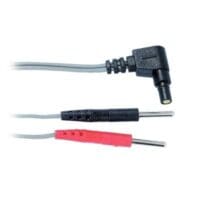
- Connect the leads: Attach the cables securely before turning the unit on.
- Select a mode: Begin with a straightforward setting unless advised otherwise.
- Increase intensity slowly: Aim for strong but comfortable stimulation.
- Use a sensible duration: Many sessions last 20 to 30 minutes.
- Turn the unit off first: Switch it off before removing the electrodes, then inspect your skin.
When Should You Avoid TENS?
TENS is not suitable for everyone. Do not use it, or obtain medical clearance first, when any of the following apply.
TENS Safety and Contraindications
- You have a pacemaker, implanted defibrillator or another implanted electronic device.
- You plan to place pads across the chest, front of the neck, head, eyes or mouth.
- You have broken, infected, irritated or numb skin where the pads would sit.
- You have epilepsy and have not received medical approval.
- You are pregnant and have not received appropriate professional advice.
- You cannot reliably feel or monitor the stimulation.
Never use TENS while driving, operating machinery, sleeping, showering, bathing or swimming.
For an Australian consumer health overview, read Healthdirect’s TENS information.
Stop TENS and Get Advice If
- your pain becomes severe, unusual or rapidly worse
- you develop new numbness, weakness or spreading symptoms
- your skin becomes sore, blistered or irritated
- the stimulation feels sharp, burning or unpleasant
- TENS provides no useful relief after a reasonable trial
- you are unsure where to place the pads
Is TENS Helping You?
Continue using TENS only when it provides a useful improvement without irritating your skin.
- Your pain settles during treatment or shortly afterwards.
- You can walk, exercise, work or complete daily activities more comfortably.
- The pads remain comfortable and your skin stays healthy.
- You can use a comfortable intensity without steadily increasing it.
- The relief helps you follow your broader movement or rehabilitation plan.
Review your settings, pad placement and diagnosis if TENS makes no meaningful difference after several correctly positioned sessions.
Choosing a TENS Machine
The right unit depends on how often you plan to use it, the body areas you want to treat and how comfortable you feel operating the controls.
- Choose clear controls and an easy-to-read display.
- Check that replacement pads and leads are readily available.
- Look for useful programs without unnecessary complexity.
- Choose a compact device if portability matters.
- Review the warranty, included accessories and replacement costs.
- Ask for guidance if you are unsure about settings or pad placement.
Compare TENS Machines and Features
Common Questions About TENS Machine Pain Relief
How quickly will a TENS machine relieve pain?
Some people notice a change during a TENS session or shortly afterwards. Others need several sessions to judge whether it helps. If symptoms do not change after a fair trial, review your settings, pad placement and wider plan.
How often can I use a TENS machine?
Many people use TENS for 20 to 30 minutes at a time. Some use it a few times per day. Appropriate frequency depends on skin comfort, symptom response, device instructions and clinician advice.
Does TENS fix the cause of pain?
No. TENS may help symptoms, but it does not correct causes such as reduced strength, joint stiffness, poor load tolerance or inadequate recovery. Exercise, movement and education usually remain important.
Can I use TENS while exercising?
Some people use TENS before exercise to make movement more comfortable. Avoid using it during activities where pads or leads could pull, slip or distract you. Never use TENS while driving or operating equipment.
Can I sleep with a TENS machine on?
No. Do not use a TENS machine while sleeping. You need to remain awake so you can monitor the intensity, pad position, skin comfort and symptom response.
Related TENS and Pain Guides
- Electrotherapy and Local Modalities – an overview of electrotherapy options used in physiotherapy.
- What Is a TENS Machine? – plain-language information about TENS units.
- TENS Machine Benefits – possible benefits and limitations of TENS.
- What Is Chronic Pain? – why persistent pain can continue and how care may help.
- TENS Electrode Placement Guide – practical region-by-region pad placement guidance.
What to Do Next
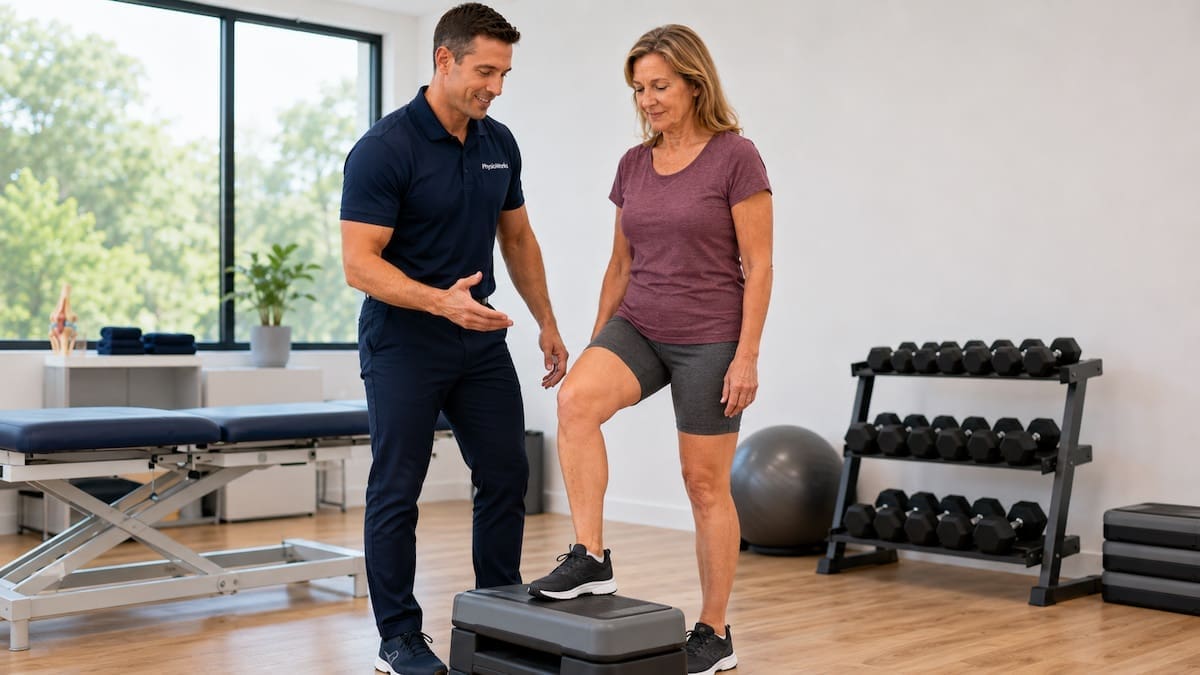
If pain limits your walking, sleep, work or exercise, begin with a clear assessment and recovery plan. Confirm the likely diagnosis, identify important aggravating factors and screen for symptoms that need medical investigation.
Next, use short-term symptom tools such as TENS only when they help you remain active. Combine them with appropriate exercise, pacing, mobility work and gradual increases in activity.
Finally, review your progress. Adjust the pad placement, intensity and rehabilitation plan as your symptoms change. Arrange a physiotherapy or medical review if pain persists, worsens or feels different.
Choose your clinic and appointment pathway
Select a PhysioWorks clinic to continue to live booking, an appointment request or reception assistance.
Before Buying or Using a TENS Machine
TENS and EMS machines are medical devices. Read the product label and instruction manual before use. Seek medical or physiotherapy advice if you have an implanted electronic device, are pregnant, have epilepsy, experience altered sensation or are unsure whether electrical stimulation suits your symptoms.
TENS Machine Products
These TENS machines and accessories are commonly used to help manage pain at home. They work best when combined with a tailored physiotherapy plan.
-
- Pain Management, Christmas Gift Ideas, Gift Ideas, TENS Machine, TENS Machine & EMS
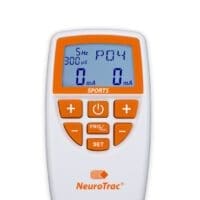
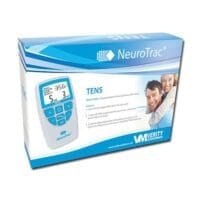
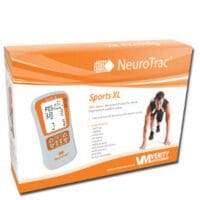
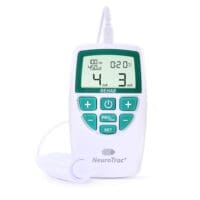
NeuroTrac TENS Machine
$219.00Add to cartQuick View - TENS Machine & EMS, Gift Ideas, Pain Management, TENS Machine
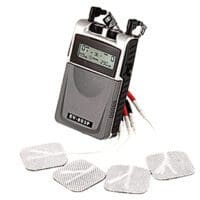
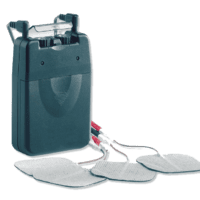
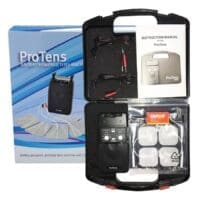
Pro Tens Machine
$69.95Add to cartQuick View -
 TENS Electrodes & Leads, TENS Machine & EMS
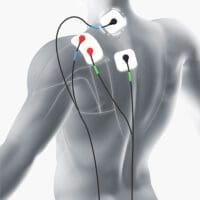
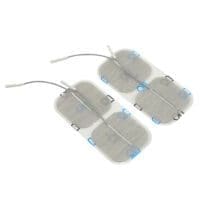
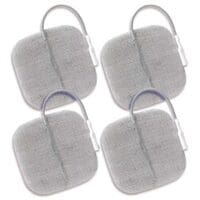
TENS Electrodes: AllCare
$10.00 – $16.00Select optionsQuick View - EMS Machines, Pain Management, TENS Machine, TENS Machine & EMS
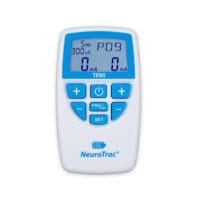
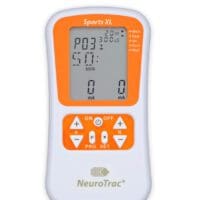
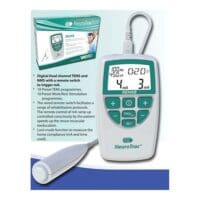
NeuroTrac Rehab (TENS Machine + EMS)
$299.95Add to cartQuick View - TENS Electrodes & Leads, TENS Machine & EMS
TENS Electrodes: PALS Platinum
$22.00 – $29.50Select optionsQuick View


References
- Johnson MI, Paley CA, Jones G, Mulvey MR, Wittkopf PG. Efficacy and safety of transcutaneous electrical nerve stimulation (TENS) for acute and chronic pain in adults: a systematic review and meta-analysis of 381 studies. BMJ Open. 2022;12(2):e051073. doi:10.1136/bmjopen-2021-051073
- Paley CA, Wittkopf PG, Jones G, Johnson MI. Does TENS reduce the intensity of acute and chronic pain? A comprehensive appraisal of the characteristics and outcomes of 169 reviews and 49 meta-analyses. Medicina. 2021;57(10):1060. doi:10.3390/medicina57101060
- Viderman D, Nabidollayeva F, Aubakirova M, et al. The impact of transcutaneous electrical nerve stimulation on acute pain and other postoperative outcomes: a systematic review with meta-analysis. J Clin Med. 2024;13(2):427. doi:10.3390/jcm13020427
- Vance CGT, Zimmerman MB, Dailey DL, Rakel BA, Sluka KA. Using TENS for pain control: update on the state of the evidence. Medicina. 2022;58(10):1332. doi:10.3390/medicina58101332
- Healthdirect Australia. TENS: transcutaneous electrical nerve stimulation. Accessed June 12, 2026.