How Does Physiotherapy Help Back Pain Relief?
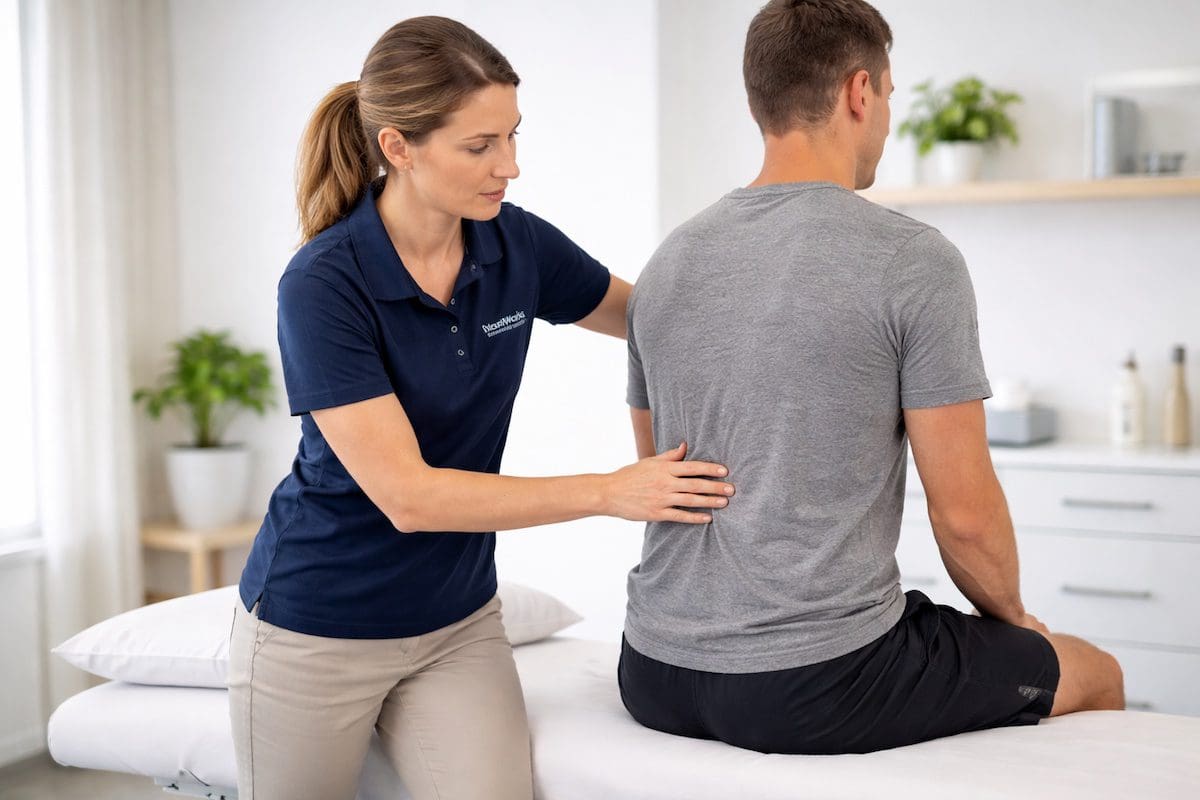
Physiotherapy helps by identifying what is driving your symptoms and then matching treatment to that pattern. That may include movement advice, gradual exercise, lifting or posture changes, manual therapy, and a staged plan to get you back to work, sport, and daily life.
For many people, exercise becomes a key part of recovery. This can include mobility work, trunk control, hip strength, walking progression, and sometimes core stability training. Others do well with a guided back pain exercises program or more advanced back exercises once pain settles.
Benefits of Physiotherapy for Back Pain Relief
- clearer diagnosis and direction
- faster return to normal movement
- less fear about bending, lifting, or exercising
- better strength, control, and load tolerance
- strategies to reduce recurrent flare-ups
Why Does Early Treatment Matter?
Early treatment matters because long periods of avoidance, stiffness, and reduced activity can make recovery slower. The longer pain disrupts sleep, work, walking, or confidence with movement, the more helpful it becomes to have a clear plan rather than hoping it settles on its own.
That does not mean every episode is serious. It means earlier guidance can help you avoid unhelpful patterns, progress safely, and understand when you can keep loading and when you should slow down.
When Should You Worry About Back Pain?
You should seek urgent medical review if back pain is linked to loss of bladder or bowel control, saddle numbness, progressive leg weakness, fever, unexplained weight loss, or major trauma. These signs are uncommon, but they need prompt attention.
You should also book a physiotherapy assessment if pain keeps returning, travels into the leg, limits normal activity, or leaves you unsure whether the issue is muscular, joint-related, or nerve-related. Related pages that may help include common causes of back pain and best back pain treatment.
Is Physiotherapy Better Than Rest for Back Pain Relief?
For most people, yes. Physiotherapy usually helps more than prolonged rest because it gives you a plan to restore movement, build confidence, and progress activity safely. Rest may calm symptoms briefly, but too much rest often leads to more stiffness and deconditioning.
Is Back Pain Relief Physiotherapy Right for You?
If your pain is stopping you from working comfortably, exercising normally, sleeping well, or moving with confidence, physiotherapy is often a sensible next step. It gives you clearer answers, a practical recovery plan, and guidance on what you should keep doing instead of what you should avoid.
You do not need to wait until the pain becomes severe or persistent. Early advice can help settle a flare-up faster, reduce uncertainty, and lower the risk of the same pattern returning.
Related Information
Back Pain Physiotherapy FAQs
Can physiotherapy help lower back pain?
Yes. Physiotherapy can help lower back pain by improving movement, reducing stiffness, guiding exercise, and helping you return to normal activity with more confidence. The best plan depends on whether your symptoms behave like a simple flare-up, a loading problem, or a nerve-related issue.
What is the best exercise for back pain relief?
There is no single best exercise for everyone. Some people improve with walking and gentle mobility, while others need trunk control, hip strengthening, or graded loading. A physiotherapist helps match the exercise choice to your symptoms, irritability, and goals.
Should I rest or keep moving with back pain?
Most people do better when they keep moving gently rather than resting completely. Long bed rest often increases stiffness and makes you lose confidence. Gentle walking, changing positions, and using tolerable movement usually work better for recovery.
Do core exercises help back pain relief?
Core exercises can help when trunk control or spinal support is part of the problem. However, they are only one option. Some people need broader back, hip, or functional strengthening instead of a narrow core-only program.
Can back pain come back if I do nothing?
Yes, it can. Some flare-ups settle on their own, but repeated episodes are common when the underlying movement, strength, loading, or work demands are not addressed. Early advice often reduces the chance of the same pattern repeating.
When should I book physiotherapy for back pain?
Book physiotherapy if pain lasts more than a few days, keeps returning, travels into the leg, limits normal tasks, or makes you avoid movement. Earlier guidance is often the easiest way to reduce uncertainty and start the right plan.
What to Do Next
If your back pain is recent, start with gentle movement, sensible activity changes, and simple pain-relief strategies. If it is not settling, keeps returning, or is affecting work, sleep, walking, or exercise, book an assessment so you can get the right diagnosis and a practical recovery plan.
Back pain relief physiotherapy works best when it matches your symptom pattern, activity goals, and stage of recovery. The sooner you understand what is driving your pain, the easier it is to move forward with confidence and get back to normal activity.