

Back Pain FAQs


Back pain FAQs often centre on the same concerns: what causes back pain, what helps it settle, when you should worry, and when to see a physiotherapist or doctor. Back pain can come from muscles, joints, discs, nerves, posture, loading errors, or a mix of factors, so the best next step depends on your symptoms, your activity level, and how long the problem has been there.
This guide answers the most common back pain questions in one place. If you need more detail, you can also explore our broader back pain hub, lower back pain, sciatica, and back pain physiotherapy pages.
Quick Answer
Most back pain improves with the right mix of movement, pacing, exercise, and guided rehabilitation. However, severe pain after trauma, bladder or bowel changes, groin numbness, fever, or progressive leg weakness needs urgent medical review.
Back Pain Symptom Guide
- Local back pain and stiffness → may relate to muscles, joints, posture, or loading irritation
- Back pain with leg pain, tingling, or numbness → consider sciatica or nerve irritation
- Pain worse with sitting and bending → may fit disc-related pain such as a bulging disc
- Repeated flare-ups → consider poor load tolerance or recurrent back pain
- Severe or worsening symptoms → seek assessment promptly
Why does back pain occur?
Back pain can develop when the structures of your spine and surrounding tissues become irritated or overloaded. Common triggers include lifting, twisting, prolonged sitting, poor load management, sporting demands, repetitive bending, and reduced strength or conditioning. Some people get a sudden flare-up, while others notice stiffness or pain that builds over time.
Common causes include a pulled back muscle, bulging disc, lumbar facet joint pain, sciatica, spinal stenosis, and posture or movement-related irritation. If your pain is more severe, this page may also help: Severe Back Pain: Causes, Symptoms and Treatment.
What are the most common signs and symptoms?
Back pain may feel like a dull ache, sharp pain, tightness, spasm, or a catching sensation with movement. Some people only notice pain in the lower back. Others feel referral into the buttock, thigh, or leg. Stiffness first thing in the morning, pain with sitting, and pain when bending or lifting are also common.
If your symptoms travel below the knee, include tingling, numbness, or leg weakness, the pain may involve nerve irritation rather than just local back tissues. In those cases, a more specific assessment is useful.
How is back pain usually treated?
Back pain treatment depends on the cause, your symptom pattern, and how irritable the problem is. For many people, the best approach combines advice, activity modification, exercise progression, and manual therapy where appropriate. Short-term symptom relief matters, but long-term improvement usually comes from rebuilding movement confidence, strength, and load tolerance.
Useful starting points include best back pain treatment, physiotherapy for back pain, and gym back exercises.
What can you do at home for back pain?
Mild back pain often settles with relative rest, gentle movement, walking, heat, and avoiding aggravating loads for a short period. Complete bed rest is rarely helpful for long. Instead, most people do better when they keep moving within tolerable limits and build up gradually.
- keep walking if it feels manageable
- change position regularly instead of staying still too long
- avoid sudden spikes in lifting or training load
- use heat or simple relief strategies if they help
- start guided exercises once your pain settles enough

What are the best exercises for back pain?
The best exercises depend on the reason for your pain. Some people need mobility work first, while others need core endurance, hip strength, walking tolerance, or graded return to lifting. Good exercise selection is based on what eases your symptoms, what aggravates them, and what functional goals you are trying to return to.
You may find these related pages useful: back pain exercises, good back posture tips, and walking and back pain.
How can you help prevent back pain?
Back pain prevention usually comes down to better load management, regular exercise, movement variety, and building resilience rather than chasing perfect posture all day. Prevention is not about avoiding all bending or lifting. Instead, it is about improving capacity so normal tasks feel easier and less threatening.
- strengthen regularly
- break up long sitting periods
- improve lifting technique where needed
- pace new exercise programs gradually
- address repeated flare-up patterns early
For more detail, read back pain prevention tips and what causes repeat low back strains and sprains.
When should you see a physio or doctor for back pain?
You should book a physiotherapist if your pain is not settling, keeps returning, limits work or sport, or you are unsure what movements are safe. Physiotherapy can help clarify the likely source of pain, reduce fear of movement, and guide a more reliable treatment plan.
You should seek urgent medical review if you have severe pain after a fall or accident, new bladder or bowel changes, numbness around the groin, fever, unexplained weight loss, or progressive leg weakness.
Back Pain Red Flags
- new bladder or bowel control changes
- groin or saddle numbness
- progressive leg weakness
- severe pain after significant trauma
- fever or feeling unwell with back pain
- unexplained weight loss
What about repeated bouts of back pain?
Repeated back pain flare-ups often happen when the original pain settles but the underlying capacity issue remains. The back may feel better, yet strength, coordination, or tolerance to bending, sitting, lifting, or training load has not fully recovered. As a result, the same activities trigger the same pain pattern again.
If that sounds familiar, read recurrent back pain and repeat low back strains and sprains.
Common Back Pain FAQs
Why does back pain occur?
Back pain commonly occurs when muscles, joints, discs, ligaments, or nerves become irritated by lifting, twisting, prolonged sitting, repeated bending, or sudden spikes in activity. Some people also develop back pain from deconditioning, poor load tolerance, or recurring strain patterns.
How can I treat back pain at home?
Mild back pain can often be managed with short-term easing of aggravating activities, gentle walking, heat, and simple mobility work. Staying completely inactive for too long usually slows recovery, so graded movement is often more helpful than prolonged rest.
What are the best exercises for back pain?
The best exercises depend on your symptoms and the cause of your pain. Walking, gentle mobility, trunk endurance work, and hip strengthening often help, but the right program should match your irritability, goals, and stage of recovery.
Is my back pain serious?
Most back pain is not serious, but some symptoms need prompt medical review. Warning signs include major trauma, new bladder or bowel changes, groin numbness, fever, feeling unwell, unexplained weight loss, or progressive leg weakness.
How long does back pain take to heal?
Many mild back pain episodes improve within days to a few weeks, although the timeline varies depending on the cause, severity, and how well you manage your recovery. Recurrent or more persistent cases often need a structured rehabilitation plan.
Should I stretch or rest with back pain?
Most people do better with gentle movement rather than prolonged rest. Stretching may help some forms of back tightness, but the right mix of walking, mobility, pacing, and strengthening usually matters more than stretching alone.
When should I see a doctor for back pain?
You should seek medical review if back pain is severe, does not improve, or is linked to leg weakness, numbness, bladder or bowel changes, fever, trauma, or unexplained weight loss. These features can suggest a more serious problem.
Can physiotherapy help with back pain?
Yes. Physiotherapy may help by improving movement, reducing pain, identifying aggravating factors, and building strength and confidence so you can return to normal work, sport, and daily activities more safely.
What to do next
If your back pain is mild and improving, keep moving, pace your activity, and avoid sudden jumps in lifting or exercise. However, if your pain is recurring, travelling into the leg, or stopping you from doing normal daily tasks, a tailored physiotherapy assessment can help you work out the likely cause and the best path forward.
PhysioWorks can help assess common back pain presentations, explain what your symptoms are most likely to mean, and guide a practical recovery plan that fits your work, sport, and lifestyle goals.
Choose your clinic and appointment pathway
Select a PhysioWorks clinic to continue to live booking, an appointment request or reception assistance.
Some people also benefit from simple support products during recovery, especially when combined with exercise, pacing, and good advice.
Back Support Products
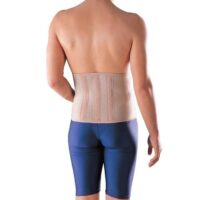
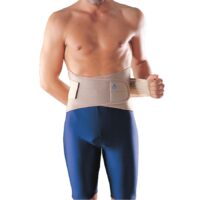
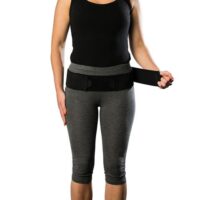
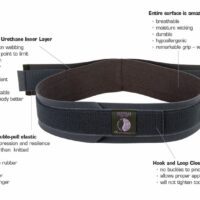
These back support products are commonly used by our physiotherapists to help reduce back pain, improve comfort, and support your recovery at home.
-
-
 Back, Braces & Supports, Maternity, SIJ
Core Stability Support – OPPO 3462
$54.00Select optionsQuick View -
- Braces & Supports, Back, Maternity, SIJ
AOM38 AllCare Ortho Core Stability Belt
$49.95Select optionsQuick View -
 Braces & Supports, Back, Maternity, SIJ
Maternity Support Belt – OPPO 4062
$37.00Select optionsQuick View -
 Back, Braces & Supports, Maternity, Posture
Maternity Back Support – OPPO 2062
$60.00 – $64.00Select optionsQuick View -
-

 Back, Braces & Supports, Maternity, Posture
Pregnancy Belly Band & C-Section 3-in-1
$94.99Select optionsQuick View



References
- World Health Organization. WHO guideline for non-surgical management of chronic primary low back pain in adults in primary and community care settings. Published December 7, 2023.
- Australian Commission on Safety and Quality in Health Care. Low Back Pain Clinical Care Standard. Accessed March 27, 2026.
- Hall AM, Aubrey-Bassler K, Thorne B, Maher CG. Do not routinely offer imaging for uncomplicated low back pain. BMJ. 2021;372:n291.
- Hayden JA, Ellis J, Ogilvie R, Malmivaara A, van Tulder MW. Exercise therapy for chronic low back pain. Cochrane Database Syst Rev. 2021;9(9):CD009790.
