
Is Walking Good For Back Pain?
Is Walking Good for Back Pain?

Gentle walking is often a safe way to manage back pain.
Is walking good for back pain? For many people, yes. Gentle walking is often a safe, practical way to reduce stiffness, maintain confidence with movement, and avoid the deconditioning that can follow too much rest during a simple flare-up.
The right walking dose still depends on your symptoms, irritability, and whether pain stays mainly in the back or starts to travel into the leg. This page sits within our broader back pain guide and works best alongside our pages on lower back pain, bulging disc, and sciatica.
Quick Summary
- Short, comfortable walks are often better than prolonged rest.
- Stop or modify walking if leg pain, numbness, or weakness clearly worsens.
- Build walking time gradually rather than pushing through a flare-up.
- Combine walking with the right advice, assessment, and strengthening.
Is Walking Good for Back Pain During a Flare-Up?
For most people, gentle walking is a sensible early option. It encourages blood flow, reduces stiffness, and helps you avoid the prolonged sitting or bed rest that often makes simple back pain harder to settle. The key is to keep the walk comfortable and controlled rather than treating it like fitness training.
If your symptoms are mild to moderate and stay mainly in the back or buttock, walking is often a helpful starting point. This is especially true if you are dealing with a straightforward lower back pain flare-up, a pulled back muscle, or general stiffness after loading, lifting, or long sitting.
Why Can Walking Help Back Pain?
Walking helps back pain because it is low impact, rhythmic, and easy to scale up or down. It keeps the hips, pelvis, and lumbar spine moving, which can improve confidence and reduce the tendency to guard too much.
It also gives you a practical way to stay active while symptoms settle. Many people do better when walking is combined with a broader plan that includes back pain physiotherapy, sensible load management, and the right follow-up exercises. If you want more detail on likely drivers, read what causes lower back pain.
Is Walking Good for Sciatica or Leg Pain?
Sometimes, but not always. If walking keeps symptoms mainly in the back or buttock and does not worsen them later, it can still be useful. However, if walking clearly drives pain further down the leg or increases numbness, pins and needles, or weakness, the dose may be wrong or the problem may need a different starting strategy.
This is common when symptoms fit patterns such as sciatica or sacroiliac joint pain. In those situations, a physiotherapist may help you work out whether walking should be shortened, broken into smaller bouts, or paired with a different exercise approach first.
How Much Walking Should You Do for Back Pain?
Start with a level you can tolerate without a meaningful symptom spike later that day or the next morning. For one person that may be five minutes. For another it may be twenty. The best dose is the one you can repeat consistently and build on.
A simple guide is to start short, walk at an easy pace, and stop before your symptoms ramp up. You can then progress by adding a few minutes every few days if your back settles well. This usually works better than one long walk that leaves you sore for the next 24 hours.
What Else May Help If Walking Alone Is Not Enough?
Walking is useful, but it is rarely the whole plan. Many people improve faster when walking is paired with targeted treatment, education, and progressive exercise matched to the cause of their symptoms.
Depending on your presentation, that may include back pain exercises, trunk control work, pacing advice, mobility drills, or Pilates for back pain. If you are weighing up broader options, our page on the best back pain treatment is a useful next read.
Walking and Back Pain FAQs
Should you rest or keep moving with back pain?
For most simple back pain episodes, keeping gently active is better than complete rest. Long periods of sitting or lying down can increase stiffness and reduce confidence with movement. The aim is not to ignore pain, but to keep moving within a sensible, tolerable range.
Can walking make back pain worse?
Yes, it can if the walk is too long, too fast, or not well matched to your current symptoms. Walking that clearly increases leg symptoms, weakness, or next-day pain should be adjusted. That does not always mean walking is wrong. It often means the dose or diagnosis needs reviewing.
Is walking better than sitting for lower back pain?
In many cases, yes. Gentle walking often reduces stiffness better than staying in one position for too long. If work or travel keeps you sitting, regular short walks and movement breaks can be a useful part of your recovery plan.
How often should you walk with back pain?
Short, repeatable walks often work better than one big session. Many people tolerate a few short walks across the day better than a single long walk. The main goal is to build consistency without causing a clear flare later that day or the next morning.
When should you stop walking and get checked?
Stop and get assessed if walking clearly worsens leg pain, numbness, pins and needles, or weakness. Prompt medical review is also important if back pain is linked to new bladder or bowel changes, saddle numbness, major trauma, fever, or unexplained weight loss.
Do I need a physiotherapist if walking helps a bit?
If walking is helping and your symptoms are settling steadily, you may simply need time and sensible progression. However, if pain keeps returning, limits walking distance, travels into the leg, or leaves you unsure what is wrong, a physiotherapy assessment is worthwhile.
What to Do Next
If walking feels comfortable, use it as a low-risk way to stay active while your back settles. Keep the pace easy, avoid large symptom spikes, and build gradually rather than trying to prove how much you can do on one good day.
If your pain is persistent, recurrent, limits walking distance, or is linked to leg symptoms, get assessed. A physiotherapist can help identify the likely driver, check your walking tolerance, and build a plan that suits your body rather than relying on guesswork.
Choose your clinic and appointment pathway
Select a PhysioWorks clinic to continue to live booking, an appointment request or reception assistance.
Back Support Products
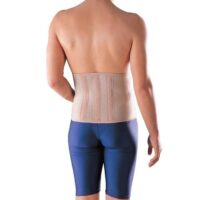
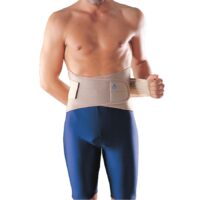
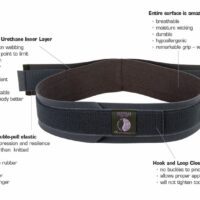
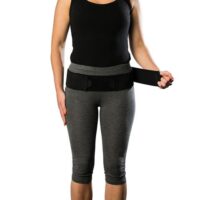
These back support products are commonly used by our physiotherapists to help reduce back pain, improve comfort, and support your recovery at home.
-
 Braces & Supports, Back, Maternity, SIJ
Maternity Support Belt – OPPO 4062
$37.00Select optionsQuick View -
-
 Back, Braces & Supports, Maternity, Posture
Maternity Back Support – OPPO 2062
$60.00 – $64.00Select optionsQuick View -
-
-

 Back, Braces & Supports, Maternity, Posture
Pregnancy Belly Band & C-Section 3-in-1
$94.99Select optionsQuick View - Braces & Supports, Back, Maternity, SIJ
AOM38 AllCare Ortho Core Stability Belt
$49.95Select optionsQuick View -
 Back, Braces & Supports, Maternity, SIJ
Core Stability Support – OPPO 3462
$54.00Select optionsQuick View



References
- Pocovi NC, de Campos TF, Lin CWC, et al. Walking, cycling, and swimming for nonspecific low back pain: a systematic review with meta-analysis. J Orthop Sports Phys Ther. 2022;52(2):85-99. doi:10.2519/jospt.2022.10612.
- Pocovi NC, Lin CWC, French SD, et al. Effectiveness and cost-effectiveness of an individualised, progressive walking and education intervention for the prevention of low back pain recurrence in Australia (WalkBack): a randomised controlled trial. Lancet. 2024;404(10448):134-144. doi:10.1016/S0140-6736(24)00755-4.
- Australian Commission on Safety and Quality in Health Care. Low Back Pain Clinical Care Standard. 2022.

