If you are looking for tips for stiff joints in the morning, the first step is usually simple: get the joints moving gently rather than forcing them. Morning stiffness often settles as circulation increases and the joints warm up. For a broader overview of causes, treatment options, and ways to improve movement, visit our Joint Pain Relief page.
In many cases, morning joint stiffness relates to inactivity overnight, osteoarthritis, muscle tightness, a recent increase in load, or a general flare-up in an irritated joint. However, if stiffness lasts a long time, keeps returning, or comes with swelling and fatigue, assessment may help clarify whether an inflammatory condition is also contributing.

The most helpful approach is usually a mix of gentle movement, warmth, pacing, and regular exercise. Many people feel better after a warm shower, a few easy stretches, or a short walk around the house before sitting down for the day. If symptoms are frequent or harder to settle, our Joint Pain Relief guide explains the bigger picture and when physiotherapy or medical review may help.
Joints and surrounding soft tissues often feel stiffer after several hours of reduced movement. Overnight, the body is inactive, circulation slows, and muscles can tighten into one position. As a result, the first few steps out of bed may feel awkward, achy, or restricted. Cooler weather may also make muscles and connective tissues feel less comfortable when you first start moving.
That does not always mean something serious is wrong. In fact, many people with mild osteoarthritis, old injuries, reduced flexibility, or long periods of sitting notice this pattern. The key point is whether the stiffness eases within a reasonable time once you start moving.
Several issues can contribute. Osteoarthritis is common, especially in weight-bearing joints such as the knees and hips. Muscle tightness, poor sleep position, overload from exercise, and reduced activity the day before can also contribute. In some people, inflammatory conditions such as Rheumatoid Arthritis, Psoriatic Arthritis, Ankylosing Spondylitis, Fibromyalgia, or Lupus may play a role.
Morning stiffness may also feel worse when joints are already irritated by swelling, weakness, or poor support from the surrounding muscles. That is why treatment often needs to focus on the whole system rather than the joint alone.
Short-lived stiffness that improves after a warm-up is often less worrying than stiffness that lasts a long time or keeps building week after week. Assessment may help if you notice joint swelling, warmth, redness, marked loss of movement, repeated night pain, or stiffness that lasts well beyond the early part of the morning. It is also worth getting checked if several joints are involved, or if symptoms come with unusual fatigue, fever, skin changes, or unexplained weight loss.
These features do not confirm a specific diagnosis on their own, but they can suggest that a more detailed medical or physiotherapy assessment is sensible.
Start with easy movement before asking the joint to do too much. A warm shower, light range-of-motion exercises, or a few minutes of walking indoors can help. Some people also find that a heat pack makes the first part of the day more comfortable.
Then, build better joint tolerance over time. Regular exercise is one of the most useful long-term strategies. Low-impact options such as walking, cycling, swimming, and guided strengthening often help reduce stiffness and improve confidence. Our Stretching Exercises guide may also help if flexibility has become restricted.
At the same time, avoid the trap of doing nothing because you feel stiff. Rest has a place during stronger flare-ups, but too much rest can leave the joint less tolerant and the surrounding muscles weaker. Instead, use a graded approach that calms the area without shutting movement down completely.
Physiotherapy may help when morning stiffness is recurring, confusing, or linked to reduced mobility. A physiotherapist can assess joint movement, muscle strength, swelling, loading patterns, and daily habits that may be feeding into the problem. Treatment may include hands-on therapy, targeted exercise, pacing advice, and strategies to make mornings easier.
Where needed, your physiotherapist may also suggest that you speak with your GP, especially if the pattern looks more inflammatory than mechanical. You can read more about this process on our Physiotherapy page.
If your joints feel stiff every morning, do not panic, but do pay attention to the pattern. Gentle movement, warmth, and regular exercise often help. If symptoms are lingering, worsening, or coming with swelling or fatigue, an assessment can clarify the cause and guide the next step.
Select a PhysioWorks clinic to continue to live booking, an appointment request or reception assistance.
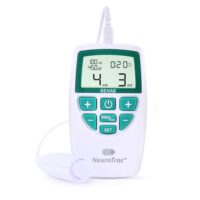
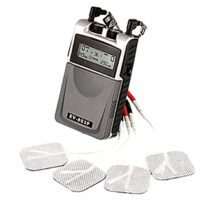
These muscle and soft tissue products are commonly used by our physiotherapists to relax or loosen muscles, improve strength, comfort, flexibility, and home exercise programs.











For research summaries and management pathways, visit our main condition page: Joint Pain Relief