
Post-Operative Physiotherapy


Post-Operative Physiotherapy: What Should You Expect?
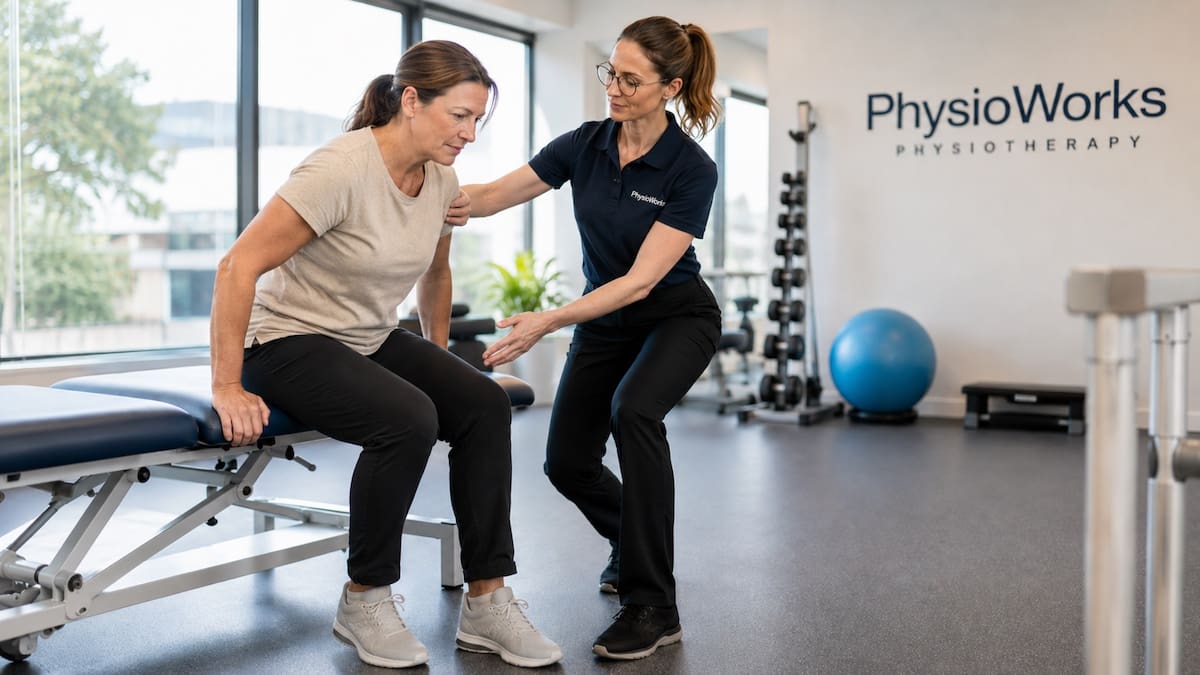
Post-operative physiotherapy helps you rebuild movement, strength and confidence after surgery. Your surgeon repairs or replaces tissue. Physiotherapy then guides how you move, load, protect and progress during recovery.
A structured post-operative physiotherapy plan may help you manage pain, swelling and stiffness. It also helps you return to daily life, work, exercise and sport in stages.
Quick Guide
- Early phase: protect the surgical site, breathe well and move gently.
- Middle phase: restore range, strength and walking confidence.
- Later phase: rebuild balance, endurance and task-specific strength.
- Return phase: practise work, sport or hobby demands in a staged way.
Why Does Post-Operative Physiotherapy Matter?
Your physiotherapist works with your surgeon’s instructions. Early care usually focuses on comfort, circulation, swelling control and safe movement. As your recovery improves, your plan shifts towards strength, balance and function.
Post-operative physiotherapy commonly includes:
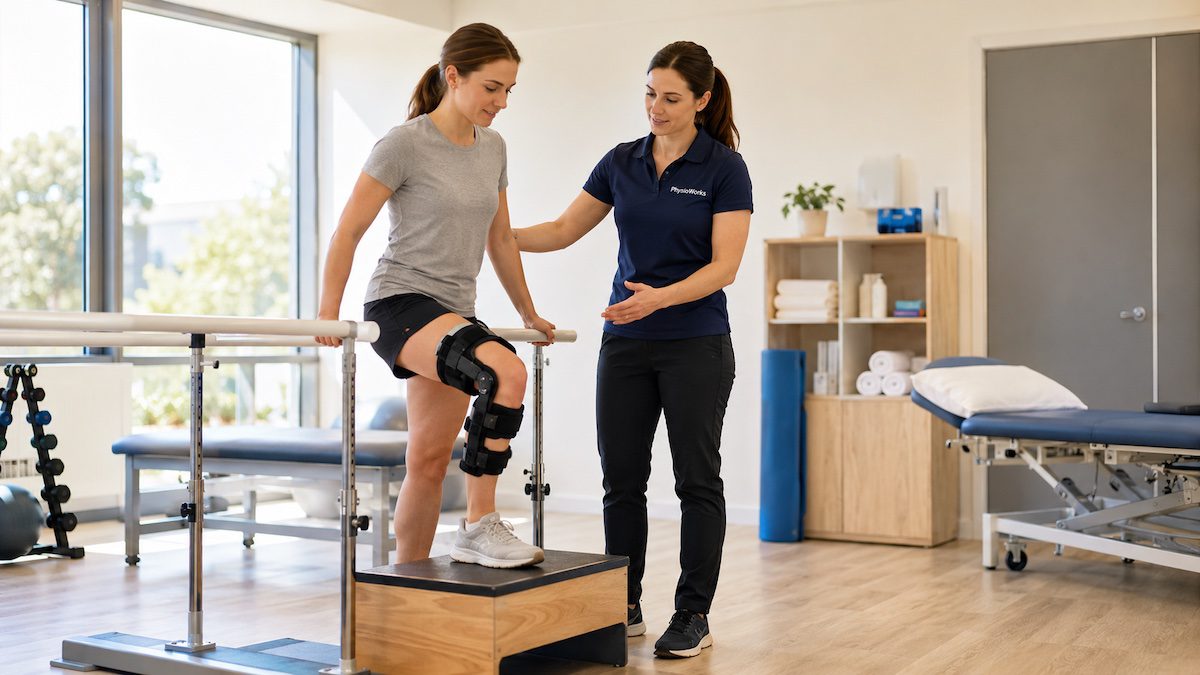
- advice about safe movement, slings, braces or supports
- exercises that protect healing tissue while reducing stiffness
- strategies to help manage swelling and pain
- progressive strength, balance and walking exercises
- planning for your return to work, sport and hobbies
Why Early Movement Matters
After surgery, it is common to feel sore, stiff and tired. Staying still for too long can increase stiffness and may raise the risk of problems such as chest infection or deep vein thrombosis. Guided early movement helps you move safely without overloading healing tissue.
Your physiotherapist will help you find the right balance between protection and progress. That balance depends on your operation, your surgeon’s protocol and your general health.
Early Phase: Protect, Breathe and Gently Move
Managing Pain and Swelling
In the first days and weeks after surgery, your goals are simple. You need to protect the surgical site, reduce swelling, move safely and prevent avoidable loss of strength.
Your plan may include:
- comfortable resting positions with pillows or supports
- gentle ankle pumps and breathing exercises
- ice or compression if your surgeon has allowed it
- short, frequent walks to promote circulation
Targeted swelling management may make exercise easier. Your physiotherapist will adapt your plan if you have heart, lung or other medical conditions.
Early Range of Motion and Muscle Activation
Stiffness can build quickly after surgery. Early range exercises help you keep safe movement while respecting surgical limits. Your sessions may start with gentle joint bends, static muscle contractions and short walking practice.
For operations such as knee replacement surgery or hip replacement surgery, early movement often helps support longer-term function. Your physiotherapist will guide how far to move and what to avoid.
How Does Rehabilitation Progress After Surgery?
Most post-operative physiotherapy plans move through stages. The speed varies, but the logic stays similar: protect first, then restore movement, then rebuild strength and function.
Typical Rehabilitation Stages
| Stage | Main Goal | Common Focus |
|---|---|---|
| Early | Protect and settle | Pain, swelling, breathing, gentle movement |
| Middle | Restore capacity | Range, walking, basic strength |
| Later | Build confidence | Balance, endurance, task practice |
| Return | Resume goals | Work, sport, hobbies and long-term maintenance |
Progressive Strength and Functional Rehabilitation
Building Strength After Surgery
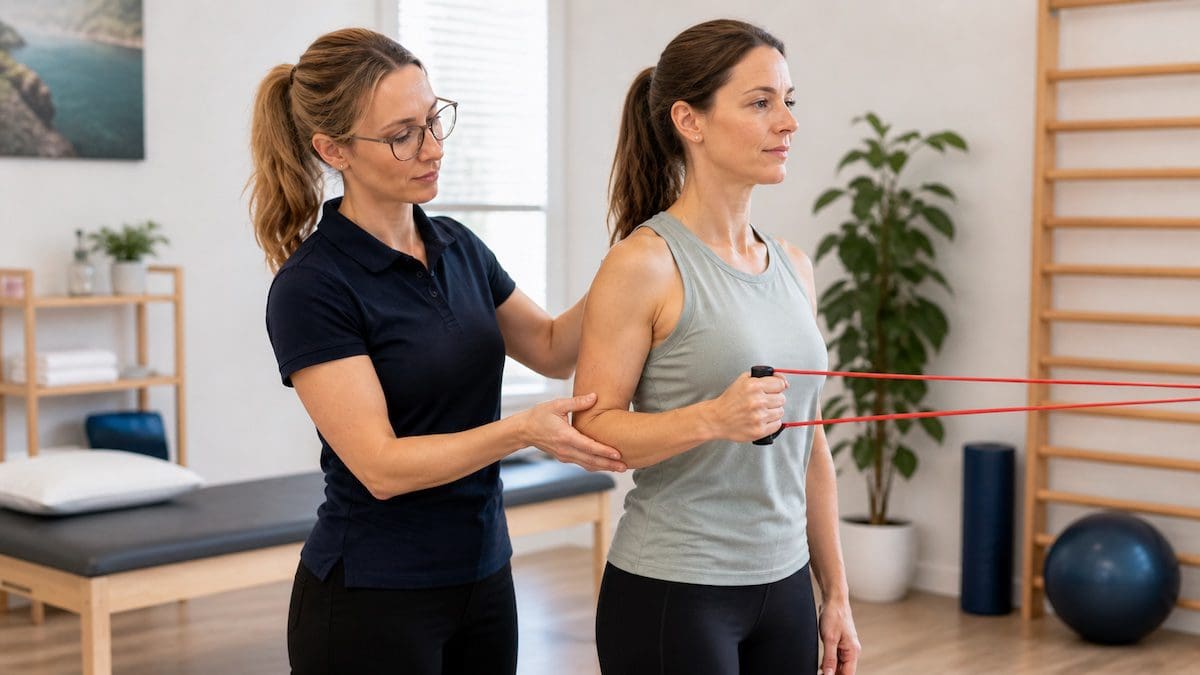
As pain settles and healing progresses, your post-operative physiotherapy program usually shifts towards strength and endurance. This stage often includes targeted strength work for the operated area and nearby joints.
Your physiotherapist may also add core, posture, balance or coordination exercises. These help you move better as a whole person, not just around the surgical site.
For orthopaedic procedures such as ACL reconstruction rehabilitation, post-fracture physiotherapy or shoulder surgery rehabilitation, progressive loading helps tissues adapt to daily and sporting demands.
Retraining Everyday Activities
Recovery is not only about isolated exercises. Your plan should help you practise real tasks, such as:
- walking longer distances on flat ground and hills
- stairs, sit-to-stand, car transfers and getting off the floor
- work tasks such as lifting, carrying or desk setup
- graded drills for sport or active hobbies
This functional focus helps close the gap between clinic exercises and real life.
Which Surgeries Commonly Need Post-Operative Physiotherapy?
Most orthopaedic operations, and many other procedures, benefit from a staged post-operative physiotherapy plan. Examples include:
- Shoulder surgeries: rotator cuff repair, stabilisation and decompression.
- Elbow, wrist and hand surgeries: tendon repair, fracture repair and carpal tunnel release.
- Knee surgeries: knee replacement, ACL reconstruction, meniscal surgery and arthroscopy.
- Hip surgeries: total hip replacement and labral repair.
- Ankle and foot surgeries: Achilles repair, ligament reconstruction and tendon surgery.
- Spinal surgeries: discectomy, laminectomy and spinal fusion.
Your surgeon’s procedure notes and precautions help your physiotherapist tailor the plan to your operation.
Safety note: Do not push through sharp pain, new swelling, wound changes or symptoms that feel unusual for your recovery stage. Ask your surgeon, GP or physiotherapist for advice.
What Does the Evidence Say?
Benefits of Structured Post-Operative Physiotherapy
Research supports structured rehabilitation after many operations. The strongest themes are early safe movement, progressive exercise, education and return-to-function planning.
Post-operative physiotherapy may help support:
- walking speed and confidence after joint replacement
- balance and strength after lower-limb surgery
- safe return to work, sport and daily tasks
- better understanding of pacing, loading and warning signs
However, every operation is different. Your recovery timeline depends on your surgery, age, health, previous injuries and goals.
When Should Your Plan Change?
If you do not progress as expected, your physiotherapist can adjust your exercises or suggest review with your surgeon or doctor. This helps keep your plan safe and realistic.
You can also explore our pages on pain conditions and rehabilitation exercises if pain, stiffness or weakness is affecting your recovery.
How Long Will Post-Operative Rehabilitation Take?
There is no single timeline. Recovery depends on the surgery and your goals. Some people need only a few visits. Others need a longer staged plan.
- Simple soft tissue procedures may settle over weeks to a few months.
- Joint replacements often need several months of structured rehabilitation.
- Ligament reconstructions can take nine to twelve months before higher-level sport.
- Spinal surgery recovery may need steady pacing and long-term strength work.
When Should You Check Back With Your Surgeon or Doctor?
Your physiotherapist will recommend medical review if you develop warning signs such as:
- sudden increase in pain, redness or heat around the surgical site
- unusual swelling, calf pain, shortness of breath or chest pain
- new loss of function that does not fit normal post-surgical soreness
- wound concerns, fever or feeling generally unwell
Clear communication between you, your surgeon, your doctor and your physiotherapist helps you stay on track.
What Should You Do Next?
Ideally, plan your post-operative physiotherapy before surgery. This gives you time to book early appointments and organise equipment such as crutches, braces or supportive products.
If your surgery has already happened, it is still a good time to start. Your physiotherapist will review your surgical details, assess your movement, discuss your goals and build a staged recovery plan.
At PhysioWorks, your physiotherapist will work within your surgeon’s guidelines. Book early if you want help with pain, swelling, movement, strength, walking, stairs, work duties or return to sport.
Choose your clinic and appointment pathway
Select a PhysioWorks clinic to continue to live booking, an appointment request or reception assistance.
Muscle & Soft Tissue Products
These muscle and soft tissue products are commonly used by our physiotherapists to relax or loosen muscles, improve strength, comfort, flexibility, and home exercise programs.
-
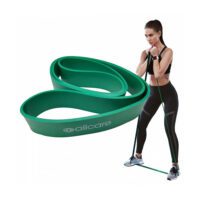 Exercise Equipment, Resistance Band
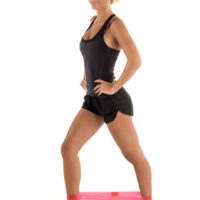
AllCare Powerloop Bands
$24.95 – $79.95Select optionsQuick View -
-
-
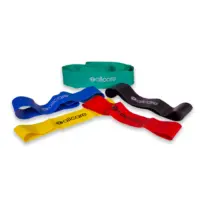
-
- EMS Machines, Pain Management, TENS Machine, TENS Machine & EMS
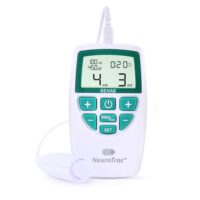
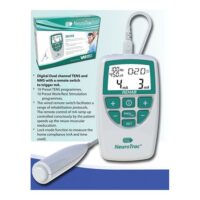
NeuroTrac Rehab (TENS Machine + EMS)
$285.00Add to cartQuick View -
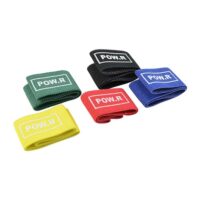 Exercise Equipment, Knee, Resistance Band
POW.R Fabric Mini Loop Bands
$12.00 – $55.00Select optionsQuick View -
-
-
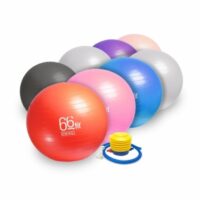
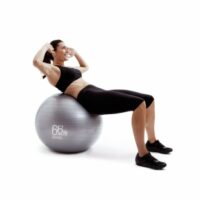 Exercise Balls, Back, Exercise Equipment, Knee, Shoulder
66fit Exercise Balls | Core & Rehab Stability Ball
$32.00 – $57.00Select optionsQuick View -
-
- Liniments & Gels, Massage Liniments, Pain Management
Fisiocrem
$16.95 – $39.95Select optionsQuick View -





Related Articles
- Knee Replacement Surgery Recovery – Recovery timelines, movement goals and knee replacement rehabilitation exercises.
- Post-Operative Shoulder Physiotherapy – Shoulder surgery rehabilitation and staged strengthening.
- Hip Replacement Rehabilitation – Early mobilisation, walking progressions and long-term hip strength.
- ACL Reconstruction Rehabilitation – Knee stability, strength and return-to-sport planning.
- Post-Fracture Physiotherapy – Rehabilitation after a fracture, cast, boot or surgical fixation.
Post-Operative Physiotherapy FAQs
Do I need physiotherapy after surgery?
Many people benefit from physiotherapy after surgery. A physiotherapist can help you restore movement, manage swelling, rebuild strength and return to daily tasks in a safe order.
When should I start post-operative physiotherapy?
Your surgeon will usually guide the timing. Many plans start within the first few days or weeks when movement is safe. Your physiotherapist will follow your surgeon’s restrictions.
How long does post-operative rehabilitation take?
Recovery time varies. Simple procedures may take weeks. Joint replacements, ligament surgery and spinal surgery often need several months of staged post-operative physiotherapy.
What exercises will I do after surgery?
Early exercises often include breathing, circulation, gentle range of motion and muscle activation. Later exercises usually progress to strength, balance, walking, stairs, work tasks and sport drills.
Can physiotherapy help me recover faster after surgery?
Physiotherapy cannot change normal tissue healing time. It can help you move safely, reduce avoidable stiffness and rebuild function in a structured way.
When should I seek urgent medical advice after surgery?
Seek urgent medical advice if you notice chest pain, shortness of breath, sudden calf swelling, fever, wound changes or a sudden increase in pain, redness or heat around the surgical site.
Research & References
- Konnyu KJ, Oosting E, de Vries J, et al. Rehabilitation for total hip arthroplasty: a systematic review. Am J Phys Med Rehabil. 2023;102(1):19-33.
- Park SJ, Kim BG. Effects of exercise therapy on balance and gait after total hip arthroplasty: a systematic review and meta-analysis. J Exerc Rehabil. 2023;19(4):190-197.
- Saueressig T, van der List JP, Chaudhari AMW. Evaluation of exercise interventions and outcomes after total hip arthroplasty: a systematic review and meta-analysis. JAMA Netw Open. 2021;4(2):e210778.
- Lewis SR, Wilson N, Gendreau R, et al. Rehabilitation for ankle fractures in adults: a systematic review. Injury. 2024;55:222-232.
- Telang S, Griffin DR, D’Angelo J, et al. Are activity restrictions necessary after total hip arthroplasty? A systematic review. Bone Joint J. 2024;106-B(5):605-613.
