
Which Massage Style Is Right for You?
The right massage style depends on why you are booking, how much pressure you prefer and whether you want relaxation, targeted muscle treatment or support around training and recovery.
The right massage style depends on why you are booking, how much pressure you prefer and whether you want relaxation, targeted muscle treatment or support around training and recovery.

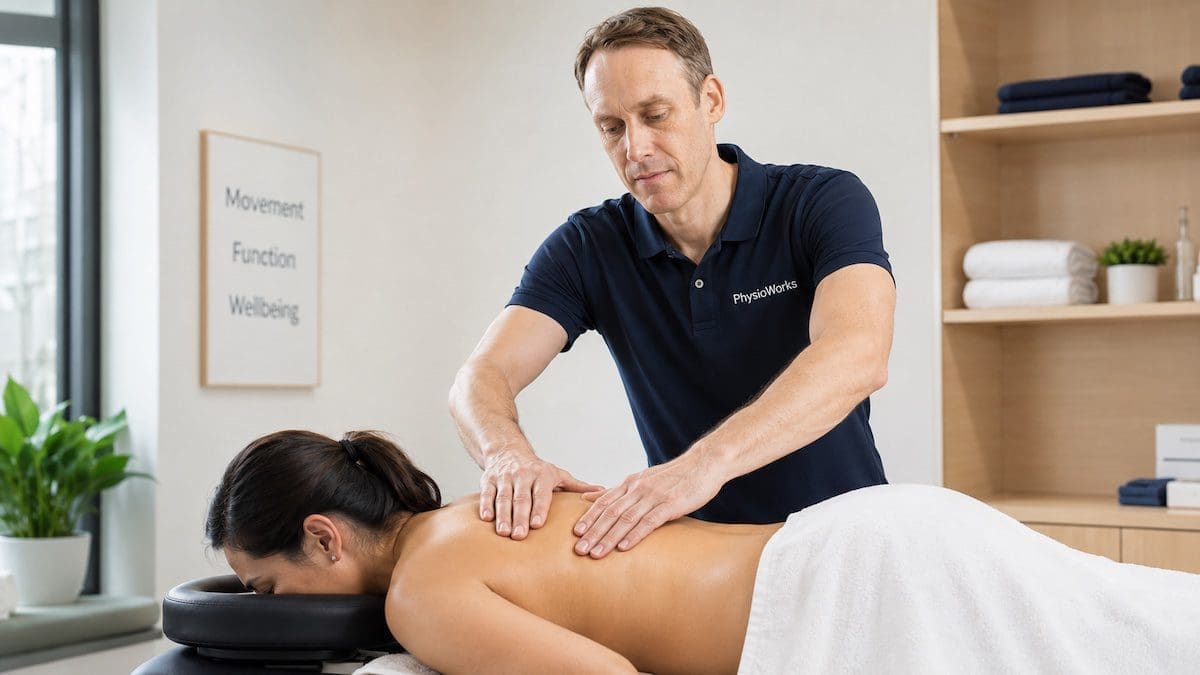
You do not need to identify the perfect technique before booking. A massage therapist can discuss your symptoms, treatment goals, health history and preferred pressure before adapting the session.
Some appointments combine several techniques rather than following one fixed massage style. You can also ask your therapist to change the pressure, avoid an area or alter the treatment focus at any time.
Each massage style has a different emphasis. Use the guide below to identify the option that most closely matches your goals.
May suit: Sore, tight or overloaded muscles and a specific problem area.
Typical feel: Targeted treatment using light, moderate or firm pressure.
May suit: Persistent muscle tension or people who prefer firmer treatment.
Typical feel: Slow, controlled and firm pressure adjusted to comfort.
May suit: Relaxation, general tension or people having massage for the first time.
Typical feel: Gentle to moderate pressure with smooth, flowing strokes.
May suit: Training load, post-exercise soreness, recovery or preparation for activity.
Typical feel: Purposeful treatment focused on relevant muscles and activity demands.
May suit: Pregnancy-related muscle tension, discomfort and relaxation needs.
Typical feel: Gentle, supported and modified for comfort and safety.
May suit: A localised tender or tight area that responds to focused pressure.
Typical feel: Controlled pressure applied to a specific region and adjusted to tolerance.
Book a Massage Appointment
Massage is available at selected PhysioWorks clinics. Choose your preferred clinic to view current booking options.
Relaxation and general tension
Consider Swedish or relaxation-focused massage with gentle to moderate pressure.
A specific sore or tight area
Remedial massage may provide more targeted treatment around the region bothering you.
Preference for firmer pressure
Deep tissue massage may suit you, although firm pressure is not automatically more effective.
Training and recovery
Sports massage may be adapted to the muscles and activities involved in your training.
Pregnancy comfort
Choose pregnancy massage so positioning, pressure and treatment areas can be modified appropriately.
Unsure what to book
Choose the closest option and discuss your goals with the therapist before treatment begins.
No. More pressure does not always produce a better result. The appropriate pressure depends on your goals, comfort, health history, sensitivity and the area being treated.
Massage should feel purposeful and tolerable. Tell your therapist when pressure feels too light, too firm or uncomfortable. Your therapist can adjust the session as treatment progresses.
Depending on the cause of your symptoms and the style used, massage may help reduce short-term muscle tension, soreness, stiffness and general discomfort. Some people also use massage to support relaxation or recovery after activity.
Massage may form one part of care for problems such as lower back pain, a stiff neck or muscular calf pain. However, the right treatment depends on what is causing the symptoms.
Consider physiotherapy assessment when pain is new, severe, spreading, repeatedly returning or affecting strength, movement or normal activity.
Massage may need to be delayed, avoided or modified when you have:
Tell your therapist about pregnancy, blood-thinning medicine, recent surgery, fractures, skin conditions, cancer treatment and other relevant health concerns.
Your therapist will discuss the reason for your appointment and the areas you would like treated. Pressure, positioning, clothing, draping and treatment focus can then be adjusted to your needs.
Clear feedback helps your therapist shape the session around your comfort and priorities. You remain in control throughout the appointment.
Common options include remedial, deep tissue, Swedish, sports and pregnancy massage. Therapists may also use focused techniques such as trigger point therapy. Each approach differs in pressure, pace and treatment focus.
Remedial or deep tissue massage may suit local muscle tension, depending on the cause, your sensitivity and your pressure preference. A gentler approach may be more suitable when the area is sensitive or relaxation is the main goal.
Remedial massage usually focuses on a specific sore, tight or overloaded area. Relaxation massage generally uses broader and gentler techniques with more emphasis on comfort and relaxation.
No. Firmer pressure is not always more useful. Pressure should match your goals, comfort, health history and sensitivity. Your therapist can adjust it during the session.
Yes. A therapist may combine suitable techniques during one appointment rather than follow a single style from beginning to end. The session should remain matched to your goals and comfort.
Start with your main goal, such as relaxation, targeted muscle treatment, pregnancy comfort or sports recovery. Book the closest option and explain your needs to the therapist before treatment starts.
Massage may need to be delayed or modified when you have an infection, fever, active skin problem, unexplained swelling, suspected blood clot, recent fracture or severe unexplained pain. Medical or physiotherapy assessment may be more appropriate first.
Think about the main reason you want massage and the type of pressure you usually prefer. Then choose the option that most closely matches your goal. Your therapist can refine the treatment after discussing your needs.
Explore the full range of Brisbane massage services, or read more answers in the massage FAQ library.
Consider physiotherapy first when symptoms are severe, spreading, linked with weakness or numbness, or affecting your usual movement and activity.



