
Physiotherapist assessing lower back movement while considering lifestyle factors such as smoking, health, and activity levels.
Smoking may increase the risk of lower back pain and spinal degeneration, while diabetes may also be linked with lower back pain through broader health factors. Neither issue explains every case on its own. For the broader picture, start with our back pain guide.
This page explains what current research suggests, which lifestyle factors matter most, and which common beliefs are probably myths. If your symptoms are ongoing, also see lower back pain and common causes of back pain.
Some lifestyle habits may increase lower back pain risk. Others are often blamed without strong evidence.
Lifestyle factors such as smoking, low physical activity, poor sleep, excess body weight, stress, and broader metabolic health may increase the likelihood of lower back pain. These factors often affect tissue health, pain sensitivity, recovery, and load tolerance rather than acting as one simple direct cause.
That is why lower back pain usually needs a broader assessment. A person may have one clear diagnosis, such as a bulging disc or spinal stenosis, but symptoms can still be influenced by sleep, stress, smoking, fitness, and general health.
Smoking does not explain every case of lower back pain, but research suggests it is a meaningful risk factor. It may increase the likelihood of back pain, ongoing symptoms, and degenerative spinal change. Smoking is better viewed as one contributor within a bigger picture rather than the only cause.
Several mechanisms may help explain this link. Smoking can reduce blood flow, increase systemic inflammation, affect disc nutrition, slow tissue healing, and lower physical capacity. These factors may make the lumbar spine less tolerant of repeated daily loads, work demands, and sport.
Smoking may affect the spine by reducing tissue health and recovery capacity. Over time, that may make discs, joints, and surrounding tissues less able to handle normal stress. This does not mean smoking creates a single diagnosis, but it may raise the chance of pain persistence and degenerative change.
That matters because lower back pain is rarely caused by one factor alone. A person who smokes may also have lower exercise tolerance, poorer sleep, higher stress, slower recovery, and less confidence with movement. Together, those issues can amplify pain and slow rehabilitation.
Diabetes does not automatically cause lower back pain, but it may be associated with it. Newer reviews suggest people with diabetes are more likely to report lower back pain than people without diabetes. Even so, the link is probably indirect in many cases.
For example, diabetes may sit alongside higher body weight, lower activity levels, poorer circulation, nerve sensitivity, and slower tissue recovery. These factors can all influence pain. That is why it is better to ask how diabetes may contribute to back pain risk, rather than treating it as a simple yes-or-no cause.
Yes. Sleep disturbance, psychological stress, and excess body weight are all associated with lower back pain. However, they usually act by changing pain sensitivity, tissue loading, physical capacity, and recovery rather than by creating one single spinal diagnosis.
This is another reason why a broader management plan often works better than chasing one “magic” cause. Improving sleep, pacing load, building strength, and increasing activity tolerance may all help alongside condition-specific treatment.
Tattoos are not recognised as a cause of lower back pain. They should not be considered a meaningful spinal risk factor. “Bad posture” is also often oversimplified. Posture may influence comfort in some positions, but it is rarely the sole reason someone develops ongoing back pain.
In practice, most back pain is better explained by a mix of load, movement tolerance, strength, recovery, sleep, stress, health factors, and the specific tissues involved. If symptoms persist, a proper assessment is far more useful than blaming tattoos or one posture habit.
Lifestyle factors are background contributors. They are usually less useful than identifying the actual pain pattern or diagnosis driving your symptoms. In practice, people often need assessment for conditions such as lower back pain, degenerative disc disease, spinal stenosis, or disc-related pain.
That is why broad health risk factors should never replace a proper mechanical and functional assessment. The pattern of your pain, what aggravates it, whether it spreads into the leg, and how it responds to movement are usually more helpful clinically.
Yes. Physiotherapy may help by identifying the main drivers of your pain and building a practical plan around them. Treatment often focuses on movement confidence, load management, strength, mobility, pacing, and gradual return to normal activity.
If your symptoms are recurring, you may also benefit from back pain physiotherapy and a guided program of back pain exercises. Management often works best when lifestyle risks and physical contributors are addressed together.
You should seek prompt medical review if back pain follows significant trauma, comes with fever, unexplained weight loss, severe night pain, progressive leg weakness, saddle numbness, or bladder or bowel changes. Those features need urgent attention.
If your pain is not urgent but keeps returning, limits work, disturbs sleep, or stops exercise, an assessment is still worthwhile. Waiting too long can let stiffness, fear of movement, and loss of strength build up around the problem.
Smoking may increase the risk of lower back pain and spinal degeneration, but it does not explain every case. It is better viewed as one contributor within a broader mix of loading, tissue health, activity levels, recovery, and general health factors.
Diabetes does not automatically cause lower back pain, but it may be associated with it. The relationship appears to be influenced by factors such as body weight, inflammation, circulation, nerve health, physical activity, and recovery capacity.
Yes. Sleep disturbance, stress, and excess body weight are all associated with lower back pain. However, they usually influence pain through recovery, sensitivity, loading, and physical capacity rather than acting as one single direct cause.
Tattoos are not recognised as a cause of lower back pain. Posture may affect comfort in some positions, but it is rarely the sole explanation for ongoing lower back pain. Most cases are better explained by a mix of load, movement tolerance, strength, recovery, and health factors.
Yes. Physiotherapy may help by identifying the main drivers of your pain and building a practical plan around movement, load management, strength, mobility, pacing, and return to activity. Treatment usually works best when lifestyle and physical factors are addressed together.
You should seek prompt medical review if back pain follows major trauma, comes with fever, unexplained weight loss, severe night pain, progressive leg weakness, saddle numbness, or bladder or bowel changes. Persistent or recurring pain also deserves assessment.
If you smoke, quitting may help your long-term spine health as well as your general health. If you have diabetes, good overall management may improve your capacity to exercise and recover. However, neither issue should stop you from getting your back pain assessed properly.
If your lower back pain is persistent, keeps coming back, or affects daily function, book a physiotherapy assessment. A clearer diagnosis and a tailored rehabilitation plan are usually more helpful than assuming the cause is only smoking, diabetes, posture, tattoos, or age-related degeneration.
Select a PhysioWorks clinic to continue to live booking, an appointment request or reception assistance.
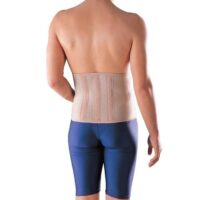
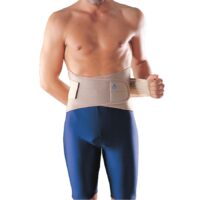
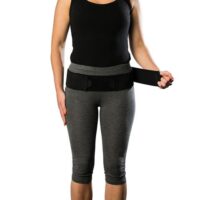
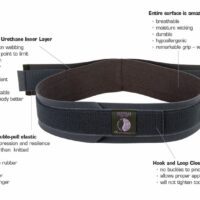
These back support products are commonly used by our physiotherapists to help reduce back pain, improve comfort, and support your recovery at home.